H.R. 2028: REDI Act
Sponsor

Brian Babin
Republican · TX-36
Doctors in training shouldn't watch their loans grow
Why it matters
Medical and dental residents can spend three to seven years training on a trainee's pay while interest keeps compounding on student debt that often runs into six figures. H.R. 2028 would let those borrowers defer federal direct loans during internship or residency with no interest accruing and no principal due. It has drawn 76 bipartisan cosponsors and sits in the House Education and Workforce Committee.
The Resident Education Deferred Interest Act is short and aimed at one window of time: the years between graduating from medical or dental school and finishing residency. During that stretch, residents earn a salary but typically not enough to make a dent in professional-school debt, while interest keeps accruing.
The bill adds medical and dental internships and residencies to the list of reasons a federal borrower can defer payments. The difference from a regular deferment is the key part: interest would not build up during it, and no principal payments would be due until training ends.
It is narrow on purpose. It does not cancel any debt, shorten training, or extend the same treatment to other graduate fields with long required training. The likely debate is over cost — the government collects less interest — and whether other professions with mandatory post-graduate training should get the same deal.
Bill Progress
Latest Action · Mar 11, 2025
Referred to the House Committee on Education and Workforce.
H.R. 2028 Bill Summary
What H.R. 2028 actually does.
Interest stops growing during residency
Borrowers in a medical or dental internship or residency program could defer their federal direct loans, with no interest accruing during that period.
No loan payments due until training ends
Eligible residents and interns would not have to make principal payments while they are in the covered internship or residency program.
Residency becomes a recognized reason to defer
The bill adds service in a medical or dental internship or residency program to the existing list of situations that qualify a federal borrower for deferment.
The no-interest rule overrides conflicting loan rules
For these borrowers, the bill specifies that interest does not accrue even where other federal student loan rules would normally allow it.
Applies to federal direct loans, not every loan
The change covers loans made under the federal direct loan program, which generally does not include private loans or every loan a borrower may hold.
Who benefits from H.R. 2028?
Medical residents and interns
Newly licensed doctors spend three to seven years in residency on a resident's salary. They would no longer watch six-figure balances swell with interest before they can realistically pay them down.
Dental residents and interns
Dentists pursuing specialty training — oral surgery, orthodontics, and similar programs — get the same protection from interest growth during their training years.
Graduates with the heaviest professional-school debt
Those who borrowed most heavily for medical or dental school avoid years of compounding on the largest balances, where the interest math bites hardest.
Hospitals and residency programs
Less financial strain on trainees can make residency slots easier to fill, which matters most for programs in primary care and underserved areas.
Who is affected by H.R. 2028?
Federal borrowers in covered training programs
Their repayment timeline shifts: payments pause and the balance stops growing during residency, then standard repayment resumes after training ends.
The federal government
Treasury collects less interest from these borrowers during the deferment, which is the bill's main budgetary cost.
Loan servicers and the Education Department
They would have to identify eligible residents and interns and adjust servicing systems so the interest-free deferment is applied correctly.
Borrowers in other long training paths
Graduate students in fields with their own lengthy required training do not get this treatment under the bill, an asymmetry that may surface in committee.
HR2028 Legislative Journey
House: Committee Action
Mar 11, 2025
Referred to the House Committee on Education and Workforce.
About the Sponsor
Brian Babin
Republican, Texas's 36th congressional district · 11 years in Congress
Committees: Science, Space, and Technology, Transportation and Infrastructure
View full profile →
Cosponsors (133)
This bill has 133 cosponsors: 82 Democrats, 51 Republicans, reflecting bipartisan support. Cosponsors represent 43 states: Alaska, Alabama, Arizona, and 40 more.

Chrissy Houlahan
Democrat · PA

Don Bacon
Republican · NE

Eleanor Norton
Democrat · DC

Sharice Davids
Democrat · KS

John Joyce
Republican · PA

Kevin Kiley
Republican · CA

Hillary Scholten
Democrat · MI
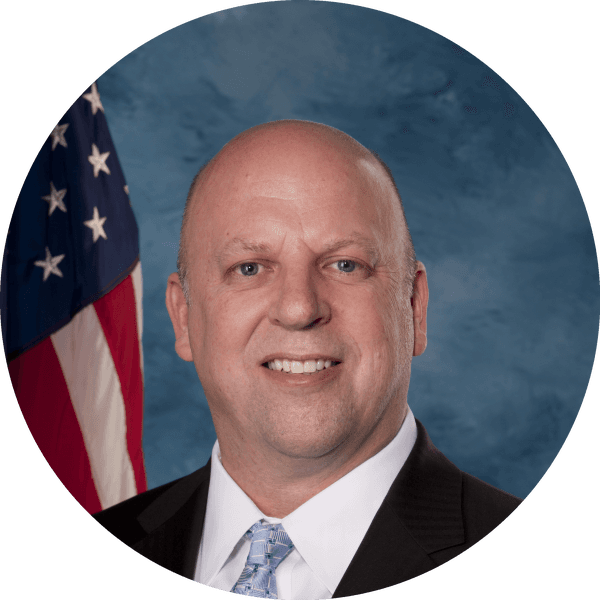
Scott DesJarlais
Republican · TN

Judy Chu
Democrat · CA

Nicole Malliotakis
Republican · NY

Raja Krishnamoorthi
Democrat · IL
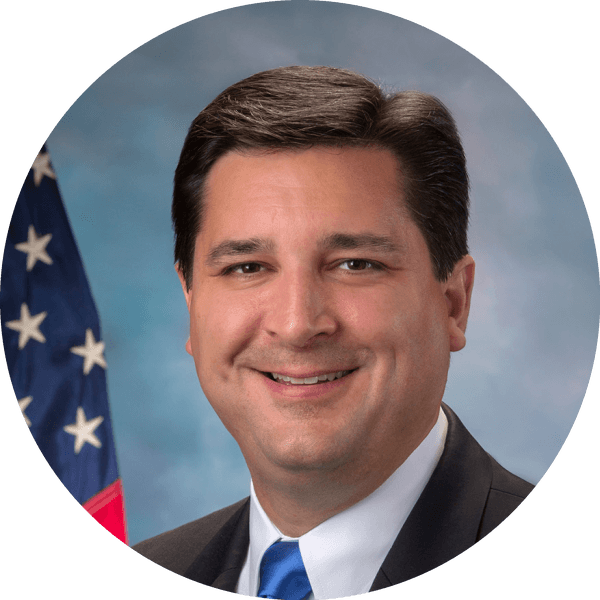
David Rouzer
Republican · NC
Cosponsor Coverage Map
Committee Sponsors
Education and Workforce Committee
11 of 37 committee members cosponsored


14 Republicans across this committee haven't cosponsored yet. Mobilize their constituents
H.R. 2028 Quick Facts
- Committee
- Education and Workforce
- Chamber
- House
- Policy
- Education
- Introduced
- Mar 11, 2025
Referred to the House Committee on Education and Workforce.
Mar 11, 2025
Official Sources
Full bill text, cosponsors, and legislative history for the Resident Education Deferred Interest Act.
The statute this bill amends — Section 455(f) of the Higher Education Act — including current deferment eligibility rules under the William D. Ford Federal Direct Loan Program.
The Department of Education office that administers over $120 billion in student aid annually and would implement this bill's interest-free deferment for residents.
Official guidance on managing federal student loans, including deferring payments — the repayment mechanism this bill modifies for medical and dental residents.
Data on physician and dental workforce shortages that this bill aims to address by reducing financial barriers during residency training.
H.R. 2028 Common Questions
Does the REDI Act stop student loan interest from growing during medical residency?
That's the core of it. Borrowers in a medical or dental internship or residency could defer their federal direct loans, and under H.R. 2028 no interest would build up during that deferment, so the balance does not grow while you train.
Do residents have to make loan payments during the deferment?
No. Under H.R. 2028, principal payments are not required during the medical or dental residency deferment, and because no interest accrues, the balance stays flat until training ends.
Does the REDI Act cover dental residents, or only medical residents?
Both. The bill adds service in a medical or dental internship or residency program as a qualifying reason for the interest-free deferment, so dentists in residency get the same treatment as physicians.
Does the REDI Act apply to private student loans?
No. It only covers federal loans made under the federal direct loan program. Private student loans and loans outside that program are not affected by H.R. 2028.
Does the REDI Act cancel or forgive any student debt?
No. It does not erase a dollar of principal. It only freezes interest and pauses payments during residency. When training ends, you owe what you borrowed, just without the years of interest that would otherwise have piled on.
How long would the residency loan deferment last?
It runs through the medical or dental internship or residency program. The bill ties the interest-free deferment to that training period, so it ends when residency ends and standard repayment begins.
Has the REDI Act passed or become law?
Not yet. H.R. 2028 was introduced in March 2025 and referred to the House Education and Workforce Committee. It has 76 bipartisan cosponsors but has not had a committee vote or floor action.
How is the REDI Act deferment different from a regular student loan deferment?
On a normal deferment, interest often keeps accruing on unsubsidized loans and capitalizes onto your balance. H.R. 2028 carves out residents specifically: during their deferment, interest does not accrue at all, so nothing capitalizes.
Based on H.R. 2028 bill text
H.R. 2028 Bill Text
“To amend the Higher Education Act of 1965 to provide for interest-free deferment on student loans for borrowers serving in a medical or dental internship or residency program.”
Source: U.S. Government Publishing Office
Get notified when H.R. 2028 moves
Committee votes, floor action, cosponsor changes — straight to your inbox.
Bill alerts + Legisletter's monthly briefing. Unsubscribe anytime.
Education Bills
9 related bills we're tracking
Safe Schools Improvement Act





Referred to the House Committee on Education and Workforce.
Mar 3, 2025
IDEA Full Funding Act




Referred to the House Committee on Education and Workforce.
Apr 2, 2025
Tyler Clementi Higher Education Anti-Harassment Act of 2025




Referred to the House Committee on Education and Workforce.
Sep 18, 2025
Department of Education Protection Act





Referred to the House Committee on Education and Workforce.
Jan 15, 2025
Expanding Access to Mental Health Services in Schools Act of 2025

Referred to the House Committee on Education and Workforce.
Jun 30, 2025
Holocaust Education and Antisemitism Lessons Act




Referred to the House Committee on Education and Workforce.
Jan 28, 2025
American Teacher Act




Referred to the House Committee on Education and Workforce.
Mar 10, 2025
Rebuild America’s Schools Act of 2026



Referred to the Committee on Education and Workforce, and in addition to the Committee on Ways and Means, for a period to be subsequently determined by the Speaker, in each case for consideration of such provisions as fall within the jurisdiction of the committee concerned.
Feb 4, 2026
Loan Equity for Advanced Professionals Act



Referred to the House Committee on Education and Workforce.
Dec 10, 2025
Trending Right Now
Bills gaining momentum across Congress
North Platte Canteen Congressional Gold Medal Act


Referred to the House Committee on Financial Services.
Feb 21, 2025
Fit to Serve Act


Referred to the House Committee on Armed Services.
May 21, 2025
ASAP Act



Ordered to be Reported in the Nature of a Substitute by the Yeas and Nays: 40 - 0.
Sep 16, 2026
Tracking Education in Congress? Monitor bills, track cosponsor momentum, and launch advocacy campaigns — all from one advocacy platform.