H.R. 1810: Safe Schools Improvement Act
Sponsor
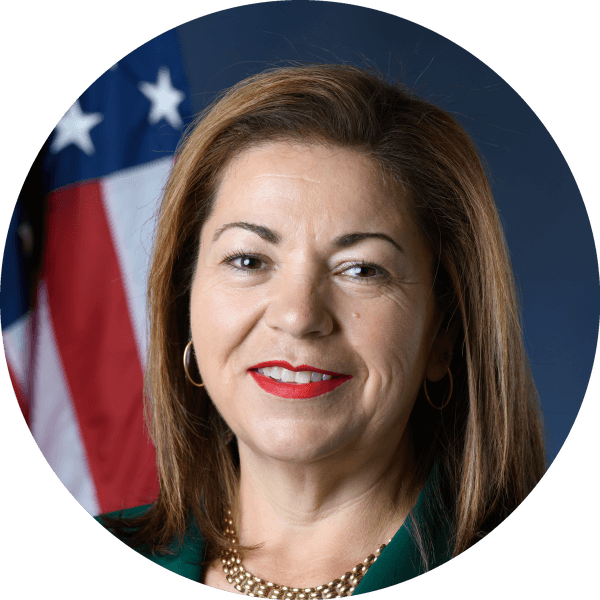
Linda Sánchez
Democrat · CA-38
160 cosponsors want every school to name what bullying looks like
Why it matters
One in five students reports being bullied at school, according to federal surveys — yet there is no national baseline for what a school anti-bullying policy must include. H.R. 1810 would change that by tying federal education grants to specific policy requirements: named protected groups, formal complaint procedures, public incident data, and biennial federal reviews.
H.R. 1810 adds a new part to Title IV of the Elementary and Secondary Education Act. If a state receives covered federal education grants, it would have to require every local school district to adopt policies that prevent and prohibit bullying and harassment.
Those policies cannot be vague. They must list specific protected traits: race, color, national origin, sex, disability, and religion. The bill defines sex to include sexual orientation, gender identity, and sex characteristics, including intersex traits. The bill's findings cite research showing that schools with enumerated policies see higher reporting rates and more teacher intervention, which reduces the overall frequency of incidents.
Beyond the policy language, the bill builds an accountability structure. Districts would have to notify families annually about what conduct is banned, designate officials to receive complaints, and set timelines for resolving them. They would also have to collect school-level data on bullying incidents and publish it publicly — without identifying individual students.
States would submit reports to the U.S. Department of Education every two years. The federal government would conduct its own independent biennial evaluation to measure whether the policies are actually reducing bullying and improving school climate.
The bill does not replace existing civil rights law. It explicitly says it adds to — rather than overrides — protections under Title VI, Title IX, Section 504, and the ADA. It also includes a clause preserving existing First Amendment standards for free speech.
Bill Progress
Latest Action · Mar 3, 2025
Referred to the House Committee on Education and Workforce.
H.R. 1810 Bill Summary
What H.R. 1810 actually does.
Every school district must spell out who is protected
Districts receiving federal Title IV grants would have to adopt anti-bullying policies that specifically name race, color, national origin, sex, disability, and religion as protected categories. The definition of sex includes sexual orientation, gender identity, and intersex traits.
Families get a complaint system with named contacts and deadlines
Districts would have to provide annual notice of banned conduct and create formal grievance procedures identifying the officials who handle complaints and setting timelines for resolution.
Schools must publish bullying data every year
Districts would have to collect annual incident data at each school and make it publicly available at the school and district level, while protecting student privacy so no victims or accused students are identifiable.
States report to Washington every two years
Each state's chief education officer would submit biennial reports to the U.S. Department of Education on how districts are implementing the requirements and whether they are working.
The federal government audits whether it is working
The Education Department would conduct independent biennial evaluations measuring whether anti-bullying policies are reducing incidents, improving school climate, and increasing parent involvement.
Existing civil rights and free speech protections stay intact
The bill adds to rather than replaces protections under Title VI, Title IX, Section 504, and the ADA. It also preserves existing legal standards for freedom of speech and expression.
Who benefits from H.R. 1810?
Students targeted by bullying based on identity
The bill's findings note that students have been particularly singled out based on race, sex, disability, sexual orientation, gender identity, and religion. Named protections in school policy make it easier to report and harder for schools to dismiss complaints as generic misconduct.
LGBTQ+ students in states without enumerated protections
Many state anti-bullying laws do not list sexual orientation or gender identity. This bill would create a federal floor — if your school takes the money, it has to name those groups in its policy.
Parents who have tried to file complaints and hit a wall
Formal grievance procedures with named officials and resolution timelines replace the current situation in many districts where there is no clear path from complaint to action.
Teachers and school staff seeking clearer expectations
The bill's findings cite evidence that enumerated policies increase teacher intervention. Structured procedures give staff a framework for recognizing and responding to incidents.
Who is affected by H.R. 1810?
School districts receiving Title IV grants
They would need to rewrite policies, build complaint systems, assign responsible officials, collect school-level incident data, and publish annual reports — all with administrative costs that come from existing budgets.
State education agencies
States would take on oversight and reporting duties, requiring them to ensure district compliance and submit biennial reports to the federal government.
Students accused of bullying
The bill's findings encourage evidence-based approaches like Positive Behavior Interventions and Supports (PBIS) and restorative practices, rather than suspension and expulsion. Students accused of bullying could face more structured intervention but potentially less exclusionary discipline.
Districts and states opposed to federal oversight of school policy
The bill ties compliance to federal grant money, which means districts that do not adopt conforming policies risk their Title IV funding — a significant pressure point for states that view these requirements as federal overreach.
HR1810 Legislative Journey
House: Committee Action
Mar 3, 2025
Referred to the House Committee on Education and Workforce.
About the Sponsor
Linda Sánchez
Democrat, California's 38th congressional district · 23 years in Congress
Committees: Ways and Means
View full profile →
Cosponsors (218)
This bill has 218 cosponsors: 216 Democrats, 2 Republicans. Cosponsors represent 39 states: Alabama, Arizona, California, and 36 more.
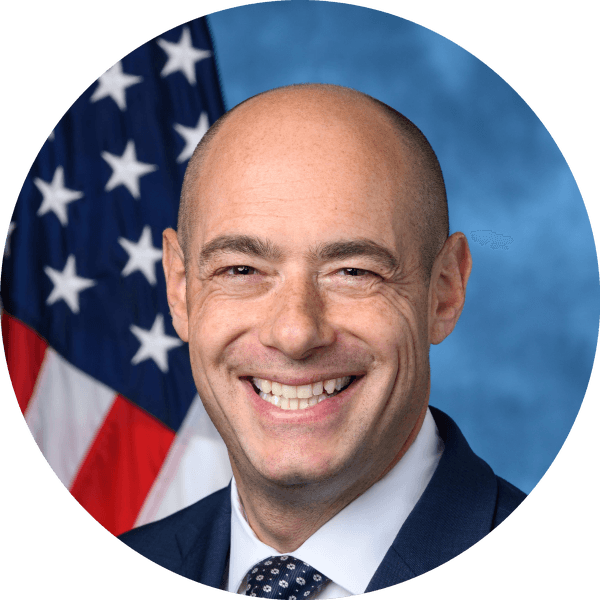
Mark Takano
Democrat · CA
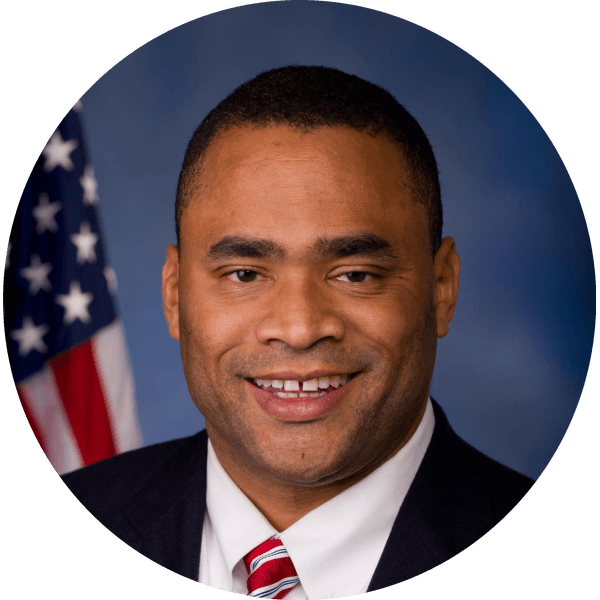
Donald Beyer
Democrat · VA

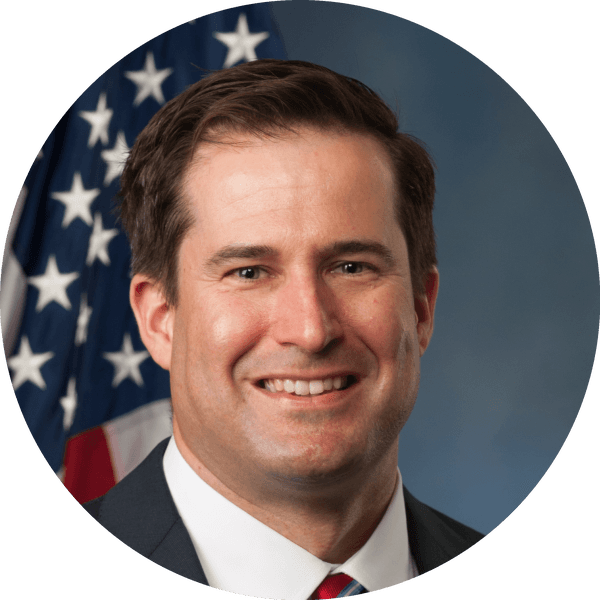
Frank Mrvan
Democrat · IN
Bonnie Watson Coleman
Democrat · NJ
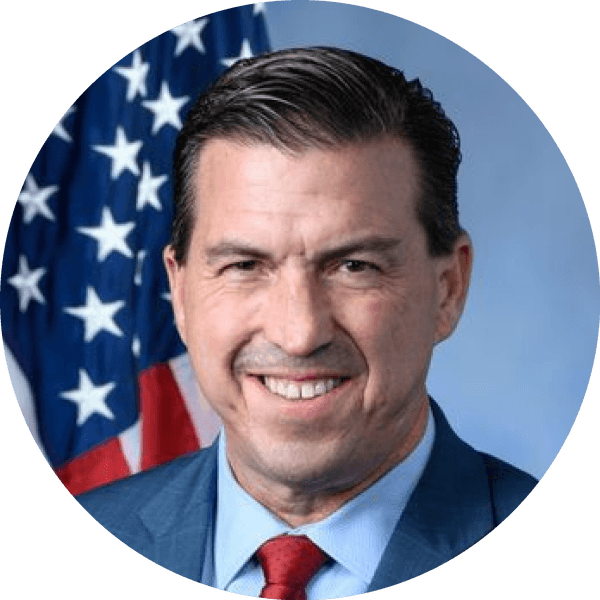
Kevin Mullin
Democrat · CA
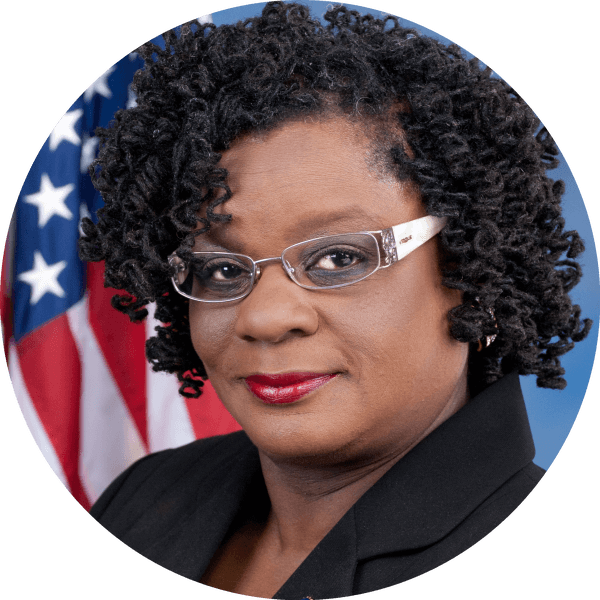
Gwen Moore
Democrat · WI
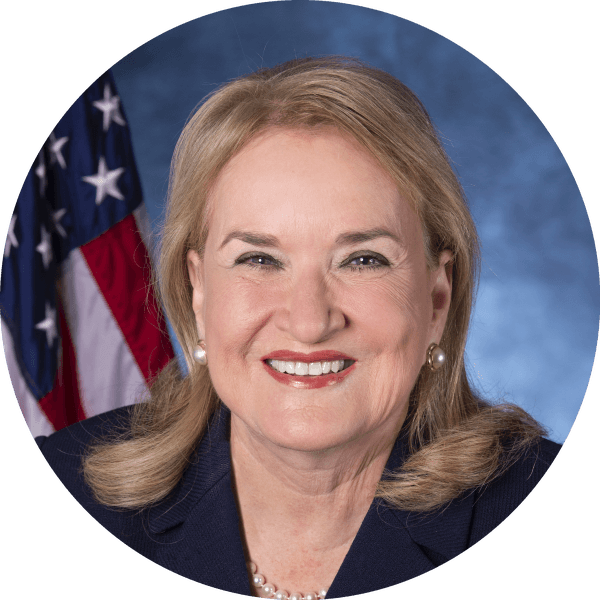
Sylvia Garcia
Democrat · TX

Suzan DelBene
Democrat · WA

Scott Peters
Democrat · CA

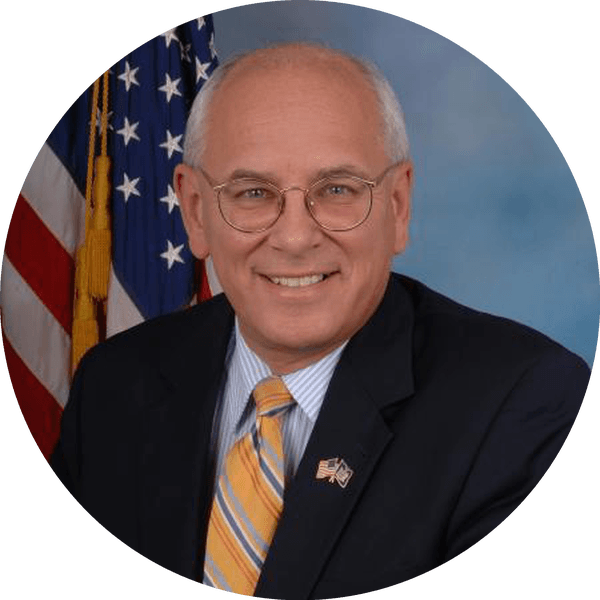
Mary Scanlon
Democrat · PA

Summer Lee
Democrat · PA
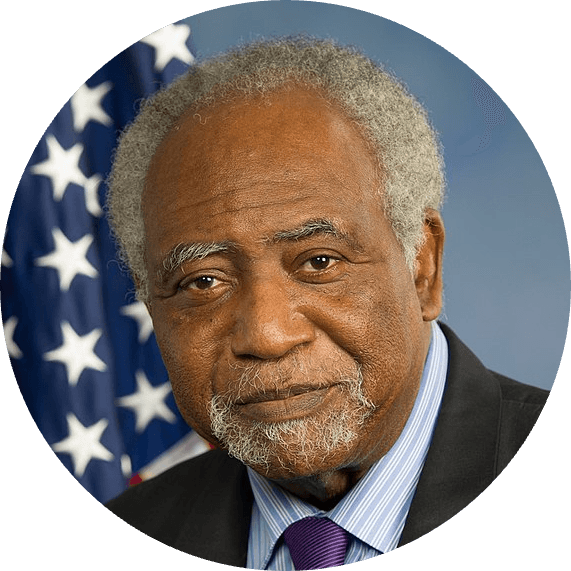
Danny Davis
Democrat · IL
Cosponsor Coverage Map
Committee Sponsors
Education and Workforce Committee
16 of 37 committee members cosponsored


What laws does H.R. 1810 change?
1 changes
Sections Amended
Section 2 of Elementary and Secondary Education Act of 1965
inserting after the item relating to section 4644 the following: ``Part G--Safe Schools Improvement ``Sec
H.R. 1810 Quick Facts
- Committee
- Education and Workforce
- Chamber
- House
- Policy
- Education
- Introduced
- Mar 3, 2025
Referred to the House Committee on Education and Workforce.
Mar 3, 2025
Official Sources
Full text of the Safe Schools Improvement Act as introduced in the 119th Congress
Senate version of the Safe Schools Improvement Act for bicameral tracking
ED hub for civil rights obligations when bullying overlaps with discriminatory harassment
The federal grant program this bill conditions on anti-bullying policy compliance
Existing sex discrimination protections the bill explicitly preserves and supplements
Disability discrimination protections referenced in the bill's savings clause
Federal data showing 19% of students ages 12-18 report being bullied at school
Federal guidance on complaint procedures required under Title IX, Section 504, and the ADA
H.R. 1810 Common Questions
Does the Safe Schools Improvement Act protect LGBTQ+ students?
Yes. H.R. 1810 requires school policies to cover bullying based on sex, which the bill defines to include sexual orientation, gender identity, and sex characteristics, including intersex traits.
Can a student be protected from bullying because of a friend's identity?
Yes. H.R. 1810 covers bullying based on the actual or perceived protected traits of a person the student associates with — not just the student's own identity.
Would schools have to publicly report how often bullying happens?
Yes. Districts would collect annual incident data at each school and publish it publicly at the school and district level — but without identifying any individual students.
Does H.R. 1810 create a formal complaint process for parents?
Yes. Districts would have to establish grievance procedures that name the officials who handle complaints and set timelines for resolving them. Families would receive annual notice of banned conduct.
How often would states report bullying data to the federal government?
Every two years. Each state's chief education officer would submit biennial reports to the U.S. Department of Education on district implementation and results.
Does the Safe Schools Improvement Act replace Title IX or the ADA?
No. H.R. 1810 explicitly says its protections add to rather than replace existing rights under Title VI, Title IX, Section 504, and the ADA.
Does H.R. 1810 change free speech rights at school?
No. The bill includes a clause saying it does not alter existing legal standards for freedom of speech or expression under federal law.
What happens to schools that do not comply with H.R. 1810?
The bill ties compliance to federal Title IV grants. Districts that do not adopt conforming anti-bullying policies risk their eligibility for that federal education funding.
Based on H.R. 1810 bill text
H.R. 1810 Bill Text
“To address and take action to prevent bullying and harassment of students.”
Source: U.S. Government Publishing Office
Get notified when H.R. 1810 moves
Committee votes, floor action, cosponsor changes — straight to your inbox.
Bill alerts + Legisletter's monthly briefing. Unsubscribe anytime.
Education Bills
9 related bills we're tracking
IDEA Full Funding Act


Referred to the House Committee on Education and Workforce.
Apr 2, 2025
Tyler Clementi Higher Education Anti-Harassment Act of 2025



Referred to the House Committee on Education and Workforce.
Sep 18, 2025
REDI Act



Referred to the House Committee on Education and Workforce.
Mar 11, 2025
Department of Education Protection Act


Referred to the House Committee on Education and Workforce.
Jan 15, 2025
Expanding Access to Mental Health Services in Schools Act of 2025

Referred to the House Committee on Education and Workforce.
Jun 30, 2025
Holocaust Education and Antisemitism Lessons Act



Referred to the House Committee on Education and Workforce.
Jan 28, 2025
American Teacher Act
Referred to the House Committee on Education and Workforce.
Mar 10, 2025
Rebuild America’s Schools Act of 2026


Referred to the Committee on Education and Workforce, and in addition to the Committee on Ways and Means, for a period to be subsequently determined by the Speaker, in each case for consideration of such provisions as fall within the jurisdiction of the committee concerned.
Feb 4, 2026
Loan Equity for Advanced Professionals Act

Referred to the House Committee on Education and Workforce.
Dec 10, 2025
Trending Right Now
Bills gaining momentum across Congress
North Platte Canteen Congressional Gold Medal Act


Referred to the House Committee on Financial Services.
Feb 21, 2025
Fit to Serve Act


Referred to the House Committee on Armed Services.
May 21, 2025
ASAP Act



Ordered to be Reported in the Nature of a Substitute by the Yeas and Nays: 40 - 0.
Sep 16, 2026
Tracking Education in Congress? Monitor bills, track cosponsor momentum, and launch advocacy campaigns — all from one advocacy platform.