H.R. 5469: SHINE for Autumn Act of 2025
Sponsor

Young Kim
Republican · CA-40
The U.S. barely tracks why stillbirths happen
Why it matters
When a baby is stillborn, families are often told there may never be an answer — in part because the country has no consistent national system for collecting stillbirth data. H.R. 5469 would authorize $25 million over five years for states to track stillbirths and their risk factors, plus $5 million for HHS to set national reporting standards and publish public guidance. It has drawn 78 bipartisan cosponsors and sits in the House Energy and Commerce Committee.
The bill's full name is the Stillbirth Health Improvement and Education for Autumn Act — named for a child who was stillborn. Its premise is narrow: the country can't study what it doesn't measure. Stillbirth records vary widely from state to state, which makes it hard for researchers to spot patterns or pin down risk factors at a national scale.
To close that gap, the bill lets HHS give grants to states to do the actual data work — running stillbirth surveillance, building local public-health capacity to analyze it, and tracking risk factors and the measurable outcomes tied to them. States could draw on records they already keep, like fetal and infant mortality reviews, rather than starting from scratch. Every grant carries a condition: the data has to be stripped of anything that could identify a patient or their doctor.
The second piece is national consistency. HHS would issue guidelines telling state health departments and vital-records offices how to collect stillbirth information — including, only with the mother's consent, clinical history, autopsy findings, and placental pathology — and how to train staff so records are complete and comparable. HHS would also build public education materials and consult doctors, nurses, statisticians, bereavement groups, and parents who have lived through a stillbirth.
What the bill does not do is create any new treatment, coverage, or benefit. It funds records, standards, and awareness — not care. Within five years of enactment, HHS would have to publish a public report pulling together the guidelines and educational materials. The payoff, if there is one, is slow by design: better records first, better research later, and clearer answers for families only over time.
Bill Progress
Latest Action · Sep 18, 2025
Referred to the House Committee on Energy and Commerce.
H.R. 5469 Bill Summary
What H.R. 5469 actually does.
States get money to count stillbirths and their risk factors
HHS could award grants to states to run stillbirth surveillance, collect data, build local public-health capacity to analyze it, and report on risk factors and the measurable outcomes tied to them — including from records states already keep, like fetal and infant mortality reviews.
Records get stripped of identifying details
As a condition of funding, all collected data must be deidentified, with no disclosure of information that could identify a patient or their health care provider, and handled consistent with federal and state privacy law.
One national standard for how stillbirths are recorded
HHS would issue guidelines to state health departments and vital-records offices on how to collect stillbirth data and train staff, so records are standardized and complete across states.
Clinical detail collected only with the mother's consent
The guidelines cover gathering clinical history, postmortem findings, and placental pathology from providers — but only with the consent of the woman who experienced the stillbirth.
Public education materials on stillbirth
HHS would develop and publicly release educational awareness materials on stillbirths and their risk factors.
A public report within five years
No later than five years after enactment, HHS must publish a public report compiling the guidelines and educational materials it developed.
Who benefits from H.R. 5469?
Families who experience a stillbirth
Better records won't change what happened, but over time they could turn 'we may never know' into an explanation — and clearer information about what raised the risk.
State health departments and vital-records offices
They could draw federal grant money and a national playbook to upgrade how they collect, analyze, and report stillbirth data — work many can't fund on their own today.
Researchers studying pregnancy loss
Standardized, comparable data across states is the raw material they currently lack. It's the difference between scattered local snapshots and a national picture they can actually study.
Doctors, nurses, and midwives
Clearer reporting standards and HHS education materials give them better tools to counsel families and document what happened consistently.
Who is affected by H.R. 5469?
Pregnant patients and their families
Participation is voluntary. With consent, a patient could allow clinical details — history, autopsy findings, placental pathology — to be used for stillbirth records and research; without consent, that detail isn't collected.
Health care providers
Providers in participating states may face new expectations for what stillbirth information they submit and how they document it.
State governments
States choose whether to apply. Those that do may need to upgrade data systems, retrain staff, and change reporting practices to meet the federal guidelines.
HHS and federal public health agencies
The department would have to write the guidelines, run the grant program, build public education materials, consult dozens of stakeholder groups, and publish the five-year report.
Cost & Funding
Authorization
$6 million a year for FY2026 through FY2030 — $30 million total authorized
- $5 million a year ($25 million over five years) goes to state grants for stillbirth surveillance, data collection, and risk-factor work.
- $1 million a year ($5 million over five years) goes to HHS for the national guidelines and public education materials.
- These are authorizations, not appropriations. Congress would still have to fund the money each year for any of it to flow.
HR5469 Legislative Journey
House: Committee Action
Sep 18, 2025
Referred to the House Committee on Energy and Commerce.
About the Sponsor
Young Kim
Republican, California's 40th congressional district · 5 years in Congress
Committees: Foreign Affairs, House Select Committee on the Strategic Competition Between the United States and the Chinese Communist Party, Financial Services
View full profile →
Cosponsors (108)
This bill has 108 cosponsors: 76 Democrats, 32 Republicans, reflecting bipartisan support. Cosponsors represent 33 states: Arizona, California, Colorado, and 30 more.

Kathy Castor
Democrat · FL

Robin Kelly
Democrat · IL

David Joyce
Republican · OH

David Valadao
Republican · CA

Zachary Nunn
Republican · IA

Mike Carey
Republican · OH
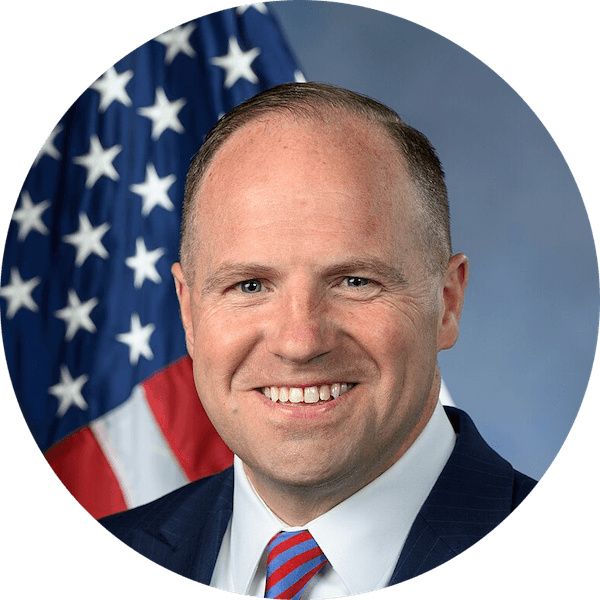
Timothy Kennedy
Democrat · NY

Paul Tonko
Democrat · NY
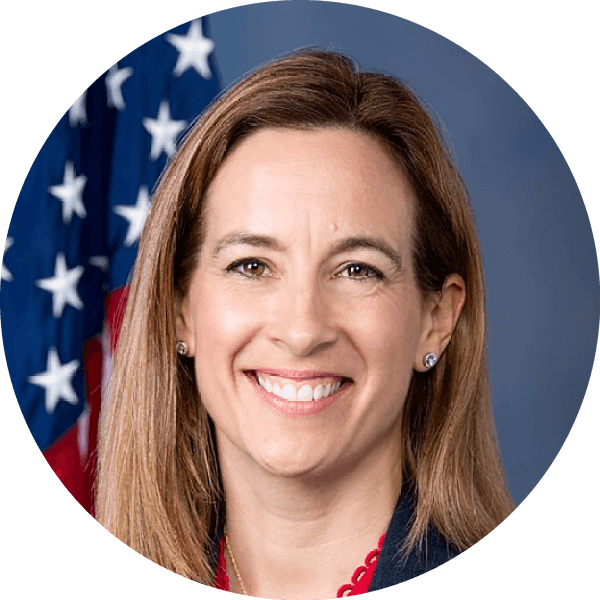
Mikie Sherrill
Democrat · NJ

Ashley Hinson
Republican · IA

Bonnie Watson Coleman
Democrat · NJ

Becca Balint
Democrat · VT
Cosponsor Coverage Map
Committee Sponsors
Energy and Commerce Committee
22 of 54 committee members cosponsored


23 Republicans across this committee haven't cosponsored yet. Mobilize their constituents
H.R. 5469 Quick Facts
- Committee
- Energy and Commerce
- Chamber
- House
- Policy
- Health
- Introduced
- Sep 18, 2025
Referred to the House Committee on Energy and Commerce.
Sep 18, 2025
Official Sources
H.R. 5469 Common Questions
What does the SHINE for Autumn Act actually do?
H.R. 5469 funds two things: grants to states to collect better stillbirth data, and HHS work to set national reporting standards and public education materials. It pays for research and records — not new treatment or coverage.
How much money does H.R. 5469 authorize?
$6 million a year from FY2026 through FY2030 — $30 million total. Of that, $5 million a year goes to state data grants and $1 million a year to federal guidelines and education materials.
Is the funding guaranteed if the bill passes?
No. These are authorizations, not appropriations. Congress would still have to actually fund the money each year, and similar stillbirth bills have stalled at that stage before.
Does the bill require my consent before collecting my stillbirth information?
Yes. The HHS guidelines direct that clinical detail — history, postmortem findings, placental pathology — be collected from providers only with the consent of the woman who experienced the stillbirth.
Is my personal information protected in stillbirth records?
Yes. Any state receiving grant money must deidentify all collected data. It can't disclose information that identifies a patient or their health care provider, and must follow federal and state privacy law.
What stillbirth data would states collect under H.R. 5469?
Surveillance data on stillbirths and their risk factors, plus measurable outcomes tied to those risks. States can build on records they already keep, like fetal and infant mortality reviews.
Why does the U.S. need a law just to collect this data?
Stillbirth reporting varies widely from state to state, so researchers can't reliably compare it or spot national patterns. The bill's goal is standardized, complete records that make that research possible.
When would the public see results from this bill?
Slowly. HHS has up to five years after enactment to publish a public report with its guidelines and education materials. Better prevention, if it comes, would follow the better data over time.
Based on H.R. 5469 bill text
H.R. 5469 Bill Text
“To improve research and data collection on stillbirths, and for other purposes.”
Source: U.S. Government Publishing Office
Get notified when H.R. 5469 moves
Committee votes, floor action, cosponsor changes — straight to your inbox.
Bill alerts + Legisletter's monthly briefing. Unsubscribe anytime.
Health Bills
9 related bills we're tracking
Nancy Gardner Sewell Medicare Multi-Cancer Early Detection Screening Coverage Act





Reported (Amended) by the Committee on Ways and Means. H. Rept. 119-333, Part I.
Oct 3, 2025
Mikaela Naylon Give Kids a Chance Act





Received in the Senate.
Dec 2, 2025
Improving Seniors’ Timely Access to Care Act of 2025




Ordered to be Reported in the Nature of a Substitute by the Yeas and Nays: 42 - 0.
Jul 15, 2026
CONNECT for Health Act of 2025





Referred to the Committee on Energy and Commerce, and in addition to the Committee on Ways and Means, for a period to be subsequently determined by the Speaker, in each case for consideration of such provisions as fall within the jurisdiction of the committee concerned.
Jun 26, 2025
ASAP Act



Ordered to be Reported in the Nature of a Substitute by the Yeas and Nays: 40 - 0.
Sep 16, 2026
Momnibus Act




Referred to the Subcommittee on Health.
Apr 20, 2026
Ensuring Lasting Smiles Act



Referred to the Committee on Energy and Commerce, and in addition to the Committees on Education and Workforce, and Ways and Means, for a period to be subsequently determined by the Speaker, in each case for consideration of such provisions as fall within the jurisdiction of the committee concerned.
May 8, 2025
Right to Contraception Act




Referred to the House Committee on Energy and Commerce.
Feb 5, 2025
Women’s Health Protection Act of 2025



Referred to the Committee on Energy and Commerce, and in addition to the Committee on the Judiciary, for a period to be subsequently determined by the Speaker, in each case for consideration of such provisions as fall within the jurisdiction of the committee concerned.
Jun 24, 2025
Trending Right Now
Bills gaining momentum across Congress
North Platte Canteen Congressional Gold Medal Act



Referred to the House Committee on Financial Services.
Feb 21, 2025
Fit to Serve Act




Referred to the House Committee on Armed Services.
May 21, 2025
Accelerating Access to Critical Therapies for ALS Reauthorization Act of 2026




Message on Senate action sent to the House.
Oct 14, 2026
Tracking Health in Congress? Monitor bills, track cosponsor momentum, and launch advocacy campaigns — all from one advocacy platform.