H.R. 3868: Enhanced Background Checks Act of 2025
Sponsor

James Clyburn
Democrat · SC-6
A stalled background check shouldn't end in a gun sale
Why it matters
Right now a licensed dealer can hand over a firearm after 3 business days if the FBI background check hasn't come back — approved, denied, or otherwise. H.R. 3868 stretches that to 10 business days, then requires the buyer to file a petition and wait up to 10 more. Gun-safety groups call the current 3-day default the Charleston loophole; sponsor Rep. Jim Clyburn of South Carolina has tied the bill to the 2015 church shooting in his home state, where the FBI later acknowledged the check on the gunman's purchase was not finished in time.
Federal law already requires a background check for any sale by a licensed dealer. What most buyers never see is the fallback rule: if the FBI's system reports neither a pass nor a fail within 3 business days, the dealer may go ahead with the transfer anyway. The FBI keeps working the file, but the gun may already be out the door.
H.R. 3868 replaces that 3-day default with a two-step wait that can run 20 business days before a dealer may complete an unresolved sale. First, 10 business days must pass with no notice that the buyer is prohibited under federal, state, local, or Tribal law. Then the buyer has to file a petition, online through a Justice Department website or by first-class mail, certifying they have no reason to believe they are barred from owning a gun. Only if 10 more business days pass without a prohibition notice can the dealer finish the transfer.
The petition route is limited to buyers 21 and older. Younger buyers whose checks stall get no default path to the sale at all. The Attorney General must build the form and website, confirm receipt to both buyer and dealer, and answer petitions on an expedited basis. The bill also strips out a current limit that caps how long the system can hold a check at 10 business days.
Dealers who get a clean answer keep it longer. A lawful-transfer notice received after day 3 stays valid for 25 more calendar days, or 30 from the original check, whichever is later. A buyer who clears the petition window before the records are purged gives the dealer another 25 calendar days to complete the sale.
Every part of the new process gets measured. GAO must report at the 1-, 3-, and 5-year marks on whether the delay actually kept guns from prohibited buyers. The FBI must publish annual state-by-state counts of petitions, how many petitioners turned out to be ineligible during the window versus after it, and how many denied petitioners were prosecuted within a year. Within 150 days of enactment the Attorney General must report on any effect on victims of domestic violence, dating partner violence, sexual assault, and stalking, and the Justice Department's Inspector General must count how many denied transfers were referred to ATF for investigation.
Bill Progress
Latest Action · Jun 10, 2025
Referred to the House Committee on the Judiciary.
H.R. 3868 Bill Summary
What H.R. 3868 actually does.
The 3-day default sale becomes a 10-day wait
Under current law a dealer may complete a transfer once 3 business days pass without a response from the background check system. H.R. 3868 raises that to 10 business days, counted as days when state offices are open, and adds a petition step before any unresolved sale can go through.
Buyers must ask in writing, then wait 10 more days
After the first 10 business days, the buyer files a petition online or by first-class mail certifying they have no reason to believe they are prohibited. The dealer may complete the sale only if 10 more business days pass, measured from the filing date or postmark, with no notice that the transfer would break federal, state, local, or Tribal law.
No default sale for buyers under 21
The petition pathway is available only to buyers who have reached age 21. A younger buyer whose check stalls has no route to complete the purchase until the system actually responds.
Justice Department must run the petition system on an expedited basis
The Attorney General must create the petition form, publish it online, send it to every licensed dealer, confirm receipt to both buyer and dealer, and respond to petitions on an expedited basis. The bill also removes a current 10-business-day cap on how long the system may hold a check.
Dealers can rely on a clean answer for 25 to 30 days
If the system reports the sale is lawful after day 3, the dealer may rely on that answer for the longer of 25 more calendar days or 30 days from the original check. A buyer who satisfies the petition rules before the records are destroyed gives the dealer another 25 calendar days.
Four separate reports test whether the wait works
GAO reports at 1, 3, and 5 years on whether the process stopped transfers to prohibited people. The FBI publishes annual state-by-state petition data, including buyers found ineligible after the window closed and denied petitioners prosecuted within 12 months. The Attorney General reports within 150 days on effects on domestic violence and stalking victims, and the DOJ Inspector General reports within 90 days on denied transfers referred to ATF.
Who benefits from H.R. 3868?
People the check would have flagged on day 4 or later
The FBI runs tens of millions of checks a year, and the small share that stall are the cases where records are incomplete or scattered across jurisdictions. The bill's premise is that giving investigators 10 to 20 business days instead of 3 catches prohibited buyers before the gun leaves the store rather than after.
Victims of domestic violence and stalking
Protective orders and misdemeanor domestic violence convictions are among the records most likely to be missing or delayed in the system. The bill singles this group out, requiring the Attorney General to report within 150 days, in consultation with the National Resource Center on Domestic Violence and Firearms, on whether the longer wait changes their safety.
Licensed dealers who want a clear rule
Stores get defined windows: a lawful-transfer answer stays good for 25 to 30 days, a completed petition adds another 25, and every step is written down. That replaces judgment calls about a sale the FBI never finished reviewing.
Researchers and lawmakers
Today there is no public accounting of how many default-proceed sales later turn out to involve prohibited buyers. The annual FBI report would publish that number by state, along with how many denied petitioners were prosecuted.
Who is affected by H.R. 3868?
Lawful buyers whose checks stall
Buyers 21 and older who currently wait 3 business days would wait at least 10, and up to 20 if the system stays silent. They also take on a new task: filing a petition and certifying under their own name that they have no reason to believe they are prohibited.
Buyers under 21
They are excluded from the petition route entirely. If their check is delayed, the dealer cannot complete the sale until the system answers, however long that takes.
The FBI and Justice Department
They must build the petition form, website, and notice system, process petitions on an expedited basis, and publish annual state-level data. The bill authorizes no new money for any of it.
Licensed gun dealers
Dealers must track two separate clocks and a petition filing before completing any delayed sale, and must hold inventory for buyers who are waiting. A default-proceed sale completed on day 4 under today's rules would be illegal under the new ones.
HR3868 Legislative Journey
House: Committee Action
Jun 10, 2025
Referred to the House Committee on the Judiciary.
About the Sponsor
James Clyburn
Democrat, South Carolina's 6th congressional district · 33 years in Congress
Committees: Appropriations
View full profile →
Cosponsors (135)
All 135 cosponsors are Democrats. Cosponsors represent 34 states: Alabama, Arizona, California, and 31 more.

Gabe Amo
Democrat · RI

Yassamin Ansari
Democrat · AZ

Jake Auchincloss
Democrat · MA

Nanette Barragán
Democrat · CA

Joyce Beatty
Democrat · OH

Wesley Bell
Democrat · MO
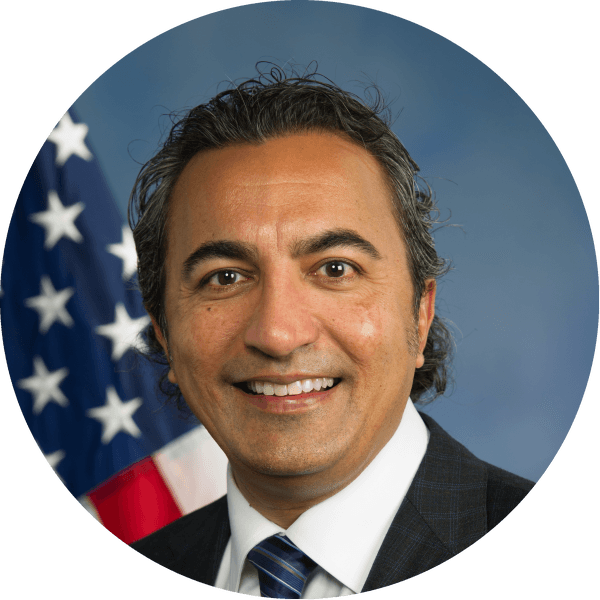
Ami Bera
Democrat · CA

Donald Beyer
Democrat · VA

Brendan Boyle
Democrat · PA

Shontel Brown
Democrat · OH

Julia Brownley
Democrat · CA

Sean Casten
Democrat · IL
Cosponsor Coverage Map
Committee Sponsors
Judiciary Committee
12 of 44 committee members cosponsored


7 Democrats across this committee haven't cosponsored yet. Mobilize their constituents
H.R. 3868 Quick Facts
- Committee
- Judiciary
- Chamber
- House
- Policy
- Crime and Law Enforcement
- Introduced
- Jun 10, 2025
Referred to the House Committee on the Judiciary.
Jun 10, 2025
Official Sources
Official bill page with text, status, cosponsors, and committee actions for the Enhanced Background Checks Act of 2025.
The bill rewrites section 922(t), the provision that currently lets a dealer complete a sale after 3 business days without an answer from the background check system.
Section 103 of the Brady Act, codified here, created NICS; the bill strikes the 10-business-day ceiling in subsection (l) on enhanced checks for buyers under 21.
The FBI system that answers dealer background checks and would receive, log, and report on the petitions the bill creates.
GAO found about 6,700 firearms went to buyers with prohibiting domestic violence records between 2006 and 2015 because the FBI had not answered within 3 business days.
The Inspector General reviewed how the FBI and ATF handle denials, including delayed denials, and cited the Charleston purchase as a failure of timely records.
Baseline for the bill's required reporting on prosecutions: GAO found only 12 of roughly 112,000 denied buyers were prosecuted in fiscal 2017.
The 2022 law that created the enhanced under-21 check whose 10-business-day cap this bill removes.
H.R. 3868 Common Questions
What is the Charleston loophole H.R. 3868 is meant to close?
Under current law, if the FBI background check hasn't returned an answer within 3 business days, the dealer may complete the sale anyway. The name comes from the 2015 Charleston church shooting, where the FBI later said the gunman's check was not finished in time.
How long would you wait for a delayed gun purchase under H.R. 3868?
At least 10 business days, and up to 20. After the first 10 pass with no answer, you file a petition. The dealer can complete the sale only if 10 more business days pass and the system still hasn't said you're prohibited.
Does the sale go through automatically after 10 business days?
No. You have to file a petition, online through a Justice Department website or by first-class mail, certifying you have no reason to believe you're barred from owning a gun. The second 10-day clock starts from that filing or postmark.
Can buyers under 21 use the petition process?
No. The petition route applies only to buyers who have reached age 21. If a younger buyer's check stalls, the dealer cannot complete the sale until the system actually responds.
Does H.R. 3868 change how long a dealer can rely on an approved check?
Yes. If the system says the sale is lawful after day 3, the dealer can rely on that for 25 more calendar days or 30 days from the original check, whichever is later. A completed petition gives the dealer another 25 days.
How would anyone know if the longer wait actually works?
The FBI would publish yearly state-by-state counts of petitions, buyers found ineligible during and after the window, and denied petitioners prosecuted within 12 months. GAO reports at 1, 3, and 5 years on whether the process kept guns from prohibited buyers.
Has the Enhanced Background Checks Act passed before?
The House passed earlier versions in 2019 and 2021, and both stalled in the Senate. The 2025 bill from Rep. Jim Clyburn has 135 cosponsors and is in the House Judiciary Committee.
When would H.R. 3868 take effect?
210 days after it becomes law, about seven months, to give the Justice Department time to build the petition form, website, and notice system.
Based on H.R. 3868 bill text
H.R. 3868 Bill Text
“To amend chapter 44 of title 18, United States Code, to strengthen the background check procedures to be followed before a Federal firearms licensee may transfer a firearm to a person who is not such a licensee.”
Source: U.S. Government Publishing Office
Get notified when H.R. 3868 moves
Committee votes, floor action, cosponsor changes — straight to your inbox.
Bill alerts + Legisletter's monthly briefing. Unsubscribe anytime.
Crime and Law Enforcement Bills
9 related bills we're tracking
Crime Victims Fund Stabilization Act of 2025





Received in the Senate and Read twice and referred to the Committee on the Judiciary.
Jan 13, 2026
Bipartisan Background Checks Act of 2025
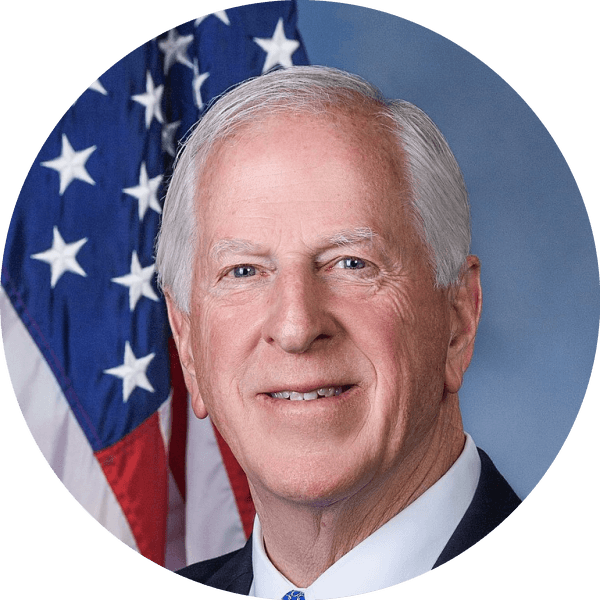

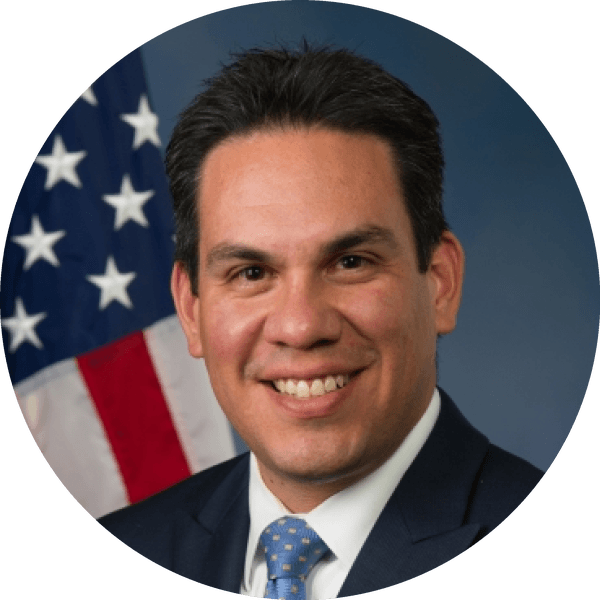
Referred to the House Committee on the Judiciary.
Jun 10, 2025
Combating Organized Retail Crime Act of 2025





Received in the Senate and Read twice and referred to the Committee on the Judiciary.
May 13, 2026
Ethan's Law



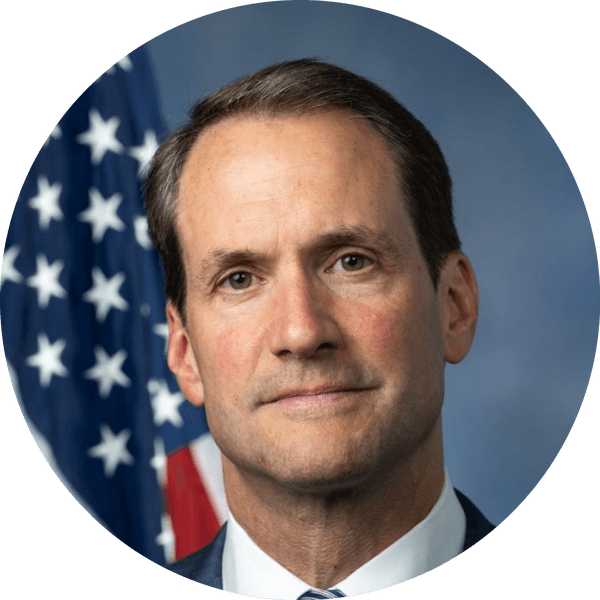

Referred to the House Committee on the Judiciary.
Feb 25, 2025
Assault Weapons Ban of 2025


Referred to the House Committee on the Judiciary.
Apr 30, 2025
Constitutional Concealed Carry Reciprocity Act of 2025





Placed on the Union Calendar, Calendar No. 289.
Oct 3, 2025
Honoring Our Fallen Heroes Act of 2025


Referred to the House Committee on the Judiciary.
Feb 12, 2025
Raise the Age Act of 2025


Referred to the House Committee on the Judiciary.
Mar 26, 2025
Born-Alive Abortion Survivors Protection Act


Received in the Senate and Read twice and referred to the Committee on the Judiciary.
Jan 24, 2025
Trending Right Now
Bills gaining momentum across Congress
North Platte Canteen Congressional Gold Medal Act




Referred to the House Committee on Financial Services.
Feb 21, 2025
Fit to Serve Act




Referred to the House Committee on Armed Services.
May 21, 2025
ASAP Act




Ordered to be Reported in the Nature of a Substitute by the Yeas and Nays: 40 - 0.
Sep 16, 2026
Tracking Crime and Law Enforcement in Congress? Monitor bills, track cosponsor momentum, and launch advocacy campaigns — all from one advocacy platform.