H.R. 38: Constitutional Concealed Carry Reciprocity Act of 2025
Sponsor

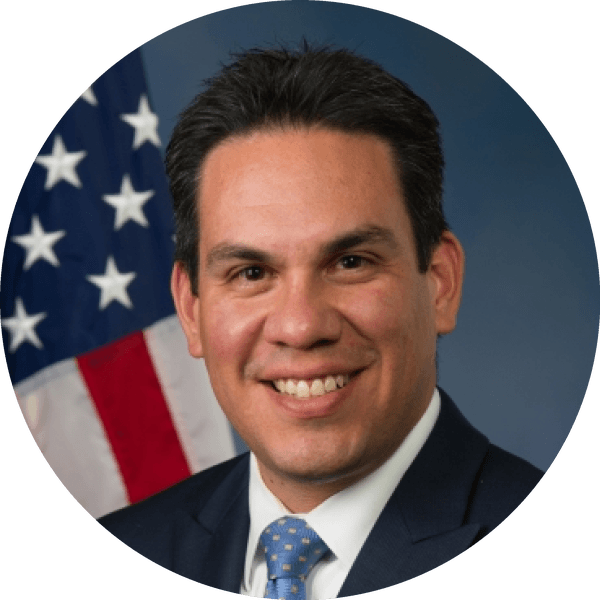
Richard Hudson
Republican · NC-9
Your carry permit would follow you across state lines
Why it matters
189 cosponsors are behind a bill that would let many concealed-carry gun owners keep that status when they cross into another state, with the change kicking in just 90 days after enactment. It would also narrow when police can detain a carrier and force states to pay attorney's fees when they lose in court.
H.R. 38 would let many people who can legally carry concealed at home do the same in other states. To qualify, you'd need valid photo ID, you couldn't be barred by federal law from having a firearm, and you'd need either a valid concealed-carry permit or the legal authority to carry in your home state.
The rule reaches states that issue carry permits and states that don't ban concealed carry for lawful purposes. It covers concealed handguns, including any magazine and the ammunition loaded into them. It does not cover machine guns or destructive devices.
It also changes what happens during a stop. Police couldn't arrest or detain you over carry-related state or local rules unless they have probable cause to believe you don't qualify. Show facially valid documents, and the bill treats that as initial proof that you do.
Raise the law as a defense in a criminal case, and prosecutors would have to prove beyond a reasonable doubt that you weren't covered. Win, and the court must award your attorney's fees. The bill also lets people sue states or local governments for damages when they're denied a right it creates, again with attorney's fees for prevailing plaintiffs.
The bill goes beyond ordinary street carry. It says qualifying carriers wouldn't be subject to the federal gun-free school zone ban, and could carry in public areas of six federal land systems: national parks, wildlife refuges, Bureau of Land Management land, Army Corps land, Bureau of Reclamation land, and Forest Service land.
States would keep some ground. The bill doesn't override private property rules, and it lets states and local governments keep firearm restrictions on their own property, buildings, installations, and bases.
Bill Progress
Latest Action · Oct 3, 2025
Placed on House floor schedule, Calendar No. 289.
H.R. 38 Bill Summary
What H.R. 38 actually does.
Your home-state carry status travels with you
If you're not barred by federal law from having a firearm, carry valid photo ID, and either hold a concealed-carry permit or are legally allowed to carry in your home state, H.R. 38 would let you carry concealed in many other states.
Permitless-carry residents are included
The bill isn't limited to permit holders. If your home state lets you carry concealed without a separate permit, that home-state status could also qualify you for interstate carry under H.R. 38.
Police would face a higher bar to detain you
State and local officers couldn't arrest or detain someone over carry-related rules unless they have probable cause to believe the person doesn't meet the bill's conditions. Showing facially valid documents counts as initial proof of compliance.
Winning in court could bring attorney's fees
If a person successfully uses H.R. 38 as a defense in a criminal case, the court must award reasonable attorney's fees. A plaintiff who wins a civil suit under the bill would also receive damages or other relief, including attorney's fees.
Carry rights would extend to school zones and federal lands
The bill says qualifying carriers wouldn't be subject to the federal gun-free school zone ban, and could carry in public areas of national parks, wildlife refuges, Bureau of Land Management land, Army Corps land, Bureau of Reclamation land, and Forest Service land.
States keep some no-carry spaces
H.R. 38 wouldn't override rules set by private property owners. It also lets states and local governments keep firearm restrictions on their own property, buildings, installations, and bases.
Who benefits from H.R. 38?
People who carry when they travel
If you can legally carry concealed where you live, H.R. 38 would let you drive or fly across state lines without losing that status the moment you enter a stricter state.
Residents of permitless-carry states
You wouldn't necessarily need a separate permit to benefit. The bill says people otherwise entitled to carry in their home state could also qualify for interstate carry.
Gun owners visiting federal public lands
Qualifying carriers could bring concealed handguns into public areas of six federal land systems named in the bill, including national parks and Forest Service land.
People arrested or blocked despite qualifying
The bill creates both a criminal defense and a civil claim. If you successfully defend yourself in court or win a lawsuit, the court must award reasonable attorney's fees.
Who is affected by H.R. 38?
States with stricter visitor carry rules
States that now refuse to recognize many out-of-state carriers would have to allow qualifying nonresidents to carry concealed if the state issues permits or otherwise allows concealed carry for lawful purposes.
State and local police
Officers would need probable cause to believe a person isn't covered before making a carry-related arrest or detention. That's a narrower enforcement window than some states use now.
Prosecutors and local governments
If H.R. 38 is raised as a defense, prosecutors would carry the burden of disproving eligibility beyond a reasonable doubt. States and local governments could also face damages claims and attorney's fees in civil suits.
Property owners and public building managers
These groups could still keep or enforce many location-based restrictions. The bill leaves private-property rules intact and preserves firearm restrictions on state and local government property.
HR38 Legislative Journey
House: Committee Action
Oct 3, 2025
Reported (Amended) by the Committee on Judiciary. H. Rept. 119-337.
House: Vote: 18-9
Mar 25, 2025
Ordered to be Reported (Amended) by the Yeas and Nays: 18 - 9.
House: Committee Action
Jan 3, 2025
Referred to the House Committee on the Judiciary.
About the Sponsor
Richard Hudson
Republican, North Carolina's 9th congressional district · 13 years in Congress
Committees: Energy and Commerce
View full profile →
Cosponsors (189)
This bill has 189 cosponsors: 1 Democrat, 188 Republicans. Cosponsors represent 42 states: Alaska, Alabama, Arkansas, and 39 more.

Gregory Murphy
Republican · NC

Kevin Hern
Republican · OK

Ronny Jackson
Republican · TX

Andrew Clyde
Republican · GA

Kat Cammack
Republican · FL

Dan Crenshaw
Republican · TX

Pat Harrigan
Republican · NC

August Pfluger
Republican · TX

Jake Ellzey
Republican · TX

Claudia Tenney
Republican · NY

Aaron Bean
Republican · FL

Doug LaMalfa
Republican · CA
Cosponsor Coverage Map
Committee Sponsors
Judiciary Committee
21 of 44 committee members cosponsored


3 Republicans across this committee haven't cosponsored yet. Mobilize their constituents
H.R. 38 Quick Facts
- Committee
- Judiciary
- Chamber
- House
- Policy
- Crime and Law Enforcement
- Introduced
- Jan 3, 2025
Placed on House floor schedule, Calendar No. 289.
Oct 3, 2025
Official Sources
Official bill page with text, sponsors, actions, and status for the Constitutional Concealed Carry Reciprocity Act of 2025.
The bill amends Chapter 44 of title 18, the federal firearms chapter where the new reciprocity section would be inserted.
This section contains the federal gun-free school zones provision in subsection 922(q), which the bill says qualifying carriers would not be subject to.
Sets the existing federal ban on firearms in federal facilities, the kind of government-property restriction the bill leaves in place.
Explains current firearms rules in national parks, one of the federal land systems specifically named in the bill.
BLM manages one of the public land categories named in the bill, and this page outlines firearms-related recreation rules on BLM land.
National Forest System land is one of the six federal land systems named in the bill, and this page covers current firearms and target-shooting rules there.
H.R. 38 Common Questions
Would H.R. 38 let you carry concealed in every state?
Not automatically. It would cover many states, but you still have to meet the bill's eligibility rules, and private property and some state or local government buildings could still ban carry.
What would you need to carry across state lines under H.R. 38?
Valid photo ID, no federal bar on owning a firearm, and either a valid concealed-carry permit or the legal authority to carry concealed in your home state.
Does H.R. 38 cover people from permitless-carry states?
Yes. The bill says you can qualify either with a permit or by being otherwise entitled to carry a concealed firearm in the state where you live.
Could police still detain you if you show valid carry documents?
Only if they have probable cause to believe you don't qualify. H.R. 38 says facially valid documents count as initial proof that you're covered.
Could you sue a state or city for violating H.R. 38?
Yes. The bill says someone denied a right it creates could sue a state, local government, or other person for damages or other appropriate relief.
Would H.R. 38 pay your attorney's fees if you win?
Yes. If you successfully use the law as a criminal defense, or win a civil case under the bill, the court must award reasonable attorney's fees.
Would H.R. 38 change carry rules in school zones or national parks?
Yes. The bill says qualifying carriers wouldn't be subject to the federal gun-free school zone ban, and could carry in public areas of national parks, wildlife refuges, and other listed federal lands.
How fast would H.R. 38 take effect?
The bill says its changes would start 90 days after enactment, leaving states, police, and courts a short window to adjust.
Based on H.R. 38 bill text
H.R. 38 Bill Text
“To amend title 18, United States Code, to provide a means by which nonresidents of a State whose residents may carry concealed firearms may also do so in the State.”
Source: U.S. Government Publishing Office
Get notified when H.R. 38 moves
Committee votes, floor action, cosponsor changes — straight to your inbox.
Bill alerts + Legisletter's monthly briefing. Unsubscribe anytime.
Crime and Law Enforcement Bills
9 related bills we're tracking
Crime Victims Fund Stabilization Act of 2025





Received in the Senate and Read twice and referred to the Committee on the Judiciary.
Jan 13, 2026
Bipartisan Background Checks Act of 2025




Referred to the House Committee on the Judiciary.
Jun 10, 2025
Combating Organized Retail Crime Act of 2025





Received in the Senate and Read twice and referred to the Committee on the Judiciary.
May 13, 2026
Ethan's Law





Referred to the House Committee on the Judiciary.
Feb 25, 2025
Assault Weapons Ban of 2025



Referred to the House Committee on the Judiciary.
Apr 30, 2025
Honoring Our Fallen Heroes Act of 2025



Referred to the House Committee on the Judiciary.
Feb 12, 2025
Raise the Age Act of 2025


Referred to the House Committee on the Judiciary.
Mar 26, 2025
Born-Alive Abortion Survivors Protection Act


Received in the Senate and Read twice and referred to the Committee on the Judiciary.
Jan 24, 2025
Closing the Bump Stock Loophole Act of 2025



Referred to the Committee on the Judiciary, and in addition to the Committee on Ways and Means, for a period to be subsequently determined by the Speaker, in each case for consideration of such provisions as fall within the jurisdiction of the committee concerned.
Apr 9, 2025
Trending Right Now
Bills gaining momentum across Congress
ASAP Act





Ordered to be Reported in the Nature of a Substitute by the Yeas and Nays: 40 - 0.
Sep 16, 2026
Fit to Serve Act





Referred to the House Committee on Armed Services.
May 21, 2025
America’s Olympic and Paralympic Games Commemorative Coins Act





Referred to the House Committee on Financial Services.
Jul 14, 2025
Tracking Crime and Law Enforcement in Congress? Monitor bills, track cosponsor momentum, and launch advocacy campaigns — all from one advocacy platform.