H.R. 1509: Accelerating Kids’ Access to Care Act of 2025
Enacted as part of HR7148: Consolidated Appropriations Act, 2026· Feb 3, 2026
Sponsor
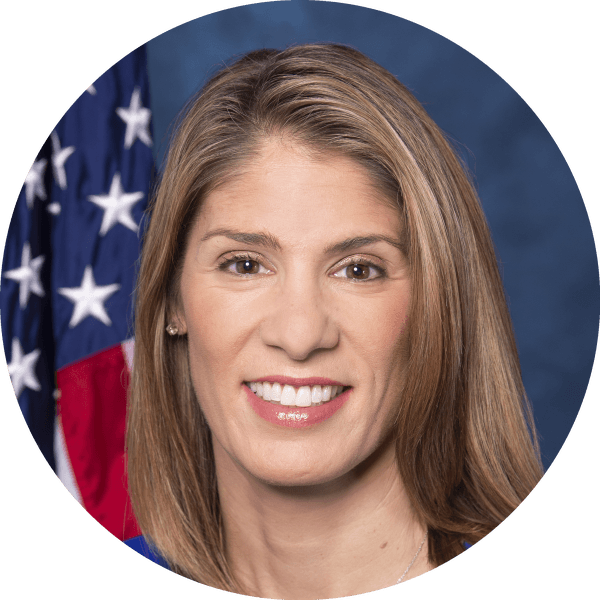
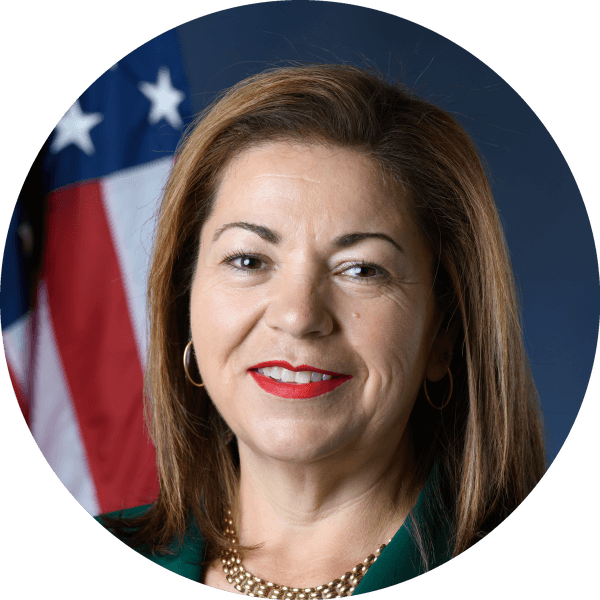
Lori Trahan
Democrat · MA-3
A sick child's specialist shouldn't stop at the state line
Why it matters
When a child on Medicaid or CHIP needs a pediatric specialist their home state doesn't have, the doctor across the border often has to file a separate enrollment with that state before they can be paid. H.R. 1509 caps what states can ask of already-vetted providers at the basics, like a name and National Provider Identifier, and keeps them enrolled for 5 years. Its provisions became law in February 2026 through the Consolidated Appropriations Act, 2026.
H.R. 1509, the Accelerating Kids' Access to Care Act, targets one kind of delay: the paperwork an out-of-state doctor or hospital has to finish before a child's home-state Medicaid program will pay them. Families dealing with rare or complex conditions often end up at a children's hospital in another state, and each state runs its own provider enrollment.
Under the bill, a state can ask an already-vetted out-of-state provider for only what it needs to pay them — such as a name and National Provider Identifier — instead of a full second enrollment. The federal health department can add to that list, so the final scope depends on how regulators define it.
The shortcut is narrow by design. The patient has to be under 21 and enrolled in Medicaid or CHIP. The provider has to be rated limited-risk for fraud, waste, and abuse, and already screened and enrolled in Medicare or their own state's Medicaid program.
Anyone excluded from a federal or state health program, or terminated for program-integrity reasons, can't use it. A provider who does get in stays enrolled for 5 years unless they're terminated or excluded sooner.
The rules apply in all 50 states and D.C. The bill text gives states 3 years from enactment to have the process running, which means families may not see a difference right away.
Bill Progress
Latest Action · Feb 21, 2025
Referred to the House Committee on Energy and Commerce.
H.R. 1509 Bill Summary
What H.R. 1509 actually does.
Out-of-state specialists can treat kids without a second full enrollment
States must set up a streamlined process so eligible out-of-state providers can treat, order, prescribe, refer, or certify care for Medicaid and CHIP patients under 21.
Paperwork is capped at what the state needs to pay
States can't impose screening or enrollment requirements beyond the minimum needed for payment. The bill names the provider's name and National Provider Identifier, plus other information the federal health department specifies.
One enrollment lasts 5 years
A provider who enrolls through the process stays enrolled for 5 years, unless terminated or excluded during that period.
Only providers vetted elsewhere qualify
The provider must be located in another state, rated limited-risk for fraud, waste, and abuse, and already screened and enrolled in Medicare or in their own state's Medicaid program.
Excluded or terminated providers are shut out
Providers excluded from any federal health program or a state Medicaid plan, or terminated for program-integrity reasons, can't use the streamlined path.
CHIP kids are covered too
Conforming changes apply the same enrollment rules to the Children's Health Insurance Program, not just Medicaid.
Who benefits from H.R. 1509?
Children and young adults under 21 with rare or complex conditions
Kids whose treatment exists only at a specialized center in another state could face fewer billing hold-ups before care, prescriptions, or referrals move forward.
Families in states with thin pediatric specialty networks
In smaller or rural states, the nearest pediatric subspecialist may be across the border. Their home-state Medicaid program can now pay that provider without a full separate enrollment.
Children's hospitals that serve multiple states
Hospitals that routinely treat kids from neighboring states could enroll once per state on minimal information and keep that status for 5 years, instead of repeating full applications.
Parents coordinating care from far away
Families still have to find the specialist and arrange travel, but one of the administrative steps between a referral and a paid appointment gets shorter.
Who is affected by H.R. 1509?
State Medicaid agencies in all 50 states and D.C.
They must build the streamlined pathway, stop requiring more than the payment minimum from eligible providers, and have it running within 3 years of enactment.
State CHIP programs
CHIP administrators must apply the same enrollment rules to eligible out-of-state providers treating children.
Out-of-state doctors, hospitals, and clinics
Providers get a lighter route into other states' Medicaid programs, but only if they already hold limited-risk status and a Medicare or home-state Medicaid enrollment, with no exclusions or terminations.
State program-integrity staff
They lose the ability to run their own full screening on these providers and instead rely on Medicare's or another state's review, while still checking exclusion and termination status.
HR1509 Legislative Journey
House: Committee Action
Feb 21, 2025
Referred to the House Committee on Energy and Commerce.
About the Sponsor
Lori Trahan
Democrat, Massachusetts's 3rd congressional district · 7 years in Congress
Committees: Energy and Commerce
View full profile →
Cosponsors at time of passage (104)
This bill has 104 cosponsors: 69 Democrats, 35 Republicans, reflecting bipartisan support. Cosponsors represent 34 states: Arizona, California, Colorado, and 31 more.

Mariannette Miller-Meeks
Republican · IA

Michael McCaul
Republican · TX

Jefferson Van Drew
Republican · NJ

Robert Wittman
Republican · VA

David Valadao
Republican · CA

Don Bacon
Republican · NE
Paul Tonko
Democrat · NY

Kathy Castor
Democrat · FL

Bradley Schneider
Democrat · IL
Kim Schrier
Democrat · WA

Sanford Bishop
Democrat · GA

Troy Balderson
Republican · OH
Cosponsor Coverage Map
Committee Sponsors
Energy and Commerce Committee
19 of 54 committee members cosponsored at the time


What laws does H.R. 1509 change?
2 changes
Sections Amended
Section 1902(kk) of Social Security Act (42 U.S.C. 1396a(kk))
adding at the end the following new paragraph: ``(10) Streamlined enrollment process for eligible out-of- state providers
Section 1902(kk) of such Act (42 U.S.C. 1396a(kk))
inserting ``enrollment,'' after ``screening,''
H.R. 1509 Quick Facts
- Committee
- Energy and Commerce
- Chamber
- House
- Policy
- Health
- Introduced
- Feb 21, 2025
Referred to the House Committee on Energy and Commerce.
Feb 21, 2025
Official Sources
Official bill page with text, sponsors, cosponsors, and actions for the Accelerating Kids’ Access to Care Act of 2025.
The enacted law that carried these provisions into effect, signed February 3, 2026; the enrollment changes sit in Division J, section 6101.
The Medicaid statute as amended, including the streamlined enrollment process for eligible out-of-state providers and its 5-year enrollment term.
The CHIP statute as amended, which applies the same enrollment rules to the Children’s Health Insurance Program.
October 2021 CMS bulletin to states on coordinating and paying for care that children with complex conditions receive from out-of-state providers.
Explains the federal provider screening and enrollment requirements under 42 CFR Part 455 subpart E that the law relies on for vetting providers.
CMS guidance to state Medicaid agencies on provider screening, risk levels, and enrollment, the rules states apply when building the new pathway.
Official CHIP overview; the law extends the streamlined enrollment path to children covered by CHIP as well as Medicaid.
About Legisletter
Legisletter is the advocacy platform that tracks every bill from introduction to Public Law — and connects the constituents affected by a bill to the legislators who vote on it.
H.R. 1509 Common Questions
What does H.R. 1509 do?
It makes states offer a short enrollment path so already-vetted out-of-state doctors and hospitals can treat Medicaid and CHIP patients under 21 and get paid, without a full second enrollment.
Can my child on Medicaid see a doctor in another state?
Often, yes, but the out-of-state provider usually has to enroll with your state's Medicaid program before it will pay. H.R. 1509 cuts that step down to basics like a name and National Provider Identifier for eligible providers.
Does H.R. 1509 apply to adults on Medicaid?
No. The streamlined enrollment only covers care for patients under 21 who are enrolled in Medicaid or CHIP.
Which out-of-state doctors can use the faster enrollment?
Only providers rated limited-risk for fraud, waste, and abuse who are already screened and enrolled in Medicare or their own state's Medicaid program. Anyone excluded or terminated from a federal or state health program is barred.
How long does an out-of-state provider's enrollment last?
5 years, unless the provider is terminated or excluded during that time.
Does H.R. 1509 cover CHIP?
Yes. It applies the same streamlined enrollment rules to the Children's Health Insurance Program as well as Medicaid.
Does the bill pay for travel to an out-of-state specialist?
No. H.R. 1509 only changes how out-of-state providers enroll with your state's Medicaid or CHIP program. It doesn't add coverage for travel, lodging, or new services.
Is H.R. 1509 law?
Yes. It never passed on its own, but its provisions were enacted through the Consolidated Appropriations Act, 2026 (Public Law 119-75), signed February 3, 2026. The bill text gives states 3 years from enactment to set up the process.
Based on H.R. 1509 bill text
H.R. 1509 Bill Text
“To amend titles XIX and XXI of the Social Security Act to streamline the enrollment process for eligible out-of-state providers under Medicaid and CHIP.”
Source: U.S. Government Publishing Office
Health Bills
9 related bills we're tracking
Nancy Gardner Sewell Medicare Multi-Cancer Early Detection Screening Coverage Act




Reported (Amended) by the Committee on Ways and Means. H. Rept. 119-333, Part I.
Oct 3, 2025
Mikaela Naylon Give Kids a Chance Act



Received in the Senate.
Dec 2, 2025
Improving Seniors’ Timely Access to Care Act of 2025

Ordered to be Reported in the Nature of a Substitute by the Yeas and Nays: 42 - 0.
Jul 15, 2026
CONNECT for Health Act of 2025


Referred to the Committee on Energy and Commerce, and in addition to the Committee on Ways and Means, for a period to be subsequently determined by the Speaker, in each case for consideration of such provisions as fall within the jurisdiction of the committee concerned.
Jun 26, 2025
ASAP Act



Ordered to be Reported in the Nature of a Substitute by the Yeas and Nays: 40 - 0.
Sep 16, 2026
Momnibus Act



Referred to the Subcommittee on Health.
Apr 20, 2026
Ensuring Lasting Smiles Act



Referred to the Committee on Energy and Commerce, and in addition to the Committees on Education and Workforce, and Ways and Means, for a period to be subsequently determined by the Speaker, in each case for consideration of such provisions as fall within the jurisdiction of the committee concerned.
May 8, 2025
Right to Contraception Act

Referred to the House Committee on Energy and Commerce.
Feb 5, 2025
Women’s Health Protection Act of 2025



Referred to the Committee on Energy and Commerce, and in addition to the Committee on the Judiciary, for a period to be subsequently determined by the Speaker, in each case for consideration of such provisions as fall within the jurisdiction of the committee concerned.
Jun 24, 2025
Trending Right Now
Bills gaining momentum across Congress
Fit to Serve Act


Referred to the House Committee on Armed Services.
May 21, 2025
America’s Olympic and Paralympic Games Commemorative Coins Act





Referred to the House Committee on Financial Services.
Jul 14, 2025
Therapeutic Fraud Prevention Act of 2025


Referred to the House Committee on Energy and Commerce.
May 7, 2025
Tracking Health in Congress? Monitor bills, track cosponsor momentum, and launch advocacy campaigns — all from one advocacy platform.