H.R. 1410: 9/11 Responder and Survivor Health Funding Correction Act of 2025
Sponsor
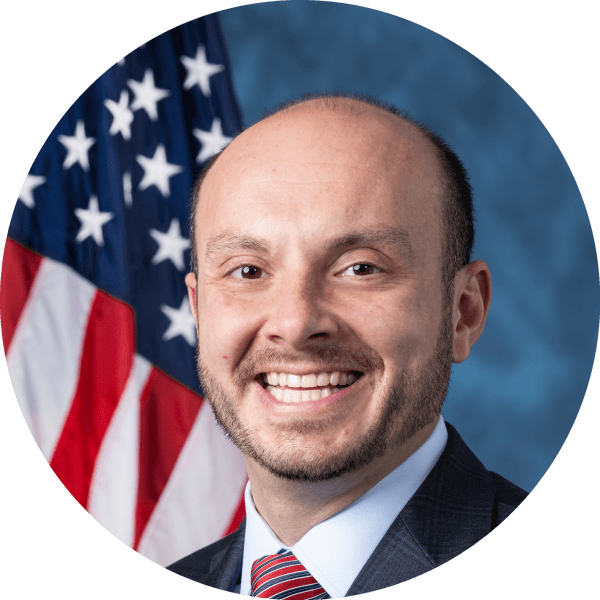
Andrew Garbarino
Republican · NY-2
Lock in 9/11 health care funding through 2090
Why it matters
Every year through 2090, the World Trade Center Health Program's budget would grow 7% and then scale with enrollment, replacing a formula the bill's own title says needs correcting. Two of the program's funds get a 25% floor in 2026, and a licensed therapist or psychologist, not only a physician, could clear the first step toward covered mental health care. The result: the money for your treatment is meant to track how many people actually need it.
The World Trade Center Health Program pays for treatment of illnesses tied to the 9/11 attacks, for responders and for people who lived, worked, or went to school nearby. Its budget is set by a formula in law, and that formula is what H.R. 1410 changes.
Starting in fiscal year 2026, each year's funding would begin with the prior year's amount, grow 7%, then be scaled up or down by how enrollment changed between one July and the next. If more people sign up, the money follows them; if enrollment falls, the increase shrinks with it. The formula runs through 2090.
For 2026 alone, two of the program's funds get a guaranteed minimum: whichever is larger, the amount already scheduled under current law or the previous year's actual spending plus 25%. In later years each fund builds on what was actually spent, not on a figure written years earlier.
The bill also changes who can start your mental health claim. A licensed mental health provider, not just a physician, could conduct the initial evaluation and certify a mental health condition for coverage. The program administrator has 180 days after enactment to define which provider categories qualify.
Three smaller changes round it out. Members known to have died are removed from enrollment counts, which matters because those counts now drive funding. The program gets 180 days instead of 90 to decide whether to add a new responder health condition. And credentialing for the nationwide provider network moves from the program's data centers to the administrator.
Finally, HHS must report to Congress within three years with year-by-year projections through 2090, a look back at how its forecasts since 2017 compared with actual spending, and any formula changes needed to cover the program in full.
Bill Progress
Latest Action · Feb 18, 2025
Referred to the House Committee on Energy and Commerce.
H.R. 1410 Bill Summary
What H.R. 1410 actually does.
A therapist or psychologist can certify your mental health condition
Initial evaluations and certifications for mental health conditions could be done by a licensed mental health provider, not only a physician. The program administrator must issue regulations within 180 days of enactment defining which provider categories qualify.
Funding grows 7% a year, then follows enrollment
From fiscal year 2026 through 2090, each year's funding starts with the prior year's amount, multiplies by 1.07, then multiplies by the ratio of July enrollment in the prior year to July enrollment the year before that.
Two funds get a 25% floor in 2026
For fiscal year 2026, the Supplemental Fund and the Special Fund each receive the greater of the amount already set under current law or the previous year's actual spending plus 25%. Later years build on actual spending.
Deceased members leave the enrollment count
Anyone the program administrator knows to be deceased is excluded from responder, survivor, and overall enrollment counts. Because the new formula scales funding by enrollment, this keeps the count tied to people receiving care.
New conditions get 180 days for review instead of 90
The deadline for deciding whether to add a new responder health condition to the covered list doubles from 90 days to 180 days.
Provider credentialing moves to the program administrator
Authority to credential providers in the nationwide network shifts from the program's data centers to the WTC Program Administrator, and the credentialing criteria previously spelled out in law are removed.
HHS must show its math through 2090
Within three years of enactment, HHS must send congressional leaders and committees a year-by-year budget projection through 2090, compare its forecasts since 2017 with actual spending, and recommend any formula changes needed to fully cover the program.
Who benefits from H.R. 1410?
Responders and survivors in long-term treatment
If the program covers your cancer, respiratory, or digestive care, the bill ties its budget to how many people are enrolled and adds a 7% annual increase on top, so funding is designed to rise as members age into more expensive care.
Members with PTSD, depression, or anxiety
You could get your initial evaluation and certification from a licensed psychologist, therapist, or other qualified mental health provider once the administrator defines those categories, instead of waiting for a physician appointment.
Survivors outside New York
People treated through the nationwide network would have their evaluations handled under the same provider flexibility, and credentialing for that network would run through one central authority.
Clinicians in the nationwide network
Providers would be credentialed by the WTC Program Administrator directly, replacing the data-center process and the credentialing criteria previously written into the statute.
Who is affected by H.R. 1410?
The WTC Program Administrator
Takes on rulemaking for mental health provider categories within 180 days, direct control of provider credentialing, the updated enrollment count, and administration of the new funding formula.
Department of Health and Human Services
Must produce a program-wide budget assessment within three years, including a review of how its own modeling from 2017 onward compared with what the program actually spent.
The program's data centers
Lose their statutory role in credentialing providers for the nationwide network.
Taxpayers and appropriators
Program funding is mandatory rather than annually appropriated, so a 7% escalator compounding through 2090 raises the long-run cost. Unspent balances in the Supplemental, Special, and Pentagon/Shanksville funds would revert to the Treasury under standard account-closing rules.
HR1410 Legislative Journey
House: Committee Action
Feb 18, 2025
Referred to the House Committee on Energy and Commerce.
About the Sponsor
Andrew Garbarino
Republican, New York's 2nd congressional district · 5 years in Congress
Committees: Homeland Security, Ethics, Financial Services
View full profile →
Cosponsors (133)
This bill has 133 cosponsors: 107 Democrats, 26 Republicans, reflecting bipartisan support. Cosponsors represent 34 states: Alabama, Arizona, California, and 31 more.
Jerrold Nadler
Democrat · NY

Thomas Kean
Republican · NJ
Daniel Goldman
Democrat · NY
Michael Lawler
Republican · NY
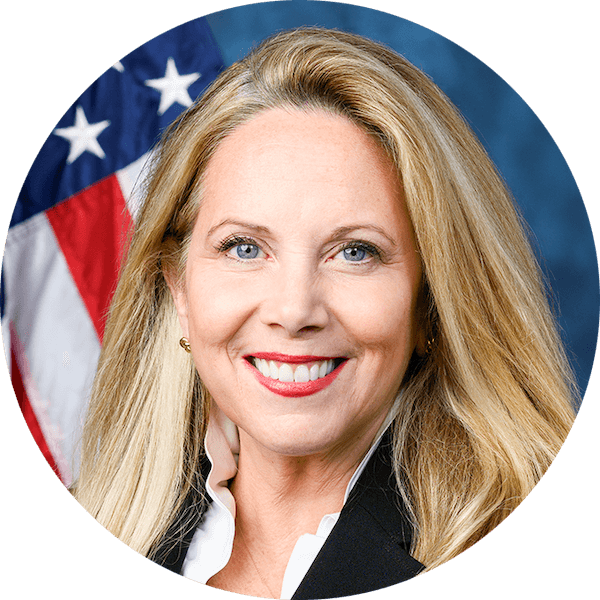
Laura Gillen
Democrat · NY
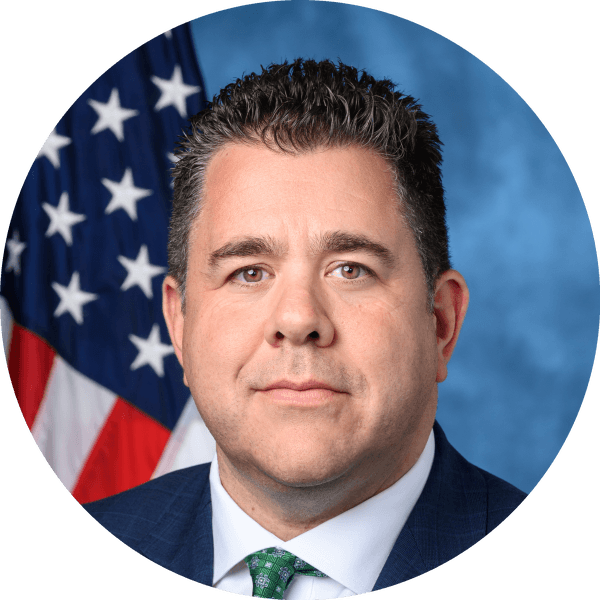
Nick LaLota
Republican · NY

Ritchie Torres
Democrat · NY

George Latimer
Democrat · NY

Yvette Clarke
Democrat · NY
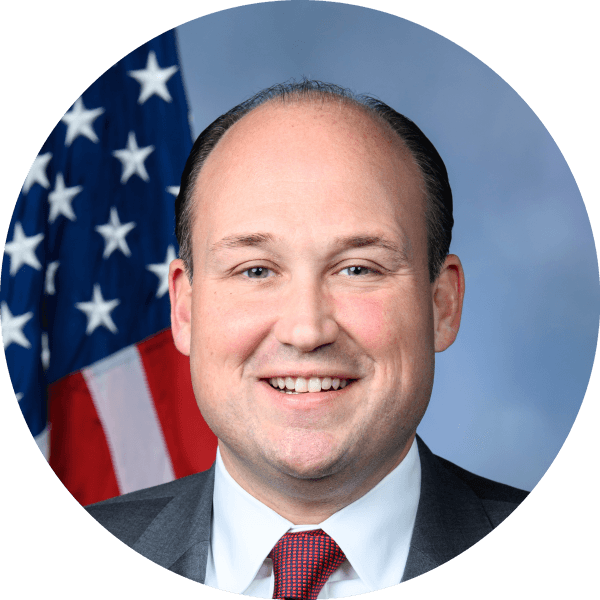
Nicholas Langworthy
Republican · NY
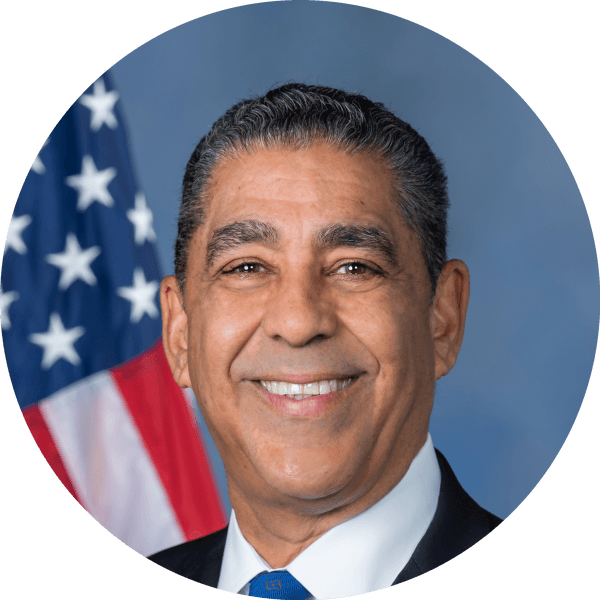
Adriano Espaillat
Democrat · NY
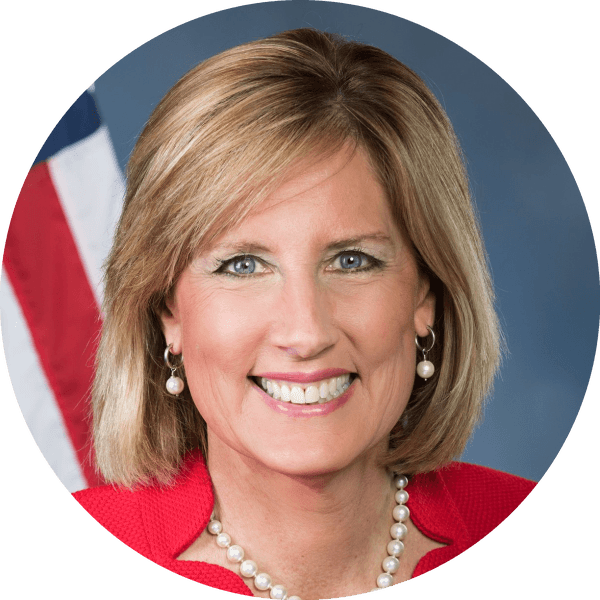
Claudia Tenney
Republican · NY
Cosponsor Coverage Map
Committee Sponsors
Energy and Commerce Committee
17 of 54 committee members cosponsored


28 Republicans across this committee haven't cosponsored yet. Mobilize their constituents
What laws does H.R. 1410 change?
2 changes
Sections Amended
Section 3311(a) of such Act (42 U.S.C. 300mm- 21(a))
adding at the end the following: ``(6) Deceased wtc responders
Section 3321(a) of such Act (42 U.S.C. 300mm-31(a))
adding at the end the following: ``(5) Deceased wtc survivors
H.R. 1410 Quick Facts
- Committee
- Energy and Commerce
- Chamber
- House
- Policy
- Health
- Introduced
- Feb 18, 2025
Referred to the House Committee on Energy and Commerce.
Feb 18, 2025
Official Sources
Official bill page with text, actions, cosponsors, and committee status for H.R. 1410.
Homepage of the program this bill amends, run by NIOSH within CDC for 9/11 responders and survivors.
Lists the certified physical and mental health conditions, including the mental health conditions whose certification process the bill opens to licensed non-physician providers.
Quarterly enrollment and certification dashboard; under the bill, these enrollment counts would directly scale annual funding.
The network serving members outside the New York area, whose provider credentialing the bill moves to the WTC Program Administrator.
Current text of the funding statute whose growth formula for fiscal years 2026 through 2090 the bill rewrites.
The 2010 law that created the World Trade Center Health Program as Title XXXIII of the Public Health Service Act.
GAO found program spending on health services rose about 85% from fiscal 2016 to 2021, the cost trajectory behind the bill's funding correction.
H.R. 1410 Common Questions
What does H.R. 1410 change about the World Trade Center Health Program?
It rewrites how the program's funding grows through 2090, sets a 25% funding floor for two of its funds in 2026, lets licensed mental health providers certify mental health conditions, and cleans up how enrollment is counted.
How much would 9/11 health program funding go up under H.R. 1410?
Each year from 2026 through 2090, funding starts at the prior year's level, grows 7%, then scales by how enrollment changed. Flat enrollment means a 7% raise; growing enrollment means more.
What is the 25% funding floor in H.R. 1410?
For fiscal year 2026 only, the Supplemental Fund and the Special Fund each get the larger of what current law already schedules or last year's actual spending plus 25%. After that, each year builds on actual spending.
Can a therapist certify a 9/11-related mental health condition under H.R. 1410?
Yes, once the WTC Program Administrator issues regulations naming which categories of licensed mental health providers qualify. The bill gives the administrator 180 days after enactment to do that.
Why does H.R. 1410 stop counting deceased members?
Because the new formula scales funding by enrollment. Removing members known to have died keeps the count, and the money tied to it, matched to people who are actually receiving care.
Does H.R. 1410 make it slower to add new covered conditions?
It gives the program more time. The deadline for deciding whether to add a new responder health condition to the covered list moves from 90 days to 180 days.
Who sponsored H.R. 1410 and does it have bipartisan support?
Rep. Andrew Garbarino, a Republican from New York, introduced it in February 2025. It has 133 cosponsors, 107 Democrats and 26 Republicans, and is pending in the House Energy and Commerce Committee.
Does H.R. 1410 require a report on whether the funding is enough?
Yes. Within three years, HHS must give Congress year-by-year projections through 2090, compare its past forecasts with actual spending, and recommend any formula changes needed to fully cover the program.
Based on H.R. 1410 bill text
H.R. 1410 Bill Text
“To amend title XXXIII of the Public Health Service Act with respect to flexibility and funding for the World Trade Center Health Program.”
Source: U.S. Government Publishing Office
Get notified when H.R. 1410 moves
Committee votes, floor action, cosponsor changes — straight to your inbox.
Bill alerts + Legisletter's monthly briefing. Unsubscribe anytime.
Health Bills
9 related bills we're tracking
Nancy Gardner Sewell Medicare Multi-Cancer Early Detection Screening Coverage Act


Reported (Amended) by the Committee on Ways and Means. H. Rept. 119-333, Part I.
Oct 3, 2025
Mikaela Naylon Give Kids a Chance Act




Received in the Senate.
Dec 2, 2025
Improving Seniors’ Timely Access to Care Act of 2025
Ordered to be Reported in the Nature of a Substitute by the Yeas and Nays: 42 - 0.
Jul 15, 2026
CONNECT for Health Act of 2025



Referred to the Committee on Energy and Commerce, and in addition to the Committee on Ways and Means, for a period to be subsequently determined by the Speaker, in each case for consideration of such provisions as fall within the jurisdiction of the committee concerned.
Jun 26, 2025
ASAP Act

Ordered to be Reported in the Nature of a Substitute by the Yeas and Nays: 40 - 0.
Sep 16, 2026
Momnibus Act



Referred to the Subcommittee on Health.
Apr 20, 2026
Ensuring Lasting Smiles Act


Referred to the Committee on Energy and Commerce, and in addition to the Committees on Education and Workforce, and Ways and Means, for a period to be subsequently determined by the Speaker, in each case for consideration of such provisions as fall within the jurisdiction of the committee concerned.
May 8, 2025
Right to Contraception Act

Referred to the House Committee on Energy and Commerce.
Feb 5, 2025
Women’s Health Protection Act of 2025



Referred to the Committee on Energy and Commerce, and in addition to the Committee on the Judiciary, for a period to be subsequently determined by the Speaker, in each case for consideration of such provisions as fall within the jurisdiction of the committee concerned.
Jun 24, 2025
Trending Right Now
Bills gaining momentum across Congress
North Platte Canteen Congressional Gold Medal Act


Referred to the House Committee on Financial Services.
Feb 21, 2025
Fit to Serve Act
Referred to the House Committee on Armed Services.
May 21, 2025
Safe Schools Improvement Act
Referred to the House Committee on Education and Workforce.
Mar 3, 2025
Tracking Health in Congress? Monitor bills, track cosponsor momentum, and launch advocacy campaigns — all from one advocacy platform.