H.R. 3276: Local Communities & Bird Habitat Stewardship Act of 2026
Sponsor

Debbie Dingell
Democrat · MI-6
Cities would finally get bird habitat grants
Why it matters
$200,000 a year is not much money, but it would give cities, tribes, nonprofits, and community groups a dedicated federal pot for safer bird habitat, native plants, and local monitoring work.
H.R. 3276 would create a new federal grant program focused specifically on birds in cities — from restoring habitat and native plants to reducing urban hazards and funding community science.
The program would sit inside the U.S. Fish and Wildlife Service and work through partnerships with tribes, states, cities, nonprofits, community groups, and colleges. Grants could pay for research, planning, assessments, habitat management, monitoring, workforce training, and public education tied to urban bird conservation.
The funding is modest. Congress would authorize $200,000 a year from 2027 through 2033, which adds up to $1.4 million over seven years if lawmakers provide the full amount.
That means the bill is less a giant spending package than a small federal foothold for neighborhood-scale projects that often struggle to find dedicated funding.
The bill also says awards should be spread, when possible, across small, midsize, and large cities instead of clustering in just a few major metro areas. Federal agencies could get technical or financial assistance through the program, but they are not listed as eligible for the competitive grants themselves.
Bill Progress
Latest Action · Sep 15, 2026
Passed the House, received in Senate
H.R. 3276 Bill Summary
What H.R. 3276 actually does.
Urban bird habitat gets a dedicated federal program
H.R. 3276 directs the U.S. Fish and Wildlife Service to run a voluntary program focused on bird conservation in urban areas.
Local grants could fund on-the-ground city projects
Competitive grants could support research, planning, habitat management, monitoring, collaboration, public information sharing, capacity building, and workforce training.
Projects can tackle the hazards birds face in cities
The program can support habitat restoration, invasive species control, native plant restoration, hazard reduction, and community science involving bird monitoring.
Money is supposed to reach more than big cities
The bill says awards should be distributed as evenly as practicable among small, midsize, and large cities.
Federal agencies can get help, but not grants
Federal agencies are included in the broader assistance network, but the bill does not list them as eligible applicants for the competitive grant program.
$1.4 million over seven years is the full authorization
The bill authorizes $200,000 each year from 2027 through 2033, for a total of $1.4 million if Congress appropriates the full amount.
Who benefits from H.R. 3276?
Local nonprofits and community groups trying to improve neighborhood habitat
If your community group wants to restore native plants, organize bird monitoring, or cut urban hazards, H.R. 3276 would open a federal funding stream built for that kind of work.
Cities and tribes running small conservation projects
Municipal and Tribal agencies could apply for grants and technical support for urban habitat planning, management, and education projects.
Researchers and colleges doing urban bird monitoring
Academic institutions are eligible, so universities and local research partners could compete for support to track bird populations and habitat conditions in cities.
Residents in small and midsize cities, not just major metros
The bill says funding should be spread across small, midsize, and large cities, which gives smaller communities a better shot at being included.
Who is affected by H.R. 3276?
U.S. Fish and Wildlife Service
The agency would have to set up the program, review applications, manage partnerships, and try to distribute awards across different city sizes.
National Fish and Wildlife Foundation
The foundation could be brought in to administer the grant program if the Interior Department chooses to use it.
Federal agencies working on urban habitat
They could receive assistance through the program, but they are not named as eligible grantees for the competitive funding.
Urban residents who use parks, schoolyards, and neighborhood green spaces
People in cities could see more habitat restoration, more native plant work, and more community-led bird education or monitoring projects if grants are awarded locally.
Cost & Funding
Authorization
$200,000 per year from fiscal year 2027 through 2033
- That is $1.4 million total over 7 years if Congress fully appropriates the money.
- At roughly $200,000 a year nationwide, the program would likely fund a small number of grants or many very small awards.
- The bill authorizes funding but does not guarantee Congress will actually provide it.
- The Interior Department could use the National Fish and Wildlife Foundation to help administer grants.
What Congress Is Saying
H.R. 3276 has come up 25 times in the Congressional Record so far.
Mr. Speaker, I rise in support of H.R. 3276, the Local Communities & Bird Habitat Stewardship Act of 2025. Birds are an important part of our Nation's natural heritage and play an important role in healthy and resilient ecosystems. Millions of Americans also enjoy bird-watching each year, supporting local economies and businesses across the country. Unfortunately, birds face several challenges in urban areas, including habitat loss and hazards such as building collisions and light pollution. H.R. 3276 addresses these challenges by codifying the Urban Bird Treaty Program within the U.S.
H.R. 3276 also appeared in 15 routine cosponsor filings.
HR3276 Legislative Journey
Committee Action
Sep 15, 2026
Received in the Senate and Read twice and referred to the Committee on Environment and Public Works.
House: Vote: 345-60
Sep 14, 2026
On motion to suspend the rules and pass the bill, as amended Agreed to by the Yeas and Nays: (2/3 required): 345 - 60 (Roll no. 297). (text: CR H5578-5579)
House: Committee Action
Aug 20, 2026
Reported (Amended) by the Committee on Natural Resources. H. Rept. 119-758.
House: Passed Committee
Jun 10, 2026
Ordered to be Reported in the Nature of a Substitute (Amended) by Unanimous Consent.
+2 more actions this day
House: Committee Action
Feb 4, 2026
Subcommittee Hearings Held
House: Committee Action
Jan 28, 2026
Referred to the Subcommittee on Water, Wildlife and Fisheries.
House: Committee Action
May 8, 2025
Referred to the House Committee on Natural Resources.
About the Sponsor
Debbie Dingell
Democrat, Michigan's 6th congressional district · 11 years in Congress
Committees: Energy and Commerce, Natural Resources
View full profile →
Cosponsors (21)
This bill has 21 cosponsors: 18 Democrats, 3 Republicans, reflecting bipartisan support. Cosponsors represent 14 states: California, Connecticut, District of Columbia, and 11 more.
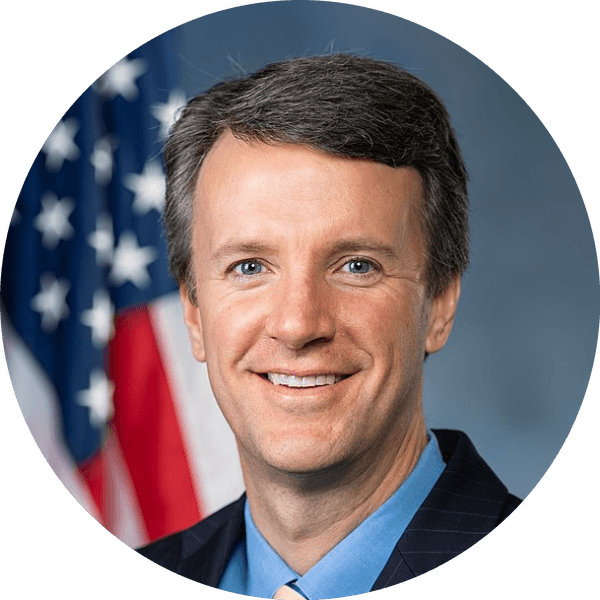
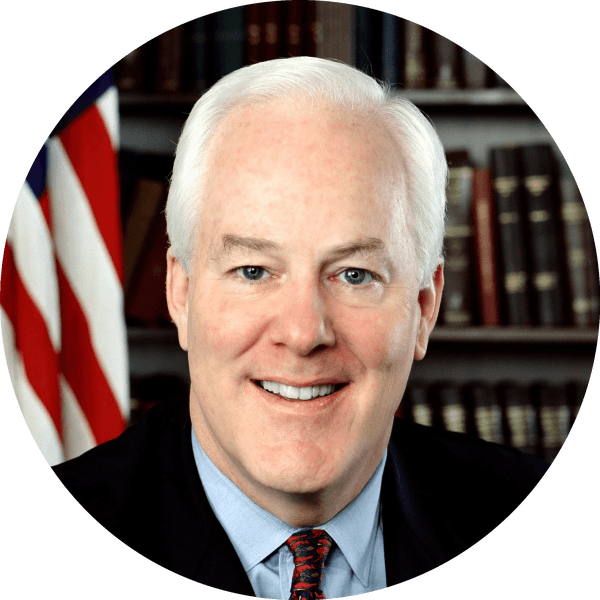
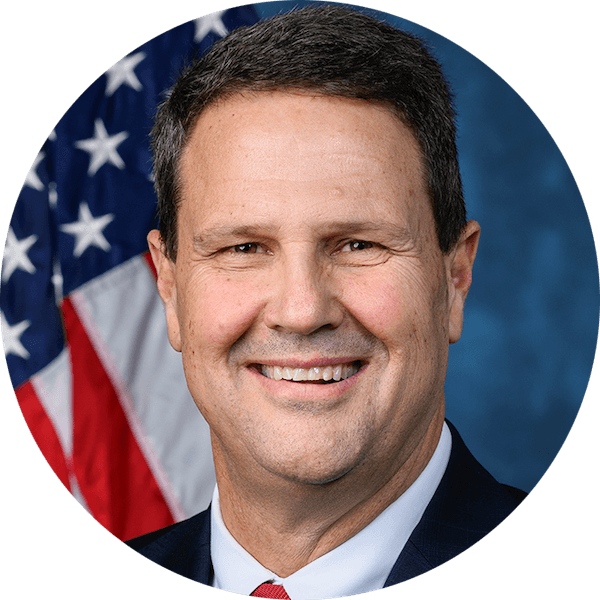
Ben Cline
Republican · VA

Zoe Lofgren
Democrat · CA

Sarah Elfreth
Democrat · MD
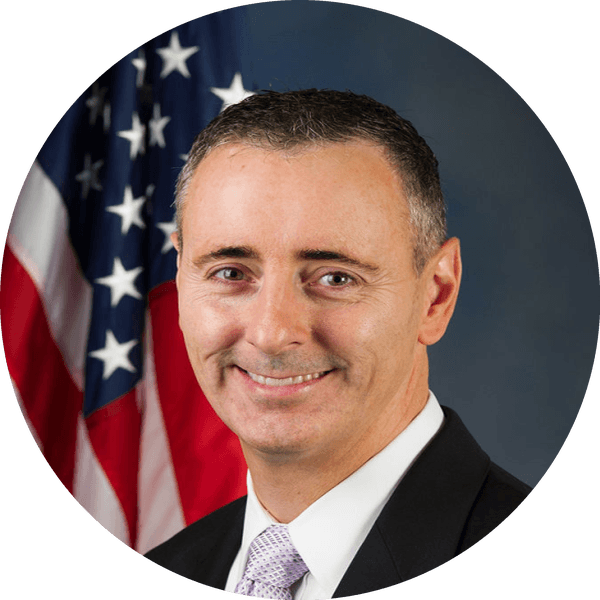
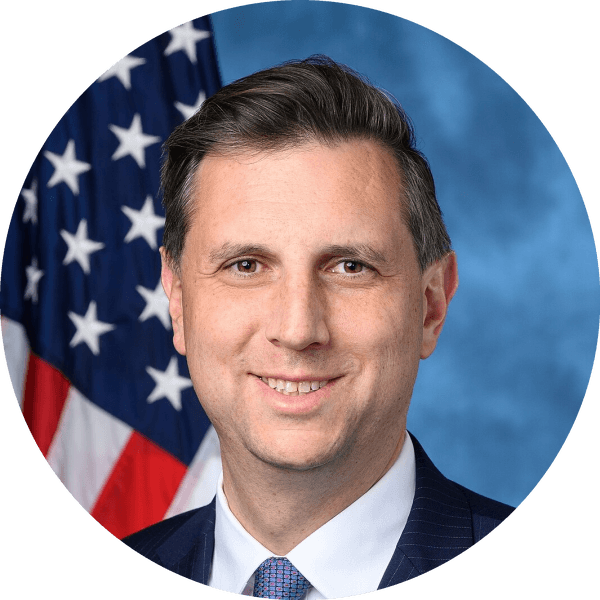
Brian Fitzpatrick
Republican · PA
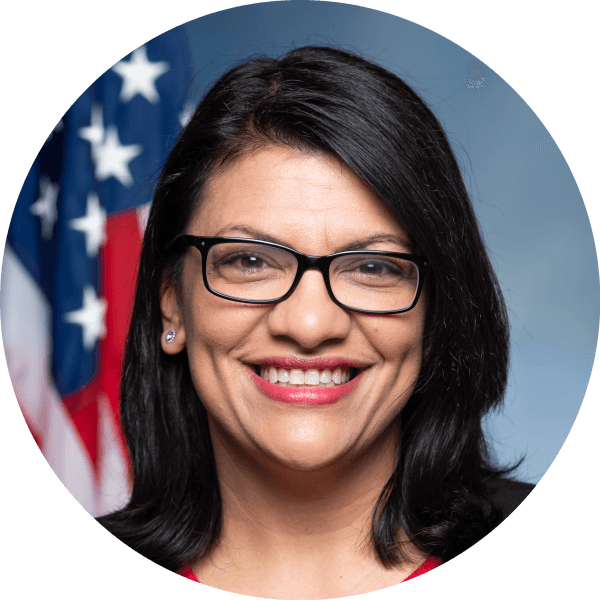
Rashida Tlaib
Democrat · MI
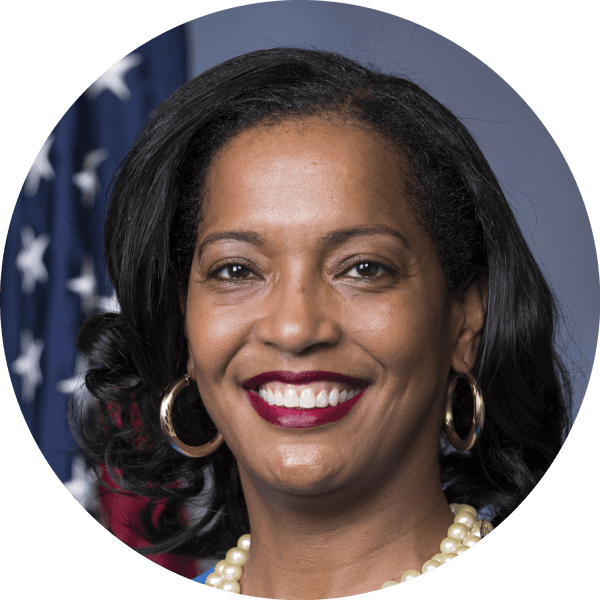
Jahana Hayes
Democrat · CT
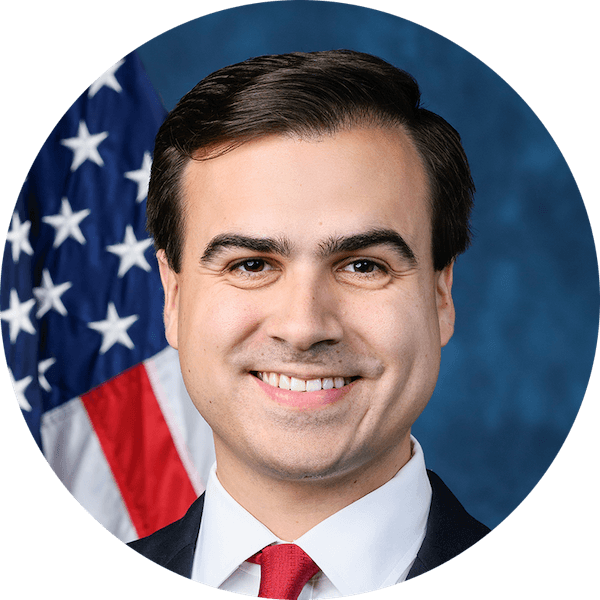
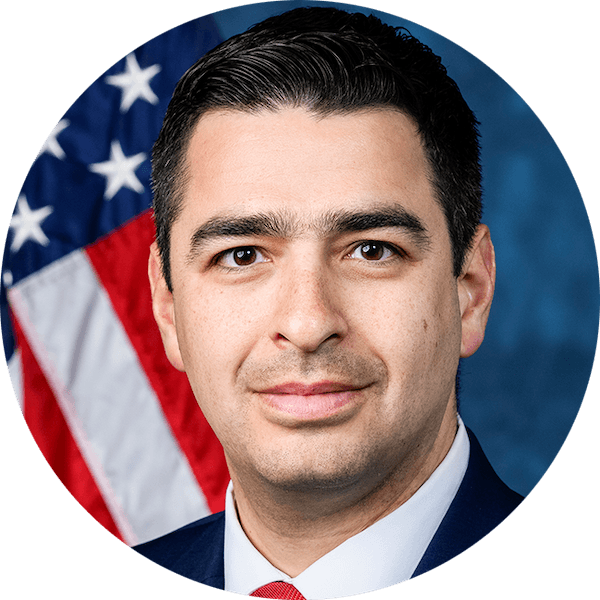
Pablo Hernández
Democrat · PR
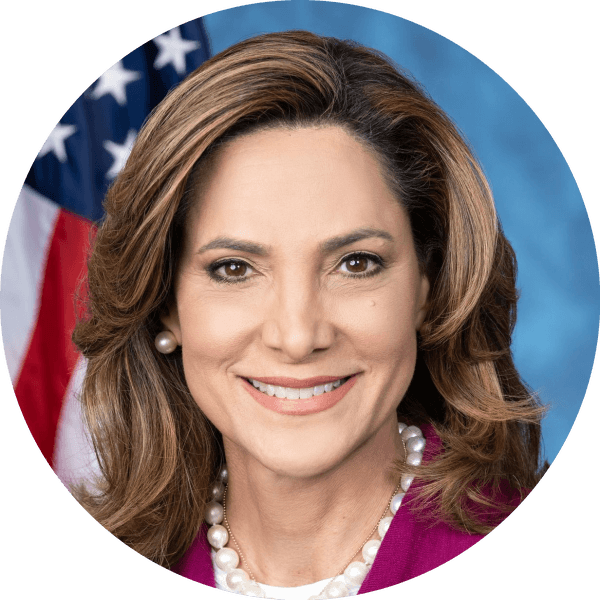
Maria Salazar
Republican · FL
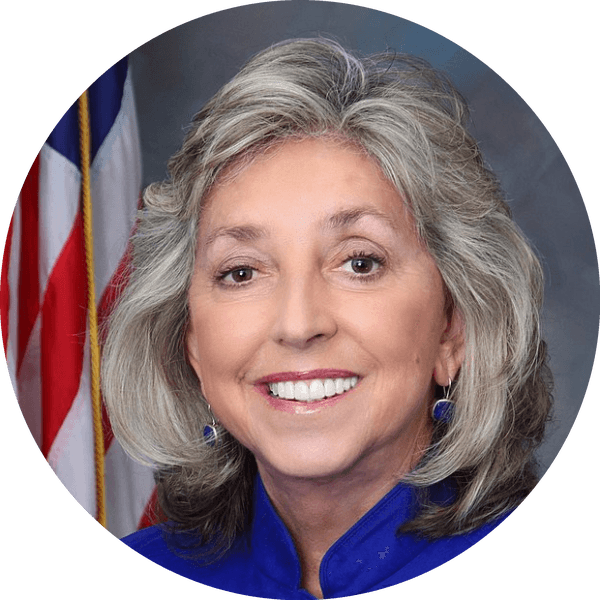
Dina Titus
Democrat · NV
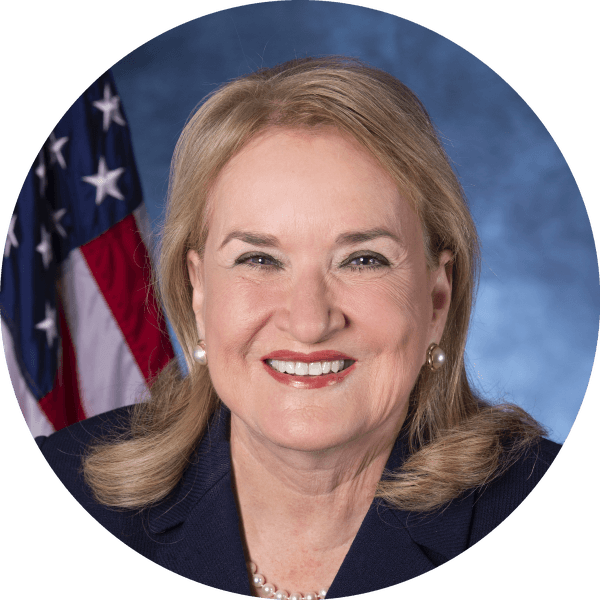
Sylvia Garcia
Democrat · TX

Eugene Vindman
Democrat · VA
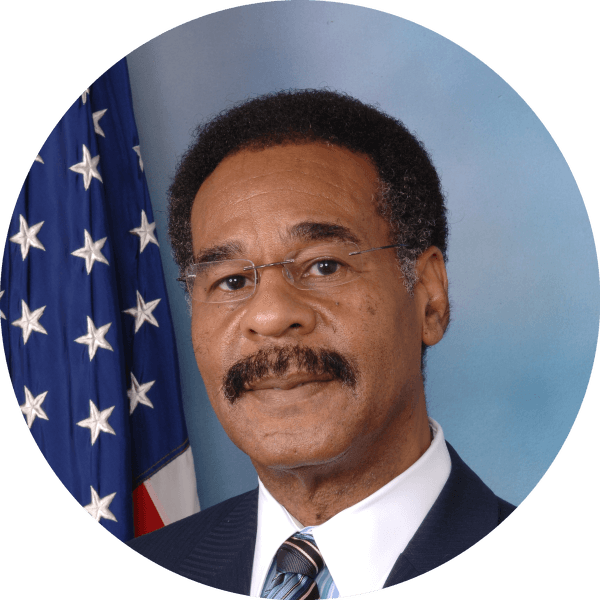
Emanuel Cleaver
Democrat · MO
Committee Sponsors
Environment and Public Works Committee
0 of 18 committee members cosponsored
No committee members have cosponsored this bill
Natural Resources Committee
4 of 45 committee members cosponsored


24 Democrats across these committees haven't cosponsored yet. Mobilize their constituents
H.R. 3276 Quick Facts
- Committee
- Environment and Public Works
- Chamber
- House
- Policy
- Environmental Protection
- Introduced
- May 8, 2025
Passed the House, received in Senate
Sep 15, 2026
Official Sources
Official bill status, text, actions, and cosponsor information for H.R. 3276.
The bill directs the Secretary of the Interior, acting through the U.S. Fish and Wildlife Service, to establish the Urban Bird Treaty Program named in the bill text.
The bill expressly references the National Fish and Wildlife Foundation Establishment Act as authority for possible grant administration agreements.
The bill uses NCES EDGE locale categories to describe equitable distribution among small, midsize, and large cities.
This official NCES document helps explain the city-size and locale framework the bill references for geographic distribution of grants.
H.R. 3276 Common Questions
What does H.R. 3276 actually do?
It creates a U.S. Fish and Wildlife Service program for bird conservation in urban areas, plus a competitive grant program for local habitat, monitoring, education, and planning work.
How much money does H.R. 3276 provide?
The bill authorizes $200,000 a year from 2027 through 2033. If Congress fully funds it, that's $1.4 million total over seven years.
Who can apply for grants under H.R. 3276?
Tribal, state, and municipal agencies can apply, along with nonprofits, community groups, and academic institutions.
Can federal agencies get grants under H.R. 3276?
No. Federal agencies can receive assistance through the program, but the bill does not list them as eligible for the competitive grants.
What kinds of projects could these urban bird grants fund?
Grants could fund habitat restoration, invasive species control, native plant work, bird monitoring, planning, workforce training, collaboration, and community education.
Would only big cities get the money?
The bill says awards should be spread as evenly as practicable among small, midsize, and large cities, so funding is not supposed to flow only to major metros.
Could the National Fish and Wildlife Foundation run the grant program?
Yes. H.R. 3276 lets the Interior Department make an agreement with the National Fish and Wildlife Foundation to administer the grants.
Does H.R. 3276 guarantee this money will be spent?
No. The bill authorizes funding, but Congress would still need to appropriate the money in future spending bills.
Based on H.R. 3276 bill text
H.R. 3276 Bill Text
“To direct the Secretary of the Interior to establish the Urban Bird Treaty Program.”
Source: U.S. Government Publishing Office
Get notified when H.R. 3276 moves
Committee votes, floor action, cosponsor changes — straight to your inbox.
Bill alerts + Legisletter's monthly briefing. Unsubscribe anytime.
Environmental Protection Bills
9 related bills we're tracking
Water Affordability, Transparency, Equity, and Reliability Act of 2025

Referred to the Subcommittee on Water Resources and Environment.
May 13, 2025
To amend the Clean Air Act with respect to the ethanol waiver for Reid Vapor Pressure under that Act, and for other purposes.



Received in the Senate and Read twice and referred to the Committee on Environment and Public Works.
May 14, 2026
Save Our Sequoias Act


Committee on Energy and Natural Resources. Hearings held.
Sep 16, 2026
Harmful Algal Bloom and Hypoxia Research and Control Amendments Act of 2025



Held at the desk.
Sep 11, 2025
ePermit Act
Received in the Senate and Read twice and referred to the Committee on Environment and Public Works.
Dec 10, 2025
Water Infrastructure Resilience and Sustainability Act
Referred to the Subcommittee on Water Resources and Environment.
Dec 1, 2025
Chesapeake Bay Watershed Advancement for Training, Education, Restoration, and Science (WATERS) Act




Received in the Senate and Read twice and referred to the Committee on Commerce, Science, and Transportation.
Sep 15, 2026
Mining Regulatory Clarity Act




Placed on Senate Legislative Calendar under General Orders. Calendar No. 334.
Feb 11, 2026
Data Center Water and Energy Transparency Act of 2026


Read twice and referred to the Committee on Energy and Natural Resources. (text: CR S1616-1617)
Mar 25, 2026
Trending Right Now
Bills gaining momentum across Congress
North Platte Canteen Congressional Gold Medal Act


Referred to the House Committee on Financial Services.
Feb 21, 2025
ASAP Act


Ordered to be Reported in the Nature of a Substitute by the Yeas and Nays: 40 - 0.
Sep 16, 2026
Fit to Serve Act

Referred to the House Committee on Armed Services.
May 21, 2025
Tracking Environmental Protection in Congress? Monitor bills, track cosponsor momentum, and launch advocacy campaigns — all from one advocacy platform.