H.R. 2664: To amend the Higher Education Act of 1965 to provide for additional uses of funds for grants to strengthen historically Black colleges and universities, and for other purposes.
Sponsor

Alma Adams
Democrat · NC-12
HBCU arts programs deserve a claim on federal HBCU money
Why it matters
The bill's findings cite a $12.6 billion funding gap between HBCUs and predominantly white institutions over 30 years, and say some HBCUs have already shrunk, merged, or cut arts programs as a result. H.R. 2664 adds arts students, paid arts internships, and Black art collections to the list of things HBCUs can spend their federal strengthening grants on.
Every year, HBCUs receive federal strengthening grants under the Higher Education Act. The law spells out what that money can be spent on: lab equipment, faculty development, tutoring, construction, endowment building, and a list of other approved uses. Arts programs are not named on that list.
H.R. 2664 would add five arts-specific uses, so an HBCU could put its federal grant toward arts students, arts departments, and its Black art collections. Colleges could fund aid for students in arts, arts education, and cultural programs, and build outreach and fundraising offices for those departments.
Students could also get mentoring from faculty and peers, work-based learning, counseling, and career advising. Colleges could pay for well-paid apprenticeships, internships, and fellowships arranged through nonprofit arts and cultural organizations, and could partner with the National Endowment for the Arts to run any of it.
The fifth use is the collections themselves. Many HBCUs hold significant Black art, and the bill lets grant money cover exhibiting, maintaining, monitoring, and protecting those works, whether they hang in a gallery or sit in storage.
The bill adds no new money, so any dollar a college steers toward the arts is a dollar it does not spend on labs, tutoring, or buildings. Whether arts programs actually gain depends on each campus's choices and on how much Congress appropriates for the strengthening program overall.
The bill's findings make the case with numbers: only 1.4% of artists featured in America's top museums are Black, only 4% of top-museum directors are Black, and in 2018 at least 18 colleges nationwide planned to severely curtail or eliminate their arts departments, according to the College Art Association.
Bill Progress
Latest Action · Apr 7, 2025
Referred to the House Committee on Education and Workforce.
H.R. 2664 Bill Summary
What H.R. 2664 actually does.
Aid for arts students
HBCUs could spend strengthening-grant funds on financial and other help for students in arts, arts education, and cultural programs.
Arts departments can raise their own support
Grant money could set up outreach programs and development (fundraising) offices dedicated to arts, arts education, and cultural departments.
Mentors and career advisers for arts majors
Colleges could fund wraparound services for arts students: faculty and peer mentorship, work-based learning, guidance counseling, and career advising.
Campus Black art collections get protected
Funds could cover exhibiting, maintaining, monitoring, and protecting Black art collections, both on display and in storage.
Paid placements instead of unpaid internships
HBCUs could fund well-paid apprenticeships, internships, and fellowships for arts students through partnerships with nonprofit arts and cultural organizations.
A direct line to the NEA
An HBCU could partner with the National Endowment for the Arts to carry out any of the new arts activities. The bill defines arts broadly: performance, literary, visual, graphic, plastic, and decorative arts.
Who benefits from H.R. 2664?
Music, theater, dance, and studio art majors at HBCUs
Students in programs the bill's findings describe as expensive to run and among the first to shrink could see more aid, mentoring, and career advising paid for with federal grant dollars.
Arts students who can't afford to work for free
The bill specifically names well-paid apprenticeships, internships, and fellowships, a route into museums, theaters, and studios that doesn't require a family able to cover an unpaid summer.
HBCU galleries and museum collections
Campuses that hold Black art, much of it by artists the bill's findings say may otherwise have gone unrecognized, could use federal funds for climate control, monitoring, conservation, and exhibition.
Arts department chairs
Departments could build their own outreach and fundraising offices, a tool larger, wealthier arts schools already rely on.
Who is affected by H.R. 2664?
HBCU presidents and grant administrators
They gain five more allowable uses for the same grant, and with them a harder budget call: every arts dollar comes out of the same pool that pays for science labs, tutoring, and facilities.
Students in non-arts programs
The bill adds no new money. If a campus redirects part of its grant to the arts, other approved uses would get a smaller share unless Congress raises overall funding.
Nonprofit arts organizations and the NEA
Theaters, museums, and cultural groups could become placement partners for HBCU students, and the NEA could enter formal partnerships with individual colleges.
HR2664 Legislative Journey
House: Committee Action
Apr 7, 2025
Referred to the House Committee on Education and Workforce.
About the Sponsor
Alma Adams
Democrat, North Carolina's 12th congressional district · 12 years in Congress
Committees: Agriculture, Education and Workforce
View full profile →
Cosponsors (22)
All 22 cosponsors are Democrats. Cosponsors represent 17 states: Alabama, Arizona, District of Columbia, and 14 more.

Jasmine Crockett
Democrat · TX

Sheila Cherfilus-McCormick
Democrat · FL
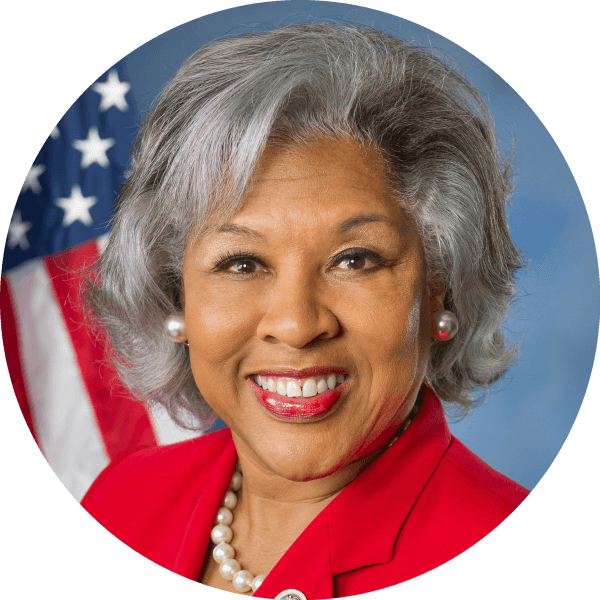
Joyce Beatty
Democrat · OH
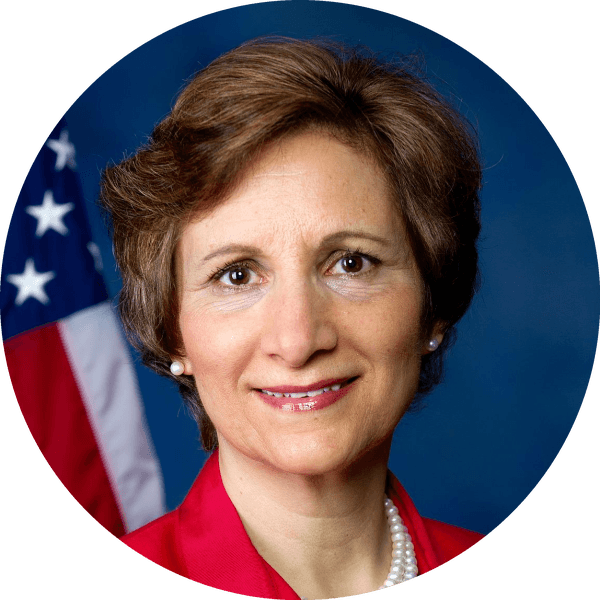
Suzanne Bonamici
Democrat · OR

Eleanor Norton
Democrat · DC

Melanie Stansbury
Democrat · NM
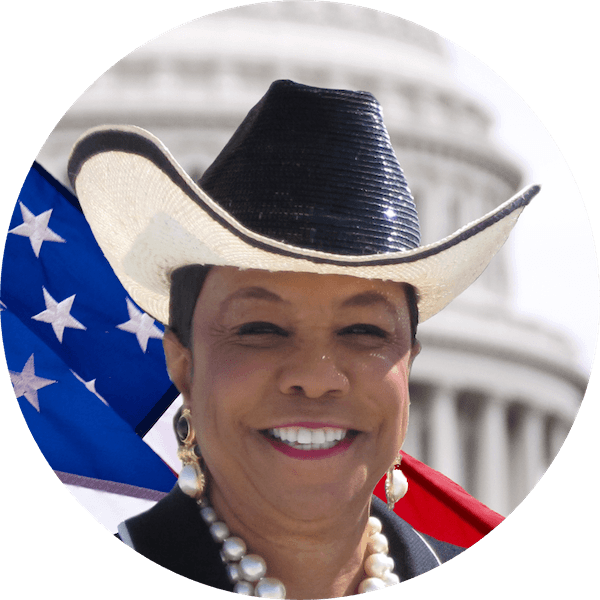
Frederica Wilson
Democrat · FL
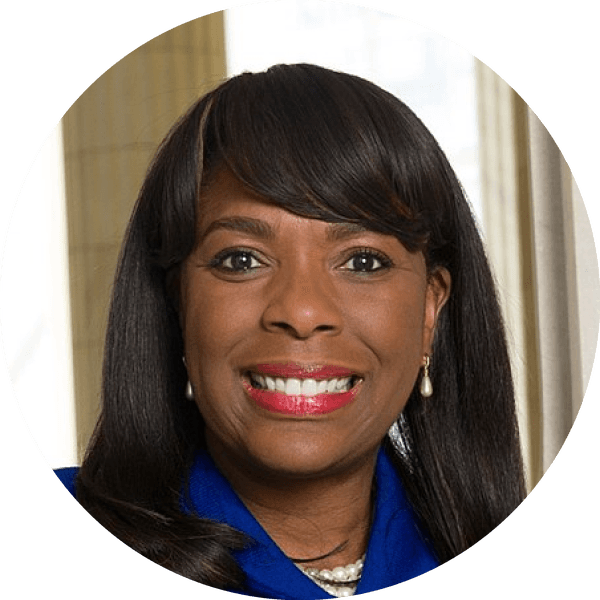
Terri Sewell
Democrat · AL
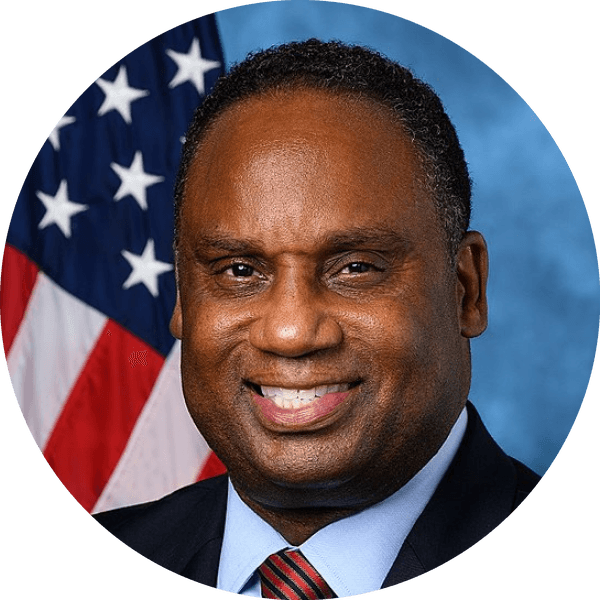
Jonathan Jackson
Democrat · IL
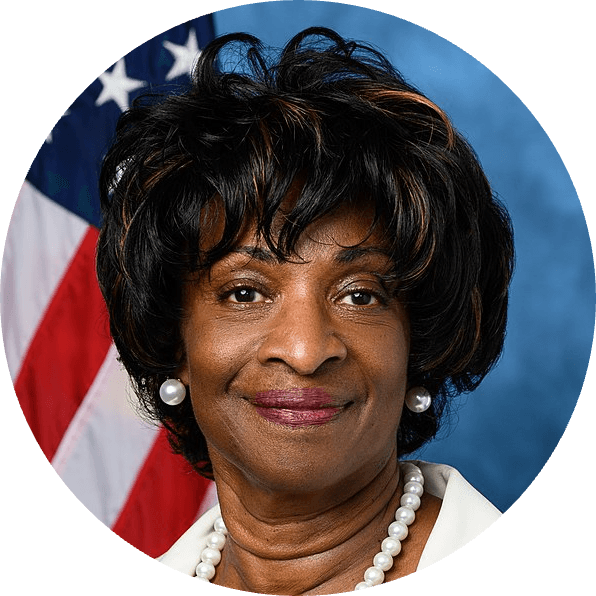
Valerie Foushee
Democrat · NC
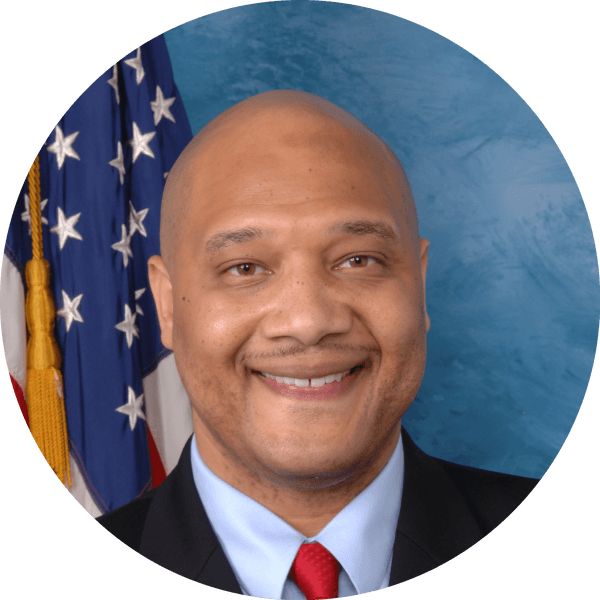
André Carson
Democrat · IN
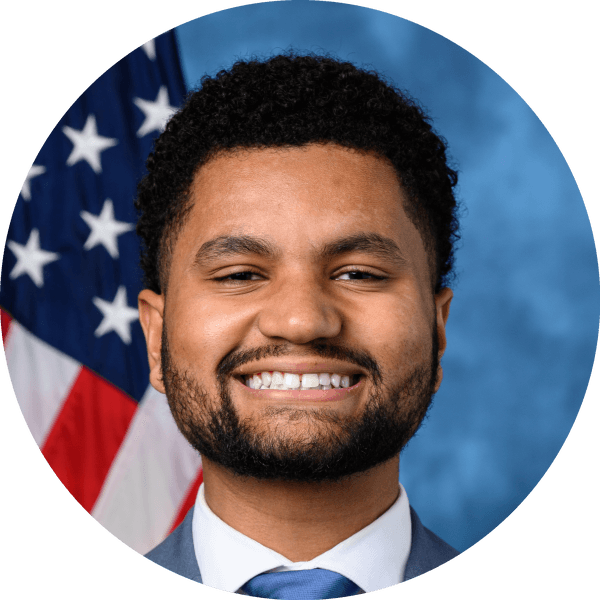
Maxwell Frost
Democrat · FL
Committee Sponsors
Education and Workforce Committee
3 of 37 committee members cosponsored


13 Democrats across this committee haven't cosponsored yet. Mobilize their constituents
H.R. 2664 Quick Facts
- Committee
- Education and Workforce
- Chamber
- House
- Policy
- Education
- Introduced
- Apr 7, 2025
Referred to the House Committee on Education and Workforce.
Apr 7, 2025
Official Sources
Official bill text, cosponsors, and legislative history for the HBCU arts strengthening bill
Current text of Section 323 of the Higher Education Act, the list of allowable uses of HBCU strengthening grants that H.R. 2664 would expand to include the arts
The formula that divides each year's appropriation among HBCUs, which H.R. 2664 leaves unchanged, so arts uses draw from the same allotment
The statutory findings and purposes behind the Higher Education Act's institutional aid programs, including support for HBCUs
The National Endowment for the Arts page on its HBCU partnerships; the bill lets HBCUs partner with the NEA to carry out the new arts activities
The federal arts agency named in the bill as a potential partner for HBCU arts programs
The House subcommittee with jurisdiction over the Higher Education Act, where this bill would be taken up
H.R. 2664 Common Questions
What does H.R. 2664 do?
It lets HBCUs spend their federal strengthening grants on the arts: aid for arts students, mentoring and career advising, paid internships, outreach for arts departments, and care for Black art collections.
Does H.R. 2664 give HBCUs more money?
No. It adds no new funding. HBCUs get more ways to spend the grants they already receive, so money for the arts would come out of the same pool that covers labs, tutoring, and buildings.
Can HBCUs use federal grants for arts scholarships?
Not specifically today, since the arts aren't on the list of approved uses. Under H.R. 2664, colleges could give financial and other assistance to students in arts, arts education, and cultural programs.
Would arts internships through H.R. 2664 be paid?
Yes. The bill specifies well-paid apprenticeships, internships, and fellowships, arranged through partnerships with nonprofit arts and cultural organizations.
How would the bill protect art collections at HBCUs?
Colleges could use grant money to exhibit, maintain, monitor, and protect Black art collections, including works kept in storage rather than on display.
What role does the National Endowment for the Arts play?
An HBCU could choose to partner with the NEA to run any of the new arts activities. The bill allows the partnership but doesn't require it or fund it separately.
Does 'arts' include music, writing, and design?
Yes. The bill defines arts as forms of self-expression and interpretation, including performance, literary, visual, graphic, plastic, and decorative arts.
Why do sponsors say HBCU arts programs need this?
The bill's findings cite a $12.6 billion funding gap between HBCUs and predominantly white institutions over 30 years, and say some HBCUs have shrunk or cut arts programs for lack of money.
Based on H.R. 2664 bill text
H.R. 2664 Bill Text
“To amend the Higher Education Act of 1965 to provide for additional uses of funds for grants to strengthen historically Black colleges and universities, and for other purposes.”
Source: U.S. Government Publishing Office
Get notified when H.R. 2664 moves
Committee votes, floor action, cosponsor changes — straight to your inbox.
Bill alerts + Legisletter's monthly briefing. Unsubscribe anytime.
Education Bills
9 related bills we're tracking
Safe Schools Improvement Act



Referred to the House Committee on Education and Workforce.
Mar 3, 2025
IDEA Full Funding Act



Referred to the House Committee on Education and Workforce.
Apr 2, 2025
Tyler Clementi Higher Education Anti-Harassment Act of 2025



Referred to the House Committee on Education and Workforce.
Sep 18, 2025
Department of Education Protection Act



Referred to the House Committee on Education and Workforce.
Jan 15, 2025
REDI Act


Referred to the House Committee on Education and Workforce.
Mar 11, 2025
Expanding Access to Mental Health Services in Schools Act of 2025

Referred to the House Committee on Education and Workforce.
Jun 30, 2025
Holocaust Education and Antisemitism Lessons Act




Referred to the House Committee on Education and Workforce.
Jan 28, 2025
American Teacher Act

Referred to the House Committee on Education and Workforce.
Mar 10, 2025
Rebuild America’s Schools Act of 2026

Referred to the Committee on Education and Workforce, and in addition to the Committee on Ways and Means, for a period to be subsequently determined by the Speaker, in each case for consideration of such provisions as fall within the jurisdiction of the committee concerned.
Feb 4, 2026
Trending Right Now
Bills gaining momentum across Congress
Fit to Serve Act


Referred to the House Committee on Armed Services.
May 21, 2025
America’s Olympic and Paralympic Games Commemorative Coins Act



Referred to the House Committee on Financial Services.
Jul 14, 2025
ASAP Act


Ordered to be Reported in the Nature of a Substitute by the Yeas and Nays: 40 - 0.
Sep 16, 2026
Tracking Education in Congress? Monitor bills, track cosponsor momentum, and launch advocacy campaigns — all from one advocacy platform.