Mr. Speaker, I rise in support of H.R. 2591, the Mental Health in Aviation Act of 2025, a bill that would modernize the Federal Aviation Administration's outdated policies and remove barriers to lifesaving mental health care for the aviation workforce. As we continue to navigate the aftermath of traffic aviation accidents and harrowing near misses across this country, we must support the mental health of the dedicated women and men on the front lines of ensuring the traveling public reaches their final destination safely every day.
H.R. 2591: Mental Health in Aviation Act of 2025
Introduced Apr 2, 202543 cosponsors
Sponsor
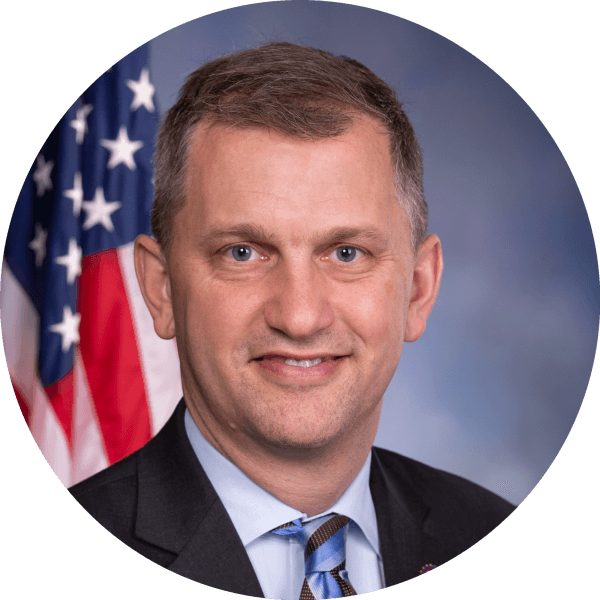
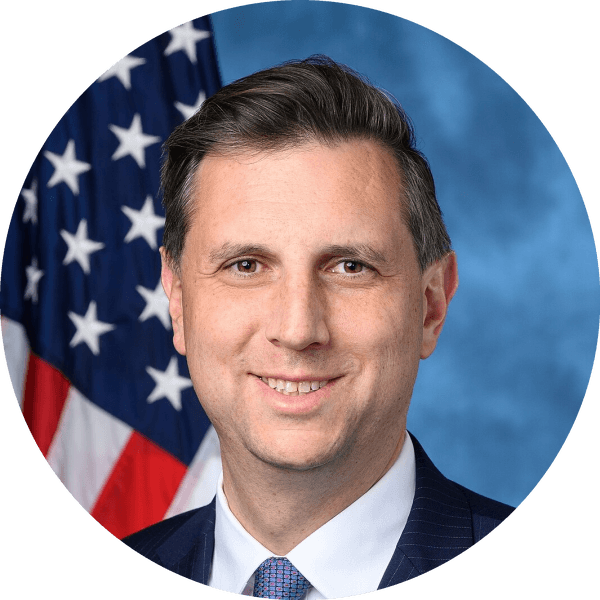
Sean Casten
Democrat · IL-6
Pilots shouldn’t risk careers for mental health care
4 min readLast updated November 24, 2026
Why it matters
$45.72 million over three years would support more aviation medical examiners, shorter clearance backlogs and mental health outreach. H.R. 2591 would also direct the FAA to make seeking care and disclosing symptoms less threatening to a pilot’s or controller’s career.
H.R. 2591 addresses a career dilemma in aviation: pilots and air traffic controllers need to disclose medical conditions, but they may worry that seeking mental health treatment will jeopardize the clearance they need to work. If enacted, the bill would direct the FAA to reshape its medical-clearance rules around encouraging treatment and honest disclosure.
The FAA would have two years to update its regulations. It would also have to act within 180 days of receiving recommendations from an existing aviation mental health task group, and it would have two years to address recommendations delivered by an aviation rulemaking committee in 2024.
The agency would not have to accept every recommendation. If it rejected one, however, the FAA administrator would have to explain the decision in writing to the House and Senate committees overseeing aviation.
Pilots and controllers seeking special medical clearance would see another recurring change: the FAA would review its mental health policies every year. That review would consider additional medications, better examiner training, more decision-making authority for qualified medical examiners and improvements to the clearance process.
The bill would direct $41.22 million over three years toward recruiting and training more aviation medical examiners, expanding oversight and reducing backlogs. Another $4.5 million would fund outreach about mental health services and the clearance process.
The bill would not guarantee that a pilot or controller keeps a medical clearance after a diagnosis, nor would it automatically approve any medication. It would require the FAA to review its standards, act on expert recommendations or explain why it chose not to do so.
What to watch
H.R. 2591 has cleared the House and is now before the Senate Commerce, Science, and Transportation Committee. Its 43 House cosponsors show bipartisan interest, but the Senate still must advance the bill; any Senate changes would also need House approval. If it becomes law, watch whether the FAA adopts the expert recommendations or relies on the option to reject them with written explanations.
Bill Progress
IntroducedApr 2
Committee
Pass HouseSep 8
Pass Senate
Signed
Law
Latest Action · Sep 9, 2025
1/3
Passed the House, received in Senate
H.R. 2591 Bill Summary
What H.R. 2591 actually does.
1
Seeking care becomes an explicit FAA priority
The FAA would have two years to update its rules so they encourage aviation professionals to seek help for mental health symptoms and disclose them.
2
Expert recommendations get firm deadlines
The FAA would have to act within 180 days of receiving the task group’s report and within two years on recommendations submitted by the aviation rulemaking committee in 2024. Rejected recommendations would require a written explanation to Congress.
3
Treatment and clearance policies face annual review
Each year, the FAA would examine whether to allow additional mental health medications, improve examiner training, give qualified examiners more authority and streamline special medical clearances.
4
More examiners tackle medical backlogs
The bill would direct $13.74 million annually for three years toward recruiting and training aviation medical examiners, including psychiatrists and examiners specializing in substance dependence and other complex cases.
5
Pilots and controllers get clearer information
The bill would direct $1.5 million annually for three years toward an outreach campaign explaining support services, reducing stigma and building trust in the medical-clearance process.
6
Aviation workers help shape the changes
The mental health task group would consult pilot labor organizations, air traffic controller representatives, aviation medical examiners and other relevant groups.
Who benefits from H.R. 2591?
Pilots deciding whether to seek mental health care
A pilot experiencing anxiety, depression or another condition could face updated clearance rules, better-trained examiners and an annual review of which treatments the FAA permits.
Air traffic controllers protecting their careers
Controllers would be included in the annual policy review and outreach campaign, while their bargaining representatives would have a role in the FAA task group’s work.
Applicants waiting on complex medical decisions
$41.22 million over three years would support more examiners, added oversight and efforts to reduce the Office of Aerospace Medicine’s backlog.
Aviation medical examiners handling difficult cases
The bill would fund recruitment and training while asking the FAA to consider giving qualified examiners more authority to resolve cases without additional agency review.
Who is affected by H.R. 2591?
The Federal Aviation Administration
The agency would have to revise rules, act on two sets of expert recommendations, conduct annual policy reviews, run an outreach campaign and explain rejected recommendations to Congress.
Pilots and controllers seeking certification
They would still need to meet FAA medical standards and disclose relevant conditions. The bill would change how those standards are reviewed and administered, not eliminate medical screening.
The Office of Aerospace Medicine
The office would be responsible for expanding examiner capacity and using the additional resources to strengthen oversight and reduce pending cases.
Congressional aviation committees
House and Senate committees would receive explanations when the FAA declines recommendations, along with a report after the outreach campaign begins.
Cost & Funding
Authorization
$45.72 million across fiscal years 2026 through 2028
- The bill would direct $13.74 million per year to additional medical examiners, training, oversight and backlog reduction—$41.22 million over three years.
- It would direct another $1.5 million per year to mental health outreach—$4.5 million over three years.
- Together, the set-asides equal $15.24 million annually. About nine of every ten dollars would go toward medical staffing, oversight and backlog reduction.
- The bill does not create a fine or other monetary penalty when the FAA rejects a recommendation; the administrator would instead have to provide Congress with a written explanation.
On the Record
What Congress Is Saying
H.R. 2591 has come up 23 times in the Congressional Record so far.
Mr. Speaker, currently, pilots and air traffic controllers who seek mental health care are unfairly penalized. While aviation professionals are mandated to report if they seek mental health care, once they take that step, they are faced with delays, confusion, and broad regulations to return to work. This often means that relatively minor mental health concerns result in long wait times and derailed careers for safe and well-trained pilots and air traffic controllers. If we don't change how we handle mental health in aviation, then we will exacerbate a culture of silence.
Mr. Speaker, I rise in support of the bipartisan Mental Health in Aviation Act, which I introduced with my friend, Mr. Stauber, from Minnesota. I thank Congressman Stauber as well as Chairman Graves and Ranking Member Larsen for all of their support and close collaboration on this bill. Today, pilots and air traffic controllers who seek mental health care are unfairly penalized by a system that perpetuates a culture of silence.
H.R. 2591 also appeared in 16 routine cosponsor filings.
HR2591 Legislative Journey
Committee Action
Sep 9, 2025
Received in the Senate and Read twice and referred to the Committee on Commerce, Science, and Transportation.
House: Vote Held
Sep 8, 2025
On motion to suspend the rules and pass the bill, as amended Agreed to by voice vote. (text: CR H3872)
House: Vote Held
Jun 11, 2025
Ordered to be Reported (Amended) by Voice Vote.
House: Committee Action
Apr 3, 2025
Referred to the Subcommittee on Aviation.
House: Committee Action
Apr 2, 2025
Referred to the House Committee on Transportation and Infrastructure.
About the Sponsor
Sean Casten
Democrat, Illinois's 6th congressional district · 7 years in Congress
Committees: Joint Economic Committee, Financial Services
View full profile →
Cosponsors (43)
This bill has 43 cosponsors: 21 Democrats, 22 Republicans, reflecting bipartisan support. Cosponsors represent 24 states: Alaska, Arizona, California, and 21 more.
21Democrats22Republicans·24 statesBipartisan
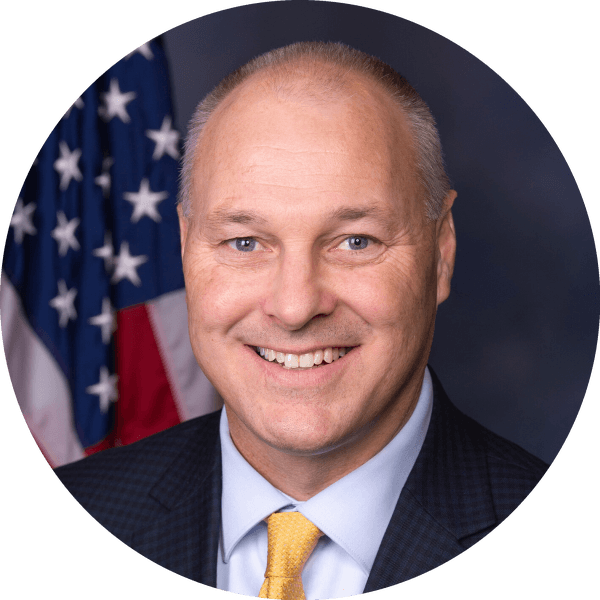
Pete Stauber
Republican · MN
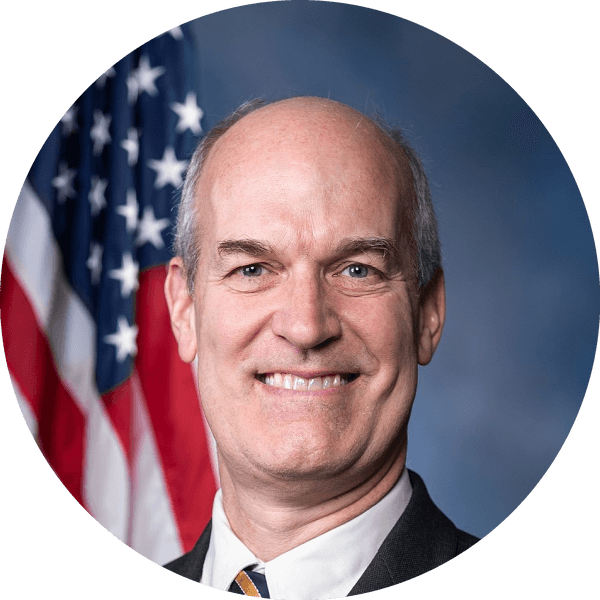
Rick Larsen
Democrat · WA
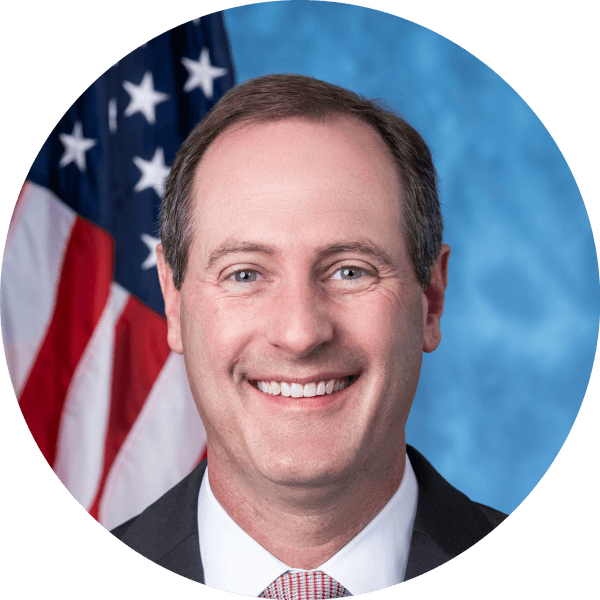
Tracey Mann
Republican · KS

Frederica Wilson
Democrat · FL
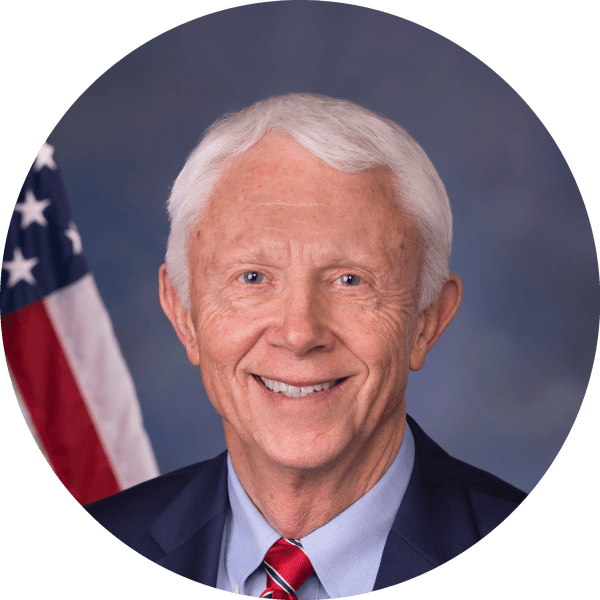
Jack Bergman
Republican · MI
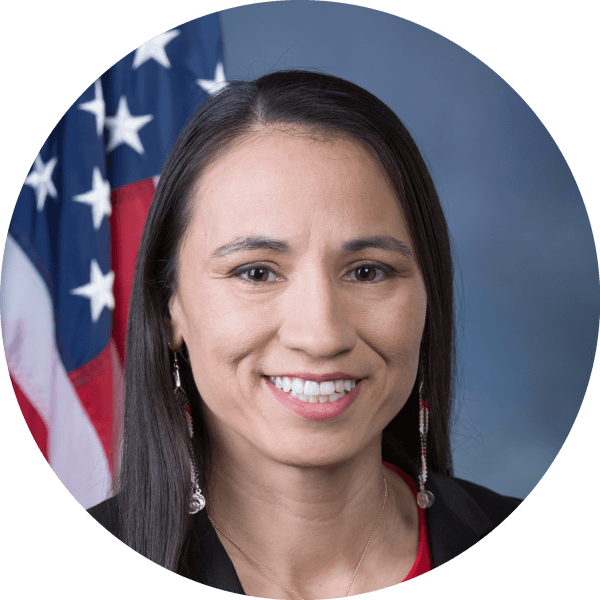
Sharice Davids
Democrat · KS
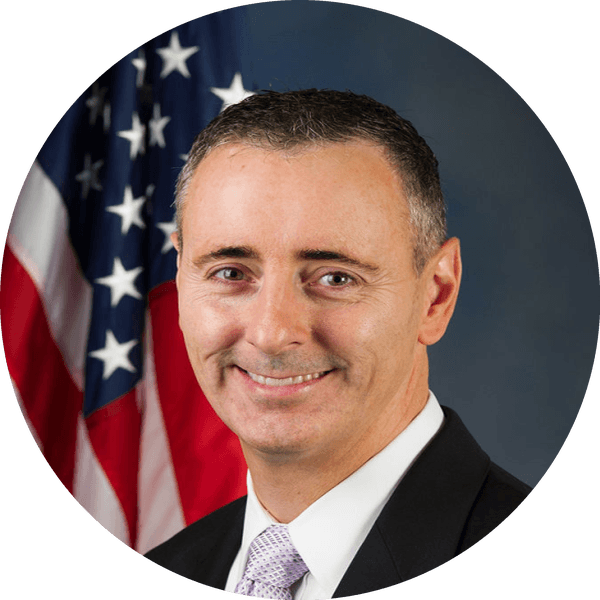
Brian Fitzpatrick
Republican · PA

Kimberlyn King-Hinds
Republican · MP

Eleanor Norton
Democrat · DC
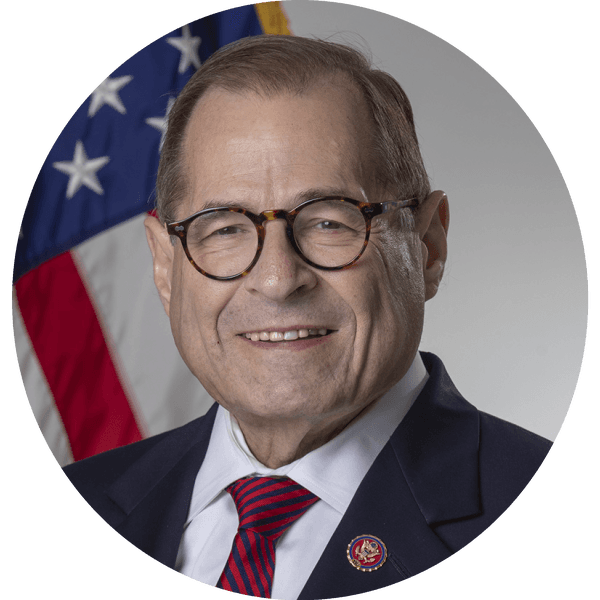
Jerrold Nadler
Democrat · NY

Don Bacon
Republican · NE

Ashley Hinson
Republican · IA
Committee Sponsors
Commerce, Science, and Transportation Committee
13D15R
|0 signed28 not yet0 of 28 committee members cosponsored
No committee members have cosponsored this bill
Transportation and Infrastructure Committee
31D35R1I
|23 signed44 not yet23 of 67 committee members cosponsored


30 Democrats across these committees haven't cosponsored yet. Mobilize their constituents
H.R. 2591 Quick Facts
Cosponsors
43
- Committee
- Commerce, Science, and Transportation
- Chamber
- House
- Policy
- Transportation and Public Works
- Introduced
- Apr 2, 2025
Passed the House, received in Senate
Sep 9, 2025
Official Sources
H.R. 2591 on Congress.gov
The official bill page provides legislative status, actions, text, cosponsors, and committee information for the Mental Health in Aviation Act of 2025.
House Report 119-242 on H.R. 2591
The official House committee report explains the bill's purpose, provisions, legislative history, and estimated effects.
FAA Pilot Mental Fitness
This FAA resource explains the agency's approach to pilot mental health, treatment, disclosure, and aviation safety.
FAA Medical Certification
The FAA's medical certification portal provides official information about the medical-clearance system that H.R. 2591 would require the agency to revise.
FAA Guide for Aviation Medical Examiners
The official examiner guide contains FAA policies and procedures used by aviation medical examiners when evaluating applicants.
FAA Psychiatric Conditions Guidance
This FAA guidance addresses psychiatric conditions and the medical documentation and review relevant to pilot certification decisions.
FAA Antidepressant Medication Guidance
This FAA resource describes the agency's certification pathway for applicants treated with certain antidepressant medications.
14 CFR Part 67 — Medical Standards and Certification
Part 67 contains the federal medical standards and certification regulations that H.R. 2591 directs the FAA to update.
FAA Office of Aerospace Medicine
The Office of Aerospace Medicine administers aviation medical policy and certification work affected by the bill's staffing, training, oversight, and backlog provisions.
FAA Reauthorization Act of 2024
This official public-law record contains the FAA Reauthorization Act of 2024, whose aviation mental-health requirements H.R. 2591 would amend.
H.R. 2591 Common Questions
Is H.R. 2591 law yet?
No. H.R. 2591 has passed the House and was referred to the Senate Commerce, Science, and Transportation Committee. It still needs Senate approval and the president’s signature.
Would H.R. 2591 let a pilot keep flying after a mental health diagnosis?
Not automatically. The bill would direct the FAA to encourage treatment and disclosure, but pilots and controllers would still need to meet medical standards. It would change the review process, not guarantee clearance.
Would the bill allow more mental health medications for pilots?
Possibly, but it would not approve any medication by itself. The FAA would have to review every year whether additional medications should be permitted for pilots and air traffic controllers.
How much would H.R. 2591 spend on aviation mental health?
The bill would direct $45.72 million over three years: $41.22 million for medical examiners, oversight and backlog reduction, plus $4.5 million for public outreach.
How soon would the FAA have to change its mental health rules?
The FAA would have two years after enactment to update its rules. It would also have 180 days after receiving the task group’s report to act on those recommendations.
What if the FAA rejects a mental health recommendation?
The FAA administrator could reject a recommendation but would have to explain the decision in writing to the House and Senate committees overseeing aviation. The bill sets no fine or criminal penalty.
What is a special issuance medical certificate?
It is an FAA medical clearance granted to someone who may not meet the usual medical standard but can show that they can safely perform aviation duties. H.R. 2591 would require annual reviews of related mental health policies.
Based on H.R. 2591 bill text
H.R. 2591 Bill Text
“To require the Administrator of the Federal Aviation Administration to revise regulations for certain individuals carrying out aviation activities who disclose a mental health diagnosis or condition, and for other purposes.”
Source: U.S. Government Publishing Office
Bill Alerts
Get notified when H.R. 2591 moves
Committee votes, floor action, cosponsor changes — straight to your inbox.
Bill alerts + Legisletter's monthly briefing. Unsubscribe anytime.
Transportation and Public Works Bills
9 related bills we're tracking
H.R. 3449
Stronger Communities through Better Transit Act

Henry JohnsonD-GA



+147
151 cosponsors
+1 this monthReferred to the Subcommittee on Highways and Transit.
May 16, 2025
HouseTransportation and Public Works
H.R. 3151
SHIPS for America Act of 2025
Trent KellyR-MS



+142
146 cosponsors
+1 this monthReferred to the Subcommittee on Coast Guard and Maritime Transportation.
May 1, 2025
HouseTransportation and Public Works
H.R. 7613
ALERT Act
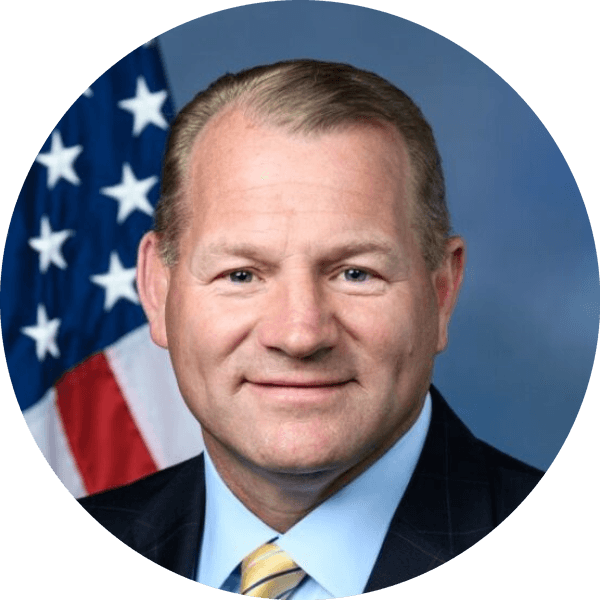
Sam GravesR-MO

+83
87 cosponsors
Received in the Senate and Read twice and referred to the Committee on Commerce, Science, and Transportation.
Apr 15, 2026
HouseTransportation and Public Works
H.R. 5221Gaining+6
PART Act
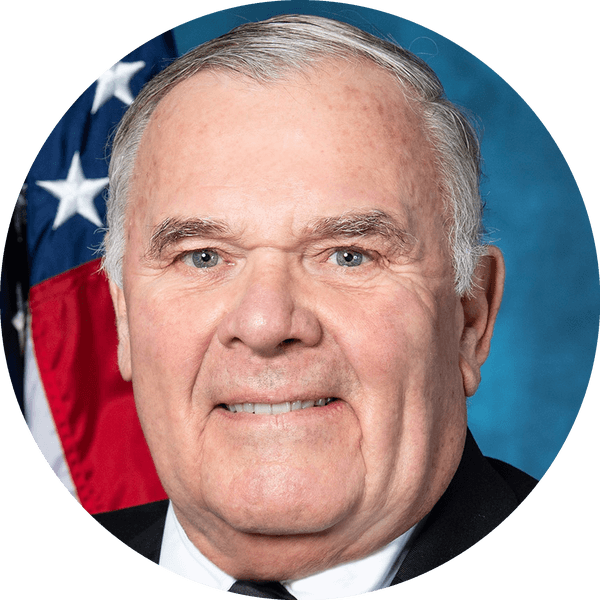
James BairdR-IN


+76
80 cosponsors
+6 this monthForwarded by Subcommittee to Full Committee by Voice Vote.
Feb 10, 2026
HouseTransportation and Public Works
S. 2503
ROTOR Act

Ted CruzR-TX




+17
21 cosponsors
On motion to suspend the rules and pass the bill Failed by the Yeas and Nays: (2/3 required): 264 - 133 (Roll no. 72).
Feb 24, 2026
SenateTransportation and Public Works
H.R. 7390
SELF DRIVE Act of 2026

Robert LattaR-OH


+11
15 cosponsors
Forwarded by Subcommittee to Full Committee by the Yeas and Nays: 12 - 11.
Feb 10, 2026
HouseTransportation and Public Works
H.R. 7437
BASICS Act

Kristen McDonald RivetD-MI

+9
13 cosponsors
Referred to the House Committee on Transportation and Infrastructure.
Feb 9, 2026
HouseTransportation and Public Works
S. 161
She DRIVES Act

Deb FischerR-NE


+9
13 cosponsors
Placed on Senate Legislative Calendar under General Orders. Calendar No. 141.
Jul 31, 2025
SenateTransportation and Public Works
H.R. 2992
To amend title 23, United States Code, and the Infrastructure Investment and Jobs Act with respect to vehicle roadside crashes, work zone safety, and for other purposes.

Troy CarterD-LA
+6
10 cosponsors
Referred to the Subcommittee on Highways and Transit.
Apr 24, 2025
HouseTransportation and Public Works
Trending Right Now
Bills gaining momentum across Congress
H.R. 1502Surging+43
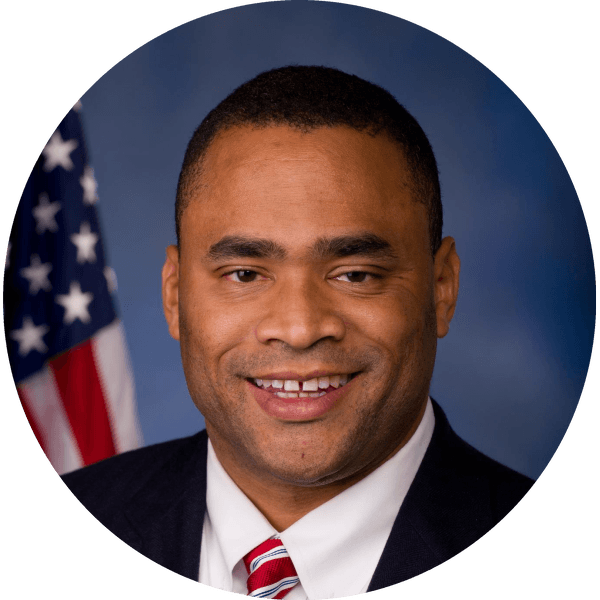
North Platte Canteen Congressional Gold Medal Act

Adrian SmithR-NE

+298
302 cosponsors
+43 this monthReferred to the House Committee on Financial Services.
Feb 21, 2025
HouseArmed Forces and National Security
H.R. 3277Surging+13
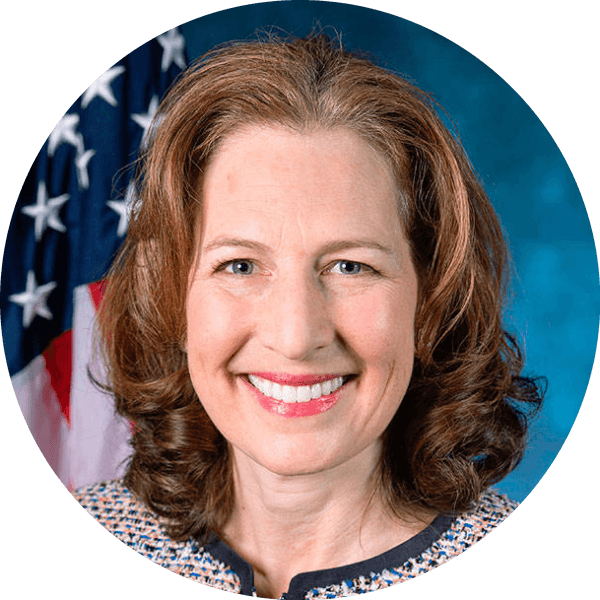
Ensuring Lasting Smiles Act
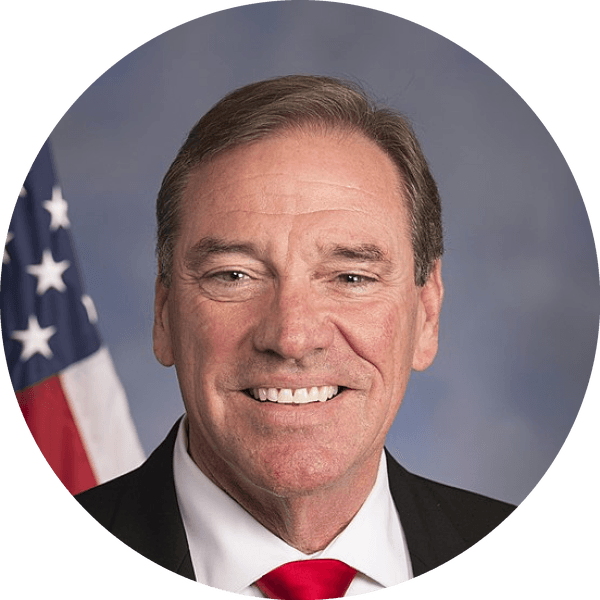
Neal DunnR-FL



+223
227 cosponsors
+13 this monthReferred to the Committee on Energy and Commerce, and in addition to the Committees on Education and Workforce, and Ways and Means, for a period to be subsequently determined by the Speaker, in each case for consideration of such provisions as fall within the jurisdiction of the committee concerned.
May 8, 2025
HouseHealth
H.R. 5490Active+2
Dismantle Foreign Scam Syndicates Act
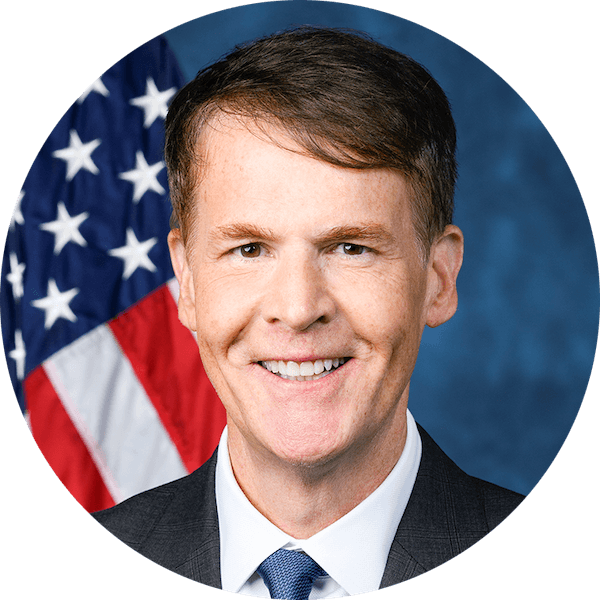
Jefferson ShreveR-IN
+70
74 cosponsors
+2 this monthReceived in the Senate and Read twice and referred to the Committee on Foreign Relations.
Nov 19, 2026
HouseInternational Affairs
Tracking Transportation and Public Works in Congress? Monitor bills, track cosponsor momentum, and launch advocacy campaigns — all from one advocacy platform.