H.R. 1732: GUARD VA Benefits Act
Sponsor
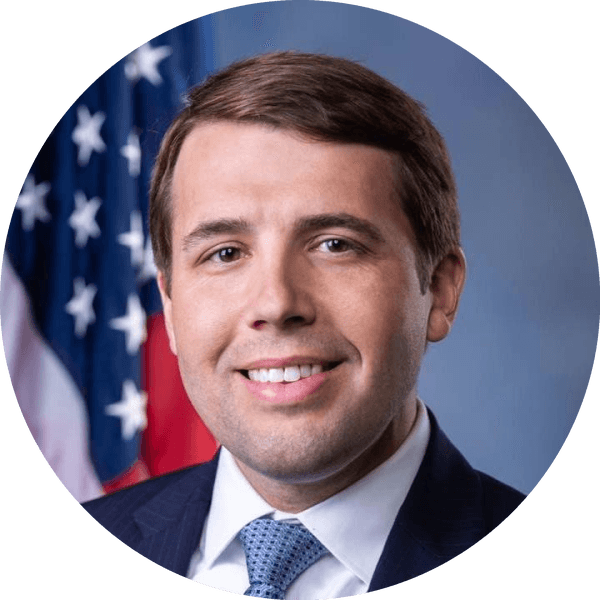
Chris Pappas
Democrat · NH-1
Federal fines would return for unauthorized VA claim fees
Why it matters
Only accredited attorneys, claims agents, and veterans service officers can legally charge veterans for VA benefits claim help — and Veterans Service Organizations like the VFW and American Legion provide that help for free. H.R. 1732 restores a federal criminal fine for anyone outside that system who charges, takes, or even tries to charge veterans for it.
The GUARD VA Benefits Act is a one-page enforcement bill. It amends Section 5905 of Title 38 — the part of federal veterans' law that already penalizes withholding benefits — and adds a new penalty for charging veterans unauthorized fees to help with VA claims.
Under current law, only VA-accredited attorneys, claims agents, and veterans service officers can charge for help with disability or other benefits claims. Even they face tight rules: contingency fees can only run on appeals, not initial claims, and the percentages are capped. Free help from accredited Veterans Service Organizations like the VFW, American Legion, and DAV is available in every state.
The gap the bill targets is between that legal framework and what actually happens in the market. Companies and consultants advertise themselves as VA claims experts, charge veterans flat fees or percentages of back pay, and operate outside the accreditation system entirely. Many veterans don't know the distinction. The criminal fine for those operators is what this bill puts back into federal law.
The penalty applies whether the unaccredited operator actually receives money or just tries to. Soliciting a fee, signing a contract for one, charging one, or attempting any of those acts can trigger it. Existing fee rights for accredited representatives stay intact.
Whether this changes the market depends on enforcement. A criminal fine on paper means little if federal investigators and prosecutors don't bring cases. Veterans service organizations have pushed for stronger guardrails on unaccredited operators for years; supporters of the bill say a clear criminal hook gives the government a sharper tool than civil cease-and-desist letters alone.
Bill Progress
Latest Action · Mar 18, 2026
Committee Hearings Held
H.R. 1732 Bill Summary
What H.R. 1732 actually does.
Charging veterans unauthorized fees becomes a federal crime again
The bill adds a new penalty to Section 5905 of federal veterans' law: anyone who charges, takes, or even tries to charge veterans for help with VA benefits claims faces fines under federal criminal law. The provision was on the books in earlier versions of Title 38 and is being reinstated.
The penalty covers asking, not just receiving
Soliciting a fee, signing a contract for one, or attempting any of those acts triggers the same penalty as actually getting paid. An unaccredited consultant who pitches a veteran a paid claims service is exposed even if no money changes hands.
Accredited representatives keep their existing fee rights
Attorneys, claims agents, and veterans service officers who are accredited under existing federal veterans' law can still charge for the work the law already allows — typically appeals work with capped contingency fees. The bill doesn't touch that framework.
Applies from initial filing through appeals
The penalty covers the full lifecycle of a VA benefits claim — preparation, presentation, and prosecution — when the person charging isn't authorized to do so. That includes the initial claim, supplemental claims, and Board of Veterans' Appeals proceedings.
Fines run under Title 18, federal criminal code
Penalty amounts aren't specified in the bill itself. Violators would be fined as provided in Title 18 of the U.S. Code, the general federal criminal statute that sets fine ranges for misdemeanor and felony offenses based on individual or organizational status.
Who benefits from H.R. 1732?
Veterans navigating VA disability or pension claims
First-time claimants are the most likely to encounter unaccredited operators online — they don't always know that Veterans Service Organizations like the VFW, American Legion, and DAV provide accredited help for free, with no fee at all on initial claims.
Surviving spouses filing for VA benefits
Spouses and dependents seeking dependency and indemnity compensation often go through the claims process during one of the worst moments of their lives. The bill extends the same protection from unauthorized fees to anyone filing on behalf of veterans' families.
Accredited attorneys, claims agents, and VSO representatives
Lawful representatives who follow the accreditation rules — and the fee caps that come with them — gain a clearer line between their work and the unaccredited operators competing on the same searches and ads.
VA Office of General Counsel and federal prosecutors
The bill gives federal enforcers a direct criminal hook for going after operators who currently get civil cease-and-desist letters at most. Whether that hook gets used depends on referrals and prosecutorial priorities.
Who is affected by H.R. 1732?
Unaccredited claims consultant firms
Companies that charge veterans flat fees or percentages of back pay to file disability claims — outside the VA accreditation system — would face federal criminal fines for the same business they currently run.
Marketing-first claims operators
Operators that advertise higher disability ratings or faster claim decisions, then charge veterans for that help, would have to either get accredited, change their model, or stop offering paid services entirely.
Veterans paying out of back pay
Some veterans have signed contracts giving up significant percentages of their VA back-pay awards to unaccredited helpers. Those contracts were already unenforceable under current law; the bill makes the act of soliciting them a fineable crime.
VA accreditation system itself
The bill reinforces the existing line between accredited and unaccredited representatives but doesn't add new accreditation slots, fund VSO outreach, or change the fee caps already in place for lawful representatives.
HR1732 Legislative Journey
House: Committee Action
Mar 18, 2026
Committee Hearings Held
House: Committee Action
Mar 27, 2025
Referred to the Subcommittee on Disability Assistance and Memorial Affairs.
House: Committee Action
Feb 27, 2025
Referred to the Committee on Veterans' Affairs, and in addition to the Committee on the Judiciary, for a period to be subsequently determined by the Speaker, in each case for consideration of such provisions as fall within the jurisdiction of the committee concerned.
About the Sponsor
Chris Pappas
Democrat, New Hampshire's 1st congressional district · 7 years in Congress
Committees: Veterans' Affairs, Transportation and Infrastructure
View full profile →
Cosponsors (137)
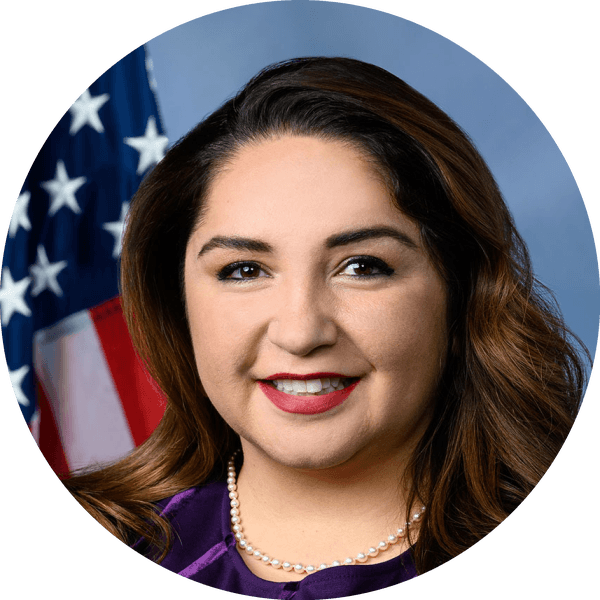
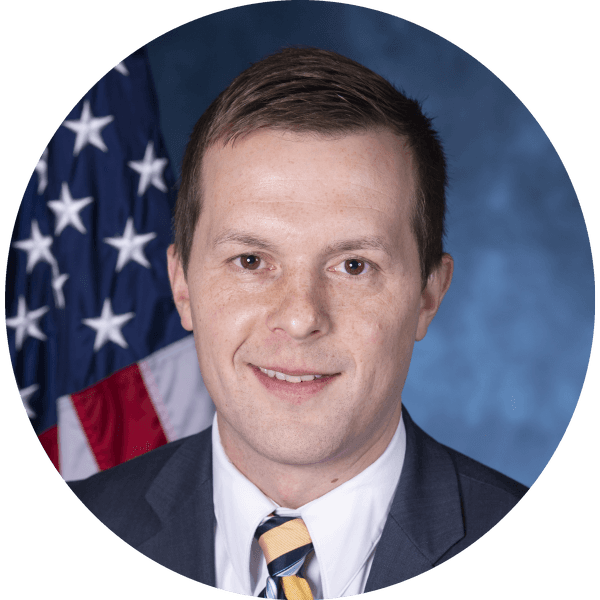
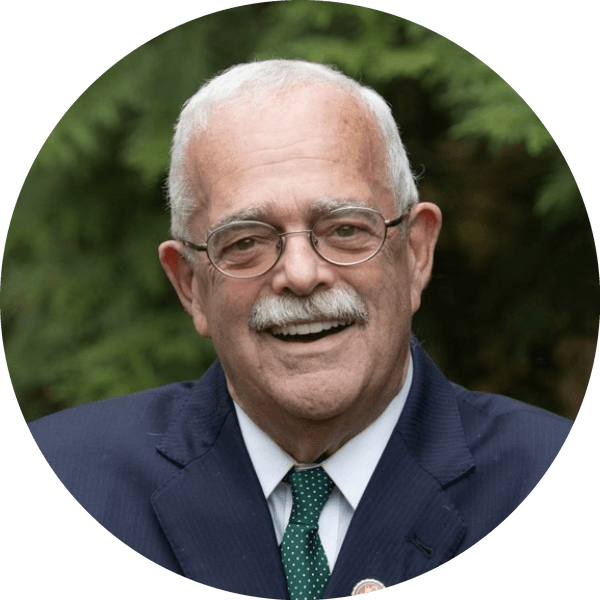
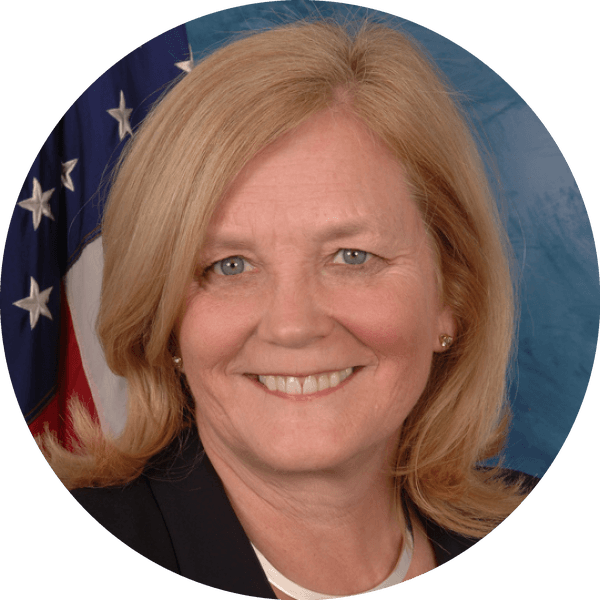
This bill has 137 cosponsors: 121 Democrats, 16 Republicans, reflecting bipartisan support. Cosponsors represent 39 states: Alabama, Arizona, California, and 36 more.
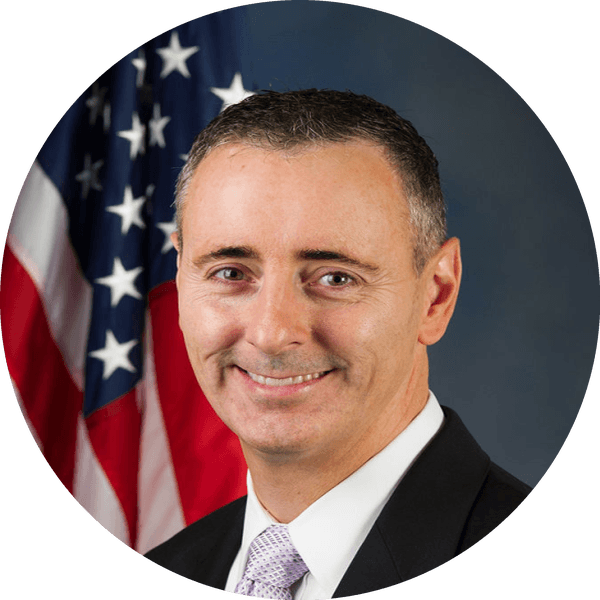
Brian Fitzpatrick
Republican · PA
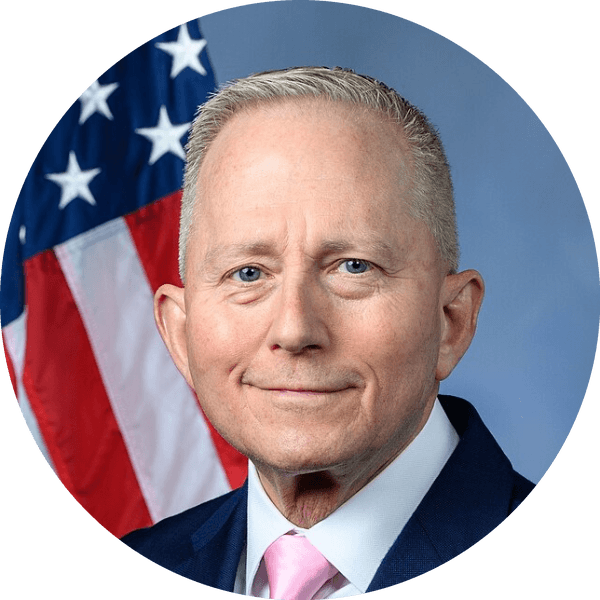
Jefferson Van Drew
Republican · NJ
Bennie Thompson
Democrat · MS
Delia Ramirez
Democrat · IL
Jared Golden
Democrat · ME
Gerald Connolly
Democrat · VA

Don Bacon
Republican · NE

Morgan McGarvey
Democrat · KY
Chellie Pingree
Democrat · ME
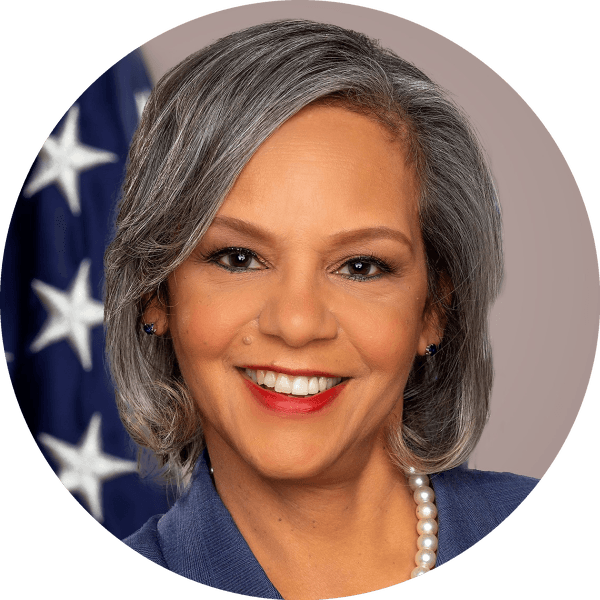
Robin Kelly
Democrat · IL

Emilia Sykes
Democrat · OH

Marilyn Strickland
Democrat · WA
Cosponsor Coverage Map
Committee Sponsors
Veterans' Affairs Committee
8 of 25 committee members cosponsored


Judiciary Committee
9 of 44 committee members cosponsored


15 Democrats across these committees haven't cosponsored yet. Mobilize their constituents
H.R. 1732 Quick Facts
- Committee
- Veterans' Affairs
- Chamber
- House
- Policy
- Armed Forces and National Security
- Introduced
- Feb 27, 2025
Committee Hearings Held
Mar 18, 2026
Official Sources
Official bill page with full text, actions, cosponsors, and committee referrals for the GUARD VA Benefits Act
The specific statute this bill amends, which currently penalizes wrongful withholding of VA benefits
The full chapter governing who may represent veterans in VA claims and under what fee arrangements
VA Office of General Counsel page explaining accreditation requirements for claims agents, attorneys, and VSO representatives
Searchable database of all VA-accredited attorneys, claims agents, and VSO representatives
VA initiative page on predatory claims practices, with reporting resources and the VSAFE Fraud Hotline
VA guide for veterans on finding and appointing accredited representatives for benefits claims
VBA's overview of the three types of VA-accredited representatives, with the rule that VSO representatives always serve free of charge on benefits claims
Who is lobbying on H.R. 1732?
4 organizations lobbying on this bill
JOSHCO GROUP, LLC D/B/A VETERAN BENEFITS GUIDE | 4 |
VETERANS GUARDIAN VA CLAIM CONSULTING LLC | 3 |
VETERANS GUARDIAN VA CLAIM CONSULTING | 3 |
TRAJECTOR MEDICAL | 3 |
Showing 1-4 of 4 organizations
H.R. 1732 Common Questions
Is it illegal for unaccredited firms to charge veterans for VA claim help?
In most cases, yes. H.R. 1732 makes it a federal crime for anyone outside the VA accreditation system to charge, contract for, or even solicit fees for help preparing VA benefits claims. Accredited attorneys, claims agents, and VSO representatives keep their existing fee rights.
How can I find a free VA-accredited representative?
Veterans Service Organizations like the VFW, American Legion, DAV, and AMVETS provide free accredited claims help. The VA Office of General Counsel runs a public search where you can find every accredited attorney, claims agent, and VSO representative by location.
Can VA-accredited attorneys still charge fees under H.R. 1732?
Yes. The bill preserves existing fee rights for attorneys, claims agents, and VSO representatives accredited under federal veterans' law. Their fee structures — including capped contingency rates on appeals — remain unchanged.
What's the fine for charging veterans unauthorized VA claim fees?
H.R. 1732 doesn't set a specific dollar amount. Violators would be fined under Title 18 of the U.S. Code, the general federal criminal code, which sets fine ranges based on whether the offense is classified as a misdemeanor or felony.
Does the bill cover survivor benefits, not just veteran disability claims?
Yes. The penalty applies to any claim for benefits administered by the VA — including disability compensation, pensions, dependency and indemnity compensation for spouses and dependents, education benefits, and VA loan-related claims.
What does GUARD stand for in the GUARD VA Benefits Act?
Governing Unaccredited Representatives Defrauding VA Benefits Act. The acronym frames the bill's target: unaccredited representatives who collect fees from veterans without legal authority to do so.
Does H.R. 1732 create new VA benefits or just penalize bad actors?
It's purely an enforcement bill. The text doesn't add benefits, expand eligibility, increase ratings, or change how the VA processes claims. It restores a criminal fine for charging veterans unauthorized fees for claims help.
What should you do if you already paid an unaccredited firm for VA claim help?
Report it to the VA's VSAFE Fraud Hotline and the FTC. Many unauthorized fee contracts are unenforceable under current law, and accredited attorneys can sometimes help recover payments. The VA Office of General Counsel tracks operators flagged for predatory practices.
Based on H.R. 1732 bill text
H.R. 1732 Bill Text
“To amend title 38, United States Code, to reinstate penalties for persons charging veterans unauthorized fees relating to claims for benefits under the laws administered by the Secretary of Veterans Affairs, and for other purposes.”
Source: U.S. Government Publishing Office
Get notified when H.R. 1732 moves
Committee votes, floor action, cosponsor changes — straight to your inbox.
Bill alerts + Legisletter's monthly briefing. Unsubscribe anytime.
Armed Forces and National Security Bills
9 related bills we're tracking
Major Richard Star Act


Referred to the Subcommittee on Disability Assistance and Memorial Affairs.
Apr 4, 2025
North Platte Canteen Congressional Gold Medal Act

Referred to the House Committee on Financial Services.
Feb 21, 2025
Pay Our Troops Act of 2026
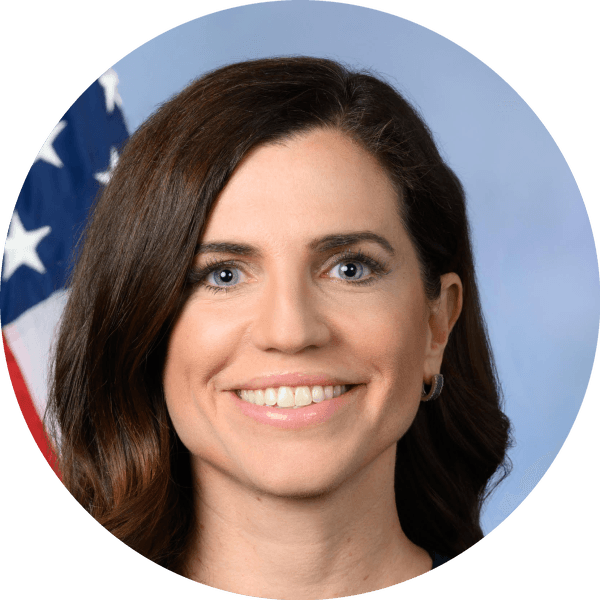

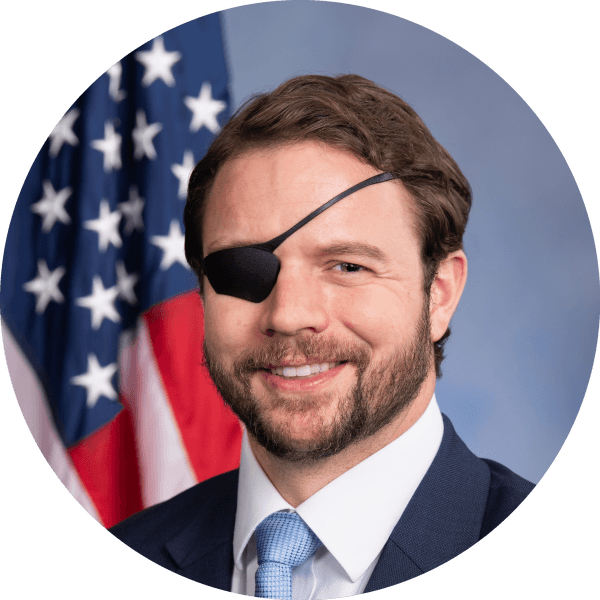
Referred to the House Committee on Appropriations.
Sep 16, 2025
Fit to Serve Act
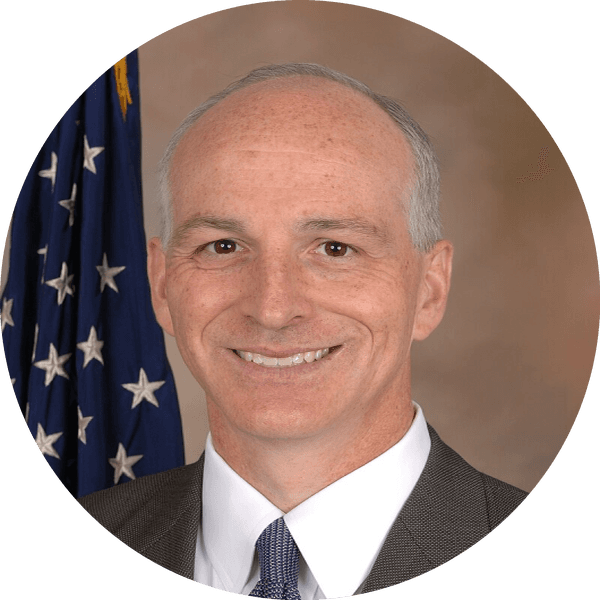
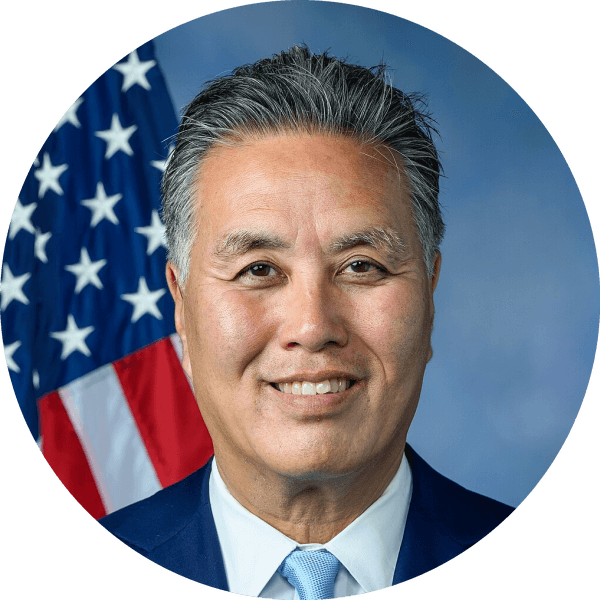
Referred to the House Committee on Armed Services.
May 21, 2025
Love Lives On Act of 2025

Forwarded by Subcommittee to Full Committee by Voice Vote.
Mar 26, 2026
Air America Act of 2025
Referred to the House Committee on Intelligence (Permanent Select).
Mar 18, 2025
Veteran Burial Timeliness and Death Certificate Accountability Act

Subcommittee Hearings Held
Jun 30, 2026
Reproductive Freedom for Veterans Act

Committee Hearings Held
Mar 18, 2026
Caring for Survivors Act of 2025
Subcommittee Hearings Held
Jun 24, 2025
Trending Right Now
Bills gaining momentum across Congress
ASAP Act
Ordered to be Reported in the Nature of a Substitute by the Yeas and Nays: 40 - 0.
Sep 16, 2026
Accelerating Access to Critical Therapies for ALS Reauthorization Act of 2026


Message on Senate action sent to the House.
Oct 14, 2026
Safe Schools Improvement Act
Referred to the House Committee on Education and Workforce.
Mar 3, 2025
Tracking Armed Forces and National Security in Congress? Monitor bills, track cosponsor momentum, and launch advocacy campaigns — all from one advocacy platform.