H.R. 5894: RESTRAIN Act
Sponsor

Dina Titus
Democrat · NV-1
Make the U.S. nuclear bomb test ban permanent
Why it matters
The United States hasn't conducted an explosive nuclear test since 1992. The only thing keeping it that way is a voluntary moratorium each president has chosen to honor. H.R. 5894 would write that pause into permanent law and block federal funding for any future explosive test.
The bill writes a permanent ban on U.S. explosive nuclear testing into federal law. Right now, the moratorium is voluntary — every president since 1992 has chosen to honor it, but nothing in statute prevents the next one from restarting. The RESTRAIN Act removes that option.
The core prohibition is one sentence: no explosive testing of a nuclear weapon, or any other nuclear explosion, conducted by the United States. The ban covers weapons tests, peaceful nuclear explosions like the civilian excavation tests the U.S. ran in the 1960s, and anything else that involves setting off a nuclear device.
Then the bill targets the money. Starting with fiscal year 2026 funding and continuing through any future appropriation, no federal dollars can pay for an explosive nuclear test. That closes the workaround where a future administration could fund a test through some other appropriations bill.
There is one carve-out: subcritical tests stay legal. Those are experiments with plutonium or uranium that cannot sustain a chain reaction — controlled studies of how aging warhead materials behave, without producing a nuclear yield. The U.S. already runs them under the stockpile stewardship program at Los Alamos, Lawrence Livermore, and the Nevada National Security Site, and the bill explicitly protects that work.
The bill is sponsored by Rep. Dina Titus, whose Nevada district sits near the site that hosted hundreds of U.S. nuclear tests between 1951 and 1992. It has 26 cosponsors, all Democrats. Whether it advances depends on the Republican-led House Armed Services Committee, which has not moved it.
Bill Progress
Latest Action · Nov 19, 2025
Sponsor introductory remarks on measure. (CR H4779-4780)
H.R. 5894 Bill Summary
What H.R. 5894 actually does.
Bans U.S. nuclear bomb tests outright
The bill prohibits any explosive testing of a nuclear weapon, or any other nuclear explosion, conducted by the United States. The current moratorium has been a policy choice since 1992; this would make it a legal requirement.
Cuts off the money starting FY 2026
No federal funds authorized for fiscal year 2026 or any future fiscal year can be used to conduct an explosive nuclear test. The restriction is permanent rather than tied to a single budget cycle.
Protects subcritical experiments
Tests of fissile materials that cannot sustain a chain reaction stay legal. These are the non-explosive experiments the U.S. already runs to maintain confidence in the existing arsenal without setting one off.
Closes the peaceful-explosion loophole
The prohibition extends beyond weapons tests to 'any other nuclear explosion.' That covers civilian uses like the excavation, mining, and scientific research explosions the U.S. conducted under Operation Plowshare in the 1960s and 70s.
Amends existing nuclear defense law
Rather than creating new statute, the bill rewrites the part of the Atomic Energy Defense Act that already addresses nuclear testing, folding the ban into the existing framework Congress passed in 2002.
Who benefits from H.R. 5894?
Arms-control supporters and nonproliferation advocates
H.R. 5894 would turn three decades of voluntary policy into binding law. Restarting U.S. testing would require Congress to first repeal the statute, raising the political cost of any future president considering it.
Communities near the Nevada National Security Site
The site hosted hundreds of U.S. nuclear tests between 1951 and 1992. Surrounding downwind communities, already affected by decades of test fallout, would face no prospect of new exposures from a resumed program.
Stockpile stewardship scientists
The bill explicitly preserves authority for subcritical tests — the backbone of the modern arsenal maintenance program at Los Alamos, Lawrence Livermore, and Sandia national laboratories. Their funding and authority survive the ban intact.
U.S. diplomats and nonproliferation officials
The Comprehensive Nuclear-Test-Ban Treaty has been signed by the U.S. but never ratified by the Senate. A domestic statutory ban would give U.S. negotiators a stronger position when pressing other countries to honor their own moratoriums.
Who is affected by H.R. 5894?
Department of Defense and NNSA planners
Both agencies would lose legal authority to plan or fund an explosive nuclear test. The NNSA's testing work would be limited to subcritical experiments and computer modeling.
Future presidents
A future president would lose unilateral authority to authorize a U.S. nuclear test. Restarting would require an act of Congress to first repeal or amend the statute, then pass new appropriations.
Congressional appropriators
Future defense funding bills could not include money for an explosive nuclear test. The restriction covers fiscal year 2026 appropriations and any funds 'otherwise made available for any fiscal year.'
Test infrastructure contractors
Companies that maintain test-readiness at the Nevada National Security Site would see no path for explosive tests under the bill. Subcritical experimental work remains funded, but the broader test-readiness posture would narrow.
HR5894 Legislative Journey
Introduced
Nov 19, 2025
Sponsor introductory remarks on measure. (CR H4779-4780)
House: Committee Action
Oct 31, 2025
Referred to the House Committee on Armed Services.
About the Sponsor
Dina Titus
Democrat, Nevada's 1st congressional district · 17 years in Congress
Committees: Foreign Affairs, Transportation and Infrastructure
View full profile →
Cosponsors (28)
All 28 cosponsors are Democrats. Cosponsors represent 15 states: California, Connecticut, District of Columbia, and 12 more.

John Garamendi
Democrat · CA
James McGovern
Democrat · MA
Ted Lieu
Democrat · CA

Lloyd Doggett
Democrat · TX

Eric Swalwell
Democrat · CA
Jill Tokuda
Democrat · HI

Rashida Tlaib
Democrat · MI

Eleanor Norton
Democrat · DC
Donald Beyer
Democrat · VA
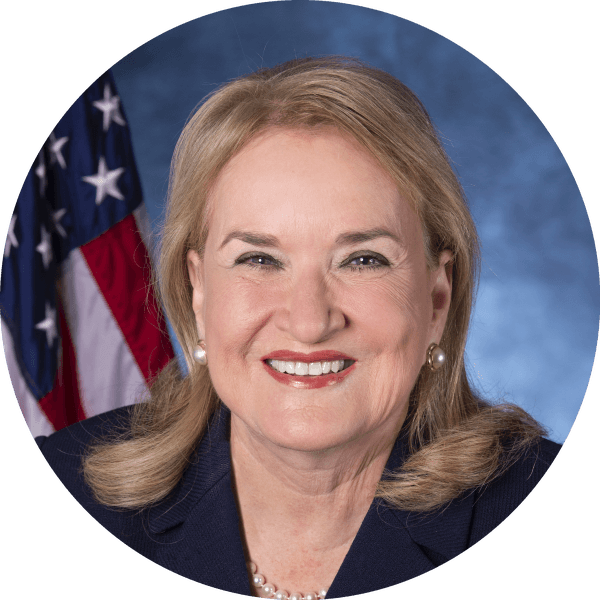
Sylvia Garcia
Democrat · TX

Chris Pappas
Democrat · NH
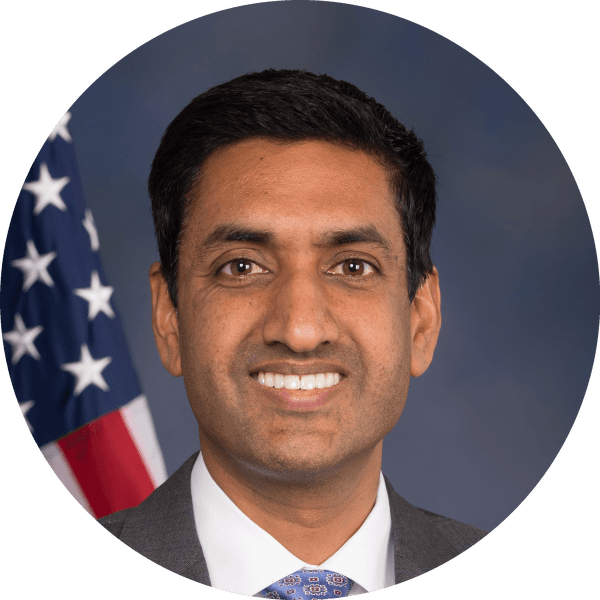
Ro Khanna
Democrat · CA
Committee Sponsors
Armed Services Committee
8 of 57 committee members cosponsored


19 Democrats across this committee haven't cosponsored yet. Mobilize their constituents
H.R. 5894 Quick Facts
- Committee
- Armed Services
- Chamber
- House
- Policy
- Armed Forces and National Security
- Introduced
- Oct 31, 2025
Sponsor introductory remarks on measure. (CR H4779-4780)
Nov 19, 2025
Official Sources
Official bill page for the RESTRAIN Act with full text, status, sponsors, and committee actions.
Current statutory text of the nuclear testing prohibition the bill would amend. Originally codified at 50 U.S.C. 2530 and recodified to Title 10 in December 2025.
Full text of the public law containing the Atomic Energy Defense Act framework that the RESTRAIN Act would rewrite rather than replace.
Department of Energy resource describing how the U.S. maintains its nuclear arsenal through modeling, simulation, and subcritical experiments instead of explosive testing.
NNSA's authoritative explanation of subcritical experiments and why the agency reports no technical need for explosive nuclear testing.
Official history of the site that hosted 928 U.S. nuclear tests between 1951 and 1992 and now runs subcritical experiments at the PULSE facility.
Concrete example of the kind of non-explosive plutonium experiment the bill explicitly preserves.
Official Congress.gov text of the unratified CTBT that H.R. 5894 would not ratify but reinforces by creating a domestic statutory ban.
H.R. 5894 Common Questions
When was the last U.S. nuclear test?
September 23, 1992. It was an underground test at the Nevada Test Site. Every president since has honored a voluntary moratorium, but no law has required it. H.R. 5894 would write that ban into permanent statute.
What is a subcritical nuclear test?
A test of fissile materials like plutonium or uranium that cannot sustain a chain reaction. No explosion, no nuclear yield. The U.S. runs these regularly to confirm aging warhead materials still work, without ever setting one off.
Does the RESTRAIN Act ban all nuclear explosions or just weapons tests?
Both. The prohibition covers explosive testing of a nuclear weapon and 'any other nuclear explosion.' That includes peaceful or civilian uses like the excavation and mining tests the U.S. conducted under Operation Plowshare in the 1960s and 70s.
Could a future president restart U.S. nuclear testing under this bill?
Not under existing authority. The bill removes the president's ability to order an explosive nuclear test. Restarting would require Congress to first repeal or amend the statute, then pass new appropriations to fund a test.
Why does H.R. 5894 carve out subcritical tests?
Because the U.S. already depends on them. Subcritical experiments at Los Alamos, Lawrence Livermore, and the Nevada National Security Site let scientists confirm the existing arsenal still works without producing a nuclear yield. The bill preserves that program.
Does H.R. 5894 affect other countries' nuclear tests?
No. The bill only restricts the United States. Russia, China, North Korea, India, and Pakistan are not bound by it. Most nuclear-armed countries have observed their own moratoriums since the 1990s, but North Korea has conducted multiple tests this century.
Does this bill ratify the Comprehensive Nuclear-Test-Ban Treaty?
No. The CTBT is a separate treaty signed by the U.S. but never ratified by the Senate. H.R. 5894 is domestic legislation that creates a U.S. statutory ban regardless of whether the treaty is ever ratified.
Who is sponsoring the RESTRAIN Act?
Rep. Dina Titus, a Democrat whose Nevada district sits near the site that hosted every U.S. nuclear test from 1951 to 1992. The bill has 26 cosponsors, all Democrats.
Based on H.R. 5894 bill text
H.R. 5894 Bill Text
“To amend the Atomic Energy Defense Act to prohibit explosive testing of nuclear weapons conducted by the United States, and for other purposes.”
Source: U.S. Government Publishing Office
Get notified when H.R. 5894 moves
Committee votes, floor action, cosponsor changes — straight to your inbox.
Bill alerts + Legisletter's monthly briefing. Unsubscribe anytime.
Armed Forces and National Security Bills
9 related bills we're tracking
Major Richard Star Act


Referred to the Subcommittee on Disability Assistance and Memorial Affairs.
Apr 4, 2025
Pay Our Troops Act of 2026




Referred to the House Committee on Appropriations.
Sep 16, 2025
Fit to Serve Act



Referred to the House Committee on Armed Services.
May 21, 2025
Love Lives On Act of 2025


Forwarded by Subcommittee to Full Committee by Voice Vote.
Mar 26, 2026
Air America Act of 2025

Referred to the House Committee on Intelligence (Permanent Select).
Mar 18, 2025
Veteran Burial Timeliness and Death Certificate Accountability Act


Subcommittee Hearings Held
Jun 30, 2026
Reproductive Freedom for Veterans Act



Committee Hearings Held
Mar 18, 2026
GUARD VA Benefits Act



Committee Hearings Held
Mar 18, 2026
Caring for Survivors Act of 2025



Subcommittee Hearings Held
Jun 24, 2025
Trending Right Now
Bills gaining momentum across Congress
America’s Olympic and Paralympic Games Commemorative Coins Act



Referred to the House Committee on Financial Services.
Jul 14, 2025
ASAP Act


Ordered to be Reported in the Nature of a Substitute by the Yeas and Nays: 40 - 0.
Sep 16, 2026
Therapeutic Fraud Prevention Act of 2025


Referred to the House Committee on Energy and Commerce.
May 7, 2025
Tracking Armed Forces and National Security in Congress? Monitor bills, track cosponsor momentum, and launch advocacy campaigns — all from one advocacy platform.