S. 1441: SAVES Act of 2025
Sponsor

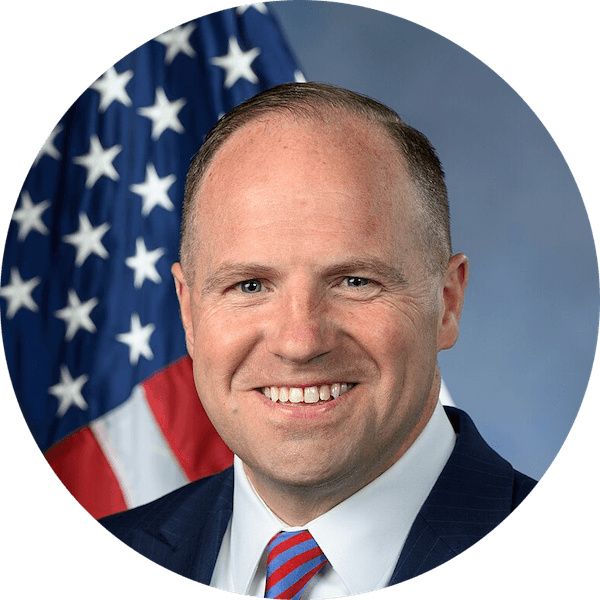
Thomas Tillis
Republican · NC
Service dogs for veterans, paid for by the VA
Why it matters
S. 1441 would put up to $50 million over five years behind a VA pilot that pays nonprofits to train and place service dogs with veterans — and bars those nonprofits from charging the veteran a cent. It covers PTSD, traumatic brain injury, blindness, hearing loss, and mobility disabilities, and the VA would keep paying for the dog's veterinary insurance even after the pilot ends.
S. 1441, the SAVES Act of 2025, would create a VA pilot program that hands out competitive grants to nonprofits that train and place service dogs with veterans. The VA would have to get the program running within two years of the bill becoming law, then run it for five years.
A veteran qualifies if a physician determines they have one of the conditions the bill names: blindness or visual impairment, hearing loss, loss of a limb or paralysis, PTSD, or traumatic brain injury. The VA can also clear other conditions if a doctor decides a service dog would help the veteran live independently.
Two pieces stand out. A nonprofit that takes grant money can't charge a veteran for the dog. And the VA would buy each veteran a commercial veterinary insurance policy for the dog — coverage that keeps going even after the five-year pilot ends, so the support doesn't stop at the handoff.
Each grant tops out at $2 million per nonprofit, and the bill authorizes $10 million a year for five years — $50 million in all, if appropriators follow through. The measure is broadly bipartisan: it cleared the Senate Veterans' Affairs Committee and now sits on the Senate calendar, with 26 cosponsors from both parties behind sponsor Thom Tillis.
Bill Progress
Latest Action · Feb 24, 2026
Placed on Senate floor schedule under General Orders. Calendar No. 342.
S. 1441 Bill Summary
What S. 1441 actually does.
The VA pays nonprofits to place service dogs
The bill directs the Department of Veterans Affairs to run a five-year pilot that awards competitive grants to nonprofits training and placing service dogs with eligible veterans.
Veterans pay nothing for the dog
A nonprofit that accepts a grant is barred from charging a veteran any fee for a service dog provided through the program.
Covers PTSD, TBI, and physical disabilities
Eligible veterans include those a physician confirms have blindness or visual impairment, hearing loss, loss of a limb or paralysis, PTSD, or traumatic brain injury.
Veterinary insurance that outlasts the pilot
The VA would buy each veteran a commercial veterinary insurance policy for the dog, and that coverage continues even after the five-year pilot program ends.
Grants capped and awarded competitively
Nonprofits apply to the VA and, if approved, sign an agreement before any money is paid. No single nonprofit can receive more than $2 million.
VA oversight of how grant money is spent
The VA would set monitoring requirements, can require reports from grantees, and can act on any problems it finds with how funds are used.
Who benefits from S. 1441?
Veterans with PTSD or traumatic brain injury
A trained dog can interrupt a panic attack, wake a veteran from a nightmare, or provide grounding in a crowd — support that's hard to get when the dog itself costs thousands to train.
Veterans with vision, hearing, or mobility disabilities
They could receive dogs trained to guide, alert to sounds, retrieve dropped items, or brace a veteran who has lost the use of a limb.
Service dog nonprofits
Accredited groups could win up to $2 million each in federal grants to expand training, placement, outreach, and follow-up support.
Veterans' families and caregivers
A service dog that helps a veteran handle daily routines on their own can ease the load on the family members caring for them.
Who is affected by S. 1441?
Department of Veterans Affairs
The VA would have to design the pilot, vet applicants, sign grant agreements, run oversight, and arrange veterinary insurance for every dog placed.
Veterans seeking service dogs
They would have a clearer federal path to a dog through approved nonprofits, though access depends on how many grants the VA awards and how the dollars hold up.
Service dog training nonprofits
Applicants would have to meet federal requirements on training quality, humane animal standards, marketing to veterans, and reporting back to the VA.
Appropriators and taxpayers
Congress would have to fund the authorized $10 million a year through a separate spending bill, plus the VA's administrative and insurance costs.
Cost & Funding
Authorization
$10 million per year for five years — $50 million total
- The bill authorizes $10 million for each of five consecutive fiscal years after the program is established — $50 million in all.
- Grants to any one nonprofit are capped at $2 million.
- Authorized funding isn't money in hand — appropriators still have to write it into a spending bill before grants can be awarded.
- The VA also takes on administrative and oversight costs, plus veterinary insurance for each dog placed — and that insurance continues even after the five-year pilot ends.
S1441 Legislative Journey
Committee Action
Feb 24, 2026
Committee on Veterans' Affairs. Reported by Senator Moran with an amendment in the nature of a substitute. With written report No. 119-113.
Passed Committee
Jul 30, 2025
Committee on Veterans' Affairs. Ordered to be reported with an amendment in the nature of a substitute favorably.
Committee Action
May 21, 2025
Committee on Veterans' Affairs. Hearings held. Hearings printed: S.Hrg. 119-86.
Committee Action
Apr 10, 2025
Read twice and referred to the Committee on Veterans' Affairs.
About the Sponsor
Thomas Tillis
Republican, NC · 11 years in Congress
Committees: Commission on Security and Cooperation in Europe, Banking, Housing, and Urban Affairs, Veterans' Affairs
View full profile →
Cosponsors (29)
This bill has 29 cosponsors: 22 Democrats, 6 Republicans, 1 Independent, reflecting bipartisan support. Cosponsors represent 24 states: Alaska, Arizona, California, and 21 more.

Richard Blumenthal
Democrat · CT

John Cornyn
Republican · TX

Richard Durbin
Democrat · IL

Kevin Cramer
Republican · ND

Elissa Slotkin
Democrat · MI

Angus King
Independent · ME

Jacky Rosen
Democrat · NV

Jeanne Shaheen
Democrat · NH
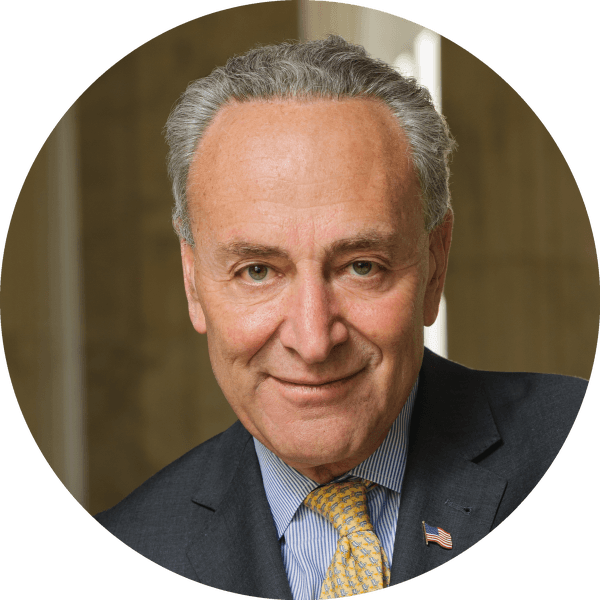
Charles Schumer
Democrat · NY

Ted Budd
Republican · NC
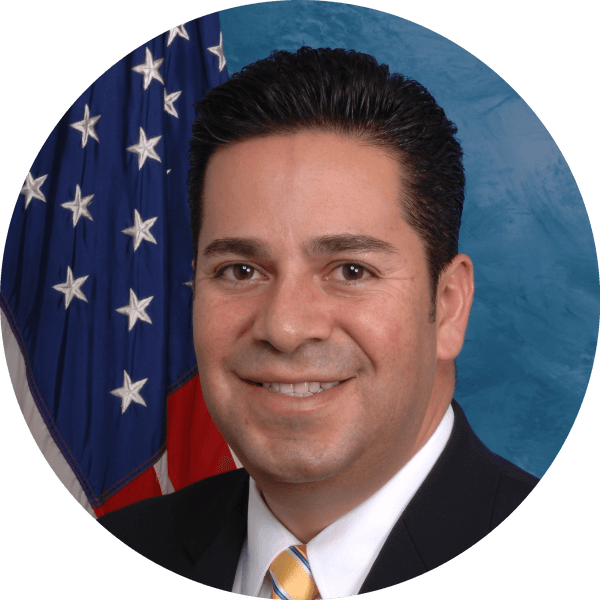
Ben Luján
Democrat · NM

Alex Padilla
Democrat · CA
Committee Sponsors
Veterans' Affairs Committee
7 of 19 committee members cosponsored


9 Republicans across this committee haven't cosponsored yet. Mobilize their constituents
S. 1441 Quick Facts
- Committee
- Veterans' Affairs
- Chamber
- Senate
- Policy
- Armed Forces and National Security
- Introduced
- Apr 10, 2025
Placed on Senate floor schedule under General Orders. Calendar No. 342.
Feb 24, 2026
Official Sources
The full bill text, status, cosponsors, and legislative history for the SAVES Act of 2025.
The Senate Veterans' Affairs Committee's official report on S. 1441, explaining the pilot and the amendment it adopted.
The Congressional Budget Office's score, estimating the pilot would cost $54 million over 2025-2035 and place dogs with about 1,000 veterans.
VA's existing veterinary insurance benefit for service dogs — the model for the coverage S. 1441 would extend to dogs placed through the pilot.
VA's resource hub on PTSD, one of the conditions that makes a veteran eligible for a service dog under the bill.
VA information on traumatic brain injury, another qualifying condition named in S. 1441.
The committee that held hearings on and favorably reported S. 1441 before it was placed on the Senate calendar.
The Americans with Disabilities Act standard for service dogs that grant-receiving nonprofits must have experience training to.
S. 1441 Common Questions
How much money could a nonprofit get from the SAVES Act?
Each grant is capped at $2 million. A nonprofit applies to the VA, and if approved, signs an agreement spelling out how the money can be used before any funds are paid out.
Would veterans have to pay for a service dog under S. 1441?
No. A nonprofit that accepts a VA grant is barred from charging a veteran any fee for a service dog provided through the program.
Does the SAVES Act cover vet bills for the service dog?
Yes. The VA would buy each veteran a commercial veterinary insurance policy for their service dog — and that coverage continues even after the five-year pilot program ends.
What conditions would qualify a veteran for a service dog?
A physician has to confirm the veteran has blindness or visual impairment, hearing loss, loss of a limb or paralysis, PTSD, or traumatic brain injury. The VA can also approve other conditions a doctor says warrant a service dog.
When would the VA service dog program start, and how long would it last?
The VA would have to set up the pilot within 24 months of the bill becoming law, then run it for five years from the date the first grant is awarded.
How much would the SAVES Act cost?
The bill authorizes $10 million a year for five years — $50 million total. That's a ceiling, not a guarantee; appropriators still have to fund it through a separate spending bill.
Can any service dog nonprofit get a VA grant?
No. A nonprofit has to show it can train both dogs and veterans, expand the number of placements, follow humane animal standards, and has experience training service dogs under the Americans with Disabilities Act.
What counts as a service dog under the SAVES Act?
A dog individually trained to do work or perform tasks tied directly to the veteran's specific disability or condition — not a pet or an emotional support animal without that training.
Based on S. 1441 bill text
S. 1441 Bill Text
“To require the Secretary of Veterans Affairs to award grants to nonprofit entities to assist such entities in carrying out programs to provide service dogs to eligible veterans, and for other purposes.”
Source: U.S. Government Publishing Office
Get notified when S. 1441 moves
Committee votes, floor action, cosponsor changes — straight to your inbox.
Bill alerts + Legisletter's monthly briefing. Unsubscribe anytime.
Armed Forces and National Security Bills
9 related bills we're tracking
Major Richard Star Act





Referred to the Subcommittee on Disability Assistance and Memorial Affairs.
Apr 4, 2025
North Platte Canteen Congressional Gold Medal Act





Referred to the House Committee on Financial Services.
Feb 21, 2025
Pay Our Troops Act of 2026




Referred to the House Committee on Appropriations.
Sep 16, 2025
Fit to Serve Act





Referred to the House Committee on Armed Services.
May 21, 2025
Love Lives On Act of 2025




Forwarded by Subcommittee to Full Committee by Voice Vote.
Mar 26, 2026
Air America Act of 2025


Referred to the House Committee on Intelligence (Permanent Select).
Mar 18, 2025
Veteran Burial Timeliness and Death Certificate Accountability Act



Subcommittee Hearings Held
Jun 30, 2026
Reproductive Freedom for Veterans Act





Committee Hearings Held
Mar 18, 2026
GUARD VA Benefits Act




Committee Hearings Held
Mar 18, 2026
Trending Right Now
Bills gaining momentum across Congress
ASAP Act


Ordered to be Reported in the Nature of a Substitute by the Yeas and Nays: 40 - 0.
Sep 16, 2026
Accelerating Access to Critical Therapies for ALS Reauthorization Act of 2026




Message on Senate action sent to the House.
Oct 14, 2026
Safe Schools Improvement Act




Referred to the House Committee on Education and Workforce.
Mar 3, 2025
Tracking Armed Forces and National Security in Congress? Monitor bills, track cosponsor momentum, and launch advocacy campaigns — all from one advocacy platform.