Mr. Speaker, when we finally got to the bill that is the order of the day, there was something that jumped out at me. I was actually planning on just reserving my time, but my colleague, and I suspect he may have gotten excited and misspoke, but he said: This bill does not do anything for ordinary Americans. Mr. Speaker, I ask you, since when does the average schoolteacher not count as an ordinary American? Since when does a nonprofit worker working for some charity or hospital not qualify as an ordinary American?
H.R. 1013: Retirement Fairness for Charities and Educational Institutions Act of 2025
Introduced Feb 5, 202524 cosponsors
Sponsor
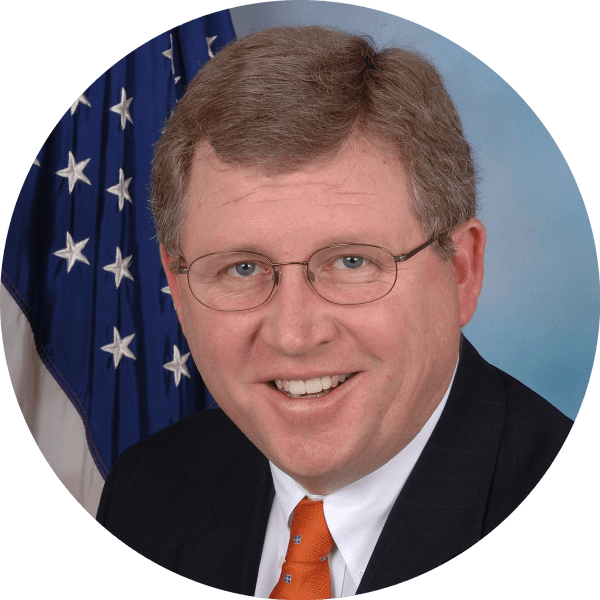
Frank Lucas
Republican · OK-3
Teachers' 403(b)s should get what 401(k)s already have
3 min readLast updated November 12, 2026
Why it matters
295 to 128: the House voted to let 403(b) retirement plans, the plans teachers, charity workers and church employees save in, invest in bank collective trusts and insurance company separate accounts. 401(k) plans can already use these pooled funds. The bill now goes to the Senate.
Federal securities law lets a 401(k) plan put money in a collective investment trust, a pooled fund maintained by a bank, without that trust registering as an investment company. A 403(b) plan, the kind offered by public schools, charities and churches, is not on that list.
H.R. 1013 would add qualifying 403(b) plans to that list, so they could invest through bank collective trusts and insurance company separate accounts. It makes matching changes to the securities registration exemptions, so the same investments could be offered to 403(b) savers without separate registration.
A 403(b) plan qualifies only if one of three things is true: it is covered by ERISA, the federal law that holds private employer plans to fiduciary duties; the employer agrees to act as a fiduciary when choosing the plan's investment menu; or it is a government plan, such as a school district's. For government plans, the employer or a fiduciary would have to review and approve every investment option before employees could choose it.
The bill does not set fees, guarantee returns or change how much you can contribute. It changes which investments your plan is allowed to offer; whether your plan adds them is up to the employer.
The House passed the bill in an amended form. The provisions described here are from the introduced text.
Bill Progress
IntroducedFeb 5
Committee
Pass HouseNov 11
Pass Senate
Signed
Law
Latest Action · Nov 11, 2026
1/3
Passed the House, received in Senate
H.R. 1013 Bill Summary
What H.R. 1013 actually does.
1
403(b) plans can use bank collective trusts
Qualifying 403(b) plans join 401(k)-type plans and government plans on the list of plans whose money can be pooled in a bank collective trust fund without the fund registering as an investment company.
2
Insurance company separate accounts open to 403(b) money
Insurance company separate accounts could hold contributions from qualifying 403(b) plans, alongside the pension and government plan money they can hold today.
3
Three ways a plan qualifies
The plan must be covered by ERISA, have an employer that agrees to act as a fiduciary for its investment menu, or be a government plan.
4
Government plans must vet every option
For a government 403(b), the employer, a plan fiduciary or someone acting for the employer must review and approve each investment option before it is offered to participants.
5
Same treatment under securities registration rules
Matching changes to the 1933 and 1934 securities laws let these investments be offered to qualifying 403(b) plans without separate registration.
Who benefits from H.R. 1013?
Public school teachers and staff
School districts' 403(b) plans could add collective trusts, once the district or a plan fiduciary has reviewed and approved each option.
Employees of charities and nonprofits
Workers whose employers offer a 403(b), from nonprofit hospitals to universities and local charities, could see the same pooled funds 401(k) savers can already be offered.
Employers that sponsor 403(b) plans
Schools, charities and other sponsors gain more investment options to choose from when building their plan menus.
Banks and insurance companies
Banks that run collective trusts and insurers that run separate accounts could take in 403(b) plan money.
Who is affected by H.R. 1013?
Employers that choose the fiduciary route
An employer whose plan is not covered by ERISA and is not a government plan would have to accept fiduciary responsibility for picking the plan's investments, a legal duty that comes with liability.
School districts and other government employers
They would have to review and approve every investment option before offering it, a new step for government 403(b) plans.
Banks and insurance companies
Before accepting 403(b) money, they would need to confirm that each plan meets one of the three qualifying conditions.
On the Record
What Congress Is Saying
H.R. 1013 has come up 27 times in the Congressional Record so far.
The Rules Committee met last night and favorably reported a rule providing for consideration of one measure, the Retirement Fairness for Charities and Educational Institutions Act of 2025. House Resolution 1650 provides for consideration of H.R. 1013, the Retirement Fairness for Charities and Educational Institutions Act of 2025, under a closed rule. The rule provides for 1 hour of general debate equally divided and controlled by the chair and ranking minority member of the Committee on Financial Services or their respective designees and provides for one motion to recommit. H.R.

Mr. Speaker, let me make it clear. This is a bill about retirement investment plans. It has nothing to do with tariffs. Just so everybody understands, it is not about tariffs, and it lowers costs today. Now, it is true that the money may not be reaped until the future, but it lowers costs today because it is anticipated that this bill will lower the fees on the retirement plans that many of our nonprofit workers and our schoolteachers use for their retirements. Mr. Speaker, I reserve the balance of my time. Mr. McGOVERN. Mr. Speaker, I yield myself such time as I may consume. Mr.
H.R. 1013 also appeared in 1 more House floor reference and 17 routine cosponsor filings.
HR1013 Legislative Journey
House: Passed 295-128
Nov 11, 2026
On passage Passed by the Yeas and Nays: 295 - 128 (Roll no. 321). (text of amendment in the nature of a substitute: CR H6166)
+5 more actions this day
House: Passed
Nov 10, 2026
Rule H. Res. 1650 passed House.
House: Committee Action
Nov 9, 2026
Rules Committee Resolution H. Res. 1650 Reported to House. Rule provides for consideration of H.R. 1013 with 1 hour of general debate. Previous question shall be considered as ordered except motion to recommit. Bill is closed to amendments.
House: Committee Action
Nov 28, 2025
Reported (Amended) by the Committee on Financial Services. H. Rept. 119-390.
House: Vote: 43-8
May 20, 2025
Ordered to be Reported (Amended) by the Yeas and Nays: 43 - 8.
House: Committee Action
Feb 5, 2025
Referred to the House Committee on Financial Services.
About the Sponsor
Frank Lucas
Republican, Oklahoma's 3rd congressional district · 33 years in Congress
Committees: Agriculture, Financial Services
View full profile →
Cosponsors (24)
This bill has 24 cosponsors: 19 Democrats, 5 Republicans, reflecting bipartisan support. Cosponsors represent 17 states: Alabama, California, Colorado, and 14 more.
19Democrats5Republicans·17 statesBipartisan
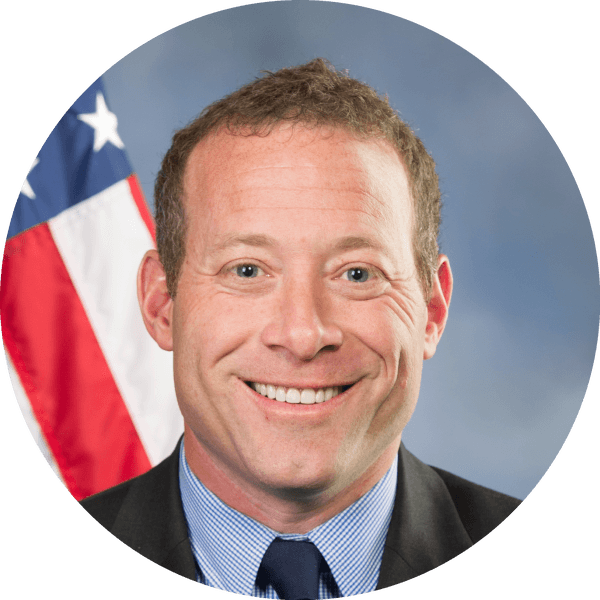
Josh Gottheimer
Democrat · NJ

Bill Foster
Democrat · IL
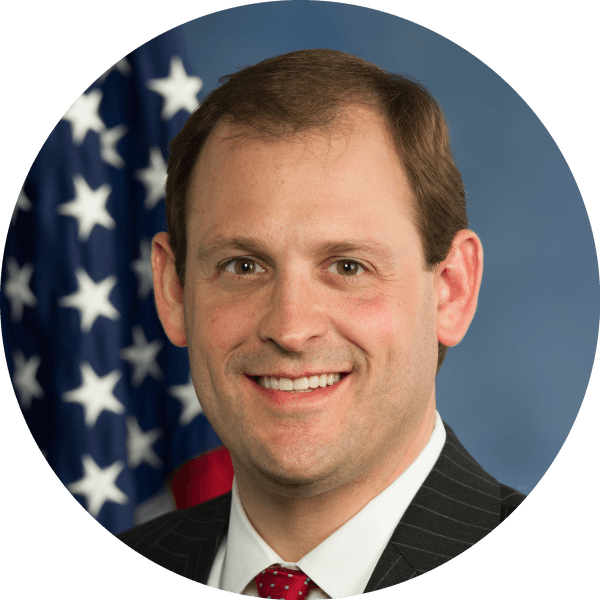
Andy Barr
Republican · KY
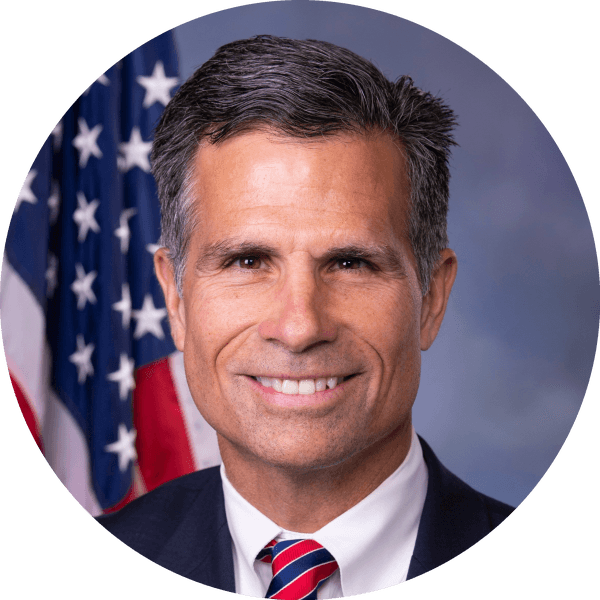
Daniel Meuser
Republican · PA

Brittany Pettersen
Democrat · CO

Zachary Nunn
Republican · IA
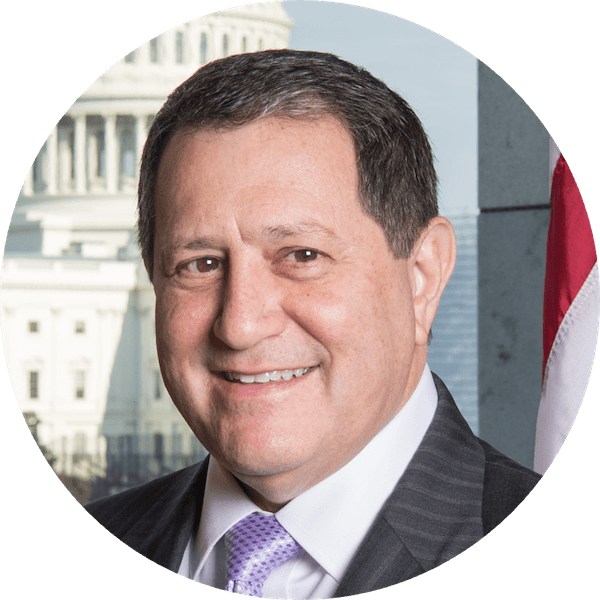
Joseph Morelle
Democrat · NY
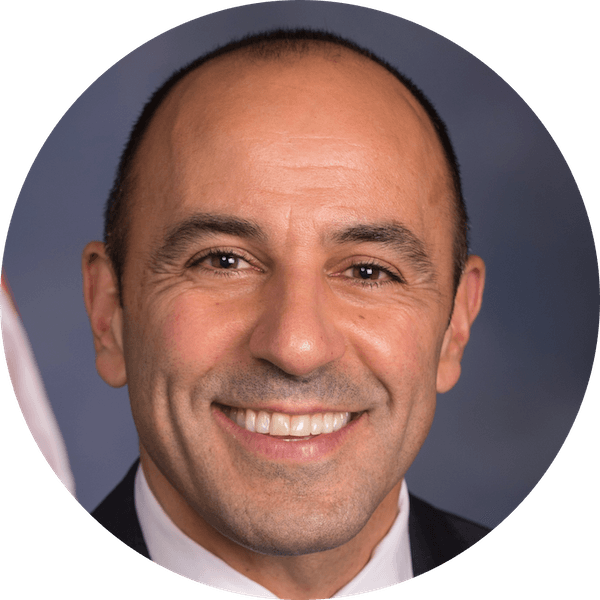
Jimmy Panetta
Democrat · CA

Pete Sessions
Republican · TX

Terri Sewell
Democrat · AL
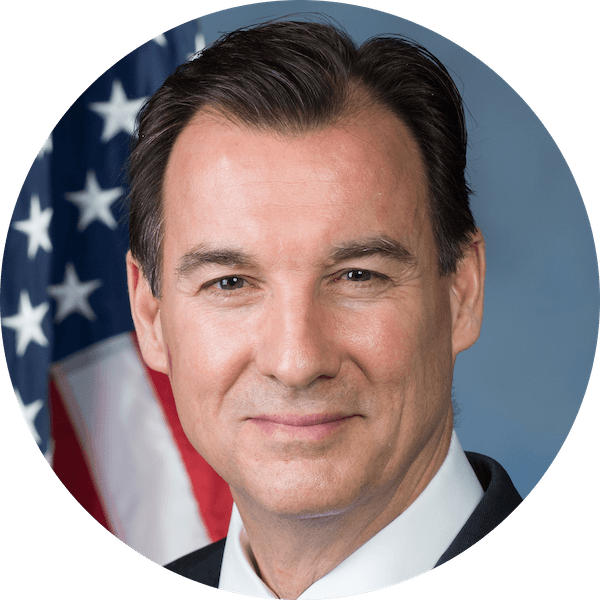
Thomas Suozzi
Democrat · NY

Joe Neguse
Democrat · CO
Committee Sponsors
Financial Services Committee
24D30R
|9 signed45 not yet9 of 54 committee members cosponsored


25 Republicans across this committee haven't cosponsored yet. Mobilize their constituents
H.R. 1013 Quick Facts
Cosponsors
24
- Committee
- Financial Services
- Chamber
- House
- Policy
- Finance and Financial Sector
- Introduced
- Feb 5, 2025
Passed the House, received in Senate
Nov 11, 2026
H.R. 1013 Common Questions
What does H.R. 1013 do?
It lets 403(b) retirement plans, the plans offered by public schools, charities and churches, invest in bank collective trusts and insurance company separate accounts, the pooled funds 401(k) plans can already use.
Did the Retirement Fairness for Charities and Educational Institutions Act pass?
It passed the House 295-128. It now needs to pass the Senate and be signed by the President before it becomes law.
How did the House vote on H.R. 1013?
All 211 Republicans who voted and 83 Democrats voted yes, along with 1 independent. 128 Democrats voted no.
What is a collective investment trust?
A pooled investment fund maintained by a bank for retirement plans. Federal securities law already lets 401(k)-type plans and government plans invest in them without the fund registering as an investment company.
Who has a 403(b) plan?
Mostly employees of public schools, charities and other nonprofits, and churches. Teachers, nonprofit hospital staff and university employees are common examples.
Will my 403(b) fees go down?
Not automatically. The bill sets no fees and guarantees no returns. It lets plans offer these funds; whether your plan adds them, and at what cost, is up to your employer.
Which 403(b) plans would qualify?
A plan covered by ERISA, a plan whose employer agrees to act as a fiduciary for its investment menu, or a government plan. Government plans must also review and approve every option before offering it.
Does H.R. 1013 change 403(b) contribution limits or taxes?
No. It changes securities rules about which investments a 403(b) plan may offer. Contribution limits and tax treatment are untouched.
Based on H.R. 1013 bill text
H.R. 1013 Bill Text
“To amend the Federal securities laws to enhance 403(b) plans, and for other purposes.”
Source: U.S. Government Publishing Office
Bill Alerts
Get notified when H.R. 1013 moves
Committee votes, floor action, cosponsor changes — straight to your inbox.
Bill alerts + Legisletter's monthly briefing. Unsubscribe anytime.
Finance and Financial Sector Bills
9 related bills we're tracking
H.R. 4382
America’s Olympic and Paralympic Games Commemorative Coins Act
Brad ShermanD-CA



+304
308 cosponsors
Referred to the House Committee on Financial Services.
Jul 14, 2025
HouseFinance and Financial Sector
H.R. 1628
761st Tank Battalion Congressional Gold Medal Act
Gary PalmerR-AL

+286
290 cosponsors
+2 this monthReferred to the Committee on Financial Services, and in addition to the Committee on House Administration, for a period to be subsequently determined by the Speaker, in each case for consideration of such provisions as fall within the jurisdiction of the committee concerned.
Feb 26, 2025
HouseFinance and Financial Sector
H.R. 1101
Taxpayer Data Protection Act

Haley StevensD-MI


+201
205 cosponsors
Sponsor introductory remarks on measure. (CR H625-626)
Feb 11, 2025
HouseFinance and Financial Sector
H.R. 425
Repealing Big Brother Overreach Act
Warren DavidsonR-OH

+189
193 cosponsors
Placed on the Union Calendar, Calendar No. 609.
Jun 18, 2026
HouseFinance and Financial Sector
H.R. 429
Rosie the Riveter Commemorative Coin Act

John GaramendiD-CA

+165
169 cosponsors
+1 this monthReferred to the House Committee on Financial Services.
Jan 15, 2025
HouseFinance and Financial Sector
H.R. 2094
HELPER Act of 2025
John RutherfordR-FL
+151
155 cosponsors
+2 this monthReferred to the House Committee on Financial Services.
Mar 14, 2025
HouseFinance and Financial Sector
H.R. 1919
Anti-CBDC Surveillance State Act
Tom EmmerR-MN



+131
135 cosponsors
Motion to reconsider laid on the table Agreed to without objection.
Jul 17, 2025
HouseFinance and Financial Sector
H.R. 1181
Protecting Privacy in Purchases Act

Riley MooreR-WV

+128
132 cosponsors
Received in the Senate and Read twice and referred to the Committee on Banking, Housing, and Urban Affairs.
Jul 15, 2026
HouseFinance and Financial Sector
H.R. 2808
Homebuyers Privacy Protection Act
John RoseR-TN

+85
89 cosponsors
Became Public Law No: 119-36.
Sep 5, 2025
HouseFinance and Financial Sector
Trending Right Now
Bills gaining momentum across Congress
H.R. 1502Surging+40
North Platte Canteen Congressional Gold Medal Act

Adrian SmithR-NE


+291
295 cosponsors
+40 this monthReferred to the House Committee on Financial Services.
Feb 21, 2025
HouseArmed Forces and National Security
H.R. 3277Surging+13
Ensuring Lasting Smiles Act
Neal DunnR-FL




+220
224 cosponsors
+13 this monthReferred to the Committee on Energy and Commerce, and in addition to the Committees on Education and Workforce, and Ways and Means, for a period to be subsequently determined by the Speaker, in each case for consideration of such provisions as fall within the jurisdiction of the committee concerned.
May 8, 2025
HouseHealth
H.R. 6130Gaining+9
ASAP Act
Vern BuchananR-FL

+235
239 cosponsors
+9 this monthOrdered to be Reported in the Nature of a Substitute by the Yeas and Nays: 40 - 0.
Sep 16, 2026
HouseHealth
Tracking Finance and Financial Sector in Congress? Monitor bills, track cosponsor momentum, and launch advocacy campaigns — all from one advocacy platform.