S. 146: TAKE IT DOWN Act
Sponsor
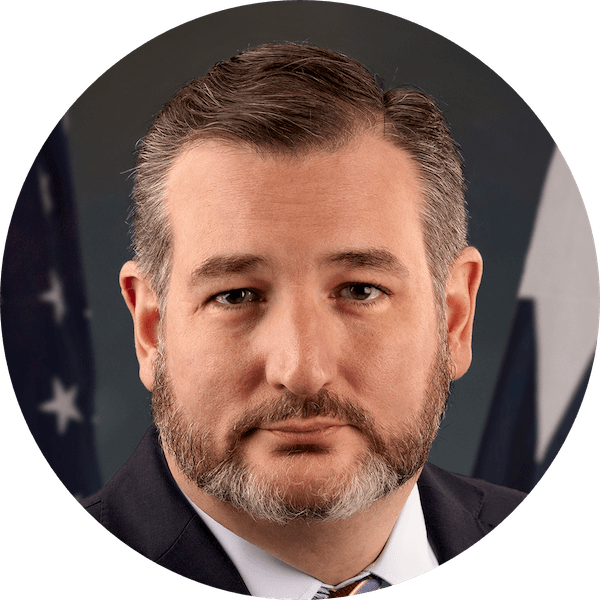
Ted Cruz
Republican · TX
Revenge porn and AI deepfakes are now a federal crime
Why it matters
Sharing someone's intimate images without their consent — whether a real photo or an AI-generated fake — is now a federal crime carrying up to 2 years in prison, or 3 if the victim is a minor. And every website that hosts user content now has to pull a flagged image within 48 hours of a victim's request.
The law splits into two halves. The first makes it a federal crime to knowingly post intimate images of someone without consent. It covers two kinds of images: authentic photos, and "digital forgeries" — fakes built with AI or editing software that a reasonable person couldn't tell apart from the real thing.
For images of adults, prosecutors have to show the person had a reasonable expectation of privacy and that the post was meant to cause harm or did. For images of minors, the question is whether the post was meant to abuse, harass, or sexually gratify. Penalties run up to 2 years in prison for adult cases and 3 for cases involving minors. Threatening to post counts as a crime too.
The second half is the takedown system. Within a year of the law taking effect, any platform that hosts user content has to build a process letting victims flag an image and request removal. Once a valid request comes in, the platform has 48 hours to take the image down and make a reasonable effort to scrub known copies.
The Federal Trade Commission polices the takedown rules, treating a platform's failure to comply as an unfair or deceptive practice. The law also reaches nonprofit-run platforms — a group the FTC usually can't touch.
The law carves out exceptions for law enforcement and intelligence work, good-faith reports to police, medical or educational use, and someone sharing an image of themselves.
Bill Progress
Latest Action · May 19, 2025
Became Public Law No: 119-12.
S. 146 Bill Summary
What S. 146 actually does.
Posting real intimate images becomes a federal crime
It is now illegal to knowingly post an authentic intimate image of someone without their consent through an online service. For adults, the person has to have had a reasonable expectation of privacy, the image can't be a matter of public concern, and the post has to be intended to cause harm or actually cause it. Violators face a federal fine and up to 2 years in prison.
AI deepfakes are treated the same as real photos
The law defines a "digital forgery" as an intimate image created or altered with AI, machine learning, or other software so that a reasonable person would find it indistinguishable from a real image. Posting one without consent carries the same criminal exposure as posting an authentic photo, closing a gap that fake-but-realistic images had slipped through.
Threatening to post carries prison time too
The law punishes threats, not just publication. Threatening to post a real intimate image carries the same penalties as actually posting it. Threats involving AI deepfakes carry up to 18 months in prison for adult cases and up to 30 months when the target is a minor, plus a fine.
Platforms must remove flagged images within 48 hours
Within a year of enactment, covered platforms have to set up a notice-and-removal process. Once they receive a valid written request, they have 48 hours to remove the image and make reasonable efforts to take down known identical copies. Platforms are shielded from liability for removing content in good faith.
A takedown request needs four things
To trigger the 48-hour clock, a removal request has to be in writing and include four items: a physical or electronic signature, enough information to locate the image, a good-faith statement that it's nonconsensual, and contact information for the person or their authorized representative.
The FTC enforces — even against nonprofits
The Federal Trade Commission enforces the takedown rules, treating a platform's failure to comply as an unfair or deceptive practice. The law specifically extends the FTC's reach to nonprofit organizations for this section, a group that normally falls outside the agency's jurisdiction.
Who benefits from S. 146?
Adults targeted by revenge porn
Anyone whose real intimate images get posted without consent gains both a criminal path against the person who posted them — up to 2 years in prison — and a removal right platforms have to honor within 48 hours of a written request.
Victims of AI-generated sexual deepfakes
People harmed by fabricated sexual images are now explicitly covered. The law reaches "digital forgeries" made with AI or editing software, so a fake that looks real enough to fool a reasonable person carries the same consequences as a genuine photo.
Minors under 18
The law sets tougher penalties when the victim is a child. Posting a real or fake intimate image of a minor with intent to harass or sexually gratify can bring up to 3 years in prison, and threats involving deepfakes of minors can bring up to 30 months.
Families and authorized representatives
A parent, guardian, or other authorized person can file a takedown request on a victim's behalf, as long as it includes the signature, image location, good-faith statement, and contact information. That matters for victims who are minors or unable to handle a removal process themselves.
Who is affected by S. 146?
People who post nonconsensual intimate images
Anyone who knowingly posts a real or fake intimate image of someone without consent now faces federal criminal exposure: prison terms ranging from 18 months for some deepfake threats up to 3 years for offenses involving minors, plus fines, forfeiture of any proceeds and devices used, and mandatory restitution to victims.
Social media platforms and user-content sites
Public-facing websites, apps, and online services that mainly host user-generated content have to build a formal notice-and-removal process within a year of enactment, act on valid requests within 48 hours, and post a clear, plain-language explanation of how to use it.
Sites that regularly host nonconsensual images
Even a service that isn't a typical social platform is covered if it regularly publishes, curates, hosts, or makes available nonconsensual intimate images. That pulls in sites built around this content, not just the major social networks.
Nonprofit online platforms
The law specifically brings nonprofit organizations under the FTC's reach for the takedown requirements. A nonprofit-run site or app that qualifies as a covered platform can't assume it sits outside federal enforcement here.
What Congress Said
S. 146 was signed into law on May 21, 2025.
Mr. Speaker, due to unforeseen circumstances, I was unable to cast my vote for S. 146, TAKE IT DOWN ACT. Had I been present, I would have voted YEA on Roll Call No. 104.
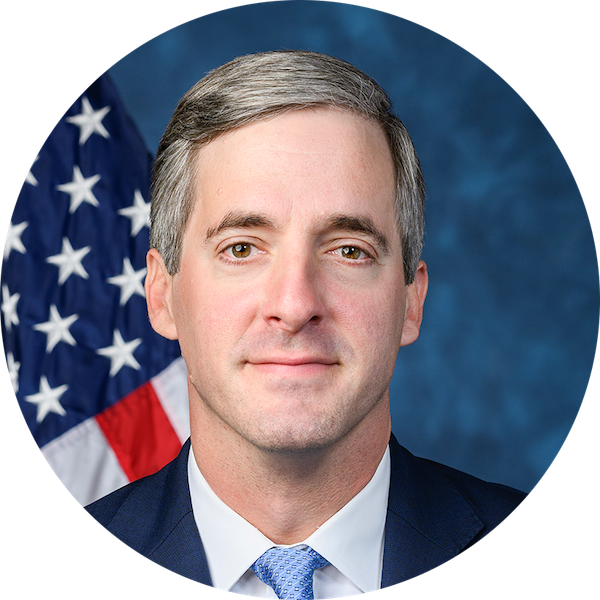
S. 146 also appeared in 2 more House floor references, 1 in the Extensions of Remarks, and 7 routine cosponsor filings.
S146 Legislative Journey
Signed into Law
May 19, 2025
Became Public Law No: 119-12.
+5 more actions this day
House: Vote: 409-2
Apr 28, 2025
On motion to suspend the rules and pass the bill Agreed to by the Yeas and Nays: (2/3 required): 409 - 2 (Roll no. 104). (text: CR H1644-1645)
House: Action Taken
Feb 14, 2025
Held at the desk.
Passed 988-990
Feb 13, 2025
Passed Senate without amendment by Unanimous Consent. (consideration: CR S988; text: CR S988-990)
+4 more actions this day
Committee Action
Jan 16, 2025
Read twice and referred to the Committee on Commerce, Science, and Transportation.
About the Sponsor
Ted Cruz
Republican, TX · 13 years in Congress
Committees: Commerce, Science, and Transportation, Rules and Administration, the Judiciary
View full profile →
Cosponsors at time of passage (21)
This bill has 21 cosponsors: 11 Democrats, 10 Republicans, reflecting bipartisan support. Cosponsors represent 19 states: California, Colorado, Connecticut, and 16 more.

Amy Klobuchar
Democrat · MN

Shelley Capito
Republican · WV
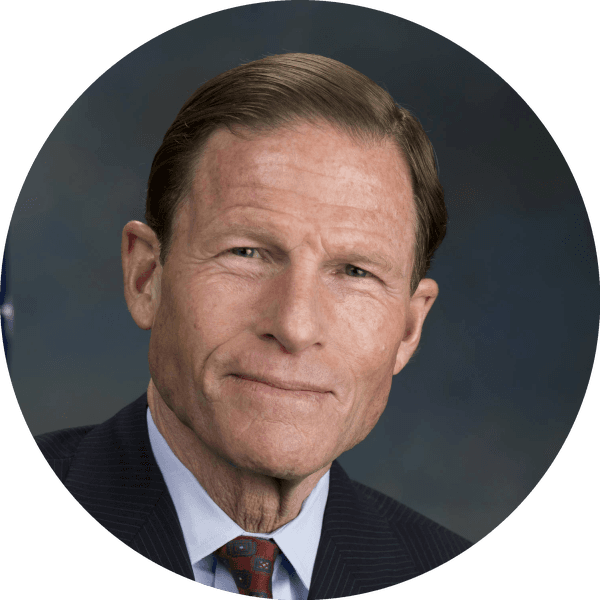
Richard Blumenthal
Democrat · CT

Bill Cassidy
Republican · LA
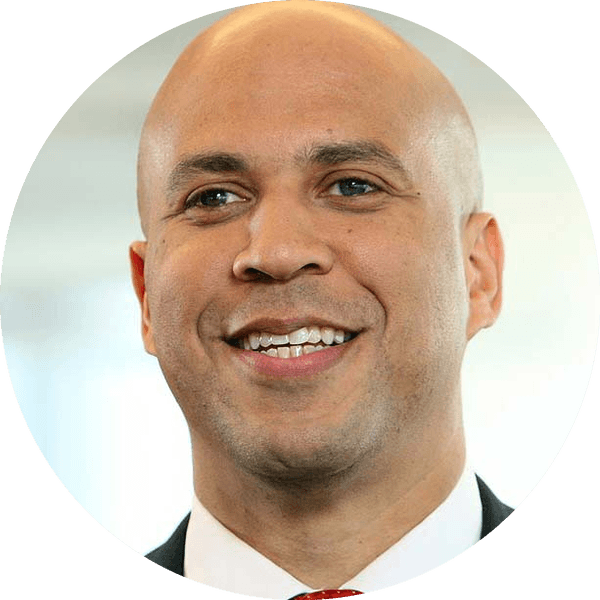
Cory Booker
Democrat · NJ

John Barrasso
Republican · WY

Jacklyn Rosen
Democrat · NV
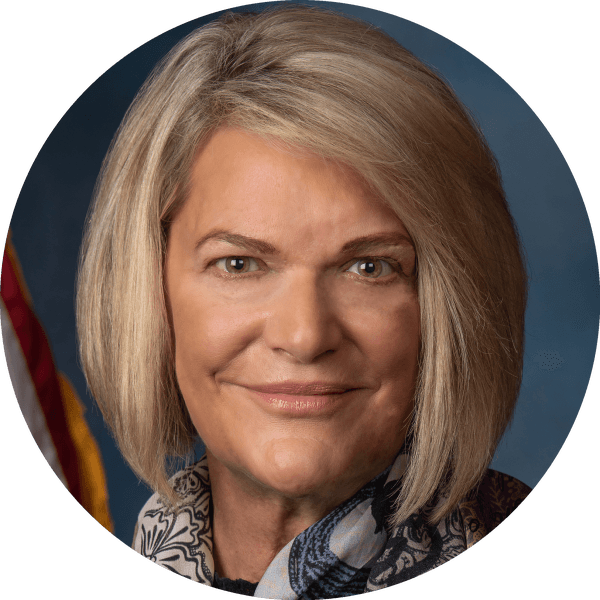
Cynthia Lummis
Republican · WY

John Hickenlooper
Democrat · CO

Ted Budd
Republican · NC

Marsha Blackburn
Republican · TN

Roger Wicker
Republican · MS
Committee Sponsors
Commerce, Science, and Transportation Committee
12 of 28 committee members cosponsored at the time


S. 146 Quick Facts
- Committee
- Commerce, Science, and Transportation
- Chamber
- Senate
- Policy
- Science, Technology, Communications
- Introduced
- Jan 16, 2025
Became Public Law No: 119-12.
May 19, 2025
Official Sources
The official legislative record for the TAKE IT DOWN Act, including text, sponsors, votes, and actions.
The enacted law as signed in May 2025, published by the Government Publishing Office.
Federal Trade Commission guidance for platforms on building a compliant 48-hour notice-and-removal process.
The FTC's portal for victims to report platforms that fail to act on a valid removal request.
FTC consumer alert explaining how the agency's enforcement of the takedown rules affects victims.
The Federal Trade Commission's legal-library entry for the statute it enforces under Section 3.
About Legisletter
Legisletter is the advocacy platform that tracks every bill from introduction to Public Law — and connects the constituents affected by a bill to the legislators who vote on it.
Who is lobbying on S. 146?
7 organizations lobbying on this bill
INTERNET SOCIETY (ISOC) | 12 |
CORNERSTONE GOVERNMENT AFFAIRS OBO GOOGLE CLIENT SERVICES LLC | 10 |
BSA THE SOFTWARE ALLIANCE (FORMERLY BSA BUSINESS SOFTWARE ALLIANCE INC) | 10 |
GENERAL FEDERATION OF WOMEN'S CLUBS | 10 |
EPIC GAMES, INC. | 4 |
NATIONAL HOCKEY LEAGUE | 4 |
ASSOCIATION OF NATIONAL ADVERTISERS | 2 |
Showing 1-7 of 7 organizations
S. 146 Common Questions
Is the TAKE IT DOWN Act a law now?
Yes. S. 146 was signed into law in May 2025 as Public Law 119-12. The criminal penalties are already in effect, and platforms have until mid-2026 to build their takedown systems.
How fast do websites have to remove nonconsensual intimate images?
Once a platform gets a valid written request, it has 48 hours to take the image down and make a reasonable effort to remove known copies. Every site that hosts user content has to offer this process within a year of the law taking effect.
Can you go to federal prison for posting revenge porn of an adult?
Yes. Knowingly posting a real intimate image of an adult without consent can bring up to 2 years in federal prison plus a fine — if the person had a reasonable expectation of privacy and the post was meant to cause harm or did.
Does the TAKE IT DOWN Act cover AI deepfakes or just real photos?
Both. The law covers "digital forgeries" — images built with AI or editing software that a reasonable person couldn't tell apart from a real photo — and holds them to the same rules as authentic images.
How much prison time can you get for posting a deepfake of a minor?
Knowingly posting a fake intimate image of someone under 18, meant to harass or sexually gratify, can bring up to 3 years in federal prison plus a fine — one year more than the maximum for an adult case.
Can you be charged just for threatening to post intimate images?
Yes. Threatening to post a real intimate image carries the same penalties as actually posting it. Threats involving AI deepfakes carry up to 18 months for adult cases and up to 30 months when the target is a minor.
What do you have to include in a takedown request?
Four things, in writing: your signature (physical or electronic), enough detail to locate the image, a good-faith statement that it's nonconsensual, and a way for the platform to contact you. An authorized person can file on your behalf.
Which websites and apps have to follow the takedown rules?
Public-facing sites, apps, and services that mainly host user-generated content, or that regularly host nonconsensual intimate images. The FTC enforces the rules and can even reach nonprofit-run platforms. Broadband providers and email are excluded.
Based on S. 146 bill text
S. 146 Bill Text
“To require covered platforms to remove nonconsensual intimate visual depictions, and for other purposes.”
Source: U.S. Government Publishing Office
Get notified when S. 146 moves
Committee votes, floor action, cosponsor changes — straight to your inbox.
Bill alerts + Legisletter's monthly briefing. Unsubscribe anytime.
Science, Technology, Communications Bills
9 related bills we're tracking
AM Radio for Every Vehicle Act of 2025


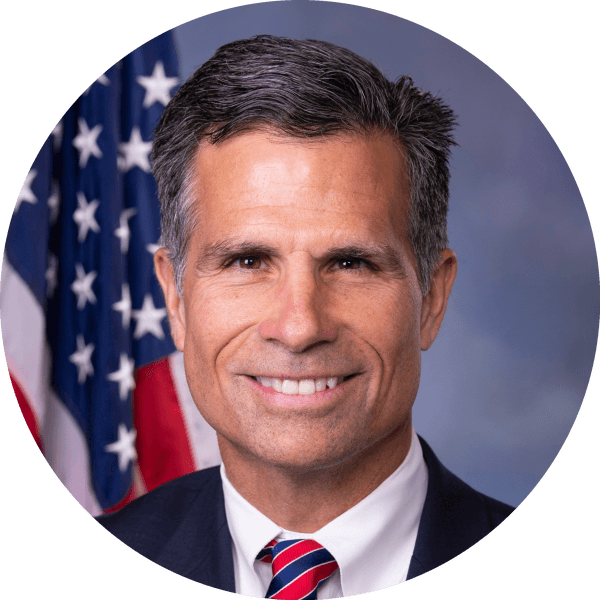

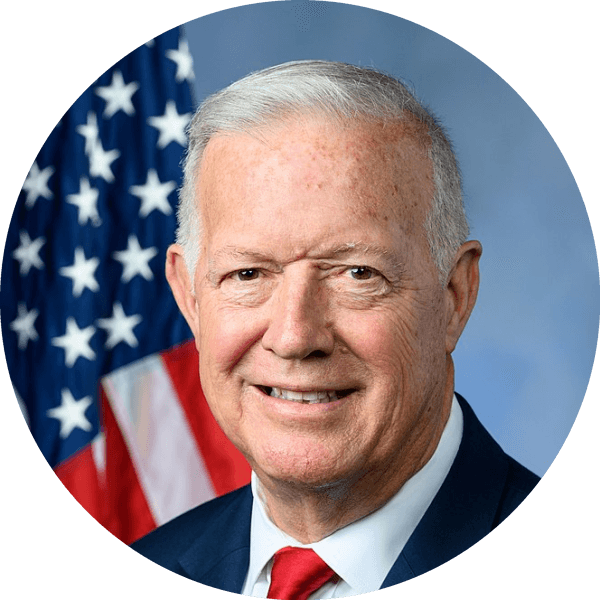
Received in the Senate. Read twice. Placed on Senate Legislative Calendar under General Orders. Calendar No. 622.
Sep 16, 2026
Scientific Integrity Act
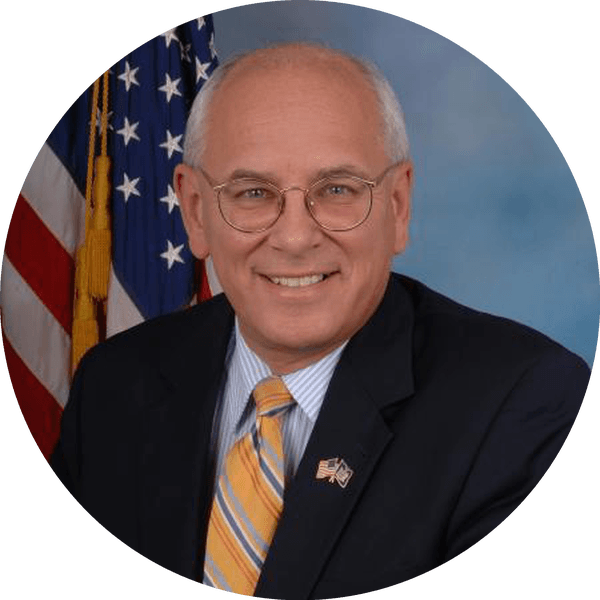



Referred to the House Committee on Science, Space, and Technology.
Feb 6, 2025
Kids Online Safety Act

Committee on Commerce, Science, and Transportation. Ordered to be reported with an amendment in the nature of a substitute favorably.
Aug 5, 2026
Sunshine Protection Act of 2025


Received in the Senate and Read twice and referred to the Committee on Commerce, Science, and Transportation.
Jul 15, 2026
GUARDRAILS Act




Referred to the Committee on Energy and Commerce, and in addition to the Committee on the Judiciary, for a period to be subsequently determined by the Speaker, in each case for consideration of such provisions as fall within the jurisdiction of the committee concerned.
Mar 20, 2026
Artificial Intelligence Civil Rights Act of 2025





Referred to the Committee on Energy and Commerce, and in addition to the Committee on Oversight and Government Reform, for a period to be subsequently determined by the Speaker, in each case for consideration of such provisions as fall within the jurisdiction of the committee concerned.
Dec 2, 2025
States' Right to Regulate AI Act



Read twice and referred to the Committee on Commerce, Science, and Transportation.
Dec 17, 2025
ACERO Act




Received in the Senate and Read twice and referred to the Committee on Commerce, Science, and Transportation.
Feb 24, 2026
ASCEND Act


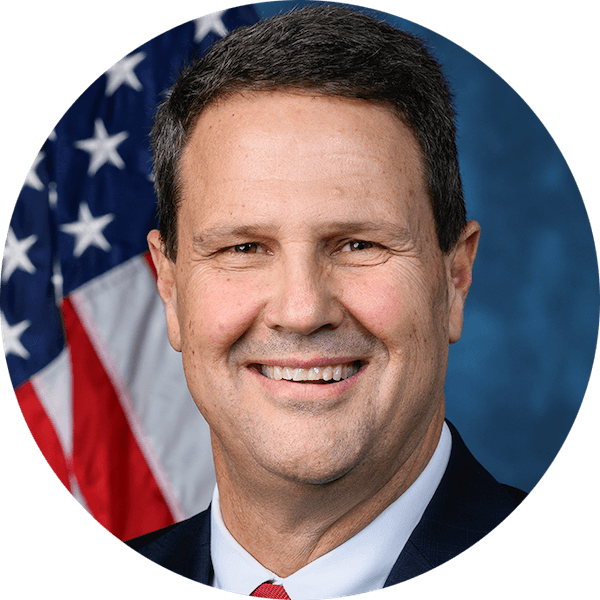

Received in the Senate. Read twice. Placed on Senate Legislative Calendar under General Orders. Calendar No. 344.
Feb 24, 2026
Trending Right Now
Bills gaining momentum across Congress
North Platte Canteen Congressional Gold Medal Act



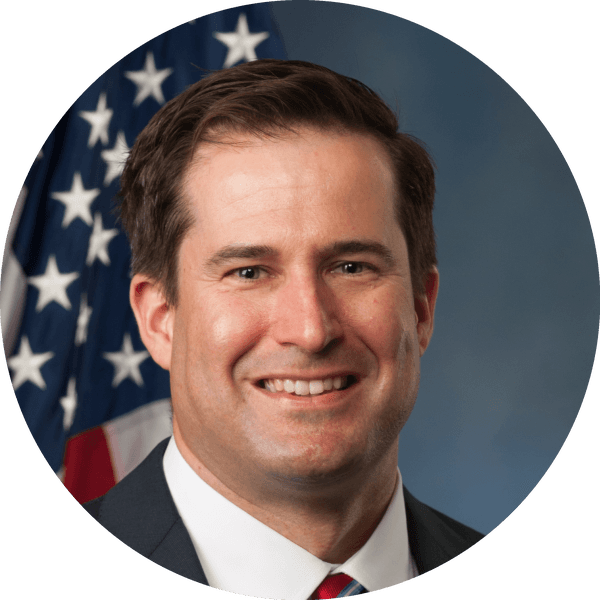
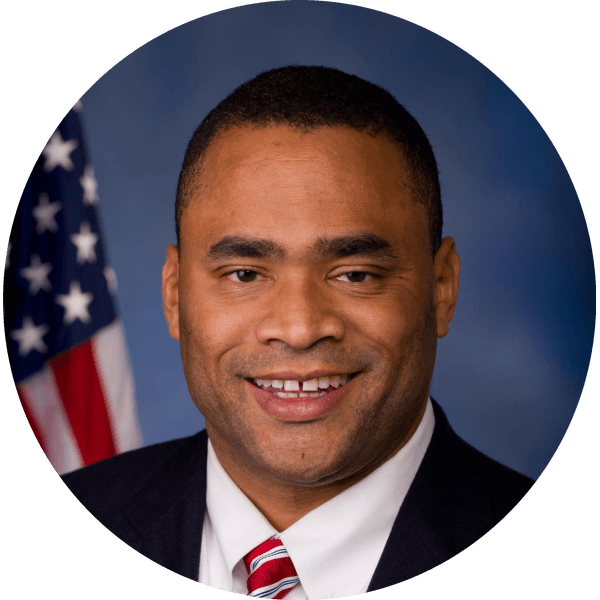
Referred to the House Committee on Financial Services.
Feb 21, 2025
Fit to Serve Act

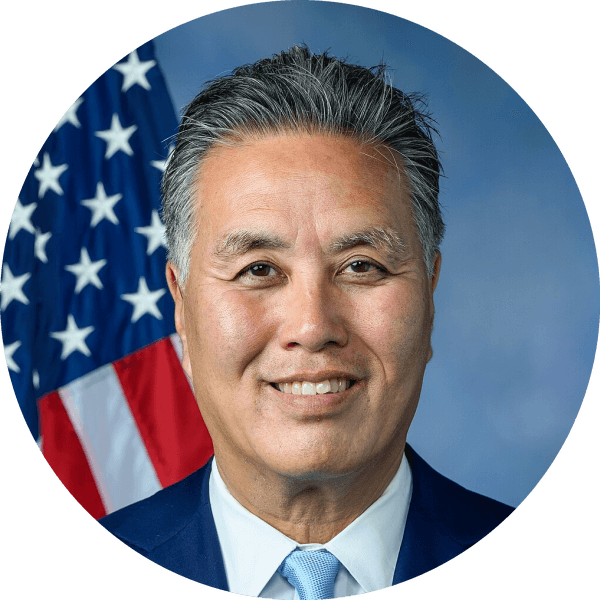


Referred to the House Committee on Armed Services.
May 21, 2025
ASAP Act


Ordered to be Reported in the Nature of a Substitute by the Yeas and Nays: 40 - 0.
Sep 16, 2026
Tracking Science, Technology, Communications in Congress? Monitor bills, track cosponsor momentum, and launch advocacy campaigns — all from one advocacy platform.