S. 3557: States' Right to Regulate AI Act
Sponsor
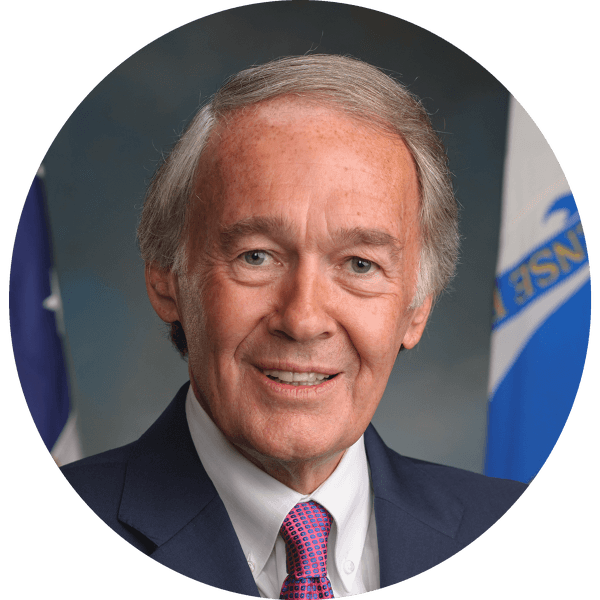
Edward Markey
Democrat · MA
Senate Democrats move to defund Trump's AI order
Why it matters
Who writes the rules for artificial intelligence — your state or Washington? S. 3557 picks a side. It would block every federal dollar from being used to carry out President Trump's executive order setting a single national AI framework — an order that backers of state regulation fear could override their own laws.
S. 3557 does one thing, and it does it bluntly: no federal money can be used to implement, administer, or enforce a specific executive order — the one President Trump signed on December 11, 2025, titled "Ensuring a National Policy Framework for Artificial Intelligence."
There are no new AI safety rules here, no penalties, no deadlines. The whole bill is a funding cutoff aimed at a single order. By naming that order outright and using the words "No Federal funds," it reaches across the entire government, not just one agency.
The political read is just as direct. Markey and 10 cosponsors — all Democrats or independents — are using Congress's control of the purse to stall a White House policy they say would weaken states' ability to write their own AI laws. The bill's own title, the "States' Right to Regulate AI Act," makes the goal plain.
Bill Progress
Latest Action · Dec 17, 2025
Read twice and Referred to Commerce, Science, and Transportation. for review
S. 3557 Bill Summary
What S. 3557 actually does.
No federal money for Trump's AI order
S. 3557 bars any federal funds from being used to carry out one specific executive order: "Ensuring a National Policy Framework for Artificial Intelligence," signed December 11, 2025.
The ban covers rollout, not just enforcement
The prohibition reaches three functions — implementation, administration, and enforcement — so agencies could spend nothing on rolling out, managing, or policing the order.
It applies across the whole government
Because the bill uses the phrase "No Federal funds," the restriction reaches every federal money stream rather than naming a single agency or program.
No new AI rules, just a funding switch
The bill sets no AI safety standards, age limits, penalties, or compliance deadlines. Its only operative action is the funding cutoff tied to the named executive order.
Eleven senators behind it, all on one side
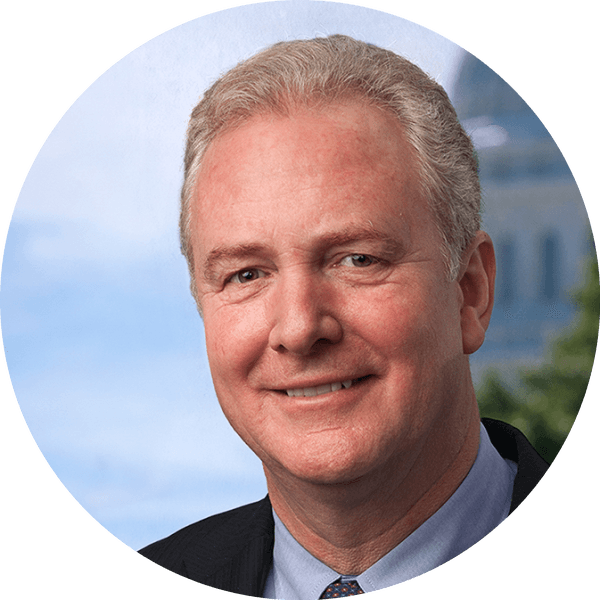
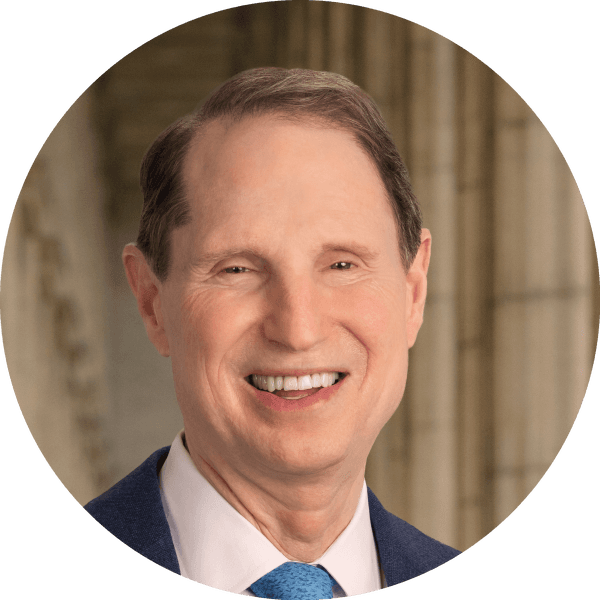
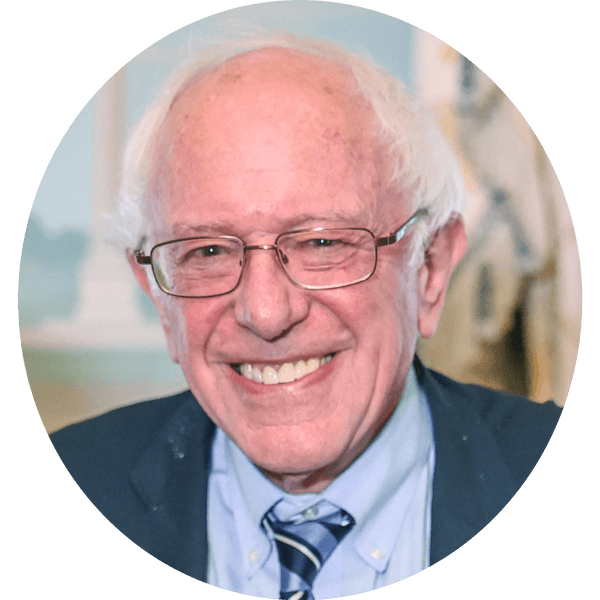
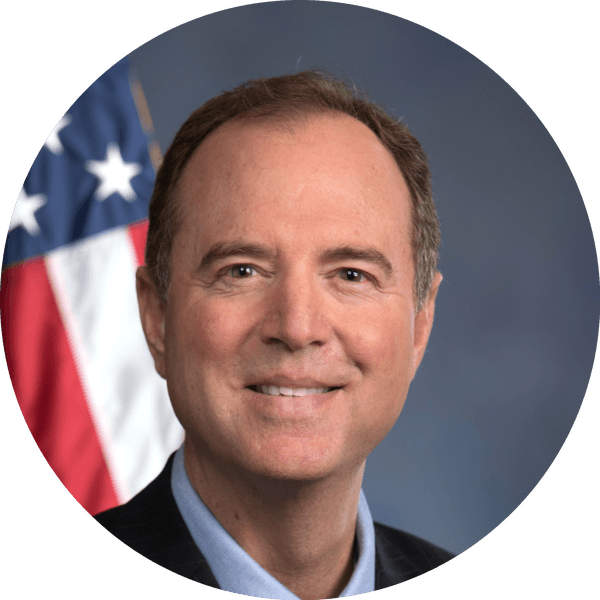
Sen. Markey introduced S. 3557 with 10 cosponsors — Van Hollen, Welch, Wyden, Sanders, Schiff, Booker, Luján, Klobuchar, Padilla, and Durbin — all Democrats or independents.
Who benefits from S. 3557?
States writing their own AI laws
States that want to regulate artificial intelligence on their own terms would gain room to do so, since the bill cuts off federal funds for an order its sponsors say pushes toward a single national framework.
State attorneys general and regulators
Officials enforcing state privacy, consumer protection, or civil rights laws could benefit, because S. 3557 would keep federal money from being used to stand up a national AI framework that might undercut state action.
People in states pursuing tougher AI protections
Residents of states considering stricter rules on deepfakes, AI in hiring, or automated decisions could benefit indirectly if the bill preserves stronger local protections rather than a single federal standard.
Lawmakers asserting Congress's spending power
Members who want to check unilateral executive action gain a tool: S. 3557 uses Congress's control of the purse to stop one named order from being funded.
Who is affected by S. 3557?
Federal agencies implementing the order
Agencies tasked with carrying out the December 11, 2025 AI order could not use any federal funds to implement, administer, or enforce it if S. 3557 becomes law.
The White House and executive branch staff
The administration would lose the ability to rely on federal appropriations to turn the order into agency action, making the policy harder to put into practice.
AI companies wanting one national rulebook
Developers and tech firms that prefer a single federal standard could be affected, because blocking funds for the order may preserve a state-by-state patchwork instead of a coordinated national approach.
The Senate Commerce Committee
The Commerce, Science, and Transportation Committee is affected first, since the bill was referred there and sits at the center of the next move.
S3557 Legislative Journey
Committee Action
Dec 17, 2025
Read twice and referred to the Committee on Commerce, Science, and Transportation.
About the Sponsor
Edward Markey
Democrat, MA · 49 years in Congress
Committees: Small Business and Entrepreneurship, Commerce, Science, and Transportation, Environment and Public Works
View full profile →
Cosponsors (10)
This bill has 10 cosponsors: 9 Democrats, 1 Independent. Cosponsors represent 8 states: California, Illinois, Maryland, and 5 more.

Committee Sponsors
Commerce, Science, and Transportation Committee
2 of 28 committee members cosponsored


11 Democrats across this committee haven't cosponsored yet. Mobilize their constituents
S. 3557 Quick Facts

- Committee
- Commerce, Science, and Transportation
- Chamber
- Senate
- Policy
- Science, Technology, Communications
- Introduced
- Dec 17, 2025
Read twice and Referred to Commerce, Science, and Transportation. for review
Dec 17, 2025
Official Sources
The official bill page with full text, sponsors, and the latest committee action.
The official published text of the December 11, 2025 executive order that S. 3557 would defund.
The White House text of the executive order targeted by the bill's funding cutoff.
The committee where S. 3557 was referred and currently sits.
The sponsor's official announcement introducing S. 3557 with 10 cosponsors.
S. 3557 Common Questions
What does the States' Right to Regulate AI Act do?
S. 3557 blocks all federal funds from being used to carry out one executive order — President Trump's December 11, 2025 order setting a national AI framework. It creates no new AI rules of its own; it's purely a funding cutoff.
Which executive order does S. 3557 target?
The order titled "Ensuring a National Policy Framework for Artificial Intelligence," which President Trump signed on December 11, 2025. S. 3557 names it directly and cuts off money to implement, administer, or enforce it.
Does S. 3557 repeal Trump's AI executive order?
No. A bill like this can't erase an executive order outright. Instead, S. 3557 goes after the money — without federal funds to implement or enforce it, the order is far harder to put into practice.
Does S. 3557 create any new AI safety rules?
No. The bill sets no AI standards, deadlines, or penalties. Its only action is the funding ban on the named December 2025 executive order.
Who introduced S. 3557 and who's backing it?
Sen. Edward Markey (D-MA) introduced it, joined by 10 cosponsors — all Democrats or independents, including Bernie Sanders, Cory Booker, and Amy Klobuchar. No Republicans have signed on yet.
Why is it called the "States' Right to Regulate AI Act"?
Sponsors say Trump's national AI framework could weaken states' ability to write their own AI laws. By defunding the order, they argue, the bill protects state authority to regulate AI — hence the name.
What are the odds S. 3557 becomes law?
Long, on its own. It's parked in the Senate Commerce Committee with no Republican support. Its likeliest path is being attached to a larger spending bill rather than passing as a standalone measure.
What is Trump's "National Policy Framework for Artificial Intelligence" order?
It's a December 11, 2025 executive order aimed at setting a single federal approach to AI regulation. S. 3557's sponsors contend it could override stricter state-level AI laws, which is why they want to block its funding.
Based on S. 3557 bill text
S. 3557 Bill Text
“To prohibit the use of Federal funds to implement the Executive order entitled “Ensuring a National Policy Framework for Artificial Intelligence”.”
Source: U.S. Government Publishing Office
Get notified when S. 3557 moves
Committee votes, floor action, cosponsor changes — straight to your inbox.
Bill alerts + Legisletter's monthly briefing. Unsubscribe anytime.
Science, Technology, Communications Bills
9 related bills we're tracking
AM Radio for Every Vehicle Act of 2025

Received in the Senate. Read twice. Placed on Senate Legislative Calendar under General Orders. Calendar No. 622.
Sep 16, 2026
Scientific Integrity Act


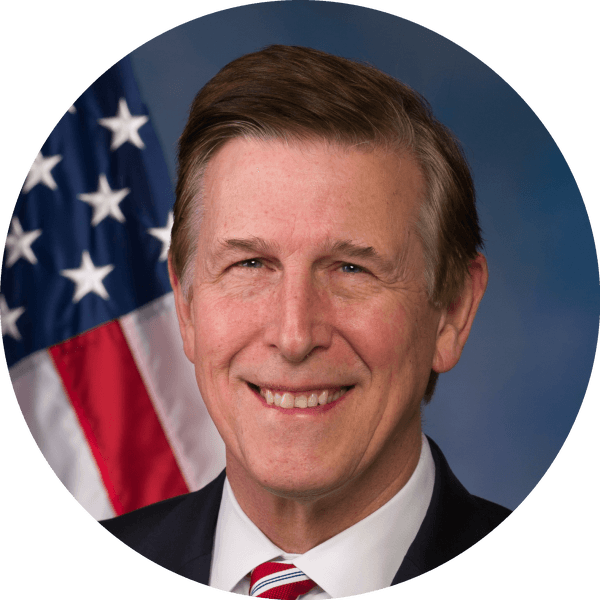
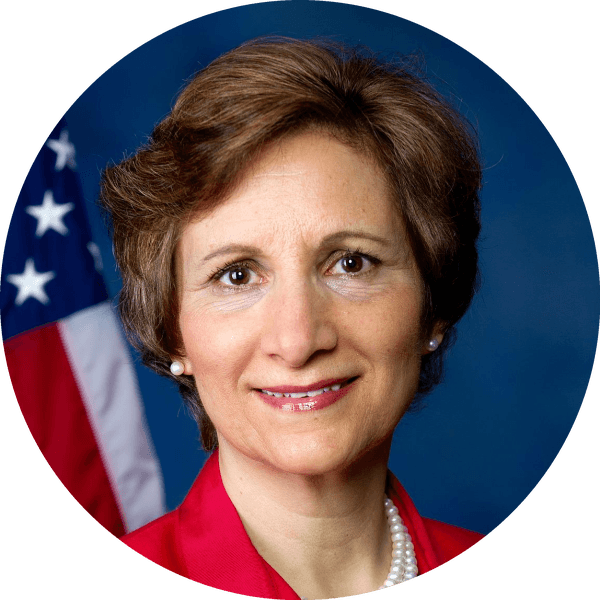
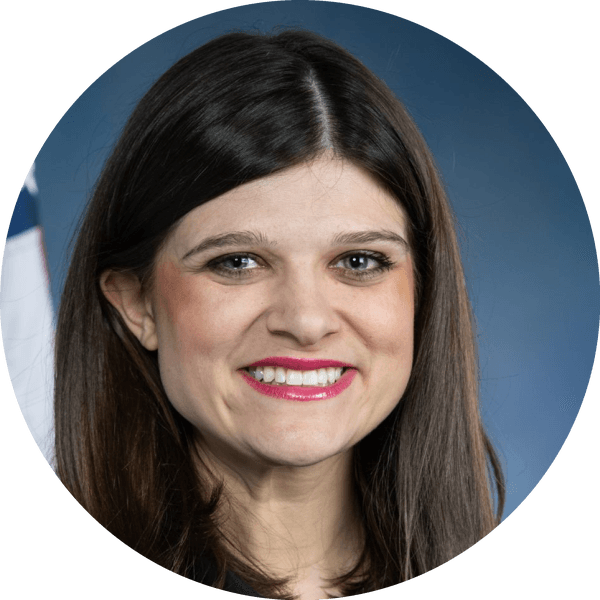
Referred to the House Committee on Science, Space, and Technology.
Feb 6, 2025
Kids Online Safety Act

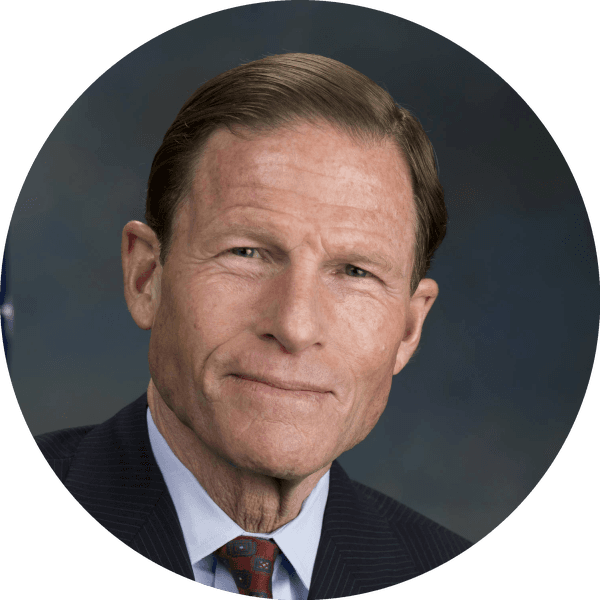

Committee on Commerce, Science, and Transportation. Ordered to be reported with an amendment in the nature of a substitute favorably.
Aug 5, 2026
Sunshine Protection Act of 2025


Received in the Senate and Read twice and referred to the Committee on Commerce, Science, and Transportation.
Jul 15, 2026
GUARDRAILS Act


Referred to the Committee on Energy and Commerce, and in addition to the Committee on the Judiciary, for a period to be subsequently determined by the Speaker, in each case for consideration of such provisions as fall within the jurisdiction of the committee concerned.
Mar 20, 2026
Artificial Intelligence Civil Rights Act of 2025

Referred to the Committee on Energy and Commerce, and in addition to the Committee on Oversight and Government Reform, for a period to be subsequently determined by the Speaker, in each case for consideration of such provisions as fall within the jurisdiction of the committee concerned.
Dec 2, 2025
TAKE IT DOWN Act

Became Public Law No: 119-12.
May 19, 2025
ACERO Act

Received in the Senate and Read twice and referred to the Committee on Commerce, Science, and Transportation.
Feb 24, 2026
ASCEND Act
Received in the Senate. Read twice. Placed on Senate Legislative Calendar under General Orders. Calendar No. 344.
Feb 24, 2026
Trending Right Now
Bills gaining momentum across Congress
North Platte Canteen Congressional Gold Medal Act


Referred to the House Committee on Financial Services.
Feb 21, 2025
Fit to Serve Act




Referred to the House Committee on Armed Services.
May 21, 2025
ASAP Act



Ordered to be Reported in the Nature of a Substitute by the Yeas and Nays: 40 - 0.
Sep 16, 2026
Tracking Science, Technology, Communications in Congress? Monitor bills, track cosponsor momentum, and launch advocacy campaigns — all from one advocacy platform.