H.R. 8031: GUARDRAILS Act
Sponsor
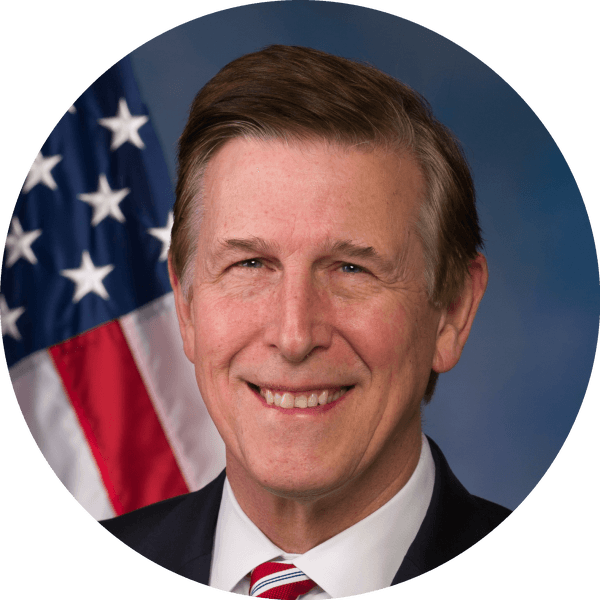
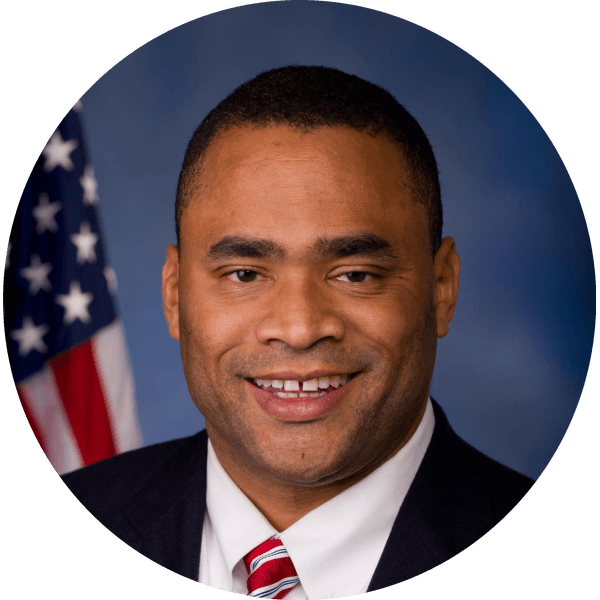
Donald Beyer
Democrat · VA-8
House Democrats move to void December's White House AI order
Why it matters
Section 2 of H.R. 8031 is one sentence long. It voids the December 11, 2025 White House executive order on artificial intelligence and bars any federal money from being spent to carry it out. The bill has 34 cosponsors — every one of them a House Democrat — and is sitting in the House Energy and Commerce and Judiciary Committees.
H.R. 8031, the GUARDRAILS Act, is one of the shortest AI bills you will see in Congress. Section 1 names it. Section 2 — the operative section — is a single sentence that wipes out a specific White House action and bans federal spending on it.
The target is named directly in the bill text: the executive order titled "Ensuring a National Policy Framework for Artificial Intelligence," issued on December 11, 2025. If H.R. 8031 becomes law, that order "shall have no force or effect," and no federal funds may be used to implement, administer, enforce, or carry it out.
What the bill does not do is just as important. It does not propose a new AI framework. It does not name a federal regulator. It does not set deadlines for replacement rules, define what counts as "high-risk" AI, or include any penalties for companies. It is a repeal, not a rewrite.
The political picture is a partisan one. Rep. Don Beyer introduced the bill on March 20, 2026, and every one of its 34 cosponsors is a House Democrat. The "right to decide" in the bill's backronym — Guaranteeing and Upholding Americans' Right to Decide Responsible AI Laws and Standards — refers to Congress; sponsors argue that AI rules of national reach should come from statute, not executive order. The bill has been referred to the House Energy and Commerce and Judiciary Committees.
Bill Progress
Latest Action · Mar 20, 2026
Referred to Energy and Commerce, and in addition to the Committee on the Judiciary, for a period to be subsequently determined by the Speaker, in each case for consideration of such provisions as fall within the jurisdiction of the committee concerned. for review
H.R. 8031 Bill Summary
What H.R. 8031 actually does.
Voids December's White House AI executive order
The bill targets one specific order: "Ensuring a National Policy Framework for Artificial Intelligence," issued on December 11, 2025. Upon enactment, that order would have "no force or effect."
Bans federal funds from carrying out the order
H.R. 8031 also bars any federal money from being used to "implement, administer, enforce, or carry out" the December 11, 2025 executive order. The funding ban is unconditional in the bill text — no exceptions, no transition period.
Takes effect immediately on enactment
Unlike many bills with phased deadlines, the repeal kicks in the moment the bill becomes law. There is no 30-, 60-, or 180-day grace period before the order loses its force.
Includes no replacement AI framework
The bill does not propose new federal AI rules, name a regulator, set agency reporting deadlines, or define any civil or criminal penalties. It is purely a repeal of one executive order, not a substitute policy.
Who benefits from H.R. 8031?
Members of Congress trying to write AI rules through legislation
All 34 cosponsors are Democrats arguing that AI policy of national scope should come from Congress, not a single executive order. Voiding the December 11, 2025 order clears the field for that statutory effort.
Companies tracking compliance with the December 2025 order
If your business has been preparing for agency rules built on the executive order, those rules would lose their underlying authority. The compliance picture would reset.
Federal agencies that resisted carrying out the order
Agencies would no longer have to spend staff time or budget on implementation, administration, or enforcement of the December 11, 2025 order. The funding ban removes the option entirely.
Who is affected by H.R. 8031?
The White House and agencies that built guidance around the December order
The executive branch would lose its main 2025 AI policy directive, and any work product agencies built off it would be stranded — no federal dollars could be used to keep it moving.
Companies that were betting on the December order surviving
Businesses and research institutions building AI investments, audits, or risk frameworks around the December 11, 2025 order would have to reassess if the bill becomes law.
State and local officials looking for a federal AI baseline
The bill removes one federal AI policy reference point without replacing it. States and cities would be left without that national framework while waiting for Congress to write its own.
What Congress Is Saying
H.R. 8031 has come up 6 times in the Congressional Record so far.
H.R. 8031 also appeared in 1 more House floor reference and 4 routine cosponsor filings.
HR8031 Legislative Journey
House: Committee Action
Mar 20, 2026
Referred to the Committee on Energy and Commerce, and in addition to the Committee on the Judiciary, for a period to be subsequently determined by the Speaker, in each case for consideration of such provisions as fall within the jurisdiction of the committee concerned.
About the Sponsor
Donald Beyer
Democrat, Virginia's 8th congressional district · 11 years in Congress
Committees: Joint Economic Committee, Ways and Means
View full profile →
Cosponsors (34)
All 34 cosponsors are Democrats. Cosponsors represent 18 states: California, Connecticut, District of Columbia, and 15 more.
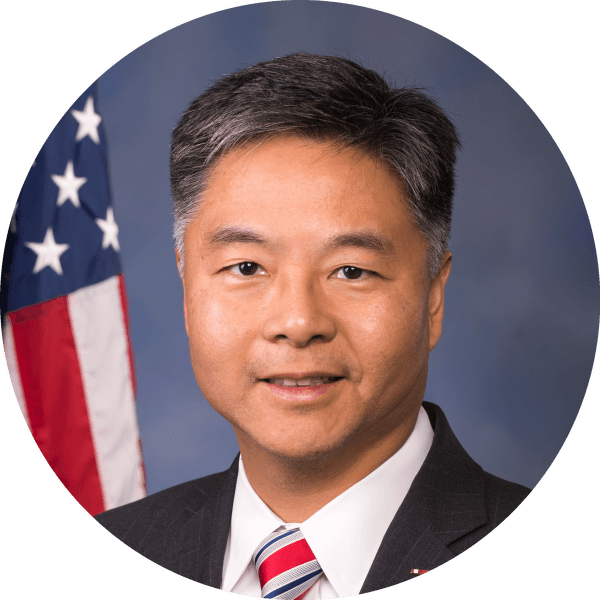
Ted Lieu
Democrat · CA

Doris Matsui
Democrat · CA

Sara Jacobs
Democrat · CA

April McClain Delaney
Democrat · MD

Jake Auchincloss
Democrat · MA

Becca Balint
Democrat · VT

Nanette Barragán
Democrat · CA
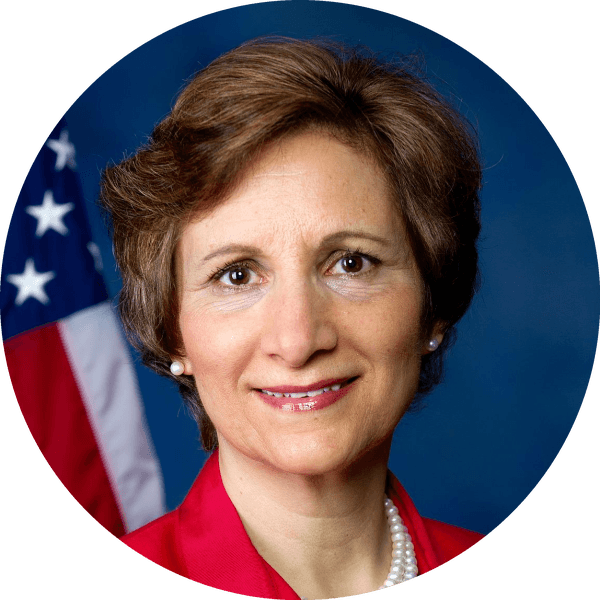
Suzanne Bonamici
Democrat · OR

Sean Casten
Democrat · IL

Judy Chu
Democrat · CA
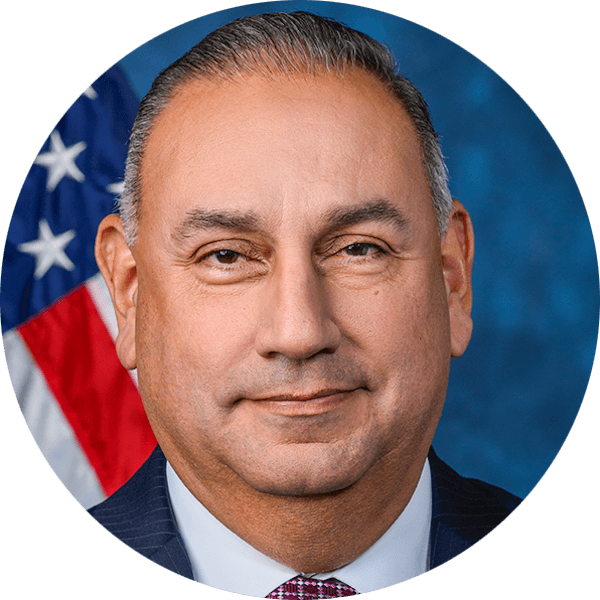
Gilbert Cisneros
Democrat · CA
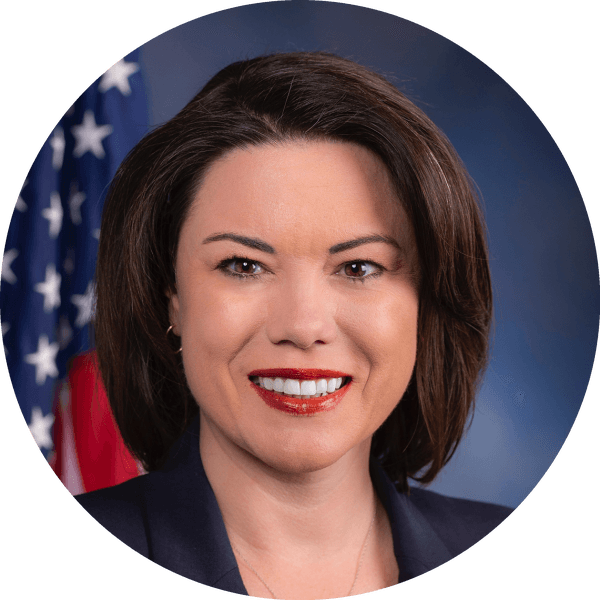
Angie Craig
Democrat · MN
Committee Sponsors
Judiciary Committee
2 of 44 committee members cosponsored


Energy and Commerce Committee
6 of 54 committee members cosponsored


35 Democrats across these committees haven't cosponsored yet. Mobilize their constituents
H.R. 8031 Quick Facts
- Committee
- Judiciary
- Chamber
- House
- Policy
- Science, Technology, Communications
- Introduced
- Mar 20, 2026
Referred to Energy and Commerce, and in addition to the Committee on the Judiciary, for a period to be subsequently determined by the Speaker, in each case for consideration of such provisions as fall within the jurisdiction of the committee concerned. for review
Mar 20, 2026
Official Sources
Official bill text, sponsor, cosponsors, and the full action history for H.R. 8031.
The White House executive order H.R. 8031 would void, naming the DOJ AI Litigation Task Force, FCC and FTC directives, and conditions on federal funds.
Official summary of what the order does — the policy H.R. 8031 would strip of force and federal funding.
The order's formal Federal Register citation (90 FR 58499, EO 14365), published December 16, 2025 — the legal record H.R. 8031 targets.
One of two committees holding H.R. 8031 — hearings here would be the first sign the repeal is moving.
The second committee of referral for H.R. 8031, given the order's DOJ AI Litigation Task Force provisions.
The voluntary federal AI framework that would remain in place if H.R. 8031 passes — the bill repeals the EO without proposing a replacement.
Non-partisan Congressional Research Service overview of U.S. and international approaches to AI regulation — context for the statutory vs. executive-order fight.
H.R. 8031 Common Questions
What is the GUARDRAILS Act?
H.R. 8031, the GUARDRAILS Act, is a one-sentence repeal bill. It would void the December 11, 2025 White House executive order on artificial intelligence and bar federal agencies from spending any money to carry it out. Rep. Don Beyer introduced it on March 20, 2026.
What executive order does the GUARDRAILS Act repeal?
The bill targets one specific order: "Ensuring a National Policy Framework for Artificial Intelligence," issued by the White House on December 11, 2025. If H.R. 8031 becomes law, that order would have "no force or effect."
Does the GUARDRAILS Act create any new federal AI rules?
No. It only repeals the December 11, 2025 executive order and blocks federal funds from being used on it. The bill does not name a regulator, set deadlines, define "high-risk" AI, or include any penalties.
Why are House Democrats pushing the GUARDRAILS Act?
Sponsors argue that AI rules of national reach should be set by Congress through statute, not by a single executive order. The bill's name — Americans' Right to Decide Responsible AI Laws and Standards — refers to Congress as the body those rules should come from.
When would the December 11, 2025 AI order be voided under H.R. 8031?
Immediately on enactment. The bill includes no delay, no phase-in, and no 180-day grace period. The order's force ends the day the bill becomes law.
Have any House Republicans cosponsored H.R. 8031?
No. All 34 cosponsors listed on the bill are Democrats, with Rep. Don Beyer of Virginia as the lead sponsor. The bill has not picked up any Republican support since its March 20, 2026 introduction.
What does GUARDRAILS stand for?
It stands for "Guaranteeing and Upholding Americans' Right to Decide Responsible AI Laws and Standards Act." The backronym frames the bill as a separation-of-powers move: Congress, not the White House, deciding AI policy.
Where is H.R. 8031 right now?
The bill was referred to the House Energy and Commerce Committee and the House Judiciary Committee on March 20, 2026. Both committees would need to act before it could reach the House floor.
Based on H.R. 8031 bill text
H.R. 8031 Bill Text
“To repeal the Executive order entitled “Ensuring a National Policy Framework for Artificial Intelligence”.”
Source: U.S. Government Publishing Office
Get notified when H.R. 8031 moves
Committee votes, floor action, cosponsor changes — straight to your inbox.
Bill alerts + Legisletter's monthly briefing. Unsubscribe anytime.
Science, Technology, Communications Bills
9 related bills we're tracking
AM Radio for Every Vehicle Act of 2025


Received in the Senate. Read twice. Placed on Senate Legislative Calendar under General Orders. Calendar No. 622.
Sep 16, 2026
Scientific Integrity Act



Referred to the House Committee on Science, Space, and Technology.
Feb 6, 2025
Kids Online Safety Act


Committee on Commerce, Science, and Transportation. Ordered to be reported with an amendment in the nature of a substitute favorably.
Aug 5, 2026
Sunshine Protection Act of 2025



Received in the Senate and Read twice and referred to the Committee on Commerce, Science, and Transportation.
Jul 15, 2026
Artificial Intelligence Civil Rights Act of 2025





Referred to the Committee on Energy and Commerce, and in addition to the Committee on Oversight and Government Reform, for a period to be subsequently determined by the Speaker, in each case for consideration of such provisions as fall within the jurisdiction of the committee concerned.
Dec 2, 2025
TAKE IT DOWN Act


Became Public Law No: 119-12.
May 19, 2025
States' Right to Regulate AI Act



Read twice and referred to the Committee on Commerce, Science, and Transportation.
Dec 17, 2025
ACERO Act



Received in the Senate and Read twice and referred to the Committee on Commerce, Science, and Transportation.
Feb 24, 2026
ASCEND Act



Received in the Senate. Read twice. Placed on Senate Legislative Calendar under General Orders. Calendar No. 344.
Feb 24, 2026
Trending Right Now
Bills gaining momentum across Congress
North Platte Canteen Congressional Gold Medal Act



Referred to the House Committee on Financial Services.
Feb 21, 2025
Fit to Serve Act




Referred to the House Committee on Armed Services.
May 21, 2025
ASAP Act



Ordered to be Reported in the Nature of a Substitute by the Yeas and Nays: 40 - 0.
Sep 16, 2026
Tracking Science, Technology, Communications in Congress? Monitor bills, track cosponsor momentum, and launch advocacy campaigns — all from one advocacy platform.