S. 4216: GUARDRAILS Act
Sponsor
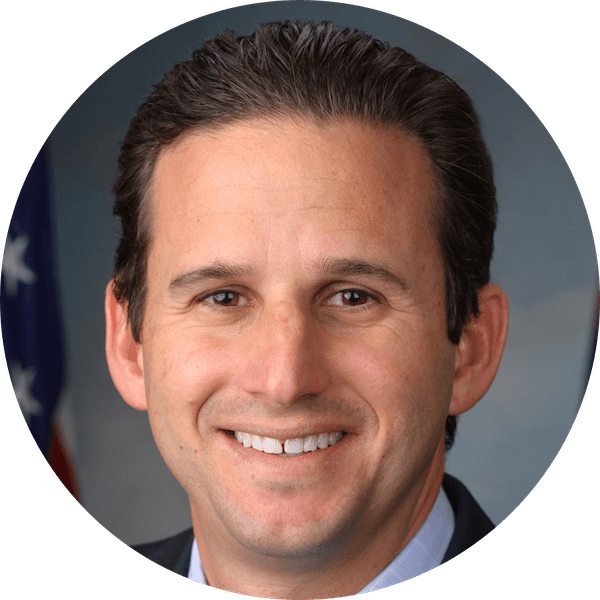
Brian Schatz
Democrat · HI
Six senators move to cancel the White House AI order
Why it matters
On December 11, 2025, a single executive order set national policy for artificial intelligence — no vote in Congress required. This bill would erase that order entirely and block every federal dollar from being spent to carry it out, pushing the fight over who regulates AI back onto Capitol Hill.
S. 4216, the GUARDRAILS Act, is two sentences of real text, and it does one thing: it kills an executive order.
The target is the order titled "Ensuring a National Policy Framework for Artificial Intelligence," issued December 11, 2025. The bill declares that order "shall have no force or effect." That language goes further than pausing or reviewing the order — it strips its legal power outright.
The bill also cuts off the money. It says "no Federal funds may be used to implement, administer, enforce, or carry out" the order. So agencies would lose both the policy direction and the ability to spend on anything tied to it: staffing, compliance work, enforcement, and day-to-day administration would all have to stop.
The full name signals the politics. "Guaranteeing and Upholding Americans' Right to Decide Responsible AI Laws and Standards Act" frames the bill as an argument that Congress, not the White House, should write the rules for AI. Sponsor Brian Schatz and five Democratic cosponsors sent it to the Commerce Committee.
What the bill does not do matters just as much. It sets no safety standards, defines no high-risk systems, names no agency deadlines, and authorizes no funding. As written, its only effect is subtraction: one executive order gone, and a federal funding ban to make sure it stays gone.
Bill Progress
Latest Action · Mar 26, 2026
Read twice and Referred to Commerce, Science, and Transportation. for review
S. 4216 Bill Summary
What S. 4216 actually does.
Cancels the December 11, 2025 AI order
The bill targets the executive order titled "Ensuring a National Policy Framework for Artificial Intelligence," issued December 11, 2025, and declares it "shall have no force or effect."
Blocks all federal spending on the order
The bill bars any "Federal funds" from being used to implement, administer, enforce, or carry out the order, cutting off agency money tied to it.
Applies across the whole government
Because the funding ban covers any federal funds rather than one department's budget, the restriction reaches every agency that would otherwise spend on the order.
Backed by six Democratic senators
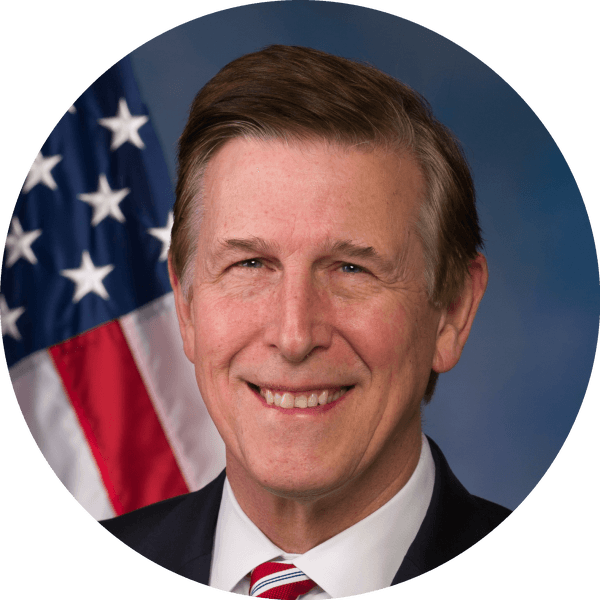
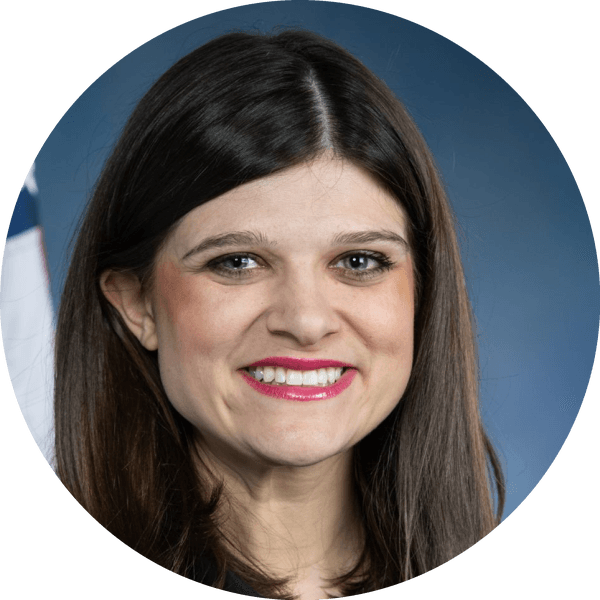
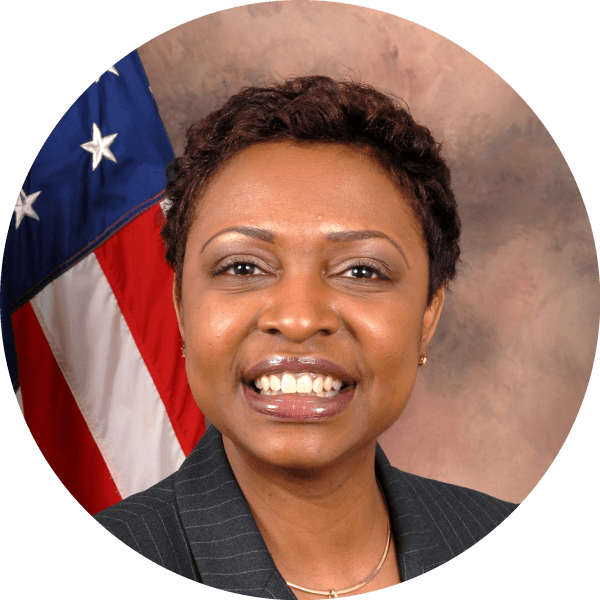
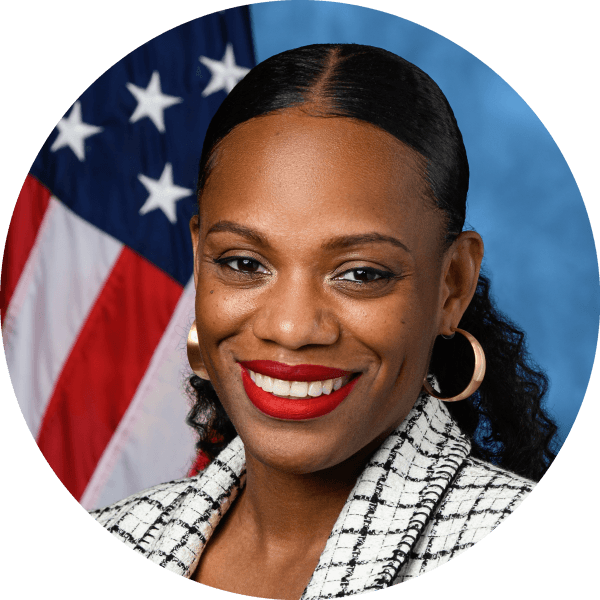
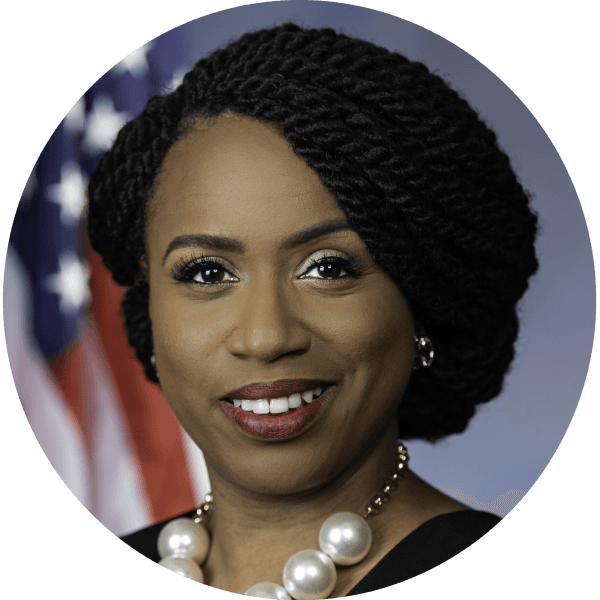
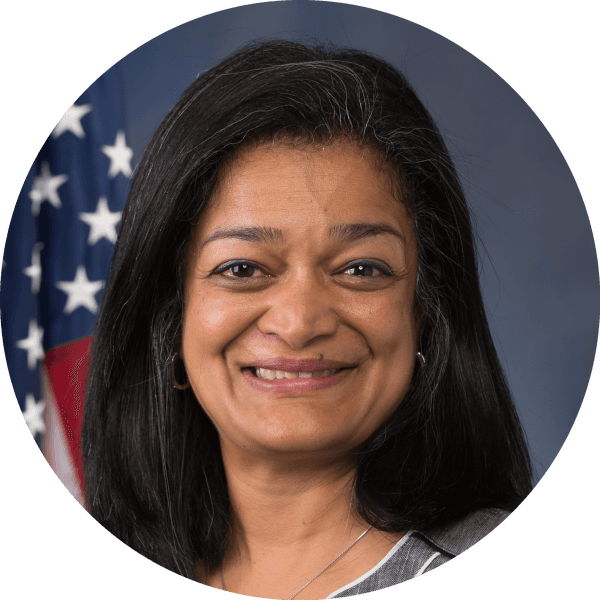
S. 4216 was introduced March 26, 2026 by Brian Schatz, joined by cosponsors Chris Coons, Lisa Blunt Rochester, Chris Murphy, Andy Kim, and Tammy Duckworth.
No replacement rules or funding
The text contains no AI safety standards, no compliance deadlines, and no new money — its only operative change is voiding the order and blocking funds for it.
Who benefits from S. 4216?
Lawmakers who want Congress to set AI policy
The bill removes a White House policy set by executive order and pushes the AI debate back toward legislation that has to pass both chambers.
Companies whose AI compliance plans were driven by the order
Businesses that had started preparing for the December 11, 2025 framework would no longer face federal enforcement or administration tied to it.
Groups opposed to executive-branch AI regulation
Organizations that argue AI rules should come from Congress rather than the White House get a direct vehicle for that position.
Who is affected by S. 4216?
The executive branch
The White House would lose the legal effect of its December 11, 2025 order and could not use federal funds to keep implementing it.
Agencies running AI work tied to the order
Any department spending appropriated money to carry out the order would have to halt that work if the bill becomes law.
Contractors and grantees on order-related projects
Contracts and administrative work funded with federal dollars and connected to the order could be disrupted by the funding ban.
Companies expecting a unified national AI framework
Businesses counting on the order's nationwide approach would face a policy gap, since the bill removes the framework without creating a new one.
S4216 Legislative Journey
Committee Action
Mar 26, 2026
Read twice and referred to the Committee on Commerce, Science, and Transportation.
About the Sponsor
Brian Schatz
Democrat, HI · 14 years in Congress
Committees: Indian Affairs, Senate Select Committee on Ethics, Commerce, Science, and Transportation
View full profile →
Cosponsors (5)
All 5 cosponsors are Democrats. Cosponsors represent 4 states: Connecticut, Delaware, Illinois, and 1 more.
Committee Sponsors
Commerce, Science, and Transportation Committee
3 of 28 committee members cosponsored


10 Democrats across this committee haven't cosponsored yet. Mobilize their constituents
S. 4216 Quick Facts



- Committee
- Commerce, Science, and Transportation
- Chamber
- Senate
- Policy
- Science, Technology, Communications
- Introduced
- Mar 26, 2026
Read twice and Referred to Commerce, Science, and Transportation. for review
Mar 26, 2026
Official Sources
The full text of the December 11, 2025 White House order that S. 4216 would void and defund.
The order's official publication, with its formal EO number and effective text.
The official bill page tracking the GUARDRAILS Act's text, sponsors, and actions.
The committee the bill was referred to on March 26, 2026, where it now sits.
The official office of the Hawaii senator who introduced the GUARDRAILS Act.
S. 4216 Common Questions
What does the GUARDRAILS Act do?
S. 4216 repeals the December 11, 2025 executive order "Ensuring a National Policy Framework for Artificial Intelligence." It declares the order has no force or effect and bars federal funds from being used to carry it out.
What is the December 11, 2025 AI executive order the bill targets?
It is the White House order titled "Ensuring a National Policy Framework for Artificial Intelligence," which set federal AI policy by executive action. S. 4216 would erase it.
Does the GUARDRAILS Act cut off federal funding for the order?
Yes. The bill says no federal funds may be used to implement, administer, enforce, or carry out the order. That ban applies across every agency, not just one department.
Does the bill create new AI rules to replace the order?
No. S. 4216 only voids the December 11, 2025 order and blocks funding for it. It sets no safety standards, no deadlines, and no replacement framework, leaving a policy gap.
Who introduced the GUARDRAILS Act and who supports it?
Senator Brian Schatz introduced S. 4216 on March 26, 2026, with five Democratic cosponsors: Chris Coons, Lisa Blunt Rochester, Chris Murphy, Andy Kim, and Tammy Duckworth.
What does GUARDRAILS stand for?
It stands for the "Guaranteeing and Upholding Americans' Right to Decide Responsible AI Laws and Standards Act" — the bill's argument that Congress, not the White House, should write AI rules.
What are the odds the GUARDRAILS Act becomes law?
It faces a steep climb. All six backers are Democrats, and the bill sits in the Commerce Committee with no Republican cosponsors yet. As of March 26, 2026, it had only been read and referred.
Based on S. 4216 bill text
S. 4216 Bill Text
“To repeal the Executive order entitled “Ensuring a National Policy Framework for Artificial Intelligence”.”
Source: U.S. Government Publishing Office
Get notified when S. 4216 moves
Committee votes, floor action, cosponsor changes — straight to your inbox.
Bill alerts + Legisletter's monthly briefing. Unsubscribe anytime.
Science, Technology, Communications Bills
9 related bills we're tracking
AM Radio for Every Vehicle Act of 2025

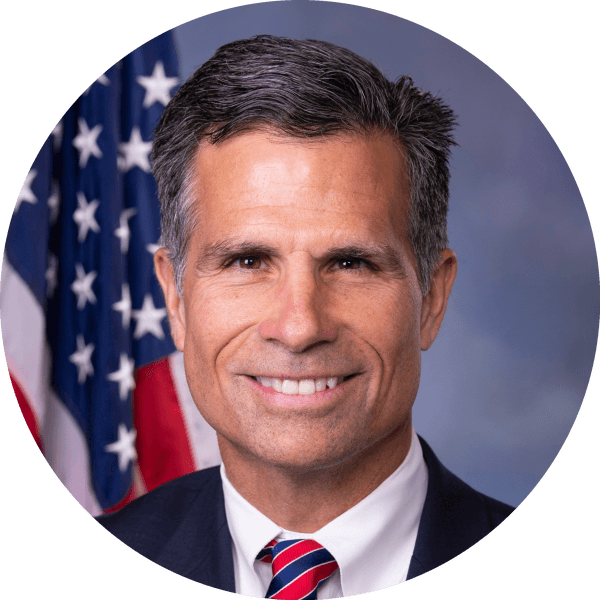
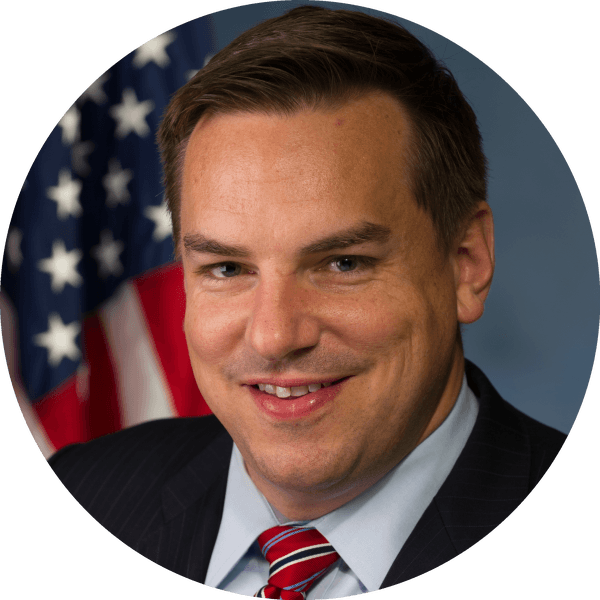
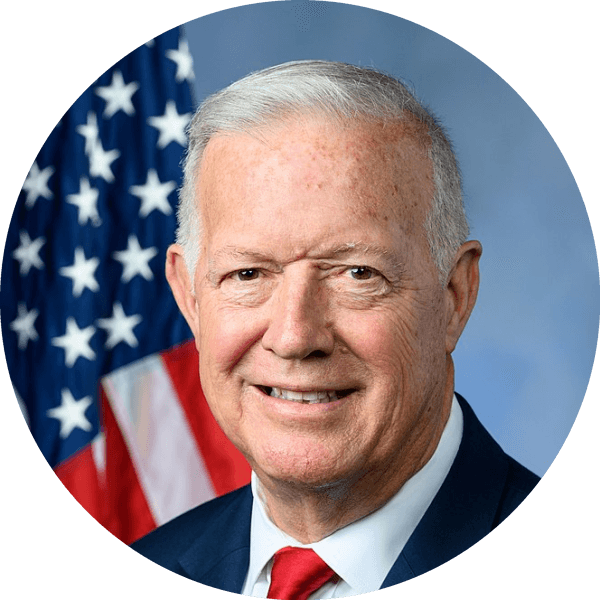
Received in the Senate. Read twice. Placed on Senate Legislative Calendar under General Orders. Calendar No. 622.
Sep 16, 2026
Scientific Integrity Act
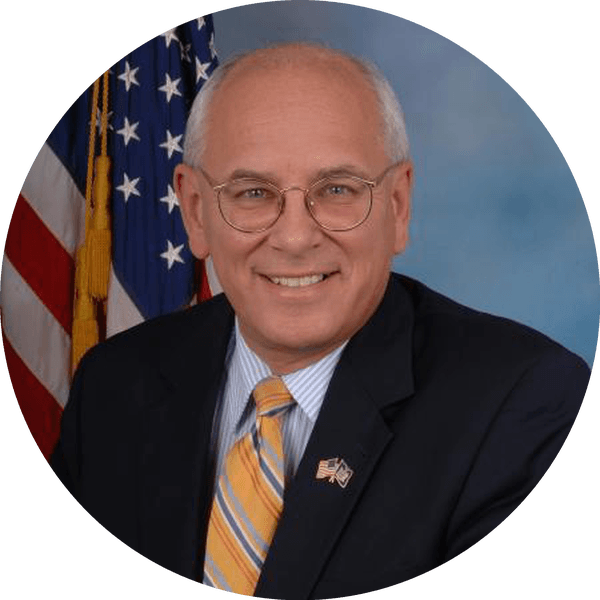

Referred to the House Committee on Science, Space, and Technology.
Feb 6, 2025
Kids Online Safety Act


Committee on Commerce, Science, and Transportation. Ordered to be reported with an amendment in the nature of a substitute favorably.
Aug 5, 2026
Sunshine Protection Act of 2025


Received in the Senate and Read twice and referred to the Committee on Commerce, Science, and Transportation.
Jul 15, 2026
GUARDRAILS Act

Referred to the Committee on Energy and Commerce, and in addition to the Committee on the Judiciary, for a period to be subsequently determined by the Speaker, in each case for consideration of such provisions as fall within the jurisdiction of the committee concerned.
Mar 20, 2026
Artificial Intelligence Civil Rights Act of 2025

Referred to the Committee on Energy and Commerce, and in addition to the Committee on Oversight and Government Reform, for a period to be subsequently determined by the Speaker, in each case for consideration of such provisions as fall within the jurisdiction of the committee concerned.
Dec 2, 2025
TAKE IT DOWN Act

Became Public Law No: 119-12.
May 19, 2025
States' Right to Regulate AI Act

Read twice and referred to the Committee on Commerce, Science, and Transportation.
Dec 17, 2025
ACERO Act

Received in the Senate and Read twice and referred to the Committee on Commerce, Science, and Transportation.
Feb 24, 2026
Trending Right Now
Bills gaining momentum across Congress
North Platte Canteen Congressional Gold Medal Act


Referred to the House Committee on Financial Services.
Feb 21, 2025
Fit to Serve Act
Referred to the House Committee on Armed Services.
May 21, 2025
ASAP Act
Ordered to be Reported in the Nature of a Substitute by the Yeas and Nays: 40 - 0.
Sep 16, 2026
Tracking Science, Technology, Communications in Congress? Monitor bills, track cosponsor momentum, and launch advocacy campaigns — all from one advocacy platform.