S. 1748: Kids Online Safety Act
Sponsor

Marsha Blackburn
Republican · TN
Teen safety settings should be on before anyone asks
Why it matters
S. 1748 has 76 Senate cosponsors, 42 Republicans, 33 Democrats and one independent, and it would change what every teen account on social media, games and streaming apps looks like on day one: the strictest privacy and safety settings on by default for anyone under 17, with the FTC and state attorneys general enforcing it.
S. 1748 covers social media, online video games, messaging apps and video streaming services that a minor uses or is reasonably likely to use. Email, text messaging, broadband providers, schools, libraries, nonprofits and news and sports sites are carved out.
The first obligation is a duty of care. Platforms would have to take reasonable care in how they design features to prevent and mitigate specific harms to minors: eating disorders, substance use and suicidal behaviors, anxiety and depression tied to compulsive use, severe harassment, sexual exploitation, drug, alcohol and gambling sales, and financial scams. The duty turns on design choices, not on what a teen deliberately searches for. It cannot be enforced based on the viewpoint of speech protected by the First Amendment.
The second is a set of controls. A known minor would get tools to limit who can contact them, hide their personal data, dial back infinite scroll, autoplay and engagement rewards, opt out of the personalized feed in favor of a chronological one, and stop geolocation sharing. For anyone the platform knows is under 17, every one of those controls starts at its most protective setting. Parents get their own tools to see settings, block purchases and cap screen time, switched on automatically for children under 13. Interfaces designed to nudge families into weakening those protections would be illegal.
Platforms must also give users a way to report harm to a minor and a substantive reply within 10 days for services averaging more than 10 million monthly U.S. users, or 21 days for smaller ones. Imminent threats must be handled as fast as needed. The largest user-generated-content platforms would publish an annual report built on an independent audit, including how many minors use the service and how long they spend on it.
A second title reaches every adult user too. One year after enactment, platforms whose feeds run on personal data you never typed in would have to explain how that feed works and let you switch to one that doesn't use it, at no extra charge.
The FTC enforces the whole act. State attorneys general can sue over the safeguards, disclosure and transparency rules, but not the duty of care. The bill does not require platforms to verify ages or collect new age data, and states remain free to pass stronger protections. Most of it takes effect 18 months after enactment.
Bill Progress
Latest Action · Aug 5, 2026
Committee on Commerce, Science, and Transportation. Committee approved bill for floor consideration with an amendment in the nature of a substitute favorably.
S. 1748 Bill Summary
What S. 1748 actually does.
Strictest settings on by default for under-17s
When a platform knows a user is under 17, each safeguard it offers (limits on who can message them, hidden personal data, reduced infinite scroll and autoplay, recommendation controls, geolocation limits) must start at the most protective level unless a parent changes it.
Platforms answer for harmful design
Covered platforms must use reasonable care in designing features to prevent and mitigate foreseeable harms to minors, including eating disorders, suicidal behaviors, compulsive use, severe harassment, sexual exploitation, and drug, alcohol and gambling sales. It does not require blocking content a minor deliberately searches for.
Parents get purchase blocks and time limits
Parents can view a minor's privacy settings, restrict purchases including in-game microtransactions, and see and cap time spent. For children under 13, parents can change settings directly and the tools are on by default. Teens are notified when parental tools are active.
A reply to harm reports within 10 or 21 days
Every covered platform needs a reporting channel for harms to minors. Services averaging more than 10 million monthly U.S. users must respond substantively within 10 days; smaller services within 21 days; imminent threats as promptly as needed.
No alcohol, gambling or cannabis ads to known minors
Platforms may not facilitate advertising for narcotic drugs, cannabis, tobacco, gambling or alcohol to users they know are minors. Market or product research on children under 13 is banned outright, and research on 13- to 16-year-olds requires verifiable parental consent.
Audited annual reports from the biggest platforms
Social media and other user-generated-content platforms averaging more than 10 million monthly U.S. users must publish a yearly public report based on an independent third-party audit, covering how many minors use the service, median and mean time spent, and how reports of harm were handled.
Any user can switch off the personalized feed
Starting 1 year after enactment, platforms that rank content using personal data users did not expressly provide must disclose how the algorithm works and let users switch to a feed that does not use that data. Platforms cannot charge more or deny service to users who switch.
Who benefits from S. 1748?
Kids under 13
Parental tools are switched on for them automatically, parents can change their settings directly, and platforms may not run market or product research on them at all.
Teens 13 to 16
They start with the most protective settings but keep more say than younger kids: parents can view their settings rather than rewrite them, and they are told when parental tools are in effect. Platforms need a parent's verifiable consent before studying them for product research.
Parents of gamers and heavy app users
The bill gives them a required purchase block that reaches in-game currency and loot-box-style "surprise mechanics," plus time-spent data and caps, without having to hunt through each app's menus.
Adults tired of the algorithmic feed
The filter-bubble title applies to all users, not just minors. Anyone on a covered platform could switch to a feed that doesn't rely on inferred personal data, at the same price.
Who is affected by S. 1748?
Large social media, gaming and streaming companies
Platforms with more than 10 million monthly U.S. users face the tightest rules: 10-day response deadlines, audited annual public reports, redesigned defaults for known minors, and potential FTC penalties for violations.
Smaller apps and games used by minors
They must provide the same safeguards, parental tools and reporting channels, with 21 days rather than 10 to answer reports and no audit requirement. Streaming services built on preselected, non-user content can comply through a lighter set of controls.
Teens who want looser settings
Under-17 users start at the most protective level and cannot rely on the app to prompt them toward fewer protections. Loosening most defaults runs through a parent.
FTC and state attorneys general
The FTC must enforce the act and issue guidance within 18 months. State attorneys general gain power to sue over safeguards, disclosure and transparency violations, but cannot use the duty of care as a basis for state-law liability.
S1748 Legislative Journey
Passed Committee
Aug 5, 2026
Committee on Commerce, Science, and Transportation. Ordered to be reported with an amendment in the nature of a substitute favorably.
Introduced
May 14, 2025
Read twice and referred to the Committee on Commerce, Science, and Transportation. (Sponsor introductory remarks on measure: CR S2929-2930)
+1 more action this day
About the Sponsor
Marsha Blackburn
Republican, TN · 23 years in Congress
Committees: Joint Economic Committee, Veterans' Affairs, Commerce, Science, and Transportation
View full profile →
Cosponsors (76)
This bill has 76 cosponsors: 33 Democrats, 42 Republicans, 1 Independent, reflecting bipartisan support. Cosponsors represent 46 states: Alaska, Alabama, Arkansas, and 43 more.

Richard Blumenthal
Democrat · CT

John Thune
Republican · SD
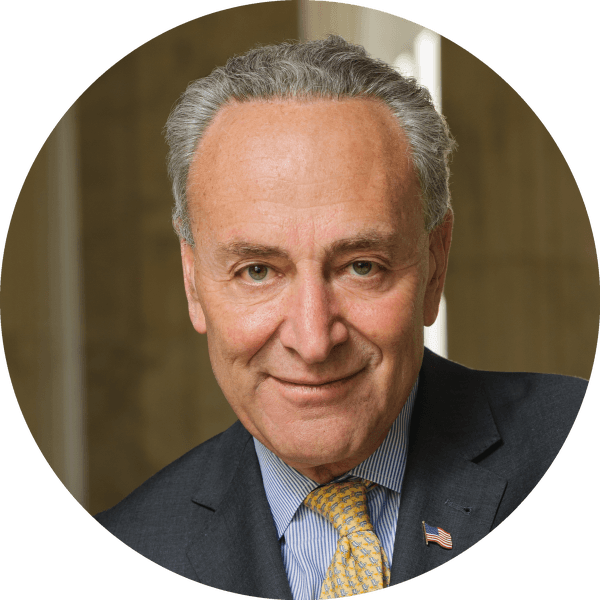
Charles Schumer
Democrat · NY

Amy Klobuchar
Democrat · MN

John Hickenlooper
Democrat · CO

Mark Kelly
Democrat · AZ

Maggie Hassan
Democrat · NH

Martin Heinrich
Democrat · NM
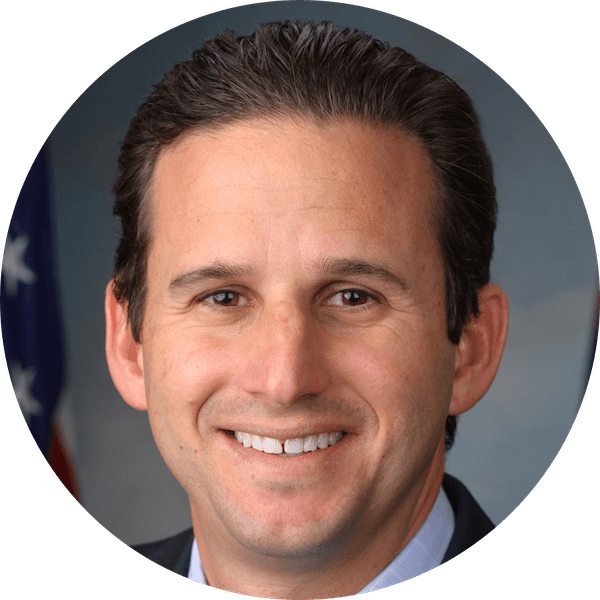
Brian Schatz
Democrat · HI
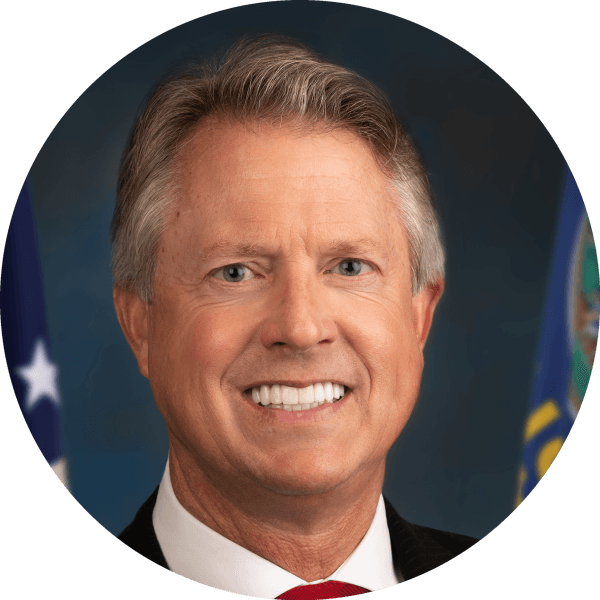
Roger Marshall
Republican · KS

Mike Crapo
Republican · ID

Ashley Moody
Republican · FL
Committee Sponsors
Commerce, Science, and Transportation Committee
19 of 28 committee members cosponsored


5 Republicans across this committee haven't cosponsored yet. Mobilize their constituents
S. 1748 Quick Facts
- Committee
- Commerce, Science, and Transportation
- Chamber
- Senate
- Policy
- Science, Technology, Communications
- Introduced
- May 14, 2025
Committee on Commerce, Science, and Transportation. Committee approved bill for floor consideration with an amendment in the nature of a substitute favorably.
Aug 5, 2026
Official Sources
Official bill page for the Kids Online Safety Act with text, cosponsors, and committee actions.
The FTC rule for under-13 users that S. 1748 builds on and expressly leaves in place, enforced by the same agency.
The statute S. 1748 cross-references for its definitions of personal information and verifiable parental consent.
The unfair or deceptive practices authority S. 1748 uses to make violations enforceable by the FTC.
The 2024 federal task force report on online harms to minors and recommended default-privacy practices for industry.
Federal task force findings on the online harms to minors, from harassment to sexual exploitation, that the bill's duty of care targets.
Who is lobbying on S. 1748?
17 organizations lobbying on this bill
ROBLOX CORPORATION | 8 |
BSA THE SOFTWARE ALLIANCE (FORMERLY BSA BUSINESS SOFTWARE ALLIANCE INC) | 8 |
GENERAL FEDERATION OF WOMEN'S CLUBS | 8 |
VERIZON COMMUNICATIONS INC AND ITS SUBSIDIARIES | 7 |
COMPUTER & COMMUNICATIONS INDUSTRY ASSOCIATION | 6 |
GOOGLE CLIENT SERVICES | 6 |
APPLE INC. | 6 |
COALITION FOR CHILD PROTECTION & ACCOUNTABILITY | 6 |
META PLATFORMS, INC. | 4 |
YAHOO INC, AND VAR. SUBS/AFFILIATES (FKA COLLEGE PARENT, L.P. DBA "YAHOO") | 4 |
Showing 1-10 of 17 organizations
S. 1748 Common Questions
Does the Kids Online Safety Act require age verification?
No. S. 1748 says platforms don't have to add age gates, verify ages, or collect age data they aren't already collecting. The protections apply when a platform knows, or reasonably should know from the circumstances, that a user is under 17. The bill orders a federal study of age verification at the device or operating-system level.
What changes on my teen's accounts if KOSA passes?
If a platform knows your teen is under 17, its most protective settings become the default: limits on who can message them, a hidden profile, reduced infinite scroll, autoplay and notifications, an option to opt out of the personalized feed, and restricted location sharing. A parent can loosen them.
Could parents read their kids' messages under the Kids Online Safety Act?
No. The bill says nothing in it requires platforms to disclose a minor's messages, browsing, search history or contacts. Parents get tools to see privacy settings, block purchases and track or limit screen time. Only for children under 13 can parents change settings directly.
What harms would platforms be responsible for preventing?
Platforms would have to design features with reasonable care to prevent and mitigate foreseeable harms to minors: eating disorders, suicidal behaviors, substance use, compulsive use, severe harassment, sexual exploitation, drug, alcohol and gambling sales, and financial scams. They aren't required to block content a teen deliberately searches for.
How fast would apps have to respond when I report harm to a child?
Within 10 days for platforms averaging more than 10 million monthly U.S. users, and 21 days for smaller ones. Reports of an imminent threat to a minor's safety must be handled as promptly as needed. Every covered platform must also confirm it received your report.
Could I turn off the algorithm on my feed under S. 1748?
Yes, and this part applies to adults too. One year after enactment, platforms whose feeds rely on personal data you didn't expressly provide must explain how the algorithm works and let you switch to a feed that doesn't use that data. They can't charge you more or cut off service for switching.
Which apps and websites does KOSA not cover?
Email, texting services, video calls started by a link, broadband and phone carriers, schools, libraries, nonprofits, news and sports sites, business software, VPNs and .gov sites are excluded. Streaming services built on preselected content can comply with a lighter set of controls.
Who enforces the Kids Online Safety Act, and can states go further?
The FTC enforces it. State attorneys general can also sue over the safeguards, disclosure and transparency rules, though not the duty of care. The bill overrides state laws only where they directly conflict, and states can still pass stronger protections for minors.
Based on S. 1748 bill text
S. 1748 Bill Text
“To protect the safety of children on the internet. Be it enacted by the Senate and House of Representatives of the United States of America in Congress assembled, SECTION 1. SHORT TITLE; TABLE OF CONTENTS. (a) Short Title.--This Act may be cited as the “Kids Online Safety Act”. (b) Table of Contents.”
Source: U.S. Government Publishing Office
Get notified when S. 1748 moves
Committee votes, floor action, cosponsor changes — straight to your inbox.
Bill alerts + Legisletter's monthly briefing. Unsubscribe anytime.
Science, Technology, Communications Bills
9 related bills we're tracking
AM Radio for Every Vehicle Act of 2025




Received in the Senate. Read twice. Placed on Senate Legislative Calendar under General Orders. Calendar No. 622.
Sep 16, 2026
Scientific Integrity Act





Referred to the House Committee on Science, Space, and Technology.
Feb 6, 2025
Sunshine Protection Act of 2025





Received in the Senate and Read twice and referred to the Committee on Commerce, Science, and Transportation.
Jul 15, 2026
GUARDRAILS Act




Referred to the Committee on Energy and Commerce, and in addition to the Committee on the Judiciary, for a period to be subsequently determined by the Speaker, in each case for consideration of such provisions as fall within the jurisdiction of the committee concerned.
Mar 20, 2026
Artificial Intelligence Civil Rights Act of 2025





Referred to the Committee on Energy and Commerce, and in addition to the Committee on Oversight and Government Reform, for a period to be subsequently determined by the Speaker, in each case for consideration of such provisions as fall within the jurisdiction of the committee concerned.
Dec 2, 2025
TAKE IT DOWN Act



Became Public Law No: 119-12.
May 19, 2025
States' Right to Regulate AI Act





Read twice and referred to the Committee on Commerce, Science, and Transportation.
Dec 17, 2025
ACERO Act





Received in the Senate and Read twice and referred to the Committee on Commerce, Science, and Transportation.
Feb 24, 2026
ASCEND Act



Received in the Senate. Read twice. Placed on Senate Legislative Calendar under General Orders. Calendar No. 344.
Feb 24, 2026
Trending Right Now
Bills gaining momentum across Congress
North Platte Canteen Congressional Gold Medal Act




Referred to the House Committee on Financial Services.
Feb 21, 2025
Fit to Serve Act




Referred to the House Committee on Armed Services.
May 21, 2025
ASAP Act


Ordered to be Reported in the Nature of a Substitute by the Yeas and Nays: 40 - 0.
Sep 16, 2026
Tracking Science, Technology, Communications in Congress? Monitor bills, track cosponsor momentum, and launch advocacy campaigns — all from one advocacy platform.