H.R. 3744: Research Integrity and Foreign Influence Prevention Act
Sponsor

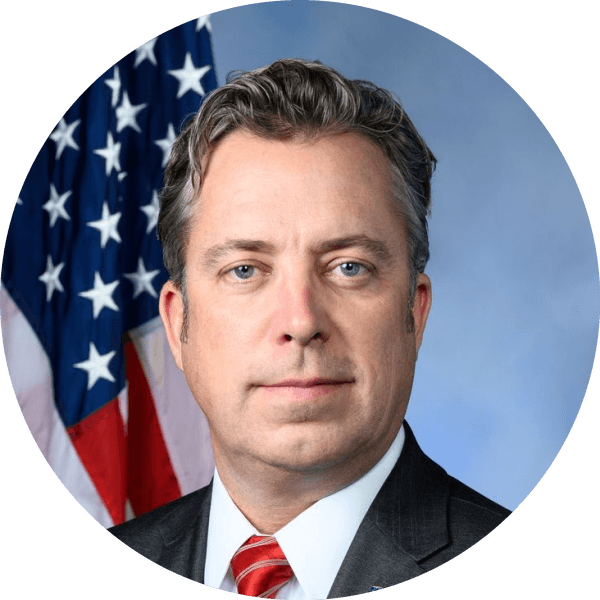
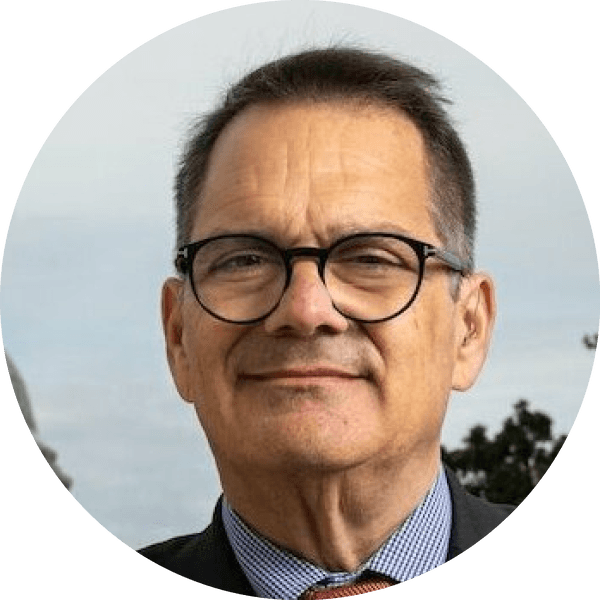
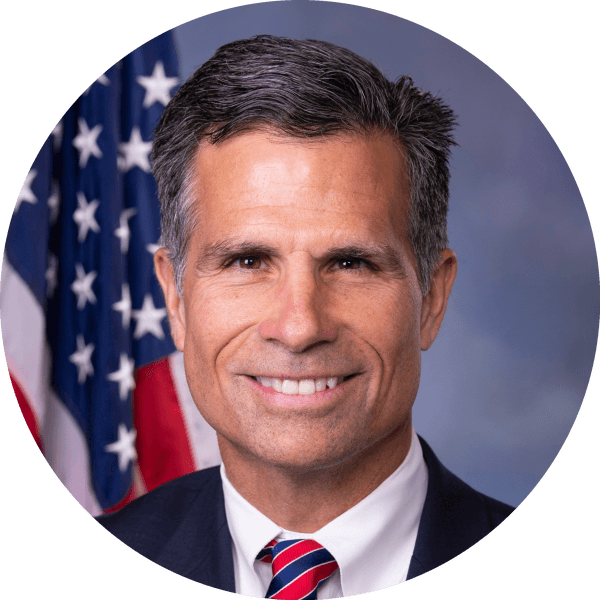
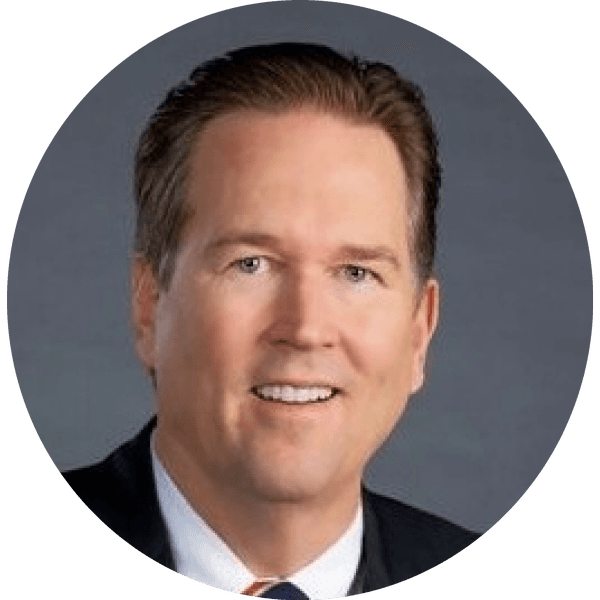
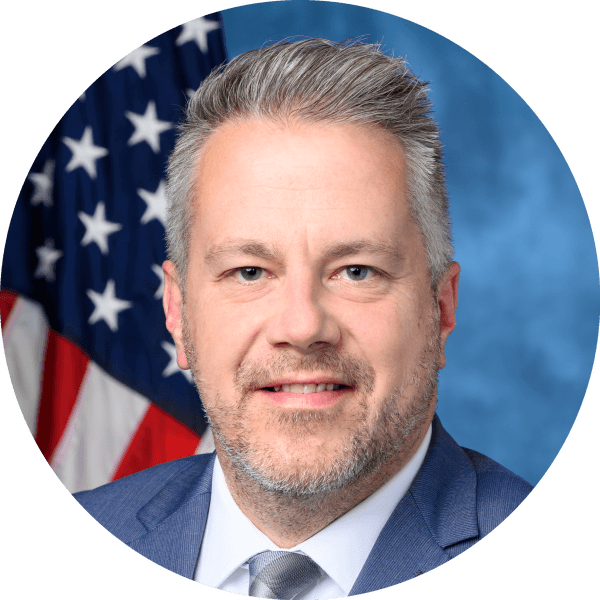
Daniel Webster
Republican · FL-11
Research-security bans would reach Hong Kong and Macau
Why it matters
Take federal money for your research, and you already can't join talent-recruitment programs run by China, Russia, Iran, or North Korea — do it anyway and you risk losing that funding. H.R. 3744 would push that ban past each country's border, to Hong Kong, Macau, and any other territory the U.S. recognizes those countries as controlling. For universities and federally funded scientists, it would close a gap in who counts as off limits. The bill writes in a January 1, 2026 start date, but it has sat in a House committee since June 2025.
H.R. 3744, the Research Integrity and Foreign Influence Prevention Act, is a one-paragraph change to an existing research-security rule. It doesn't create a program or spend a dollar — it edits a single definition.
The rule it touches is the malign foreign talent recruitment restriction from the 2022 CHIPS and Science Act. If you receive federal research funding, that restriction bars you from joining certain talent-recruitment programs tied to four covered countries: North Korea, China, Russia, and Iran. The open question has been how far the word country reaches.
H.R. 3744 answers it. Beginning January 1, 2026, foreign country would also include any special administrative region of those countries and any other territory the U.S. recognizes them as controlling. In practice, that means Hong Kong and Macau — China's two special administrative regions — would be treated the same as the mainland.
The edit is tiny on paper: the new language gets inserted right after the word Iran in the current statute. But for universities, grant recipients, and individual researchers, it could reshape how they screen partnerships, appointments, and disclosures. An institution leaning on a narrow reading of foreign country would have a harder case to make.
Bill Progress
Latest Action · Jun 5, 2025
Referred to the House Committee on Science, Space, and Technology.
H.R. 3744 Bill Summary
What H.R. 3744 actually does.
Hong Kong and Macau get pulled in
Beginning January 1, 2026, the restriction's definition of foreign country would cover any special administrative region of a covered country. China's only such regions are Hong Kong and Macau, so in practice they'd be treated like the mainland.
Controlled territories count too
The definition would also include any other territory the United States recognizes as being under a covered country's control, extending the rule beyond the four named countries to areas they govern.
A definition change, not a new program
The bill adds no funding, grant program, or penalty. It only widens who falls under the existing malign foreign talent recruitment restriction, so the consequences already on the books would reach more places.
One sentence, inserted after Iran
The amendment is drafted as a single insertion after the word Iran — the last of the four covered countries listed in current law — signaling it's meant to clarify one definition rather than rewrite the research-security rules.
A fixed start date of January 1, 2026
The expanded definition is written to take effect on a set date, giving covered institutions and researchers a specific deadline to adjust — though the bill has not yet passed.
Who benefits from H.R. 3744?
Federal research-security officials
A clearer line on what counts as a covered country gives agencies a firmer basis to enforce the talent-recruitment restriction, with less room for narrow-reading disputes.
University compliance offices
Spelling out that special administrative regions and controlled territories are included removes guesswork when offices vet foreign partnerships, appointments, and disclosures.
Taxpayers funding federal research
Supporters argue the change better shields federally funded research from influence routed through Hong Kong, Macau, or similar territories instead of straight through a covered country.
Who is affected by H.R. 3744?
Federally funded researchers
Scientists and staff covered by the talent-recruitment restriction would need to treat ties involving Hong Kong, Macau, or other controlled territories the same as ties to a covered country itself.
Universities and research institutions
Compliance teams would likely need to update screening and disclosure procedures so the broadened definition is reflected in how they review grants and hires.
Researchers with Hong Kong or Macau affiliations
Anyone with an appointment, contract, or program tie running through a special administrative region could face closer review once the expanded definition applies.
Organizations in covered regions and territories
Institutions based in Hong Kong, Macau, or other controlled territories could be treated like entities in the covered country itself for purposes of the restriction.
HR3744 Legislative Journey
House: Committee Action
Jun 5, 2025
Referred to the House Committee on Science, Space, and Technology.
About the Sponsor
Daniel Webster
Republican, Florida's 11th congressional district · 15 years in Congress
Committees: Transportation and Infrastructure, Science, Space, and Technology, Natural Resources
View full profile →
Cosponsors (4)
All 4 cosponsors are Republicans. Cosponsors represent 4 states: Michigan, Tennessee, Texas, and 1 more.
Committee Sponsors
Science, Space, and Technology Committee
2 of 40 committee members cosponsored


20 Republicans across this committee haven't cosponsored yet. Mobilize their constituents
H.R. 3744 Quick Facts
- Committee
- Science, Space, and Technology
- Chamber
- House
- Policy
- Science, Technology, Communications
- Introduced
- Jun 5, 2025
Referred to the House Committee on Science, Space, and Technology.
Jun 5, 2025
Official Sources
Official congressional bill page for the Research Integrity and Foreign Influence Prevention Act, including status, text, and actions.
Official U.S. Code entry for 42 U.S.C. 19237, the statute HR 3744 directly amends for the malign foreign talent recruitment restriction.
Official page for Public Law 117-167, the broader law containing the research security provision that HR 3744 revises.
Official Government Publishing Office record for Public Law 117-167, which enacted the underlying research security language referenced by this bill.
National Science Foundation research security guidance is relevant because universities and federally funded researchers may need to update compliance practices under the expanded definition.
NIH guidance on foreign interference and research security helps explain how grant recipients and research institutions may interpret compliance obligations affected by this bill.
H.R. 3744 Common Questions
What does H.R. 3744 actually do?
It expands a federal research-security rule. Researchers who take federal funding already can't join talent-recruitment programs run by China, Russia, Iran, or North Korea. H.R. 3744 would also count any special administrative region or controlled territory of those countries.
Why does this matter for Hong Kong and Macau?
China's only special administrative regions are Hong Kong and Macau. The bill would treat research ties routed through them the same as ties to mainland China, closing what supporters call a loophole in the talent-recruitment restriction.
What is the malign foreign talent recruitment restriction?
It's a rule from the 2022 CHIPS and Science Act. If you receive federal research money, you can't take part in certain foreign-government talent programs from covered countries — or you risk losing that funding.
Who would be affected by H.R. 3744?
Universities, federal grant recipients, and individual researchers covered by the talent-recruitment restriction. Compliance offices would likely need to update screening and disclosure to include Hong Kong, Macau, and similar territories.
When would the change take effect?
The bill sets an effective date of January 1, 2026. But it hasn't passed — it was referred to the House Science Committee in June 2025 and hasn't moved since, so that date may already be moot.
Does H.R. 3744 create new penalties for researchers?
No. It doesn't add fines or criminal charges. It only widens the definition of foreign country inside an existing restriction, so the same consequences that already apply would reach more places.
Has H.R. 3744 passed?
No. Representative Daniel Webster introduced it on June 5, 2025, with four Republican cosponsors. It was referred to the House Science, Space, and Technology Committee and has had no further action.
Based on H.R. 3744 bill text
H.R. 3744 Bill Text
“To amend the Research and Development, Competition, and Innovation Act to clarify the definition of foreign country for purposes of malign foreign talent recruitment restriction, and for other purposes.”
Source: U.S. Government Publishing Office
Get notified when H.R. 3744 moves
Committee votes, floor action, cosponsor changes — straight to your inbox.
Bill alerts + Legisletter's monthly briefing. Unsubscribe anytime.
Science, Technology, Communications Bills
9 related bills we're tracking
AM Radio for Every Vehicle Act of 2025
Received in the Senate. Read twice. Placed on Senate Legislative Calendar under General Orders. Calendar No. 622.
Sep 16, 2026
Scientific Integrity Act

Referred to the House Committee on Science, Space, and Technology.
Feb 6, 2025
Kids Online Safety Act


Committee on Commerce, Science, and Transportation. Ordered to be reported with an amendment in the nature of a substitute favorably.
Aug 5, 2026
Sunshine Protection Act of 2025
Received in the Senate and Read twice and referred to the Committee on Commerce, Science, and Transportation.
Jul 15, 2026
GUARDRAILS Act
Referred to the Committee on Energy and Commerce, and in addition to the Committee on the Judiciary, for a period to be subsequently determined by the Speaker, in each case for consideration of such provisions as fall within the jurisdiction of the committee concerned.
Mar 20, 2026
Artificial Intelligence Civil Rights Act of 2025

Referred to the Committee on Energy and Commerce, and in addition to the Committee on Oversight and Government Reform, for a period to be subsequently determined by the Speaker, in each case for consideration of such provisions as fall within the jurisdiction of the committee concerned.
Dec 2, 2025
TAKE IT DOWN Act

Became Public Law No: 119-12.
May 19, 2025
States' Right to Regulate AI Act

Read twice and referred to the Committee on Commerce, Science, and Transportation.
Dec 17, 2025
ACERO Act

Received in the Senate and Read twice and referred to the Committee on Commerce, Science, and Transportation.
Feb 24, 2026
Trending Right Now
Bills gaining momentum across Congress
North Platte Canteen Congressional Gold Medal Act


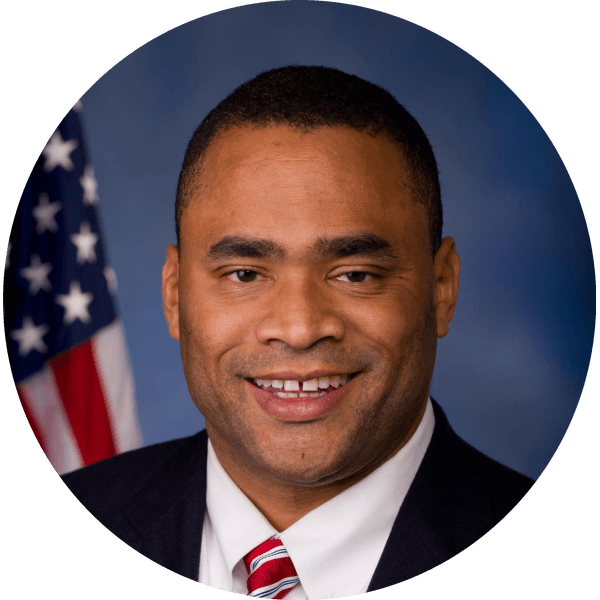
Referred to the House Committee on Financial Services.
Feb 21, 2025
America’s Olympic and Paralympic Games Commemorative Coins Act
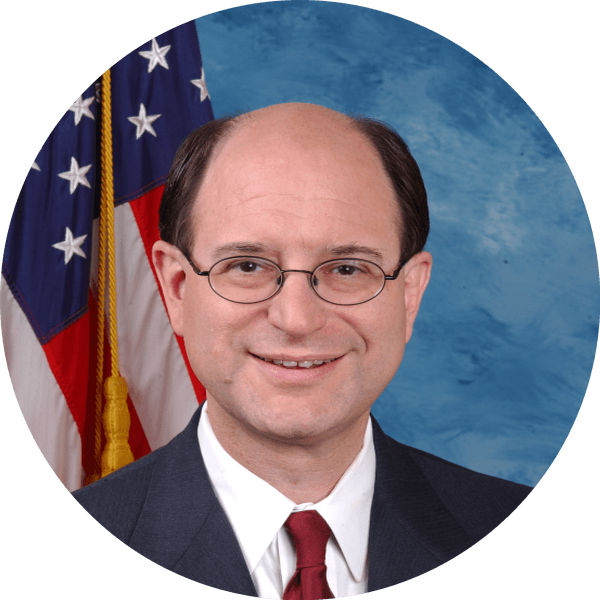
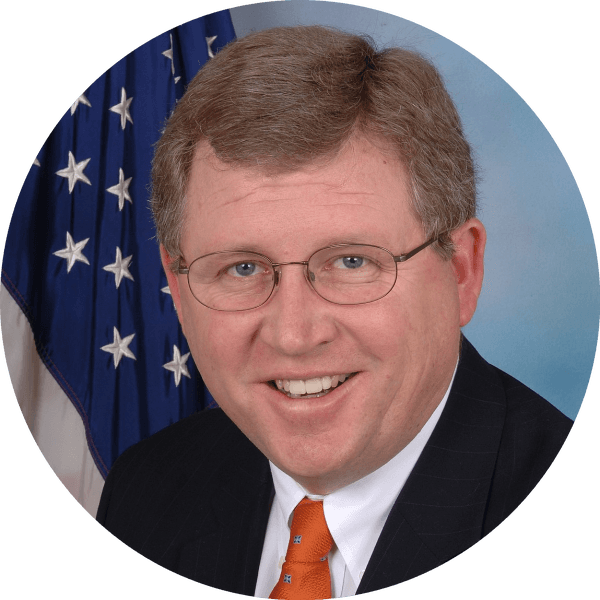

Referred to the House Committee on Financial Services.
Jul 14, 2025
Fit to Serve Act
Referred to the House Committee on Armed Services.
May 21, 2025
Tracking Science, Technology, Communications in Congress? Monitor bills, track cosponsor momentum, and launch advocacy campaigns — all from one advocacy platform.