H.R. 8914: No Taxpayer-Funded Settlement Slush Funds Act of 2026
Sponsor
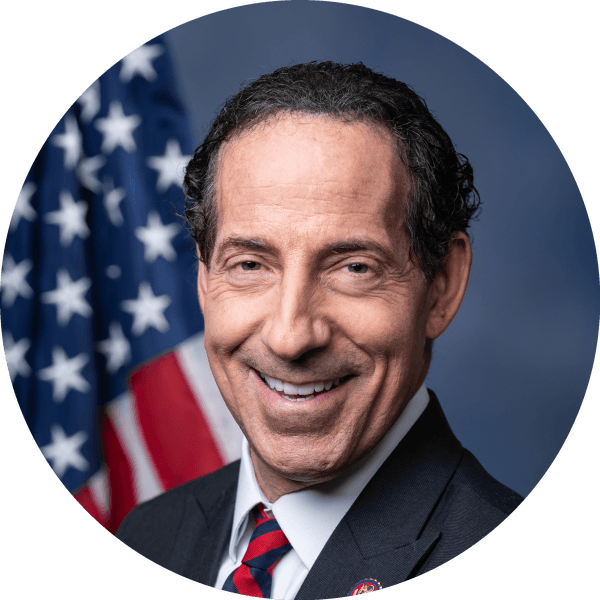
Jamie Raskin
Democrat · MD-8
A president shouldn't collect settlements from the government they run
Why it matters
Every federal settlement over $100,000 would get a paper trail to Congress within 30 days, and anything over $250,000 would wait 120 days before a check clears. H.R. 8914 also cuts off the compensation fund created by the May 18, 2026 settlement in Trump v. IRS and bars the President, Vice President, their families, and senior appointees from collecting federal settlement money at all.
H.R. 8914 opens with a single named case. It says no federal money may create or pay into the compensation fund set up by the May 18, 2026 settlement in Trump, et al. v. IRS, et al., filed in federal court in Southern Florida. Sponsor Rep. Jamie Raskin (D-MD) titled it the No Taxpayer-Funded Settlement Slush Funds Act, and the bill treats that fund as the problem it was written to stop.
The rest of the bill writes a permanent rule. The President, the Vice President, their parents, spouses, children, and children's spouses could never be paid from a federal settlement or court award. The same bar covers Cabinet members, senior White House staff paid at the GS-15 level or above, political appointees, and those officials after they leave, for as long as the president who appointed them stays in office.
Businesses count too. Any company the President or Vice President owns a piece of is blocked, unless it has more than 100 owners, their stake is 5% or less, and it is a publicly registered company or a broadly diversified fund.
Some claims are off the table no matter who brings them. The bill bars payouts for harm said to come from investigations or prosecutions tied to the January 6, 2021 Capitol attack or foreign interference in the 2016 election. It also bars payouts on claims built on the same facts as a lawsuit a court already threw out for good.
For everything else, Congress gets a view. Treasury would report every payment over $100,000 within 30 days: who got paid, their lawyers, which officials signed off, and why. Payments over $250,000, or ones made to head off a lawsuit, would sit for 120 days after Congress is notified before any money moves.
The rules reach back to settlements made on or after January 20, 2025, including ones signed before the bill becomes law. If a barred payment goes out anyway, the Attorney General could sue to stop it or claw it back. Congress keeps one escape valve: it can still pay a blocked claim by passing a separate appropriation for that claim alone.
Bill Progress
Latest Action · May 20, 2026
Referred to the House Committee on the Judiciary.
H.R. 8914 Bill Summary
What H.R. 8914 actually does.
The Trump v. IRS compensation fund gets no federal money
No federal funds could be used to create or pay into the compensation fund from the May 18, 2026 settlement in Trump, et al. v. IRS, et al. Treasury also could not set up any compensation fund through a settlement with a sitting president.
The President's family and inner circle can't collect
The President, Vice President, their parents, spouses, children, and children's spouses, Cabinet members, senior White House staff at GS-15 pay or above, and political appointees would be barred from receiving federal settlements or court awards.
The ban follows appointees out the door
Cabinet members, senior staff, and political appointees stay barred after leaving their jobs, for as long as the president who appointed them remains in office.
Companies the President owns are covered
Any business the President or Vice President holds a stake in is barred, except widely held public companies and diversified funds with more than 100 owners where their stake is 5% or less.
January 6 and 2016 election claims can't be paid
No settlement or award could go to a claim alleging harm from an investigation, prosecution, or conviction tied to the January 6, 2021 Capitol attack, foreign interference in the 2016 election, or the same facts as a lawsuit already dismissed with prejudice.
Congress sees every six-figure payout
Within 30 days of any payment over $100,000, Treasury must tell the leaders of the House and Senate Judiciary Committees who was paid, who represented them, which officials approved it, and the facts behind it.
Large checks wait four months
Payments over $250,000, or those made to head off an imminent lawsuit, require advance notice to Congress and a 120-day wait before the money can go out.
The rules reach back to January 20, 2025
Settlements and awards made on or after January 20, 2025 are covered, including those signed before the bill becomes law. The Attorney General could sue to block or recover a barred payment.
Who benefits from H.R. 8914?
Taxpayers who fund the Judgment Fund
The Judgment Fund pays out without a vote of Congress. Under this bill, you would know who received every payment over $100,000, and the President's own circle could not be on that list.
House and Senate Judiciary Committee leaders
The chair and top minority member on each committee would get names, lawyers, approving officials, and facts for six-figure settlements, plus a 120-day window to act before large ones are paid.
Future administrations of either party
The bar is not tied to one president. Any future President, Vice President, or appointee, Democrat or Republican, would face the same limits on collecting from the government they run.
Who is affected by H.R. 8914?
The parties to the Trump v. IRS settlement
The compensation fund created by the May 18, 2026 agreement could not receive federal money, and because the bill reaches back to January 20, 2025, the settlement would fall under the new limits even though it predates the bill.
Senior officials and their families
The President, Vice President, close relatives, Cabinet members, senior White House staff, and political appointees would lose access to federal settlements and awards, including for claims they might otherwise win on the merits.
People prosecuted over January 6 or the 2016 election investigations
Anyone seeking compensation for an investigation or prosecution tied to either event could not be paid through a federal settlement or award, unless Congress approved their individual claim.
Ordinary claimants with large settlements
Anyone owed more than $250,000 by the government, whether for an injury, a contract dispute, or a wrongful firing, would wait an extra 120 days after Congress is notified before getting paid.
Treasury and the Justice Department
Treasury takes on new reporting and waiting-period duties, and the Attorney General gains authority to sue for the return of prohibited payments.
What Congress Is Saying
H.R. 8914 has come up 7 times in the Congressional Record so far.
H.R. 8914 also appeared in 1 more House floor reference and 6 routine cosponsor filings.
HR8914 Legislative Journey
House: Committee Action
May 20, 2026
Referred to the House Committee on the Judiciary.
About the Sponsor
Jamie Raskin
Democrat, Maryland's 8th congressional district · 9 years in Congress
Committees: the Judiciary
View full profile →
Cosponsors (110)
All 110 cosponsors are Democrats. Cosponsors represent 32 states: Alabama, Arizona, California, and 29 more.

Bennie Thompson
Democrat · MS

Eleanor Norton
Democrat · DC

Steve Cohen
Democrat · TN

Johnny Olszewski
Democrat · MD

Becca Balint
Democrat · VT

Shri Thanedar
Democrat · MI

Sydney Kamlager-Dove
Democrat · CA

Jerrold Nadler
Democrat · NY
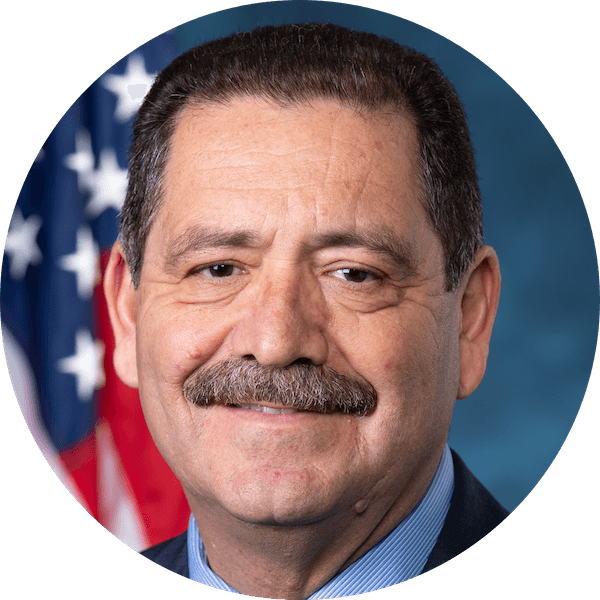
Jesús García
Democrat · IL

Analilia Mejia
Democrat · NJ

Yassamin Ansari
Democrat · AZ

Stephen Lynch
Democrat · MA
Cosponsor Coverage Map
Committee Sponsors
Judiciary Committee
16 of 44 committee members cosponsored


3 Democrats across this committee haven't cosponsored yet. Mobilize their constituents
H.R. 8914 Quick Facts
- Committee
- Judiciary
- Chamber
- House
- Policy
- Government Operations and Politics
- Introduced
- May 20, 2026
Referred to the House Committee on the Judiciary.
May 20, 2026
Official Sources
The official record of the bill text, sponsor, cosponsors, and every action taken on it.
The Judgment Fund statute this bill amends to bar payments to the President, family, and appointees.
The Treasury office that pays court judgments and settlements against the government, and would carry out the new reporting and 120-day hold.
What Treasury already reports to Congress about Judgment Fund payments, which the bill expands to named recipients and approving officials.
The bill borrows this section to define which political appointees are barred from collecting settlements.
GAO treatise on federal fiscal law, including how the Judgment Fund pays claims without a yearly appropriation.
How the Justice Department submits judgments and settlements for payment from the Judgment Fund.
Which Justice Department officials can approve settlements, the officials the bill would require Treasury to name to Congress.
H.R. 8914 Common Questions
What is the Trump v. IRS settlement fund in H.R. 8914?
It is the compensation fund created by a May 18, 2026 settlement in Trump, et al. v. IRS, et al., a case in federal court in Southern Florida. H.R. 8914 says no federal money may be used to create or pay into that fund.
Could a president ever receive a federal settlement under this bill?
No. The President, Vice President, their parents, spouses, children, and children's spouses could not be paid a federal settlement or court award. Congress could still approve a specific claim by passing its own appropriation.
Does the ban cover former officials?
Yes, for a time. Cabinet members, senior White House staff, and political appointees stay barred after leaving their jobs, for as long as the president who appointed them remains in office.
Would it apply to settlements already signed?
Yes. Any settlement or award made on or after January 20, 2025 is covered, even if it was signed before the bill becomes law. That look-back is likely to be one of the most contested parts of the bill.
Can January 6 defendants be compensated by the government?
Not through a federal settlement or court award. The bill bars payments for claims of harm from an investigation, prosecution, or conviction tied to the January 6, 2021 Capitol attack, unless Congress approves a claim individually.
What is the Judgment Fund?
A permanent Treasury account that pays court judgments and settlements against the federal government without a new vote of Congress each time. H.R. 8914 limits who can be paid from it and adds reporting to Congress.
Would large settlements be delayed for everyone?
Yes. Any payment over $250,000, or one made to head off a lawsuit, would wait 120 days after Treasury notifies Congress. Every payment over $100,000 would also be reported to Congress within 30 days.
What happens if a barred payment goes out anyway?
The Attorney General could sue the person who received it in federal court to block the payment or force repayment.
Based on H.R. 8914 bill text
H.R. 8914 Bill Text
“To amend section 1304 of title 31, United States Code to restrict payments for compromise settlements or awards.”
Source: U.S. Government Publishing Office
Get notified when H.R. 8914 moves
Committee votes, floor action, cosponsor changes — straight to your inbox.
Bill alerts + Legisletter's monthly briefing. Unsubscribe anytime.
Government Operations and Politics Bills
9 related bills we're tracking
Protect Our Letter Carriers Act of 2025





Referred to the Committee on the Judiciary, and in addition to the Committee on Oversight and Government Reform, for a period to be subsequently determined by the Speaker, in each case for consideration of such provisions as fall within the jurisdiction of the committee concerned.
Feb 6, 2025
John R. Lewis Voting Rights Advancement Act of 2025



Referred to the House Committee on the Judiciary.
Mar 5, 2025
Washington, D.C. Admission Act

Referred to the Committee on Oversight and Government Reform, and in addition to the Committees on Rules, Armed Services, the Judiciary, and Energy and Commerce, for a period to be subsequently determined by the Speaker, in each case for consideration of such provisions as fall within the jurisdiction of the committee concerned.
Jan 3, 2025
Rights for the TSA Workforce Act




Referred to the Subcommittee on Transportation and Maritime Security.
Mar 11, 2025
DISCLOSE Act of 2026


Referred to the Committee on House Administration, and in addition to the Committees on Ways and Means, and the Judiciary, for a period to be subsequently determined by the Speaker, in each case for consideration of such provisions as fall within the jurisdiction of the committee concerned.
Mar 4, 2026
Federal Retirement Fairness Act




ASSUMING FIRST SPONSORSHIP - Ms. Randall asked unanimous consent that she may hereafter be considered as the first sponsor of H.R. 1522, a bill originally introduced by Representative Connolly, for the purpose of adding cosponsors and requesting reprintings pursuant to clause 7 of rule XII. Agreed to without objection.
Jul 22, 2025
FIND Act





Referred to the House Committee on Oversight and Government Reform.
Jan 3, 2025
Fair Pay for Federal Contractors Act of 2025

Referred to the Committee on Appropriations, and in addition to the Committee on Oversight and Government Reform, for a period to be subsequently determined by the Speaker, in each case for consideration of such provisions as fall within the jurisdiction of the committee concerned.
Sep 30, 2025
Saving the Civil Service Act

ASSUMING FIRST SPONSORSHIP - Mr. Walkinshaw asked unanimous consent that he may hereafter be considered as the first sponsor of H.R. 492, a bill originally introduced by Representative Connolly, for the purpose of adding cosponsors and requesting reprintings pursuant to clause 7 of rule XII. Agreed to without objection.
Sep 16, 2025
Trending Right Now
Bills gaining momentum across Congress
North Platte Canteen Congressional Gold Medal Act



Referred to the House Committee on Financial Services.
Feb 21, 2025
America’s Olympic and Paralympic Games Commemorative Coins Act




Referred to the House Committee on Financial Services.
Jul 14, 2025
Fit to Serve Act




Referred to the House Committee on Armed Services.
May 21, 2025
Tracking Government Operations and Politics in Congress? Monitor bills, track cosponsor momentum, and launch advocacy campaigns — all from one advocacy platform.