H.R. 6677: Professional Degree Access Restoration Act
Sponsor

Ritchie Torres
Democrat · NY-15
Bring back federal loans for med and law school
Why it matters
The 2025 reconciliation law ended Grad PLUS loans for new borrowers starting July 1, 2026 and capped federal borrowing at $100,000 for most graduate degrees and $200,000 for professional degrees like medicine and law. H.R. 6677 repeals those limits and restores the borrowing rules graduate and professional students had before.
H.R. 6677, the Professional Degree Access Restoration Act, is a short repeal bill. Its stated purpose is to reverse the cuts to federal loan availability for graduate and professional students made by Public Law 119–21, the budget reconciliation law signed in July 2025.
That law made two changes for students who start borrowing on or after July 1, 2026. It ended Grad PLUS loans, which had let graduate students borrow up to the full cost of attendance. And it set new caps on federal Direct Unsubsidized Loans: $20,500 a year and $100,000 total for graduate students, and $50,000 a year and $200,000 total for professional students in fields like medicine, law, and dentistry.
H.R. 6677 deletes the June 30, 2026 cutoff for Grad PLUS and strikes the new caps, so students entering graduate or professional school would again be able to borrow federally up to the cost of attendance. It doesn't create a new program, set new interest rates, or add funding. It removes the text the 2025 law added and restores the prior structure.
The gap is easiest to see with a program that costs more than the cap. A hypothetical professional program with an $80,000 annual cost of attendance leaves a $30,000 gap each year under a $50,000 federal limit, or $120,000 over four years. Under current law, that money has to come from savings, family, or private loans, which usually require a credit check and lack federal protections like income-driven repayment. Under H.R. 6677, federal loans could cover it.
Bill Progress
Latest Action · Dec 11, 2025
Referred to the House Committee on Education and Workforce.
H.R. 6677 Bill Summary
What H.R. 6677 actually does.
Grad PLUS loans return for new students
Removes the language that limited Grad PLUS loans to periods of instruction ending June 30, 2026. Students starting after that date could again borrow up to their school's cost of attendance, minus other aid.
Graduate and professional borrowing caps come off
Strikes the paragraph the 2025 law added setting annual and lifetime caps on federal loans for graduate students ($20,500 a year, $100,000 total) and professional students ($50,000 a year, $200,000 total).
Transition rules for current borrowers are removed
Repeals the related subparagraph and cross-references that governed the phase-in of the new limits. With the caps gone, those transition rules no longer apply.
No new program or spending
The bill restores the loan rules that existed before July 2025. It sets no new interest rates, eligibility rules, or funding authorization.
Who benefits from H.R. 6677?
Future medical, dental, and law students
Professional programs often cost more than the $50,000 annual federal cap. Students starting these programs on or after July 1, 2026 would regain access to federal loans for the full cost of attendance.
Graduate students in master's and doctoral programs
Graduate students are capped at $20,500 a year and $100,000 total under current law. The bill lifts that ceiling for programs like nursing, social work, and PhDs that cost more than the cap.
Students without family wealth or strong credit
Private loans usually require a credit check or a cosigner. Restoring federal loans means admission, not credit history, determines whether a student can pay for the program.
Graduate and professional schools
Programs whose costs exceed the new caps could see fewer admitted students turn down offers because they can't finance the gap.
Who is affected by H.R. 6677?
Federal taxpayers
More federal lending means more federal loan volume, and repealing the caps would undo savings counted in the 2025 reconciliation law. No official cost estimate for H.R. 6677 has been published.
Private student lenders
The 2025 caps opened a market for private graduate loans. Restoring Grad PLUS would bring back a federal competitor for those borrowers.
The U.S. Department of Education
The department would have to reinstate Grad PLUS for new borrowers and remove the caps from its loan systems after spending 2026 implementing them.
Supporters of the 2025 caps
Backers of the reconciliation law argued that unlimited graduate borrowing lets schools raise tuition without limit. The bill would reverse that policy.
HR6677 Legislative Journey
House: Committee Action
Dec 11, 2025
Referred to the House Committee on Education and Workforce.
About the Sponsor
Ritchie Torres
Democrat, New York's 15th congressional district · 5 years in Congress
Committees: House Select Committee on the Strategic Competition Between the United States and the Chinese Communist Party, Financial Services
View full profile →
Cosponsors (49)
All 49 cosponsors are Democrats. Cosponsors represent 25 states: Alabama, Arizona, California, and 22 more.
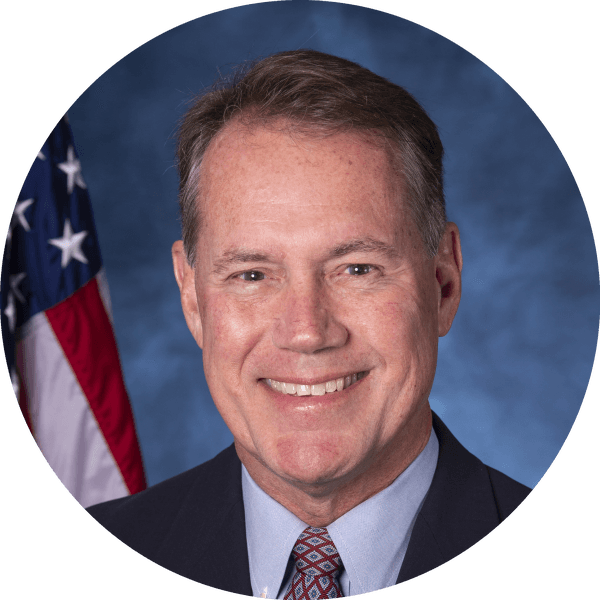
Ed Case
Democrat · HI

Eleanor Norton
Democrat · DC
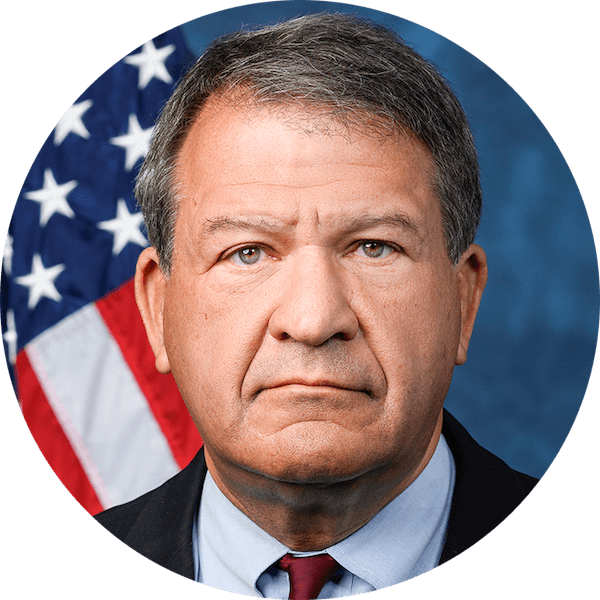
George Latimer
Democrat · NY

Daniel Goldman
Democrat · NY
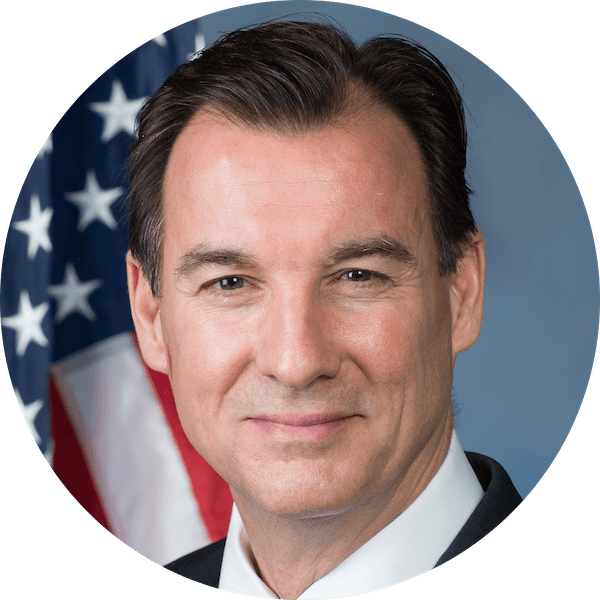
Thomas Suozzi
Democrat · NY
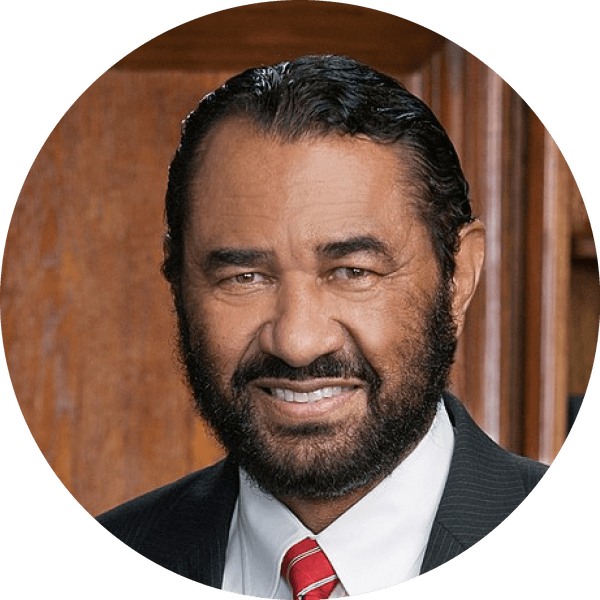
Al Green
Democrat · TX

Jahana Hayes
Democrat · CT
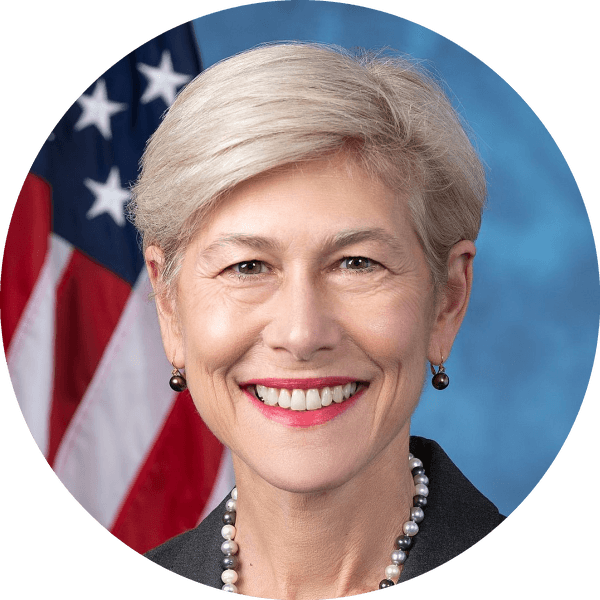
Deborah Ross
Democrat · NC
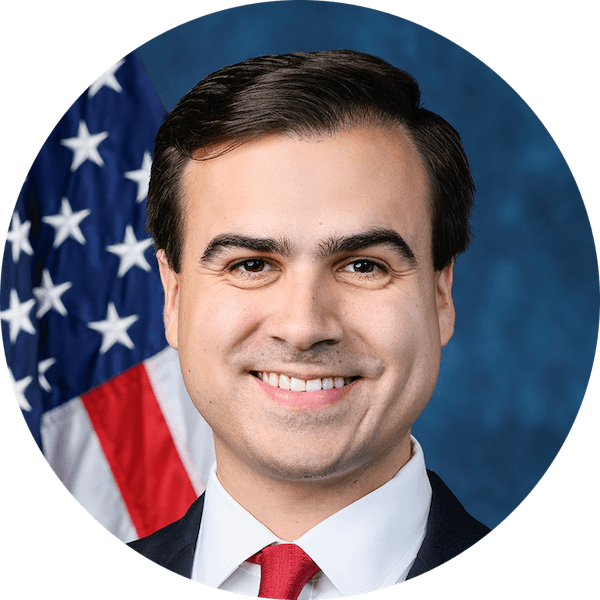
Pablo Hernández
Democrat · PR

Steve Cohen
Democrat · TN
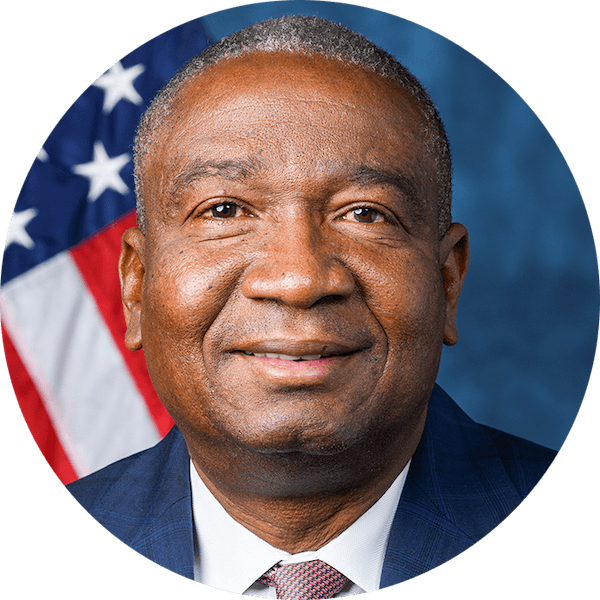
Cleo Fields
Democrat · LA

Henry Johnson
Democrat · GA
Committee Sponsors
Education and Workforce Committee
3 of 37 committee members cosponsored


13 Democrats across this committee haven't cosponsored yet. Mobilize their constituents
H.R. 6677 Quick Facts
- Committee
- Education and Workforce
- Chamber
- House
- Policy
- Education
- Introduced
- Dec 11, 2025
Referred to the House Committee on Education and Workforce.
Dec 11, 2025
Official Sources
Official bill page with text, status, sponsor, and the 49 cosponsors of the Professional Degree Access Restoration Act.
The Senate companion bill, which would make the same repeal of the graduate and professional loan limits.
The 2025 budget reconciliation law that ended Grad PLUS for new borrowers and set the caps H.R. 6677 would repeal.
Federal Student Aid's guide to graduate and professional loan limits for the last award year before the caps, the structure H.R. 6677 would restore.
Federal Student Aid's notice to schools on the end of Grad PLUS for new borrowers and the new graduate and professional aggregate limits.
The Education Department's current list of programs that qualify for the higher $200,000 professional student limit.
Who is lobbying on H.R. 6677?
2 organizations lobbying on this bill
NATIONAL LEAGUE FOR NURSING | 3 |
NATIONAL ASSOCIATION OF PEDIATRIC NURSE PRACTITIONERS | 3 |
Showing 1-2 of 2 organizations
H.R. 6677 Common Questions
Are Grad PLUS loans going away?
For new borrowers, yes. Under the 2025 reconciliation law, Grad PLUS loans aren't available for periods of instruction starting on or after July 1, 2026. H.R. 6677 would remove that end date and bring the program back.
How much can I borrow in federal loans for grad school now?
If you start borrowing on or after July 1, 2026, graduate students are capped at $20,500 a year and $100,000 total. Professional students, such as those in medical or law school, are capped at $50,000 a year and $200,000 total. H.R. 6677 would remove these caps.
What counts as a professional student under the new loan limits?
Professional students are in programs such as medicine, law, dentistry, and pharmacy, and they get the higher $200,000 limit. Most master's and doctoral students fall under the lower $100,000 graduate limit. H.R. 6677 removes the caps for both groups.
I'm already in grad school. Do the new caps apply to me?
Generally not yet. Students enrolled and borrowing before July 1, 2026 can keep borrowing under the old rules for up to three academic years or the expected length of their program, whichever is shorter. H.R. 6677 would make that phase-out unnecessary.
What happens if my program costs more than the federal cap?
Under current law, you cover the gap with savings, family help, scholarships, or private loans. Private loans usually require a credit check and don't offer federal options like income-driven repayment or Public Service Loan Forgiveness.
Does H.R. 6677 change interest rates or create a new loan?
No. It restores the federal loan rules that applied before the 2025 law and doesn't change rates, fees, or repayment plans.
Is there a Senate version of H.R. 6677?
Yes. S. 4039 is the Senate companion, also titled the Professional Degree Access Restoration Act. H.R. 6677 is in the House Committee on Education and Workforce with 49 cosponsors, all Democrats.
Based on H.R. 6677 bill text
H.R. 6677 Bill Text
“To amend the Higher Education Act of 1965 to reverse the reductions in Federal loan availability for graduate and professional students enacted under Public Law 119–21.”
Source: U.S. Government Publishing Office
Get notified when H.R. 6677 moves
Committee votes, floor action, cosponsor changes — straight to your inbox.
Bill alerts + Legisletter's monthly briefing. Unsubscribe anytime.
Education Bills
9 related bills we're tracking
Safe Schools Improvement Act


Referred to the House Committee on Education and Workforce.
Mar 3, 2025
IDEA Full Funding Act


Referred to the House Committee on Education and Workforce.
Apr 2, 2025
Tyler Clementi Higher Education Anti-Harassment Act of 2025


Referred to the House Committee on Education and Workforce.
Sep 18, 2025
REDI Act

Referred to the House Committee on Education and Workforce.
Mar 11, 2025
Department of Education Protection Act


Referred to the House Committee on Education and Workforce.
Jan 15, 2025
Expanding Access to Mental Health Services in Schools Act of 2025

Referred to the House Committee on Education and Workforce.
Jun 30, 2025
Holocaust Education and Antisemitism Lessons Act


Referred to the House Committee on Education and Workforce.
Jan 28, 2025
American Teacher Act


Referred to the House Committee on Education and Workforce.
Mar 10, 2025
Rebuild America’s Schools Act of 2026


Referred to the Committee on Education and Workforce, and in addition to the Committee on Ways and Means, for a period to be subsequently determined by the Speaker, in each case for consideration of such provisions as fall within the jurisdiction of the committee concerned.
Feb 4, 2026
Trending Right Now
Bills gaining momentum across Congress
North Platte Canteen Congressional Gold Medal Act


Referred to the House Committee on Financial Services.
Feb 21, 2025
ASAP Act




Ordered to be Reported in the Nature of a Substitute by the Yeas and Nays: 40 - 0.
Sep 16, 2026
Fit to Serve Act


Referred to the House Committee on Armed Services.
May 21, 2025
Tracking Education in Congress? Monitor bills, track cosponsor momentum, and launch advocacy campaigns — all from one advocacy platform.