Mr. President, I was necessarily absent for rollcall vote No. 44, on the motion to invoke cloture on the motion to proceed to H.R. 6644, the Housing for the 21st Century Act. Had I been present for the vote, I would have voted yes.
H.R. 6644: 21st Century ROAD to Housing Act
Introduced Dec 11, 202531 cosponsors
Sponsor

J. Hill
Republican · AR-2
Big investors can no longer buy up single-family homes
6 min readLast updated September 25, 2026
Why it matters
Investment firms that control 350 or more single-family homes are now barred from buying more, with fines of up to $1 million per purchase or three times the price, whichever is higher. The same law makes it easier and cheaper to build smaller apartment buildings, factory-built homes, and starter homes.
H.R. 6644 started in the House as a housing supply bill and came back from the Senate as something much larger: twelve titles covering zoning, construction, mortgages, public housing, veterans, community banks, and a ban on a Federal Reserve digital dollar. It passed the Senate 85-5 and the House 358-32 in June 2026, then became Public Law 119-101 on July 11 without the President's signature.
The provision most people will notice is in Title X. Investors that control 350 or more single-family homes can't buy any more of them, and each violation can cost $1 million or three times the purchase price. On a $400,000 house, that second number is $1.2 million. The ban started 180 days after enactment and lasts 15 years.
Most of the law's other changes aim at supply. HUD must publish model zoning practices and help localities permit single-staircase apartment buildings up to six stories — a building type that many local codes make difficult to approve. Manufactured homes no longer need a permanent steel chassis, and FHA loans can now pay for building a backyard unit.
Some rules cut review time for projects. Infill housing on sites that already have water, sewer, and roads is exempt from several federal environmental reviews. New grants pay cities to adopt pre-approved building plans, convert vacant buildings into homes, and reward places where housing growth is strong. Cities that add housing more slowly than the median lose 10% of their block grant money.
For renters and assisted families, the HOME program now reaches households earning up to 100% of area median income, up from 80%. The public housing conversion program called RAD becomes permanent, with its cap rising from 455,000 to 555,000 units. A new pilot lets up to 5,000 families save rent increases tied to higher wages in an interest-bearing account.
Title IX changes rules for community banks and credit unions, and Title XI bars the Federal Reserve from issuing a central bank digital currency through 2030. The law authorizes no new spending, so every program it creates has to be funded later by appropriators.
Bill Progress
IntroducedDec 11
Committee
Pass House
Pass SenateMar 12
SignedJun 29
LawJul 11
Latest Action · Jul 11, 2026
1/4
Became Public Law No: 119-101.
H.R. 6644 Bill Summary
What H.R. 6644 actually does.
1
Large investors are shut out of the single-family market
Investors with control of at least 350 single-family homes are generally barred from buying more. Penalties reach $1 million per violation or three times the purchase price, whichever is greater. The ban runs for 15 years after it takes effect.
2
Single-stair apartment buildings get a federal path
HUD must set best practices and give technical help for permitting point-access block buildings, meaning apartments up to six stories served by one staircase. Competitive grants can fund studies of their safety and cost for seven years.
3
Factory-built homes lose an old design rule
Manufactured homes no longer have to be built on a permanent chassis, and HUD must issue revised construction and energy standards. FHA loan caps for manufactured homes and home improvements rise, and improvement loans can now fund accessory dwelling units.
4
Infill housing skips some environmental reviews
Housing on sites already served by water, sewer, and roads, along with rental assistance and supportive services, is reclassified as exempt or excluded from specified federal environmental review requirements.
5
More families qualify for HOME-funded housing
HOME Investment Partnerships funds can now serve households earning up to 100% of area median income, up from 80%. Local governments can also use HOME money for water lines, sewer lines, sidewalks, and roads tied to housing.
6
Block grant money follows housing growth
Community Development Block Grant allocations now adjust for local housing growth. Jurisdictions growing faster than 4% a year get more money, while those below the median growth rate get 10% less. New construction of affordable housing becomes an eligible use.
7
Public housing conversions become permanent
The Rental Assistance Demonstration, which moves public housing onto Section 8 contracts so owners can finance repairs, is made permanent. Its unit cap rises from 455,000 to 555,000.
8
Borrowers see VA options before signing an FHA loan
The standard mortgage application must tell applicants with military service they may qualify for a VA home loan. FHA lenders must also show eligible borrowers a cost comparison with VA loans, including insurance premiums and fees over the life of the loan.
9
The Federal Reserve cannot issue a digital dollar through 2030
The Fed is prohibited from issuing a central bank digital currency, meaning a dollar-denominated digital asset that is a direct Fed liability and widely available to the public. The prohibition ends December 31, 2030.
Who benefits from H.R. 6644?
First-time buyers competing for starter homes
Buyers who have lost houses to all-cash institutional offers face fewer of those bids, since the largest single-family investors can no longer add homes to their portfolios.
Families just above the old HOME income line
In an area where the median family income is $90,000, the HOME income cap rises from about $72,000 to $90,000, opening subsidized housing to teachers, nurses, and tradespeople who earned too much to qualify before.
Buyers of manufactured and lower-cost homes
Higher FHA caps for manufactured homes, a four-year FHA pilot to increase mortgages of $100,000 or less, and the end of the chassis requirement all target the cheapest path to ownership.
Homeowners who want to add a backyard unit
FHA property improvement loans can now pay to build an accessory dwelling unit, which can house a relative or bring in rent.
Public housing residents in aging buildings
Up to 100,000 more units can convert through RAD, which lets housing authorities borrow against Section 8 contracts to pay for repairs.
Working families in assisted housing
Up to 5,000 families in a 10-year pilot can have rent increases from higher earnings placed into an interest-bearing escrow account they may later withdraw.
Veterans shopping for a mortgage
Veterans get notice of VA loan eligibility on the standard application, and FHA borrowers see a side-by-side cost comparison with VA loans. VA disability benefits are excluded from income when determining HUD-VASH eligibility.
Who is affected by H.R. 6644?
Institutional single-family landlords
Firms at or above the 350-home threshold must stop buying single-family homes for 15 years or face penalties of $1 million or three times the price per purchase. The ban applies to new purchases.
Slow-growth cities and counties
Jurisdictions whose housing growth falls below the median lose 10% of their Community Development Block Grant funds, which pressures local governments that restrict new building.
HUD, FHA, USDA, VA, and the CFPB
Agencies must write rules for the investor ban, issue zoning and manufactured-housing standards, run new pilots, and deliver a long list of studies and reports. The HUD Secretary must testify before Congress every year.
Community banks and credit unions
Small banks get looser treatment of custodial and reciprocal deposits and longer exam cycles, and most credit union boards can meet six times a year instead of monthly. Bank regulators must report to Congress after any failure that triggers a systemic risk determination.
The Federal Reserve
The Fed cannot issue a central bank digital currency before the end of 2030.
On the Record
What Congress Is Saying
102 legislators have weighed in on H.R. 6644 — 42 Democrats, 59 Republicans, 1 Independents.
Mr. Speaker, I rise in support of H.R. 6644, the Housing for the 21st Century Act, sponsored by myself and, of course, by Representatives Hill, Cleaver, and Flood. Our housing and homelessness crisis has reached a breaking point, as millions of Americans each night struggle to find a decent, stable, and affordable place to live. The struggle has real faces of our children's teachers, working mothers, veterans, and, of course, children from all over the country. The struggle is in our rural towns, urban areas, and suburban neighborhoods across America.


Mr. Speaker, had I been present, I would have voted YEA on Roll Call No. 57, H.R. 6644; and YEA on Roll Call No. 58, H.R. 1531.

Mr. Speaker, I missed the vote series on February 9, 2026. Had I been present, I would have voted: YEA on Roll Call No. 58, final passage of H.R. 1531, PROTECT Taiwan Act; and YEA on Roll Call No. 57, final passage of H.R. 6644, Housing for the 21st Century Act.

Mr. Speaker, I thank my friend and colleague, the gentleman from Florida (Mr. Haridopolos) for arranging this Special Order hour. Mr. Speaker, I rise today in strong support of H.R. 6644, the Housing for the 21st Century Act. Americans across the country are feeling the squeeze of a very real housing crisis. The National Association of Realtors estimates that the average first-time home buyer was 40 years old in the year 2025. In my home State of Montana, the estimates show the median home price of a home exceeds $500,000.

Mr. Speaker, I was absent from the floor and missed Roll Call Nos. 57 and 58. Had I been present, I would have voted YEA on Roll Call No. 57, H.R. 6644—Housing for the 21st Century Act, as amended and YEA on Roll Call No. 58, H.R. 1531—PROTECT Taiwan Act, as amended. personal explanation

Mr. Speaker, I thank Mrs. Beatty for yielding me time. Mr. Speaker, I rise in support of H.R. 6644, also known as the Housing for the 21st Century Act. This legislation, introduced by Chairman Hill, Ranking Member Waters, Chairman Flood, and me, advanced out of the Financial Services Committee by an impressive 50-1 vote. This legislation reflects input from Democrats, Republicans, and hundreds of organizations nationwide.
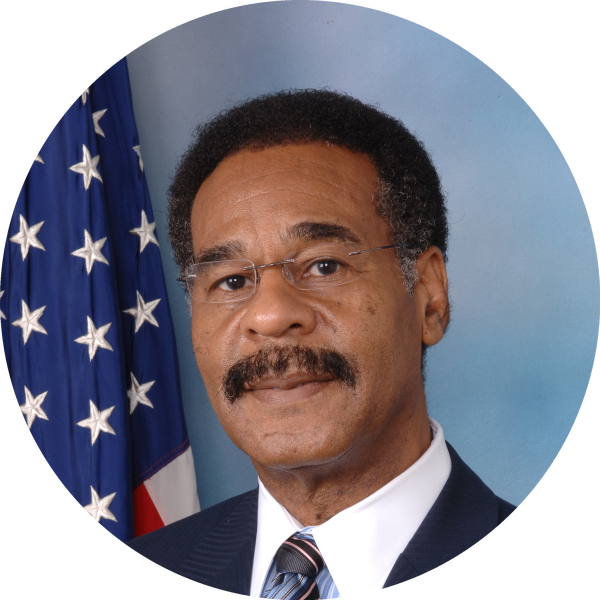
H.R. 6644 also appeared in 1 more House floor reference, 119 more Senate floor references, and 19 routine cosponsor filings.
HR6644 Legislative Journey
Signed into Law
Jul 11, 2026
Became Public Law No: 119-101.
+2 more actions this day
Action Taken
Jun 29, 2026
Presented to President.
House: Vote: 358-32
Jun 23, 2026
On motion that the House suspend the rules and agree to the Senate amendment to the House amendment to the Senate amendment Agreed to by the Yeas and Nays: (2/3 required): 358 - 32 (Roll no. 224). (text: CR H4151-4187)
Floor Action
Jun 22, 2026
Considered by Senate (Message from the House considered). (consideration: CR S2977, S2982-2984)
Floor Action
Jun 18, 2026
Considered by Senate (Message from the House considered). (consideration: CR S2913-2917)
Committee Action
Jun 16, 2026
Motion by Senator Thune to refer to Senate Committee on Banking, Housing, and Urban Affairs the House message to accompany H.R. 6644 with instructions to report back forthwith with the following amendment (SA5825) made in Senate.
Action Taken
Jun 2, 2026
Message on House action received in Senate and at desk: House amendment to Senate amendment.
House: Action Taken
May 20, 2026
House agreed to Senate amendment with amendment pursuant to H. Res. 1299 (consideration: CR H3643-3644)
Action Taken
Mar 16, 2026
Message on Senate action sent to the House.
Passed 89-10
Mar 12, 2026
Passed Senate with an amendment by Yea-Nay Vote. 89 - 10. Record Vote Number: 53.
+2 more actions this day
Floor Action
Mar 11, 2026
Considered by Senate. (consideration: CR S969, S1004-1005)
Floor Action
Mar 10, 2026
Considered by Senate. (consideration: CR S943)
Floor Action
Mar 5, 2026
Considered by Senate. (consideration: CR S855-856)
Floor Action
Mar 4, 2026
Motion to proceed to measure considered in Senate. (CR S769)
Floor Action
Mar 3, 2026
Motion to proceed to measure considered in Senate. (CR S741)
Floor Action
Mar 2, 2026
Motion to proceed to measure considered in Senate. (CR S719)
Action Taken
Feb 26, 2026
Cloture motion on the motion to proceed to the measure presented in Senate. (CR S692)
Action Taken
Feb 24, 2026
Read the second time. Placed on Senate Legislative Calendar under General Orders. Calendar No. 343.
Action Taken
Feb 23, 2026
Read the first time. Placed on Senate Legislative Calendar under Read the First Time.
Sent to Senate
Feb 11, 2026
Received in the Senate.
House: Action Taken
Feb 9, 2026
The title of the measure was amended. Agreed to without objection.
About the Sponsor
J. Hill
Republican, Arkansas's 2nd congressional district · 11 years in Congress
Committees: Financial Services, House Permanent Select Committee on Intelligence
View full profile →
Cosponsors at time of passage (31)
This bill has 31 cosponsors: 16 Democrats, 15 Republicans, reflecting bipartisan support. Cosponsors represent 20 states: California, Colorado, Florida, and 17 more.
16Democrats15Republicans·20 statesBipartisan

Maxine Waters
Democrat · CA

Mike Flood
Republican · NE

Emanuel Cleaver
Democrat · MO

Al Green
Democrat · TX

Pete Sessions
Republican · TX

Nydia Velázquez
Democrat · NY

John Rose
Republican · TN

Brad Sherman
Democrat · CA

Bryan Steil
Republican · WI

David Scott
Democrat · GA

Marlin Stutzman
Republican · IN

Joyce Beatty
Democrat · OH
Committee Sponsors
Veterans' Affairs Committee
11D14R
|0 signed25 others0 of 25 committee members cosponsored at the time
No committee members have cosponsored this bill
Financial Services Committee
23D30R
|29 signed24 others29 of 53 committee members cosponsored at the time


What laws does H.R. 6644 change?
22 changes
Sections Amended
Section 1(b) of Cranston-Gonzalez National Affordable Housing Act (Public Law 101-625; 104 Stat. 4079)
inserting after the item relating to section 226 the following: ``Sec
Section 603(6) of National Manufactured Housing Construction and Safety Standards Act of 1974 (42 U.S.C. 5402(6))
striking ``on a permanent chassis'' and inserting ``with or without a permanent chassis''
Section 604(a) of National Manufactured Housing Construction and Safety Standards Act of 1974 (42 U.S.C. 5403(a))
adding the following: ``(7) Standards for manufactured homes built without a permanent chassis
Section 604 of National Manufactured Housing Construction and Safety Standards Act of 1974 (42 U.S.C. 5403)
adding at the end the following: ``(i) Manufactured Home Certifications
Section 23 of United States Housing Act of 1937 (42 U.S.C. 1437u)
adding at the end the following: ``(p) Escrow Expansion Pilot Program
Section 205 of Cranston-Gonzalez National Affordable Housing Act (42 U.S.C. 12724)
read as follows: ``SEC
Sections Repealed
1205 of Housing and Community Development Act of 1992 (42 U.S.C. 12705d) is abolished. (2) Repeal.--Section 1205 of the Housing and Community Development Act of 1992 (42 U.S.C. 12705d)
H.R. 6644 Quick Facts
Cosponsors
31
- Committee
- Veterans' Affairs
- Chamber
- House
- Policy
- Housing and Community Development
- Introduced
- Dec 11, 2025
Became Public Law No: 119-101.
Jul 11, 2026
Official Sources
H.R. 6644 on Congress.gov
Full bill text, votes, and legislative history for the 21st Century ROAD to Housing Act.
Public Law 119-101 (GovInfo)
The enacted text of the law as published by the Government Publishing Office, approved July 11, 2026.
HUD HOME Investment Partnerships Program
The HOME block grant program whose income limit the law raises from 80% to 100% of area median income.
HUD Community Development Block Grant Program
The CDBG formula grants the law adjusts to reward housing growth and cut funds for slow-growth jurisdictions.
HUD Rental Assistance Demonstration (RAD)
The public housing conversion program the law makes permanent and expands to 555,000 units.
HUD Office of Manufactured Housing Programs
The office that sets the manufactured home construction and safety standards the law directs HUD to revise.
FHA Title I Property Improvement Loans
The FHA-insured improvement loans the law expands to cover building accessory dwelling units.
VA Home Loans
The VA-backed mortgage program that applicants with military service must now be told about when applying for an FHA loan.
About Legisletter
Legisletter is the advocacy platform that tracks every bill from introduction to Public Law — and connects the constituents affected by a bill to the legislators who vote on it.
H.R. 6644 Common Questions
Is H.R. 6644 law?
Yes. It passed the Senate 85-5 and the House 358-32 in June 2026 and became Public Law 119-101 on July 11, 2026, without the President's signature. Its final title is the 21st Century ROAD to Housing Act.
Does the housing law ban investors from buying homes?
Only the largest ones. Investors that control at least 350 single-family homes are generally barred from buying more. Smaller landlords and individual buyers are not covered. The ban took effect 180 days after enactment and lasts 15 years.
What is the penalty for violating the investor ban?
Up to $1 million per violation or three times the home's purchase price, whichever is greater. For a $400,000 house, that means a penalty of up to $1.2 million.
Who qualifies for HOME-funded housing now?
Households earning up to 100% of area median income, up from 80%. If your area's median family income is $90,000, the cutoff rises from about $72,000 to $90,000.
What is a single-stair apartment building?
An apartment building up to six stories where all units share one staircase. Many local codes require a second stairway at that height. The law has HUD publish permitting best practices and fund studies on safety and cost.
How does the law change manufactured homes?
Manufactured homes no longer need a permanent chassis, a requirement that set them apart from site-built housing. FHA loan caps for buying them rise, and HUD must update construction and energy standards.
Can I use an FHA loan to build an ADU?
Yes. The law lets FHA property improvement loans pay for building an accessory dwelling unit, such as a backyard cottage or garage apartment, and raises the maximum loan amount.
Why is there a digital currency ban in a housing law?
It was attached as Title XI. The Federal Reserve cannot issue a central bank digital currency, meaning a digital dollar held as a direct Fed liability and available to the public, until December 31, 2030.
Based on H.R. 6644 bill text
H.R. 6644 Bill Text
“To increase the supply of housing in America, and for other purposes.”
Source: U.S. Government Publishing Office
Bill Alerts
Get notified when H.R. 6644 moves
Committee votes, floor action, cosponsor changes — straight to your inbox.
Bill alerts + Legisletter's monthly briefing. Unsubscribe anytime.
Housing and Community Development Bills
3 related bills we're tracking
H.R. 1078
Respect State Housing Laws Act

Barry LoudermilkR-GA




+54
58 cosponsors
Placed on the Union Calendar, Calendar No. 446.
Feb 25, 2026
HouseHousing and Community Development
H.R. 7856
Fair Housing for Survivors Act of 2026

Debbie Wasserman SchultzD-FL



+45
49 cosponsors
+2 this monthReferred to the House Committee on the Judiciary.
Mar 5, 2026
HouseHousing and Community Development
H.R. 3049
Tenants’ Right to Organize Act

Delia RamirezD-IL




+22
26 cosponsors
Referred to the Committee on Financial Services, and in addition to the Committee on Ways and Means, for a period to be subsequently determined by the Speaker, in each case for consideration of such provisions as fall within the jurisdiction of the committee concerned.
Apr 28, 2025
HouseHousing and Community Development
Trending Right Now
Bills gaining momentum across Congress
H.R. 1502Surging+21
North Platte Canteen Congressional Gold Medal Act

Adrian SmithR-NE



+255
259 cosponsors
+21 this monthReferred to the House Committee on Financial Services.
Feb 21, 2025
HouseArmed Forces and National Security
H.R. 6130Surging+12
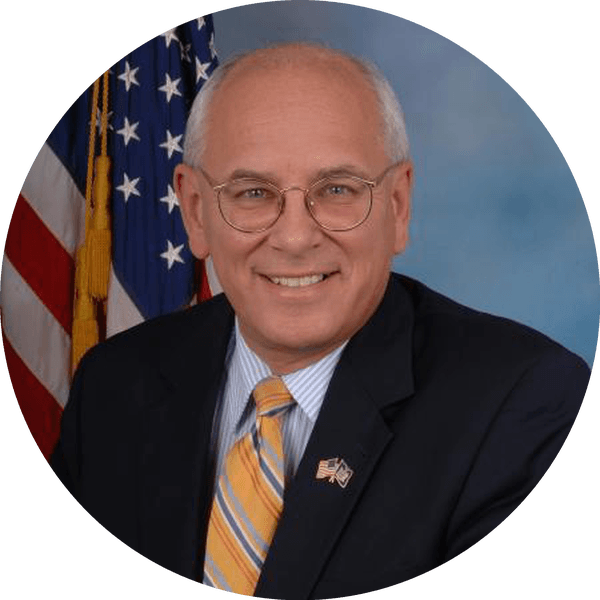
ASAP Act

Vern BuchananR-FL



+227
231 cosponsors
+12 this monthOrdered to be Reported in the Nature of a Substitute by the Yeas and Nays: 40 - 0.
Sep 16, 2026
HouseHealth
H.R. 3569Surging+13
Fit to Serve Act

Adam SmithD-WA




+185
189 cosponsors
+13 this monthReferred to the House Committee on Armed Services.
May 21, 2025
HouseArmed Forces and National Security
Tracking Housing and Community Development in Congress? Monitor bills, track cosponsor momentum, and launch advocacy campaigns — all from one advocacy platform.