H.R. 4317: PBM Reform Act of 2025
Enacted as part of HR7148: Consolidated Appropriations Act, 2026· Feb 3, 2026
Sponsor

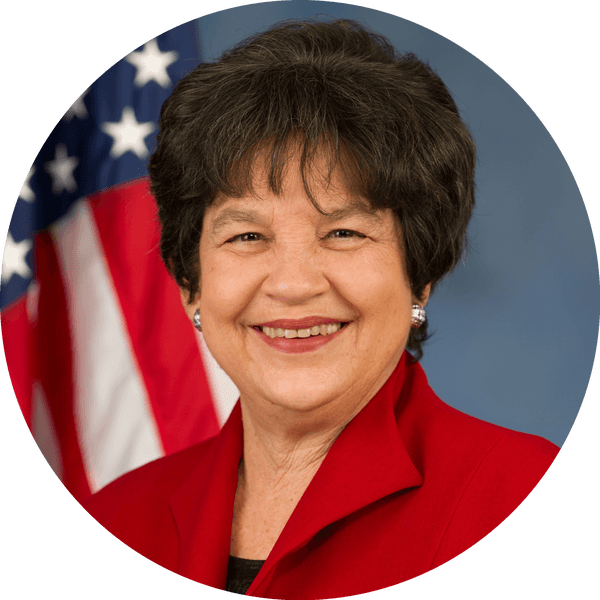
Earl Carter
Republican · GA-1
PBM middlemen face $10K-per-day fines + forced rebate passthrough
Why it matters
Lawmakers are moving now because the bill sets up major Medicare, Medicaid, and employer-plan PBM rules starting as early as 18 months after enactment, with key federal deadlines hitting in 2027, 2028, and 2029.
The bill is a broad PBM crackdown across Medicare, Medicaid, and employer health coverage. In Medicare Part D, starting with plan years beginning on or after January 1, 2029, prescription drug plan sponsors would have to let any pharmacy into the network if it meets the standard contract terms. Before that, the Secretary has to issue a request for information by April 1, 2027 and then set standards for what counts as "reasonable and relevant" contract terms by the first Monday in April 2028. That matters because it could make it harder for plans and PBMs to lock out independent pharmacies.
The bill also creates special visibility for "essential retail pharmacies." That term is tightly defined: a retail pharmacy that is not an affiliate and is located in a medically underserved area, or in a rural area with no other pharmacy within 10 miles, a suburban area with no other pharmacy within 2 miles, or an urban area with no other pharmacy within 1 mile. Starting in 2027, PDP sponsors and Medicare Advantage prescription drug plans would have to submit affiliate lists and incentive payment data to the Secretary, and the Secretary would publish reports every 2 years starting in 2028 and continuing until 2034. Pharmacies also get a formal complaint path by January 1, 2028, with anti-retaliation protections and possible civil monetary penalties against plans.
On the money side, the bill sharply limits how PBMs can get paid in Medicare Part D beginning January 1, 2028. PBMs could only keep bona fide service fees that are flat dollar amounts and reflect fair market value. Rebates and discounts would still be allowed, but only if they are fully passed through to the PDP sponsor, and prohibited remuneration would have to be disgorged back to the sponsor. PBMs would also have to use consistent definitions for terms like generic, brand, specialty, rebate, and discount, file annual reports by July 1 each year, and turn over records within 6 months after an audit starts.
The bill reaches beyond Medicare too. For employer and group health plans, PBMs would have to report to plans at least every 6 months, or every quarter if the plan asks, starting 30 months after enactment. If they refuse, the penalty is $10,000 per day per violation; if they submit false information, it can be up to $100,000 per item. In Medicaid, the bill requires monthly pharmacy price surveys for the National Average Drug Acquisition Cost, with penalties up to $100,000 for pharmacies that do not respond or provide false information, and it bans spread pricing in managed Medicaid by requiring PBMs to pass through 100% of ingredient cost plus the professional dispensing fee to pharmacies in contracts taking effect on or after 18 months after enactment.
Bill Progress
Latest Action · Jul 10, 2025
Referred to Energy and Commerce, and in addition to the Committees on Education and Workforce, and Ways and Means, for a period to be subsequently determined by the Speaker, in each case for consideration of such provisions as fall within the jurisdiction of the committee concerned. for review
H.R. 4317 Bill Summary
What H.R. 4317 actually does.
Any willing Medicare pharmacy by Jan. 1, 2029
For plan years beginning on or after January 1, 2029, Medicare Part D prescription drug plan sponsors must allow any pharmacy to participate as a network pharmacy if it meets the standard contract terms. The Secretary must first issue a request for information by April 1, 2027 and set standards for "reasonable and relevant" contract terms by the first Monday in April 2028.
Special protections for isolated pharmacies
The bill defines an "essential retail pharmacy" as a non-affiliate retail pharmacy in a medically underserved area, or in a rural area with no other pharmacy within 10 miles, a suburban area with no other pharmacy within 2 miles, or an urban area with no other pharmacy within 1 mile. PDP sponsors and MA-PD plans must start sending affiliate lists and incentive payment data in 2027, and the Secretary must publish biennial trend reports from 2028 through 2034.
PBMs can keep only flat fees
Beginning January 1, 2028, PBMs in Medicare Part D may derive remuneration only from bona fide service fees that are flat dollar amounts and reflect fair market value. Rebates and discounts are allowed only if they are fully passed through to the PDP sponsor, and any prohibited remuneration must be disgorged back to that sponsor.
Annual PBM reports and 6-month audits
PBMs must use consistent definitions for terms including generic, brand, specialty, rebate, and discount, and submit annual reports to PDP sponsors and the Secretary by July 1 of each year. PDP sponsors may choose an auditor every year, and the PBM must provide records within 6 months after the audit begins.
Employer-plan fines hit $10,000 a day
Starting 30 months after enactment, PBMs serving group health plans and insurers must report to plans at least every 6 months, or quarterly if requested. The penalty for failing to provide required information is $10,000 per day per violation, and false information can trigger penalties of up to $100,000 per item.
Medicaid spread pricing banned at 100%
For Medicaid managed care contracts with effective dates on or after 18 months after enactment, PBMs must use a pass-through model that sends 100% of payments—ingredient cost plus the professional dispensing fee—to the pharmacy. Any amount a PBM charges above what it pays the pharmacy is barred from federal matching payments, and administrative fees are limited to fair market value.
Who benefits from H.R. 4317?
Independent and rural pharmacies
They gain a better shot at joining Medicare Part D networks beginning January 1, 2029 if they meet standard terms, and the bill highlights isolated pharmacies through the "essential retail pharmacy" definition, including rural locations with no other pharmacy within 10 miles and suburban locations with no other pharmacy within 2 miles.
Medicare Part D beneficiaries
They could see stronger pharmacy access and choice because plans must accept any pharmacy meeting the standard terms for plan years starting on or after January 1, 2029. Beneficiaries in underserved places may especially benefit from tracking of essential retail pharmacies through biennial reports from 2028 to 2034.
Employer health plans and large sponsors
Group health plans get regular PBM reporting at least every 6 months, or quarterly on request, plus strong enforcement tools starting 30 months after enactment. The bill specifically defines a "specified large employer" as averaging at least 100 employees in the prior year and a "specified large plan" as averaging at least 100 participants.
Medicaid pharmacies
Pharmacies filling Medicaid prescriptions benefit from the pass-through pricing rule because PBMs must pass through 100% of ingredient cost plus the professional dispensing fee under contracts taking effect on or after 18 months after enactment. That directly targets spread pricing that can reduce what pharmacies receive.
Who is affected by H.R. 4317?
Pharmacy benefit managers
PBMs face the biggest overhaul: starting January 1, 2028 in Medicare Part D they can keep only bona fide service fees in flat dollar amounts at fair market value, must pass through all rebates and discounts to PDP sponsors, file annual reports by July 1, and provide audit records within 6 months. In employer coverage they also face penalties of $10,000 per day per violation and up to $100,000 per false item.
Medicare Part D plan sponsors and MA-PD plans
These plans must open networks to any pharmacy that meets standard contract terms for plan years beginning on or after January 1, 2029. They also must submit affiliate lists and incentive payment data starting in 2027 and will operate under a pharmacy allegation process the Secretary must establish by January 1, 2028.
Retail community pharmacies responding to Medicaid surveys
Pharmacies will be subject to monthly federal surveys used to calculate the National Average Drug Acquisition Cost. A pharmacy that fails to respond or provides false information can face penalties of up to $100,000 per violation once the policy takes effect on the first day of the first quarter at least 6 months after enactment.
Federal agencies overseeing drug payment rules
CMS, OIG, MedPAC, and the Secretary of HHS all get new work and deadlines. The Secretary must issue a Medicare RFI by April 1, 2027, set machine-readable reporting formats by June 1, 2027, create the pharmacy allegation process by January 1, 2028, and publish essential retail pharmacy reports every 2 years from 2028 through 2034.
Cost & Funding
Authorization
$336,000,000 in FY 2025 appropriations specified, plus $9,000,000 for FY 2025 and each fiscal year thereafter
- $188,000,000 to CMS Program Management for FY 2025 for Medicare pharmacy access and choice implementation.
- $113,000,000 to CMS for FY 2025 and $20,000,000 to OIG for FY 2025 for PBM accountability provisions.
- $1,000,000 to MedPAC for FY 2025.
- $5,000,000 to OIG for FY 2025 for Medicaid payment accuracy oversight.
- $9,000,000 for FY 2025 and each fiscal year thereafter for monthly retail community pharmacy price surveys tied to NADAC.
HR4317 Legislative Journey
House: Committee Action
Jul 10, 2025
Referred to the Committee on Energy and Commerce, and in addition to the Committees on Education and Workforce, and Ways and Means, for a period to be subsequently determined by the Speaker, in each case for consideration of such provisions as fall within the jurisdiction of the committee concerned.
About the Sponsor
Earl Carter
Republican, Georgia's 1st congressional district · 11 years in Congress
Committees: Energy and Commerce, the Budget
View full profile →
Cosponsors at time of passage (71)
This bill has 71 cosponsors: 31 Democrats, 40 Republicans, reflecting bipartisan support. Cosponsors represent 31 states: Alabama, California, Delaware, and 28 more.

Debbie Dingell
Democrat · MI

Gregory Murphy
Republican · NC

Deborah Ross
Democrat · NC

Jodey Arrington
Republican · TX

Diana Harshbarger
Republican · TN

Vicente Gonzalez
Democrat · TX

Rick Allen
Republican · GA

Raja Krishnamoorthi
Democrat · IL

John Rose
Republican · TN

Derek Tran
Democrat · CA

Nicole Malliotakis
Republican · NY

Ro Khanna
Democrat · CA
Committee Sponsors
Ways and Means Committee
5 of 45 committee members cosponsored at the time


Education and Workforce Committee
6 of 37 committee members cosponsored at the time


Energy and Commerce Committee
16 of 54 committee members cosponsored at the time


What laws does H.R. 4317 change?
2 changes
Sections Amended
Section 1 of Employee Retirement Income Security Act of 1974 (29 U.S.C. 1001 et seq.)
inserting after the item relating to section 725 the following new item: ``Sec
Section 4980D of Internal Revenue Code of 1986
adding at the end the following new subsection: ``(g) Application to Requirements Imposed on Certain Entities Providing Pharmacy Benefit Management Services
H.R. 4317 Quick Facts
- Committee
- Ways and Means
- Chamber
- House
- Policy
- Health
- Introduced
- Jul 10, 2025
Referred to Energy and Commerce, and in addition to the Committees on Education and Workforce, and Ways and Means, for a period to be subsequently determined by the Speaker, in each case for consideration of such provisions as fall within the jurisdiction of the committee concerned. for review
Jul 10, 2025
About Legisletter
Legisletter is the advocacy platform that tracks every bill from introduction to Public Law — and connects the constituents affected by a bill to the legislators who vote on it.
H.R. 4317 Common Questions
How much is the PBM reporting penalty per day for employer health plans?
PBMs that fail to provide required reports to group health plans can face $10,000 per day per violation under the PBM Reform Act of 2025 (Section 4).
Can PBMs be fined $100,000 for false employer plan reporting?
Yes. Under the PBM Reform Act of 2025, false information in required employer-plan reporting can trigger penalties of up to $100,000 per item (Section 4).
Does the PBM Reform Act ban spread pricing in Medicaid managed care?
Yes. Under the PBM Reform Act of 2025, Medicaid managed care contracts taking effect on or after 18 months after enactment must use pass-through pricing, and spread pricing is barred for federal matching payments (Section 6).
How much must Medicaid PBMs pass through to pharmacies under HR 4317?
According to HR 4317 Section 6, Medicaid managed care PBMs must use a pass-through model paying 100% of the ingredient cost plus the professional dispensing fee to the pharmacy.
Can any pharmacy join a Medicare Part D network under the PBM Reform Act?
Starting with plan years on or after January 1, 2029, Medicare Part D sponsors must let any pharmacy join the network if it meets the standard contract terms under the PBM Reform Act of 2025 (Section 2).
When does the Medicare any willing pharmacy rule start under HR 4317?
The Medicare Part D any willing pharmacy requirement starts for plan years beginning on or after January 1, 2029, according to HR 4317 Section 2.
What counts as an essential retail pharmacy under the PBM Reform Act?
Under the PBM Reform Act of 2025, an essential retail pharmacy is a non-affiliate retail pharmacy in a medically underserved area, or one with no other pharmacy within 10 rural miles, 2 suburban miles, or 1 urban mile (Section 2).
Can Medicare Part D PBMs keep rebates under the PBM Reform Act?
Only if the rebates or discounts are fully passed through to the PDP sponsor. Under the PBM Reform Act of 2025, PBMs may keep only bona fide flat service fees at fair market value (Section 3).
How long do PBMs have to turn over audit records in Medicare Part D?
Under the PBM Reform Act of 2025, a Medicare Part D PBM must provide requested records within 6 months after the audit begins, and sponsors may request an audit at least once each year (Section 3).
Does the bill protect pharmacies from retaliation when they complain about Medicare network access?
Yes. Under the PBM Reform Act of 2025, the Secretary must create a complaint process by January 1, 2028, and PDP sponsors may not retaliate against or coerce pharmacies that file allegations (Section 2).
Based on H.R. 4317 bill text
H.R. 4317 Bill Text
“To assure pharmacy access and choice for Medicare beneficiaries, and for other purposes. Be it enacted by the Senate and House of Representatives of the United States of America in Congress assembled, SECTION 1. SHORT TITLE. This Act may be cited as the “Pharmacy Benefit Manager Reform Act of 2025” or the “PBM Reform Act of 2025”.”
Source: U.S. Government Publishing Office
Health Bills
9 related bills we're tracking
Nancy Gardner Sewell Medicare Multi-Cancer Early Detection Screening Coverage Act




Reported (Amended) by the Committee on Ways and Means. H. Rept. 119-333, Part I.
Oct 3, 2025
Mikaela Naylon Give Kids a Chance Act



Received in the Senate.
Dec 2, 2025
Improving Seniors’ Timely Access to Care Act of 2025




Ordered to be Reported in the Nature of a Substitute by the Yeas and Nays: 42 - 0.
Jul 15, 2026
CONNECT for Health Act of 2025





Referred to the Committee on Energy and Commerce, and in addition to the Committee on Ways and Means, for a period to be subsequently determined by the Speaker, in each case for consideration of such provisions as fall within the jurisdiction of the committee concerned.
Jun 26, 2025
ASAP Act




Ordered to be Reported in the Nature of a Substitute by the Yeas and Nays: 40 - 0.
Sep 16, 2026
Momnibus Act




Referred to the Subcommittee on Health.
Apr 20, 2026
Ensuring Lasting Smiles Act



Referred to the Committee on Energy and Commerce, and in addition to the Committees on Education and Workforce, and Ways and Means, for a period to be subsequently determined by the Speaker, in each case for consideration of such provisions as fall within the jurisdiction of the committee concerned.
May 8, 2025
Right to Contraception Act




Referred to the House Committee on Energy and Commerce.
Feb 5, 2025
Women’s Health Protection Act of 2025



Referred to the Committee on Energy and Commerce, and in addition to the Committee on the Judiciary, for a period to be subsequently determined by the Speaker, in each case for consideration of such provisions as fall within the jurisdiction of the committee concerned.
Jun 24, 2025
Trending Right Now
Bills gaining momentum across Congress
North Platte Canteen Congressional Gold Medal Act




Referred to the House Committee on Financial Services.
Feb 21, 2025
Fit to Serve Act




Referred to the House Committee on Armed Services.
May 21, 2025
Accelerating Access to Critical Therapies for ALS Reauthorization Act of 2026




Message on Senate action sent to the House.
Oct 14, 2026
Tracking Health in Congress? Monitor bills, track cosponsor momentum, and launch advocacy campaigns — all from one advocacy platform.