H.R. 3688: Protecting Children from Experimentation Act of 2025
Sponsor
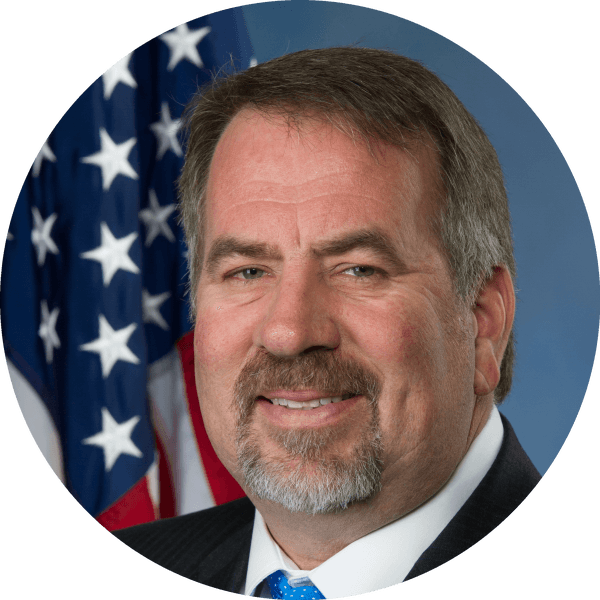
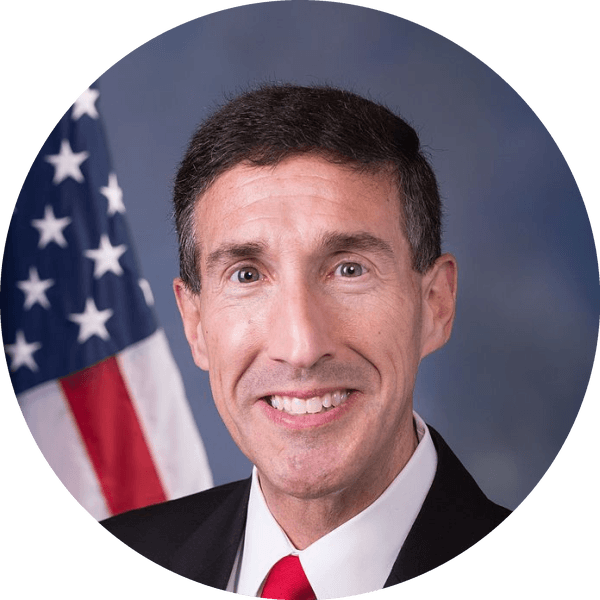
Doug LaMalfa
Republican · CA-1
Up to 5 years in prison for minors' transition care
Why it matters
H.R. 3688 would create a new federal felony — up to five years in prison — for health professionals who provide gender-transition care to anyone under 18. It defines that care broadly, listing 33 procedures from puberty blockers to surgery, and lets the patient later sue the provider while shielding the patient from prosecution.
H.R. 3688 would add a new crime to federal law: knowingly performing — or helping perform — a gender-transition procedure on anyone under 18. A provider convicted under it could be fined, imprisoned for up to five years, or both.
The bill defines “gender-transition procedure” broadly. It lists 33 categories of hormonal and surgical care, including puberty-blocking drugs, cross-sex hormones at high doses, mastectomy, hysterectomy, orchiectomy, phalloplasty, vaginoplasty, sterilization, voice surgery, and the removal of otherwise healthy body parts.
Its federal reach is wide. The ban kicks in whenever there's almost any connection to interstate commerce — if the provider or patient crossed state lines, if a phone, computer, or the mail was used, if payment moved through interstate channels, or if any instrument used in the procedure had traveled across state lines. In practice, that covers most modern medical care.
The bill carves out narrow exceptions. They cover care for medically verifiable disorders of sex development, treatment of complications caused by a prior transition procedure, physician-certified emergencies, puberty blockers used for precocious puberty, and male circumcision.
The patient is treated differently from the provider. Someone who received a procedure as a minor couldn't be arrested or prosecuted, but could file a civil lawsuit against the provider who performed it. The bill also writes its own definitions of “sex,” “male,” and “female” into federal criminal law, defining sex as male or female “as biologically determined.”
Bill Progress
Latest Action · Jun 3, 2025
Referred to the House Committee on the Judiciary.
H.R. 3688 Bill Summary
What H.R. 3688 actually does.
A new federal felony for treating patients under 18
The bill would make it a federal crime for any physical or mental health care professional to knowingly perform or help perform a gender-transition procedure on a minor, defined as anyone under 18.
Up to five years in prison
A provider who violates the ban could be fined, imprisoned for up to five years, or both — a new federal criminal penalty that doesn't exist in current law.
33 categories of care, from puberty blockers to surgery
The bill lists 33 types of hormonal and surgical treatment it would cover, including puberty-blocking drugs, high-dose cross-sex hormones, mastectomy, hysterectomy, orchiectomy, phalloplasty, vaginoplasty, metoidioplasty, sterilization, chest implants, liposuction, voice surgery, and the removal of otherwise healthy body parts.
Interstate-commerce triggers extend the federal reach
Federal jurisdiction would apply if the provider or patient crossed state lines, if a payment moved through interstate channels, if a computer, phone, mail, or wire was used, if any instrument used had traveled across state lines, or if the conduct otherwise affected interstate commerce.
The patient can sue but can't be prosecuted
The person who received the procedure couldn't be arrested or prosecuted, but could bring a civil lawsuit for relief against the provider who performed it.
Narrow medical exceptions
The bill exempts care for medically verifiable disorders of sex development, treatment of complications caused by a prior gender-transition procedure, physician-certified emergencies involving imminent danger to life or major bodily function, puberty blockers used for precocious puberty, and male circumcision.
Who benefits from H.R. 3688?
People who received care as minors and later regret it
Anyone who underwent a covered procedure before 18 couldn't be prosecuted and could sue the provider who performed it for relief.
Parents and advocates who want stricter limits
They would get a single nationwide rule backed by federal prison time, rather than relying on the patchwork of state laws that govern this care today.
Providers treating disorders of sex development
The bill expressly protects care for medically verifiable disorders of sex development, including cases the bill describes such as 46 XX with virilization or the presence of both ovarian and testicular tissue.
Patients needing emergency or precocious-puberty care
The bill preserves physician-certified emergency treatment for conditions threatening death or a major bodily function, and still allows puberty blockers prescribed for precocious puberty.
Who is affected by H.R. 3688?
Doctors, nurses, therapists, and other health professionals
Any physical or mental health care professional who knowingly performs or helps perform a covered procedure on someone under 18 could face federal prosecution, fines, and up to five years in prison.
Transgender minors and their families
Families seeking gender-transition care for a child under 18 would face a federal ban covering a wide range of treatments, from puberty blockers and cross-sex hormones to mastectomy, phalloplasty, and vaginoplasty.
Clinics and hospitals using interstate systems
Because jurisdiction can be triggered by interstate travel, electronic communications, payments crossing state lines, or medical items that traveled across state lines, providers operating in ordinary modern health systems could fall within federal reach.
Patients receiving follow-up after complications
The bill allows corrective treatment for infection, injury, or disease caused or worsened by a prior gender-transition procedure, so clinicians could still treat complications even while the original procedure is criminalized for minors.
HR3688 Legislative Journey
House: Committee Action
Jun 3, 2025
Referred to the House Committee on the Judiciary.
About the Sponsor
Doug LaMalfa
Republican, California's 1st congressional district · 12 years in Congress
Committees: Agriculture, Natural Resources, Transportation and Infrastructure
View full profile →
Cosponsors (18)
All 18 cosponsors are Republicans. Cosponsors represent 12 states: Alabama, Arkansas, Arizona, and 9 more.
Glenn Grothman
Republican · WI

Mary Miller
Republican · IL

Paul Gosar
Republican · AZ
Troy Nehls
Republican · TX
Claudia Tenney
Republican · NY

Lauren Boebert
Republican · CO
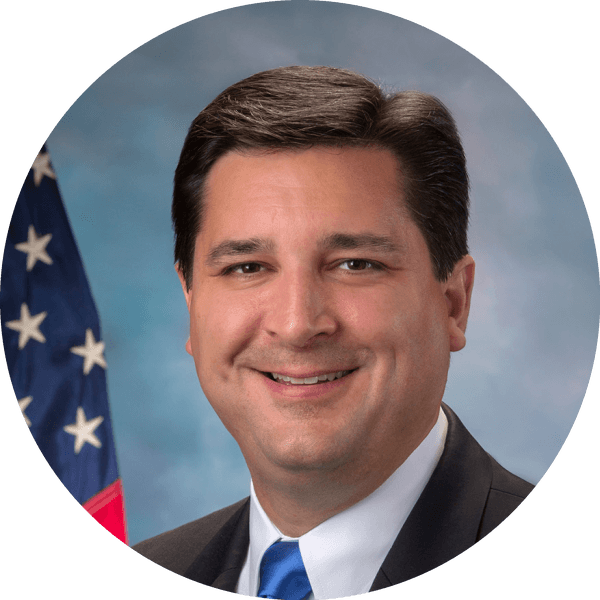
David Rouzer
Republican · NC

Jodey Arrington
Republican · TX

Randy Weber
Republican · TX
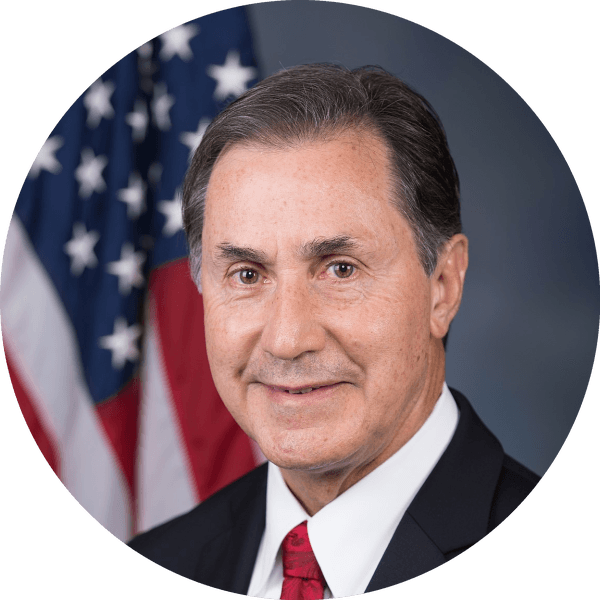
Gary Palmer
Republican · AL

Mike Bost
Republican · IL
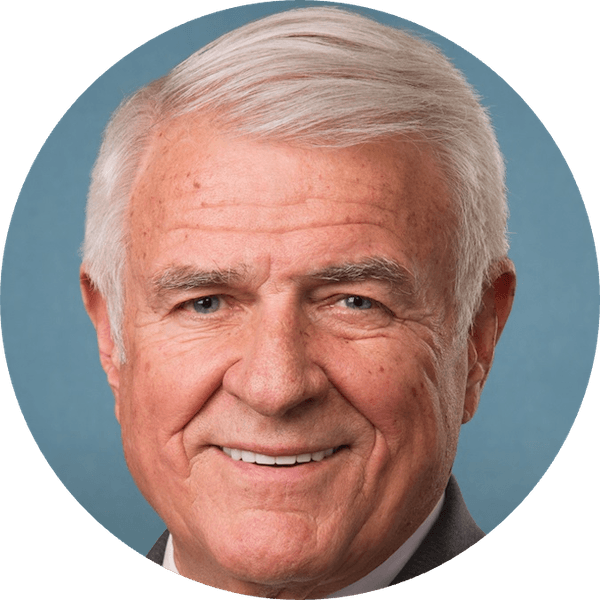
John Carter
Republican · TX
Committee Sponsors
Judiciary Committee
2 of 44 committee members cosponsored


22 Republicans across this committee haven't cosponsored yet. Mobilize their constituents
H.R. 3688 Quick Facts
- Committee
- Judiciary
- Chamber
- House
- Policy
- Crime and Law Enforcement
- Introduced
- Jun 3, 2025
Referred to the House Committee on the Judiciary.
Jun 3, 2025
Official Sources
Official bill page with text, actions, cosponsors, and status for the Protecting Children from Experimentation Act of 2025.
The exact chapter of the federal criminal code the bill amends; the new offense (§2260B) would be added here.
DOJ's principles of federal prosecution, relevant to how the proposed offense and its interstate-commerce triggers would be enforced.
DOJ component that would likely be involved in enforcing a new federal provision and defending related federal litigation if the bill became law.
H.R. 3688 Common Questions
How much prison time would H.R. 3688 give doctors who treat minors?
Up to five years. The bill creates a new federal crime for any provider who knowingly performs or helps perform a covered gender-transition procedure on someone under 18, punishable by a fine, up to five years in prison, or both.
Does H.R. 3688 ban puberty blockers for everyone under 18?
In most cases, yes. Puberty-blocking drugs are on the bill's list of covered procedures when used for gender transition. There's one carve-out: blockers prescribed to normalize puberty in a child with precocious puberty are still allowed.
Which surgeries does H.R. 3688 list?
The bill names 33 categories in all, including mastectomy, hysterectomy, oophorectomy, orchiectomy, vaginoplasty, phalloplasty, metoidioplasty, sterilization, chest implants, voice surgery, and the removal of otherwise healthy body parts.
Could someone sue their doctor years later under H.R. 3688?
Yes. A person who received a covered procedure as a minor could file a civil lawsuit for relief against the provider who performed it.
Can a minor be arrested or prosecuted under H.R. 3688?
No. The bill specifically says the person who received the procedure can't be arrested or prosecuted. The criminal penalty falls only on the provider who performed it.
Does H.R. 3688 apply to therapists and mental health professionals?
Yes. The ban covers any physical or mental health care professional who knowingly performs or helps perform a covered procedure on a minor, not just surgeons or prescribing physicians.
What care does H.R. 3688 still allow?
The bill carves out narrow exceptions: care for disorders of sex development, treatment of complications from a prior transition procedure, physician-certified emergencies, puberty blockers for precocious puberty, and male circumcision.
Why would H.R. 3688 reach care provided within a single state?
The bill ties the crime to interstate commerce, and its triggers are broad. A phone or computer, a payment processed across state lines, or a medical instrument that once crossed state lines can be enough to bring local care under federal reach.
Based on H.R. 3688 bill text
H.R. 3688 Bill Text
“To amend chapter 110 of title 18, United States Code, to prohibit gender transition procedures on minors, and for other purposes.”
Source: U.S. Government Publishing Office
Get notified when H.R. 3688 moves
Committee votes, floor action, cosponsor changes — straight to your inbox.
Bill alerts + Legisletter's monthly briefing. Unsubscribe anytime.
Crime and Law Enforcement Bills
9 related bills we're tracking
Crime Victims Fund Stabilization Act of 2025




Received in the Senate and Read twice and referred to the Committee on the Judiciary.
Jan 13, 2026
Bipartisan Background Checks Act of 2025


Referred to the House Committee on the Judiciary.
Jun 10, 2025
Combating Organized Retail Crime Act of 2025





Received in the Senate and Read twice and referred to the Committee on the Judiciary.
May 13, 2026
Ethan's Law



Referred to the House Committee on the Judiciary.
Feb 25, 2025
Assault Weapons Ban of 2025


Referred to the House Committee on the Judiciary.
Apr 30, 2025
Constitutional Concealed Carry Reciprocity Act of 2025




Placed on the Union Calendar, Calendar No. 289.
Oct 3, 2025
Honoring Our Fallen Heroes Act of 2025


Referred to the House Committee on the Judiciary.
Feb 12, 2025
Raise the Age Act of 2025


Referred to the House Committee on the Judiciary.
Mar 26, 2025
Born-Alive Abortion Survivors Protection Act


Received in the Senate and Read twice and referred to the Committee on the Judiciary.
Jan 24, 2025
Trending Right Now
Bills gaining momentum across Congress
America’s Olympic and Paralympic Games Commemorative Coins Act




Referred to the House Committee on Financial Services.
Jul 14, 2025
Fit to Serve Act





Referred to the House Committee on Armed Services.
May 21, 2025
ASAP Act





Ordered to be Reported in the Nature of a Substitute by the Yeas and Nays: 40 - 0.
Sep 16, 2026
Tracking Crime and Law Enforcement in Congress? Monitor bills, track cosponsor momentum, and launch advocacy campaigns — all from one advocacy platform.