H.R. 3312: SERVICE Act of 2025
Sponsor
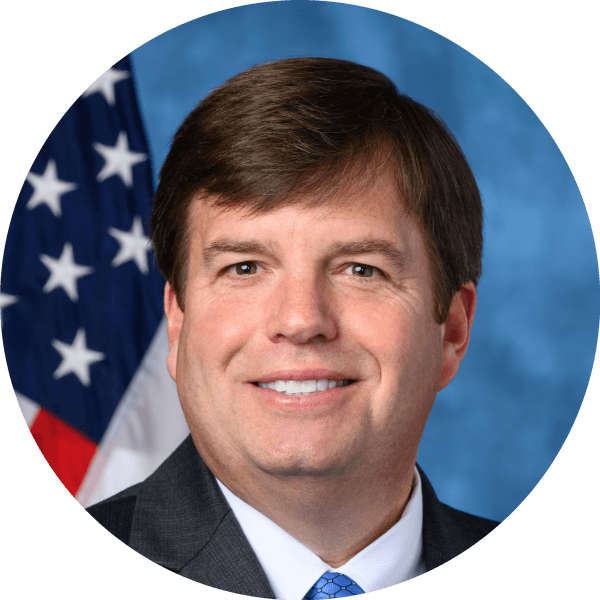
Dale Strong
Republican · AL-5
Veterans in crisis shouldn't get a routine 911 response
Why it matters
H.R. 3312 would fund specialized veteran response teams inside police departments — staffed 24 hours a day, trained in service-related trauma, and wired directly into the VA. It's a 5-year federal pilot funded out of the existing COPS grant pool, with grants flowing in fiscal years 2026 through 2030.
H.R. 3312 — the SERVICE Act of 2025 — would let the Justice Department fund "veterans response teams" inside law enforcement agencies. States, local governments, and Indian Tribal governments could apply for the grants and use them to build teams that handle calls involving a veteran in crisis.
The teams have to be available 24 hours a day, 7 days a week, on a volunteer basis. Officers get training on the four conditions the bill flags as most common after military service: post-traumatic stress disorder, traumatic brain injury, depression, and anxiety. Veteran officers can wear a pin identifying their branch of the Armed Forces while on duty.
The other half of the bill is the VA pipeline. Teams have to plug into the VA's Veterans Re-Entry Search Service, build a working relationship with a Veterans Justice Outreach specialist, and coordinate with local courts and detention facilities so a veteran entering the justice system gets identified and the local VA office gets notified. If the veteran wants ongoing contact with the team after the call, the team has to offer it.
The pilot is small and time-limited. The authority sunsets 5 years after enactment. Grant money comes out of the existing Community Oriented Policing Services grant pool — no new dollar amount, no separate authorization. Funding is tied to fiscal years 2026 through 2030 and is subject to whatever Congress appropriates.
Bill Progress
Latest Action · May 8, 2025
Referred to the House Committee on the Judiciary.
H.R. 3312 Bill Summary
What H.R. 3312 actually does.
Specialized 911 response for veterans in crisis
Police departments can build dedicated teams — often led by officers who are veterans themselves — to handle calls involving a veteran in crisis, instead of routing those calls through ordinary patrol.
Round-the-clock coverage on a volunteer basis
Grantees have to organize coordinated first-responder teams that respond 24 hours a day, 7 days a week, on a volunteer basis, to veteran-crisis calls.
Training on PTSD, TBI, depression, and anxiety
Officers must be trained on mental health issues tied to military service — specifically post-traumatic stress disorder, traumatic brain injury, depression, and anxiety. Training also has to reach officers outside the dedicated team who are likely to encounter veterans.
Direct line to the VA
Teams have to use the VA's Veterans Re-Entry Search Service, set up information-sharing with the VA and other community resource agencies, and build a working relationship with a Veterans Justice Outreach specialist.
Veterans identified at the courthouse and jail
Teams have to coordinate with local justice systems and veterans courts to identify veterans on entry into courts or detention facilities, with notification to the local VA office for confirmation and appropriate services.
Ongoing contact after the call
After an encounter, the team has to offer the veteran the chance to maintain ongoing contact — instead of treating the response as a one-off interaction.
Branch-of-service pins for veteran officers
Veterans response teams may give law enforcement officers who are veterans a pin identifying their branch of the Armed Forces to wear while on duty.
5-year sunset, funded from existing COPS grants
The pilot authority ends 5 years after enactment. Grants come from the existing COPS grant pool under part Q of the Omnibus Crime Control and Safe Streets Act of 1968, for fiscal years 2026 through 2030.
Who benefits from H.R. 3312?
Veterans in crisis
The 911 response shifts from a generic patrol unit to officers trained in service-related trauma, with a direct line to the VA. Veterans can also choose to stay in contact with the team after the call instead of being handed off and forgotten.
Veterans facing arrest or court
If a veteran enters the local court system or a detention facility, the team has to flag it to the local VA office — opening the door to veterans court diversion, VA-connected services, and a Veterans Justice Outreach specialist before the case moves further.
Police departments in eligible jurisdictions
States, cities, counties, and Tribal governments can apply for federal grant support to train officers, build the teams, and stand up VA coordination, instead of paying for it out of local budgets.
Veteran officers on patrol
The bill specifically authorizes branch-of-service pins for officers who are veterans. It also gives them a structured way to lead and join teams focused on the population they came from.
Who is affected by H.R. 3312?
State, local, and Tribal law enforcement that apply
Grantees have to organize 24/7 volunteer coverage, hold regular team meetings, build data-sharing with the VA, develop a plan to measure success, and track nationwide best practices.
The Department of Justice and COPS Office
DOJ administers the pilot through the COPS Office and has to report back to Congress on the number of applicants, grants awarded, and average grant amounts sought and awarded.
The Department of Veterans Affairs
The VA gets pulled into an operational role with local police — opening the Veterans Re-Entry Search Service to response teams, sharing information, and standing up local-office coordination for veterans flagged at courts or detention.
Veterans courts and Justice Outreach programs
Veterans courts and the Veterans Justice Outreach program become part of the routine response loop, getting identified veterans handed off from local law enforcement earlier in the process.
HR3312 Legislative Journey
House: Committee Action
May 8, 2025
Referred to the House Committee on the Judiciary.
About the Sponsor
Dale Strong
Republican, Alabama's 5th congressional district · 3 years in Congress
Committees: Homeland Security, Appropriations
View full profile →
Cosponsors (24)
This bill has 24 cosponsors: 12 Democrats, 12 Republicans, reflecting bipartisan support. Cosponsors represent 16 states: Alabama, Arizona, California, and 13 more.
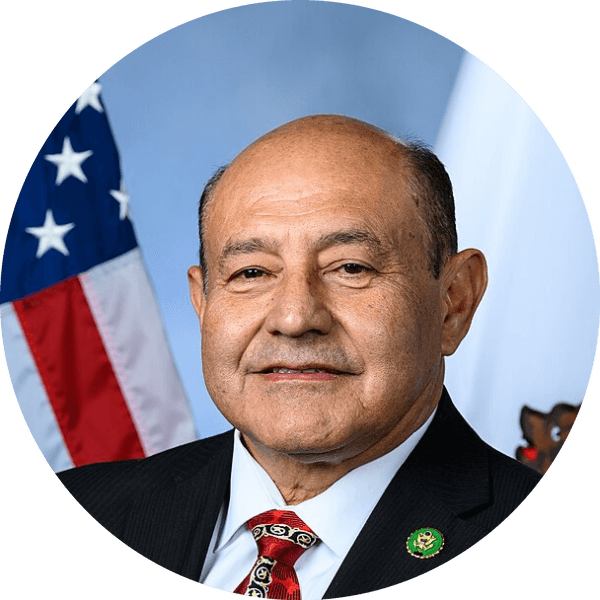
J. Correa
Democrat · CA

Maria Salazar
Republican · FL

Glenn Ivey
Democrat · MD

Clay Higgins
Republican · LA
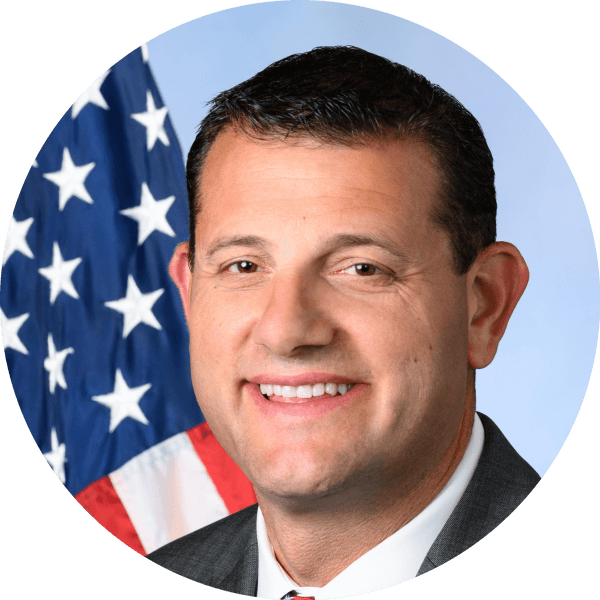
David Valadao
Republican · CA
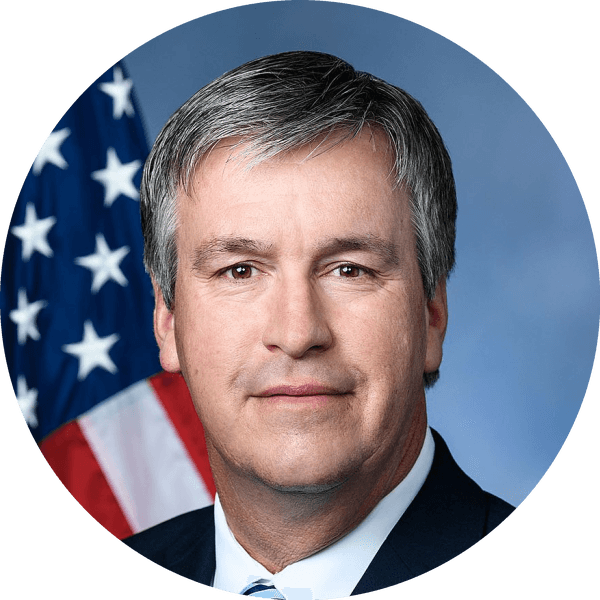
Barry Moore
Republican · AL

Derek Tran
Democrat · CA
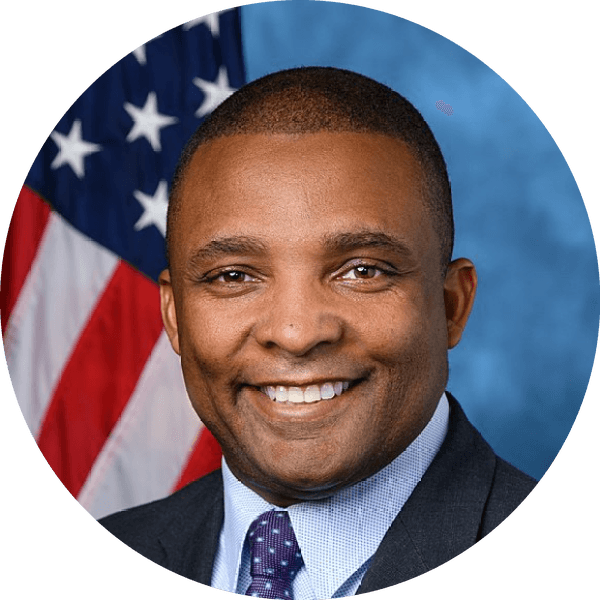
Donald Davis
Democrat · NC

Scott Franklin
Republican · FL
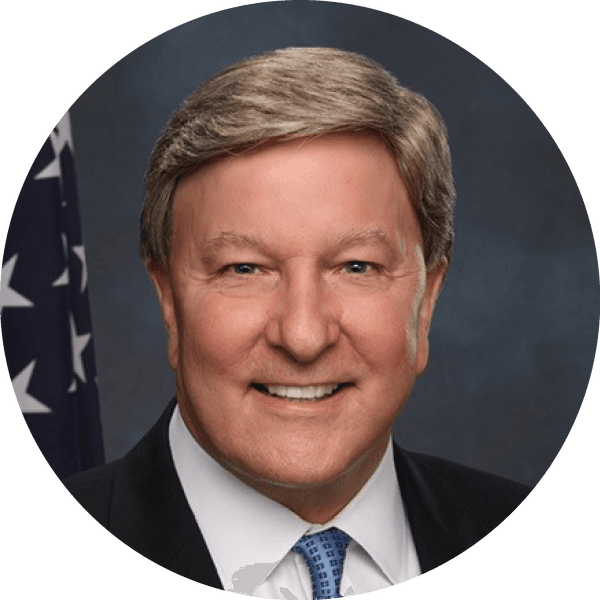
Mike Rogers
Republican · AL

Daniel Goldman
Democrat · NY

Maggie Goodlander
Democrat · NH
Committee Sponsors
Judiciary Committee
4 of 44 committee members cosponsored


23 Republicans across this committee haven't cosponsored yet. Mobilize their constituents
H.R. 3312 Quick Facts
- Committee
- Judiciary
- Chamber
- House
- Policy
- Crime and Law Enforcement
- Introduced
- May 8, 2025
Referred to the House Committee on the Judiciary.
May 8, 2025
Official Sources
Official bill page with status, text, actions, cosponsors, and committee referral for the SERVICE Act of 2025.
The bill directs the Attorney General to run the pilot through the COPS Office, the DOJ component that funds local law enforcement initiatives.
Where eligible states, local governments, and Tribal governments apply for the COPS grants this pilot would draw from.
The bill explicitly requires response teams to use VRSS — the VA's secure portal that lets criminal-justice agencies identify which inmates and defendants have served in the U.S. military.
The bill requires teams to build a working relationship with a Veterans Justice Outreach specialist; this directory lists every VJO specialist by state.
VA resource on the intersection of PTSD and the criminal-justice system — directly aligned with the bill's mandate to train officers on PTSD and coordinate with veterans courts.
Complementary VA program that handles outreach, pre-release assessments, and case management for veterans leaving custody — the downstream pipeline a response team would hand a veteran into.
The statutory authority — part Q of the Omnibus Crime Control and Safe Streets Act — that the bill cites as the funding source for FY2026–2030 grants.
H.R. 3312 Common Questions
Does the SERVICE Act require 24/7 veterans crisis response?
Yes. Grantees have to organize coordinated first-responder teams that are available 24 hours a day, 7 days a week, on a volunteer basis, for calls involving a veteran in crisis.
What mental health conditions does H.R. 3312 require officers to be trained on?
Training has to cover the four conditions the bill flags as most tied to military service: post-traumatic stress disorder, traumatic brain injury, depression, and anxiety. Training also has to reach officers outside the dedicated team who are likely to encounter veterans.
Who can apply for SERVICE Act grants?
States, units of local government, and Indian Tribal governments. The Attorney General runs the pilot through the COPS Office and decides which applications get funded.
Does the SERVICE Act require police to notify the VA when a veteran is in court or detention?
Yes. Teams have to coordinate with local justice systems and veterans courts to identify veterans on entry into the court system or detention facilities, with notification to the local VA office for confirmation and appropriate services.
How much money does the SERVICE Act allocate?
No specific dollar amount. Grants come out of the existing COPS Office grant pool under the Omnibus Crime Control and Safe Streets Act, tied to fiscal years 2026 through 2030. Actual reach depends on what Congress appropriates each year.
How long does the SERVICE Act pilot last?
Five years after enactment. After that, the grant authority sunsets, and Congress would have to renew or replace it for the program to continue.
Do veterans stay connected to the response team after the call?
If they want to. The bill requires teams to offer veterans the chance to maintain ongoing contact after an encounter, instead of treating the call as a one-time incident.
Does H.R. 3312 let veteran officers wear branch-of-service pins on duty?
Yes. Veterans response teams may give law enforcement officers who are veterans a pin identifying their branch of the Armed Forces — Army, Navy, Air Force, Marines, Coast Guard, Space Force — to wear while on duty.
Is the SERVICE Act bipartisan?
Yes. H.R. 3312 was introduced by Rep. Dale Strong (R-AL) and has 23 cosponsors as of early 2026 — a roughly even split of Republicans and Democrats. It's currently sitting at the House Judiciary Committee.
Based on H.R. 3312 bill text
H.R. 3312 Bill Text
“To authorize the Attorney General to make grants for the creation and operation of veterans response teams within law enforcement agencies, and for other purposes.”
Source: U.S. Government Publishing Office
Get notified when H.R. 3312 moves
Committee votes, floor action, cosponsor changes — straight to your inbox.
Bill alerts + Legisletter's monthly briefing. Unsubscribe anytime.
Crime and Law Enforcement Bills
9 related bills we're tracking
Crime Victims Fund Stabilization Act of 2025

Received in the Senate and Read twice and referred to the Committee on the Judiciary.
Jan 13, 2026
Bipartisan Background Checks Act of 2025


Referred to the House Committee on the Judiciary.
Jun 10, 2025
Combating Organized Retail Crime Act of 2025


Received in the Senate and Read twice and referred to the Committee on the Judiciary.
May 13, 2026
Ethan's Law


Referred to the House Committee on the Judiciary.
Feb 25, 2025
Assault Weapons Ban of 2025


Referred to the House Committee on the Judiciary.
Apr 30, 2025
Constitutional Concealed Carry Reciprocity Act of 2025

Placed on the Union Calendar, Calendar No. 289.
Oct 3, 2025
Honoring Our Fallen Heroes Act of 2025


Referred to the House Committee on the Judiciary.
Feb 12, 2025
Raise the Age Act of 2025

Referred to the House Committee on the Judiciary.
Mar 26, 2025
Born-Alive Abortion Survivors Protection Act


Received in the Senate and Read twice and referred to the Committee on the Judiciary.
Jan 24, 2025
Trending Right Now
Bills gaining momentum across Congress
America’s Olympic and Paralympic Games Commemorative Coins Act




Referred to the House Committee on Financial Services.
Jul 14, 2025
Fit to Serve Act



Referred to the House Committee on Armed Services.
May 21, 2025
ASAP Act


Ordered to be Reported in the Nature of a Substitute by the Yeas and Nays: 40 - 0.
Sep 16, 2026
Tracking Crime and Law Enforcement in Congress? Monitor bills, track cosponsor momentum, and launch advocacy campaigns — all from one advocacy platform.