H.R. 1106: Scientific Integrity Act
Sponsor
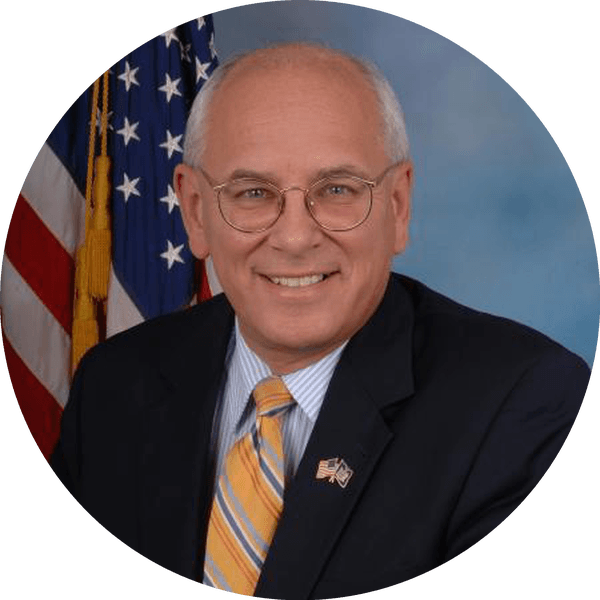
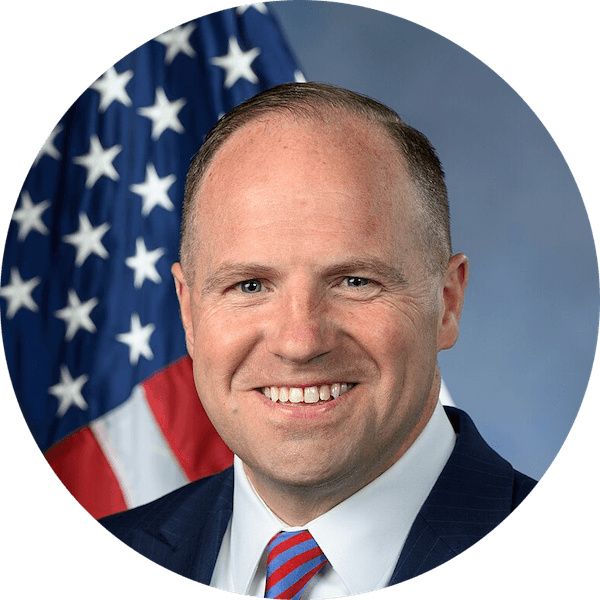
Paul Tonko
Democrat · NY-20
Government science shouldn't be edited to fit politics
Why it matters
138 House members have signed on to a bill that would give every federal research agency 90 days to adopt an enforceable scientific integrity policy and name a career official to police it. If you work in federal science, or rely on the health, environmental, and safety decisions built on it, the question of who can change a finding, and when, would move from agency discretion into federal law.
Most federal agencies that fund or conduct research already publish a scientific integrity policy. What they lack is a legal obligation to have one, or any statutory floor on what it must say. H.R. 1106 rewrites the scientific integrity section of the America COMPETES Act to supply both.
Every agency that funds, conducts, or oversees scientific research would have 90 days after enactment to adopt a policy and send it to the White House Office of Science and Technology Policy for approval. Within 30 days of approval, the policy goes on the agency's website and to Congress. An agency whose existing policy already meets the bar can certify that in writing instead of starting over.
The floor is specific. Nobody covered by the policy could suppress, alter, or delay a scientific finding without scientific merit, and nobody could pressure a colleague to censor one or retaliate when they refuse. Fraud, misrepresentation, and institutional barriers that block cooperation with outside scientists are barred too. Scientific conclusions could not rest on political considerations, and hiring for science jobs would have to turn primarily on expertise, credentials, and integrity.
The same policy has to protect the ordinary working life of a scientist: presenting at conferences, publishing in peer-reviewed journals, sitting on advisory boards, holding office in professional societies, and reviewing other people's papers. Agencies could still require a technical-accuracy review before findings go out, but only through a clear, consistent process written into the policy itself.
Enforcement gets a named owner. Each agency would appoint a Scientific Integrity Officer within 90 days, and that person must be a career employee with research expertise rather than a political appointee. The officer works with the agency's inspector general, runs the complaint process, and posts an annual public report counting complaints filed, appealed, and still pending, with an anonymized summary of how each was resolved.
Agencies get 180 days to build the complaint and appeal process and a training program. New covered employees would be trained within a month of starting. Grantees, collaborators, partners, and volunteers outside the agency would get their own route to report violations.
If anyone outside those channels overrules the officer on a violation, the agency must report the incident to the White House science office and Congress within 30 days. The science office would gather every agency's policies and reports in one public place and convene the officers each year. Agencies resubmit their policies for approval every five years, and GAO reviews implementation two years after enactment. The bill carries no appropriation; its cost is staff time, training, and reporting.
Bill Progress
Latest Action · Feb 6, 2025
Referred to the House Committee on Science, Space, and Technology.
H.R. 1106 Bill Summary
What H.R. 1106 actually does.
Every research agency gets a legally required integrity policy
Each agency that funds, conducts, or oversees scientific research would have 90 days after enactment to adopt a scientific integrity policy and submit it to the White House Office of Science and Technology Policy. Within 30 days of approval, the policy must be posted publicly and sent to Congress.
Findings cannot be buried, rewritten, or stalled for non-scientific reasons
The policy must prohibit suppressing, altering, interfering with, or delaying scientific findings without scientific merit, along with fraud, misrepresentation, and coercive manipulation. Pressuring someone to censor results, or retaliating when they refuse, is barred as well.
Scientists keep the right to publish and participate
Covered employees and contractors could present at conferences, publish in peer-reviewed journals, serve on advisory boards, hold leadership roles in professional societies, and act as peer reviewers, subject to existing law. Agencies may require a technical-accuracy review first, but only through a clear and consistent process spelled out in the policy.
A career official, not an appointee, enforces the rules
Each agency would appoint a Scientific Integrity Officer within 90 days. The officer must be a career employee with technical expertise in research, would work with the inspector general as appropriate, and would run the complaint process and annual public reporting.
Science hiring and conclusions stay out of politics
Policies must require that scientific conclusions are not based on political considerations, that science positions are filled primarily on expertise and credentials, and that personnel actions against covered individuals are not taken on the basis of political consideration or ideology. That last protection does not extend to political appointees.
Complaints, appeals, and training within 180 days
Agencies would have 180 days to set up an administrative process and appeal process for integrity disputes and a training program covering employees and contractors. New covered employees must be trained within one month of starting, and outsiders such as grantees and collaborators get their own path to report violations.
Congress hears about it when an integrity ruling is overruled
If anyone acting outside the established channels overrules the Scientific Integrity Officer on a violation, the agency must report the incident to the White House science office and the relevant congressional committees within 30 days. Officers also publish yearly complaint counts and anonymized outcomes.
Existing policies can count, with review every five years
An agency head can certify in writing that a policy already in place meets the new requirements and submit it for approval rather than drafting a new one. Substantial changes go to the science office for approval, every policy is resubmitted every five years, and GAO reviews implementation two years after enactment.
Who benefits from H.R. 1106?
Federal scientists and engineers
If you conduct or supervise research inside a federal agency, the bill gives you statutory protection against having your findings suppressed, altered, or delayed without scientific merit, and a named officer to take a complaint to.
The analysts and communicators around the science
The bill's definition reaches beyond the lab. Anyone who analyzes or publicly communicates scientific results, or uses them to make agency policy or regulatory decisions, is covered, including contractors.
Grantees, university partners, and volunteers
People who work with an agency without being employed by it would get a formal path to report a violation of the agency's scientific integrity policy.
Anyone who relies on federal science
You would be able to read each agency's policy, see how many complaints were filed and appealed each year, and read an anonymized summary of how each was resolved, all collected in one place on the White House science office's website.
Who is affected by H.R. 1106?
Agencies that fund, conduct, or oversee research
Each would need an approved policy within 90 days, a Scientific Integrity Officer in the same window, and a complaint system plus training program within 180 days, followed by annual public reporting and a five-year resubmission cycle.
Managers who handle sensitive findings
The policy would define what a supervisor cannot do with a scientific result, including delaying its release without scientific merit or pressuring staff to change a conclusion, and would route disputes through a formal hearing and appeal.
Political appointees
Appointees who fall within the definition of a covered individual would be bound by the conduct rules. The bill's ban on personnel actions based on political consideration or ideology, however, explicitly does not protect political appointees themselves.
The White House Office of Science and Technology Policy
The office would approve every agency's policy and any substantial change to it, publish all policies and incident reports in one place, and convene the Scientific Integrity Officers annually. GAO would review how agencies implemented the law two years after enactment.
HR1106 Legislative Journey
House: Committee Action
Feb 6, 2025
Referred to the House Committee on Science, Space, and Technology.
About the Sponsor
Paul Tonko
Democrat, New York's 20th congressional district · 17 years in Congress
Committees: Energy and Commerce, the Budget
View full profile →
Cosponsors (139)
This bill has 139 cosponsors: 138 Democrats, 1 Republican. Cosponsors represent 34 states: Arizona, California, Colorado, and 31 more.

Zoe Lofgren
Democrat · CA
Donald Beyer
Democrat · VA
Suzanne Bonamici
Democrat · OR

Haley Stevens
Democrat · MI

Alma Adams
Democrat · NC

Gabe Amo
Democrat · RI

Yassamin Ansari
Democrat · AZ

Nanette Barragán
Democrat · CA
Joyce Beatty
Democrat · OH
Brendan Boyle
Democrat · PA

Julia Brownley
Democrat · CA
Salud Carbajal
Democrat · CA
Cosponsor Coverage Map
Committee Sponsors
Science, Space, and Technology Committee
14 of 40 committee members cosponsored


4 Democrats across this committee haven't cosponsored yet. Mobilize their constituents
What laws does H.R. 1106 change?
1 changes
Sections Amended
Section 1009 of America COMPETES Act (42 U.S.C. 6620)
striking subsections (a) and (b) and inserting the following: ``(a) Scientific Integrity Policies
H.R. 1106 Quick Facts
- Committee
- Science, Space, and Technology
- Chamber
- House
- Policy
- Science, Technology, Communications
- Introduced
- Feb 6, 2025
Referred to the House Committee on Science, Space, and Technology.
Feb 6, 2025
Official Sources
Official bill status, full text, actions, and the current cosponsor list.
The existing America COMPETES Act provision on releasing research results that H.R. 1106 rewrites.
The statute the bill cites guaranteeing federal employees the right to furnish information to Congress.
GAO’s review of nine agencies’ scientific integrity policies, the kind of implementation audit the bill would make mandatory two years after enactment.
Where federal employees can currently report censorship of scientific findings, one of the six categories of wrongdoing the Office of Special Counsel reviews.
An existing agency integrity policy, complaint process, and Scientific Integrity Official, an example of what the bill would set as the floor for every research agency.
The White House office that would approve every agency policy, publish all reports it receives, and convene the integrity officers annually.
The May 2025 executive order directing agencies to revise their scientific integrity policies, the current executive-branch rulebook the bill would put into statute.
H.R. 1106 Common Questions
What would H.R. 1106 actually do?
It would require every federal agency that funds, conducts, or oversees research to adopt a public scientific integrity policy within 90 days, appoint a career Scientific Integrity Officer, and build a complaint and appeal system within 180 days.
Don't federal agencies already have scientific integrity policies?
Most do, as policies they wrote themselves. H.R. 1106 would make one mandatory by law, set minimum contents, and require White House science office approval. An existing policy can count if the agency head certifies in writing that it meets the bar.
Who counts as a covered individual under H.R. 1106?
More than lab scientists. It covers any federal employee or contractor who conducts, supervises, or manages scientific work, analyzes or publicly communicates its results, or uses it to make agency policy or regulatory decisions.
Can federal scientists still publish and speak at conferences?
Yes. Policies must allow publishing in peer-reviewed journals, attending conferences, serving on advisory boards, and doing peer review. An agency may require a technical-accuracy review first, but only through a clear process written into its policy.
Who is the Scientific Integrity Officer?
A career employee at each agency with hands-on research expertise, appointed within 90 days of enactment. The officer works with the inspector general, runs the complaint process, and posts a yearly public report on complaints and outcomes.
What happens if a Scientific Integrity Officer gets overruled?
If someone outside the formal complaint and appeal channels overrules the officer on a violation, the agency must report the incident to the White House science office and the House and Senate science committees within 30 days.
Does H.R. 1106 apply to political appointees?
The conduct rules apply to any appointee who fits the covered individual definition. The one carve-out: the bill's ban on personnel actions based on political consideration or ideology does not protect political appointees themselves.
Does H.R. 1106 cost anything or fund new research?
It has no appropriation and funds no research. The costs are administrative: an integrity officer at each agency, training, a complaint system, and annual reporting, paid out of existing agency budgets.
Based on H.R. 1106 bill text
H.R. 1106 Bill Text
“To amend the America COMPETES Act to establish certain scientific integrity policies for Federal agencies that fund, conduct, or oversee scientific research, and for other purposes.”
Source: U.S. Government Publishing Office
Get notified when H.R. 1106 moves
Committee votes, floor action, cosponsor changes — straight to your inbox.
Bill alerts + Legisletter's monthly briefing. Unsubscribe anytime.
Science, Technology, Communications Bills
9 related bills we're tracking
AM Radio for Every Vehicle Act of 2025

Received in the Senate. Read twice. Placed on Senate Legislative Calendar under General Orders. Calendar No. 622.
Sep 16, 2026
Kids Online Safety Act


Committee on Commerce, Science, and Transportation. Ordered to be reported with an amendment in the nature of a substitute favorably.
Aug 5, 2026
Sunshine Protection Act of 2025


Received in the Senate and Read twice and referred to the Committee on Commerce, Science, and Transportation.
Jul 15, 2026
GUARDRAILS Act



Referred to the Committee on Energy and Commerce, and in addition to the Committee on the Judiciary, for a period to be subsequently determined by the Speaker, in each case for consideration of such provisions as fall within the jurisdiction of the committee concerned.
Mar 20, 2026
Artificial Intelligence Civil Rights Act of 2025





Referred to the Committee on Energy and Commerce, and in addition to the Committee on Oversight and Government Reform, for a period to be subsequently determined by the Speaker, in each case for consideration of such provisions as fall within the jurisdiction of the committee concerned.
Dec 2, 2025
TAKE IT DOWN Act

Became Public Law No: 119-12.
May 19, 2025
States' Right to Regulate AI Act


Read twice and referred to the Committee on Commerce, Science, and Transportation.
Dec 17, 2025
ACERO Act


Received in the Senate and Read twice and referred to the Committee on Commerce, Science, and Transportation.
Feb 24, 2026
ASCEND Act


Received in the Senate. Read twice. Placed on Senate Legislative Calendar under General Orders. Calendar No. 344.
Feb 24, 2026
Trending Right Now
Bills gaining momentum across Congress
North Platte Canteen Congressional Gold Medal Act



Referred to the House Committee on Financial Services.
Feb 21, 2025
Fit to Serve Act

Referred to the House Committee on Armed Services.
May 21, 2025
ASAP Act


Ordered to be Reported in the Nature of a Substitute by the Yeas and Nays: 40 - 0.
Sep 16, 2026
Tracking Science, Technology, Communications in Congress? Monitor bills, track cosponsor momentum, and launch advocacy campaigns — all from one advocacy platform.