S.J.Res. 18: A joint resolution disapproving the rule submitted by the Bureau of Consumer Financial Protection relating to "Overdraft Lending: Very Large Financial Institutions".
Sponsor

Tim Scott
Republican · SC
Congress killed the $5 cap on big-bank overdraft fees
Why it matters
The CFPB estimated its overdraft rule would save consumers about $5 billion a year — roughly $225 for every household that pays overdraft fees. The rule would have capped fees at the largest banks at $5. S.J.Res. 18 wiped it off the books before it took effect, and it's now Public Law 119-10.
S.J.Res. 18 is a Congressional Review Act resolution — a one-sentence measure Congress uses to cancel a federal agency rule with simple majorities and a short debate window.
The target was a CFPB rule on overdraft lending at very large banks. That rule gave covered institutions three options: cap the overdraft fee at $5, charge a higher fee they could justify with their actual costs, or treat overdrafts as credit and follow lending-disclosure rules.
This resolution doesn't swap in a softer standard. It cancels the rule outright. The President signed it on May 9, 2025, making it Public Law 119-10 — so the $5 cap never took effect.
Bill Progress
Latest Action · May 9, 2025
Became Public Law No: 119-10.
S.J.Res. 18 Bill Summary
What S.J.Res. 18 actually does.
The $5 overdraft cap never took effect
The CFPB rule would have capped overdraft fees at the largest banks at $5. S.J.Res. 18 cancels the rule, so that cap doesn't apply.
Banks keep their old overdraft options
The repealed rule also let banks charge a higher cost-justified fee or treat overdrafts as credit with lending disclosures. Voiding the rule removes those requirements.
It's now law — and hard to revive
Signed as Public Law 119-10 on May 9, 2025. Under the Congressional Review Act, the CFPB can't reissue a substantially similar rule without new authorization from Congress.
Only the largest institutions were covered
The CFPB rule applied to 'very large' banks and credit unions — the agency's threshold is more than $10 billion in assets. Smaller institutions were never subject to the $5 cap.
Who benefits from S.J.Res. 18?
The largest banks and credit unions
Institutions above the CFPB's $10 billion asset threshold avoid the $5 cap and keep their current overdraft fee structures and the revenue that comes with them.
Bank shareholders and executives
Overdraft fees are a meaningful revenue line at some large banks; repealing the cap preserves that income and avoids compliance costs.
Critics of the CFPB rule
Sponsors and banking groups argued the $5 cap amounted to government price-setting and could push banks to cut overdraft coverage; the repeal advances their case against recent CFPB rulemaking.
Who is affected by S.J.Res. 18?
Customers at big banks who overdraft
The $5 cap that would have lowered their fees won't happen. Overdraft charges stay at whatever each large bank currently sets them at.
Households living paycheck to paycheck
Supporters of the rule argued that repeat overdraft fees fall hardest on financially stretched customers, who lose the protection the rule would have provided.
The Consumer Financial Protection Bureau
One of its signature consumer-finance rules is nullified, and the Congressional Review Act blocks it from issuing a substantially similar one.
Consumer advocacy groups
Organizations that backed the overdraft cap lost the rule they supported and face a higher bar to win similar protections later.
What Congress Said
S.J.Res. 18 was signed into law on May 20, 2025.
S.J.Res. 18 also appeared in 1 more House floor reference, 4 more Senate floor references, and 8 routine cosponsor filings.
SJRES18 Legislative Journey
Signed into Law
May 9, 2025
Became Public Law No: 119-10.
+3 more actions this day
Action Taken
May 5, 2025
Presented to President.
House: Passed 217-211
Apr 9, 2025
On passage Passed by the Yeas and Nays: 217 - 211 (Roll no. 96). (text: CR H1519)
+8 more actions this day
House: Committee Action
Apr 7, 2025
Rules Committee Resolution H. Res. 294 Reported to House. Rule provides for consideration of S.J. Res. 18, S.J. Res. 28, H.R. 1526 and H.R. 22. The resolution provides for consideration of H.R. 22, H.R. 1526, S.J. Res. 18, and S.J. Res. 28 under a closed rule. The resolution provides for one hour of debate on each measure and one motion to recommit on H.R. 22 and H.R. 1526, and one motion to commit on S.J. Res. 18 and S.J. Res. 28.
House: Committee Action
Apr 1, 2025
Rules Committee Resolution H. Res. 282 Reported to House. Rule provides for consideration of H.R. 22, H.R. 1526, S.J. Res. 18 and S.J. Res. 28. The resolution provides for consideration of H.R. 22, H.R. 1526, S.J. Res. 18, and S.J. Res. 28 under a closed rule. The resolution provides for one hour of debate on each measure and one motion to recommit on H.R. 22 and H.R. 1526, and one motion to commit on S.J. Res. 18 and S.J. Res. 28. The resolution also provides that H. Res. 23 and H. Res. 164 are laid on the table.
House: Action Taken
Mar 31, 2025
Held at the desk.
Passed 52-48
Mar 27, 2025
Passed Senate without amendment by Yea-Nay Vote. 52 - 48. Record Vote Number: 153. (text: CR S1884)
+2 more actions this day
Committee Action
Mar 26, 2025
Senate Committee on Banking, Housing, and Urban Affairs discharged, by petition, pursuant to 5 U.S.C. 802(c).
Committee Action
Feb 13, 2025
Read twice and referred to the Committee on Banking, Housing, and Urban Affairs.
About the Sponsor
Tim Scott
Republican, SC · 15 years in Congress
Committees: Banking, Housing, and Urban Affairs, Small Business and Entrepreneurship, Finance
View full profile →
Cosponsors at time of passage (16)
All 16 cosponsors are Republicans. Cosponsors represent 14 states: Alabama, Arkansas, Idaho, and 11 more.
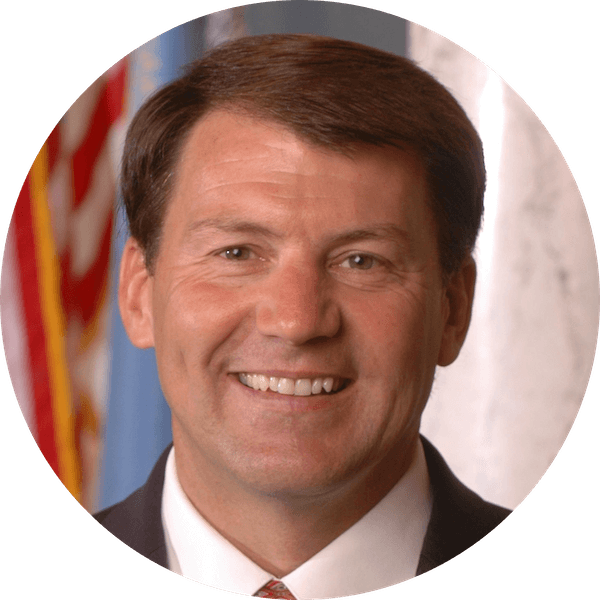
Mike Rounds
Republican · SD

Bill Hagerty
Republican · TN

Mike Crapo
Republican · ID

Thomas Tillis
Republican · NC

Kevin Cramer
Republican · ND

Katie Britt
Republican · AL

Jerry Moran
Republican · KS
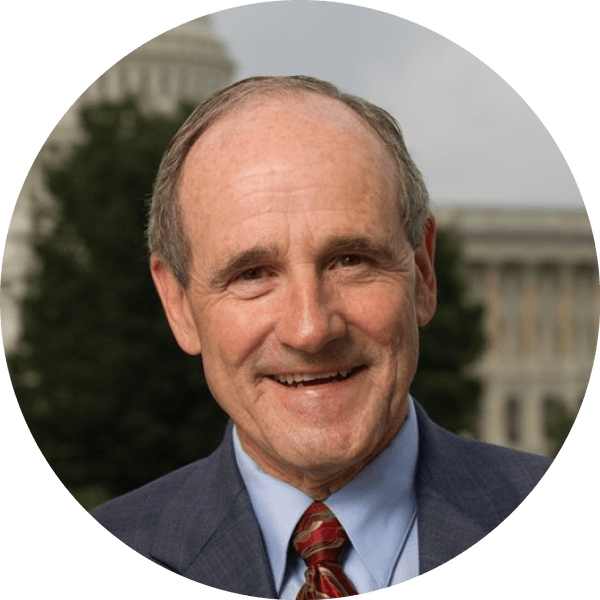
James Risch
Republican · ID
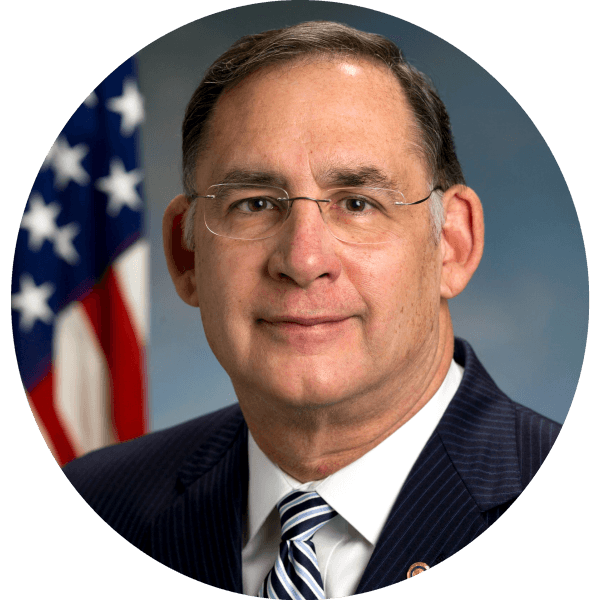
John Boozman
Republican · AR

Roger Wicker
Republican · MS

Cynthia Lummis
Republican · WY

Pete Ricketts
Republican · NE
Committee Sponsors
Banking, Housing, and Urban Affairs Committee
9 of 24 committee members cosponsored at the time


S.J.Res. 18 Quick Facts
- Committee
- Banking, Housing, and Urban Affairs
- Chamber
- Senate
- Policy
- Finance and Financial Sector
- Introduced
- Feb 13, 2025
Became Public Law No: 119-10.
May 9, 2025
Official Sources
Official legislative record for the resolution, including votes and its enactment as Public Law 119-10.
The enrolled text the President signed on May 9, 2025, voiding the CFPB overdraft rule.
The CFPB rule this resolution repealed, with the regulatory text and effective date the cap never reached.
GAO's determination that the overdraft rule was a rule subject to Congressional Review Act disapproval.
The statute that let Congress kill the rule on a simple majority and now bars a substantially similar one.
Plain-language consumer explainer on how overdrafts and overdraft fees work.
About Legisletter
Legisletter is the advocacy platform that tracks every bill from introduction to Public Law — and connects the constituents affected by a bill to the legislators who vote on it.
S.J.Res. 18 Common Questions
What did S.J.Res. 18 actually do?
It repealed a CFPB rule that would have capped overdraft fees at the largest banks at $5. The resolution cancels the rule outright — it doesn't replace it with a weaker version. The President signed it into law on May 9, 2025.
What was the CFPB's $5 overdraft cap?
A rule finalized in late 2024 gave very large banks three choices on overdrafts: cap the fee at $5, charge a higher fee they could justify with their costs, or treat overdrafts as credit with lending disclosures. The CFPB pegged typical fees around $35.
Will my overdraft fees go up because of this?
They won't drop to $5, which is what the canceled rule would have required at big banks. Your fee stays at whatever your bank currently charges. Many large banks had already trimmed overdraft fees in recent years, and those voluntary changes aren't affected.
Is S.J.Res. 18 law yet?
Yes. It passed the Senate 52-48 and the House 217-211, and the President signed it on May 9, 2025. It's now Public Law 119-10.
Which banks did the canceled rule cover?
Only 'very large' institutions — the CFPB's threshold is more than $10 billion in assets. Smaller community banks and credit unions were never subject to the $5 cap.
Can the CFPB just write the same rule again?
Not easily. Because Congress used the Congressional Review Act, the CFPB is barred from issuing a substantially similar rule unless Congress passes a new law authorizing it.
Why did Congress repeal the rule?
Sponsors and banking groups argued the $5 cap amounted to government price-setting and could push banks to cut overdraft coverage for some customers. Supporters of the rule countered that overdraft fees fall hardest on financially stretched households.
How much would the overdraft rule have saved consumers?
The CFPB estimated about $5 billion a year — roughly $225 for each household that pays overdraft fees. Repealing the rule cancels those projected savings.
Based on S.J.Res. 18 bill text
S.J.Res. 18 Bill Text
“Disapproving the rule submitted by the Bureau of Consumer Financial Protection relating to “Overdraft Lending: Very Large Financial Institutions”.”
Source: U.S. Government Publishing Office
Get notified when S.J.Res. 18 moves
Committee votes, floor action, cosponsor changes — straight to your inbox.
Bill alerts + Legisletter's monthly briefing. Unsubscribe anytime.
Finance and Financial Sector Bills
9 related bills we're tracking
America’s Olympic and Paralympic Games Commemorative Coins Act
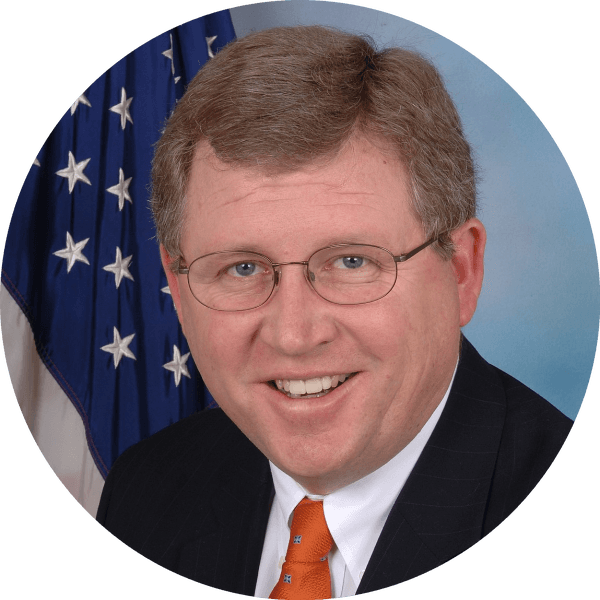



Referred to the House Committee on Financial Services.
Jul 14, 2025
761st Tank Battalion Congressional Gold Medal Act
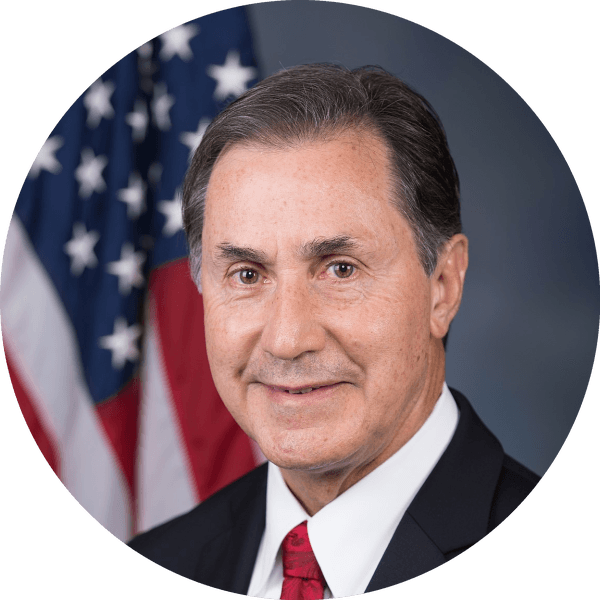

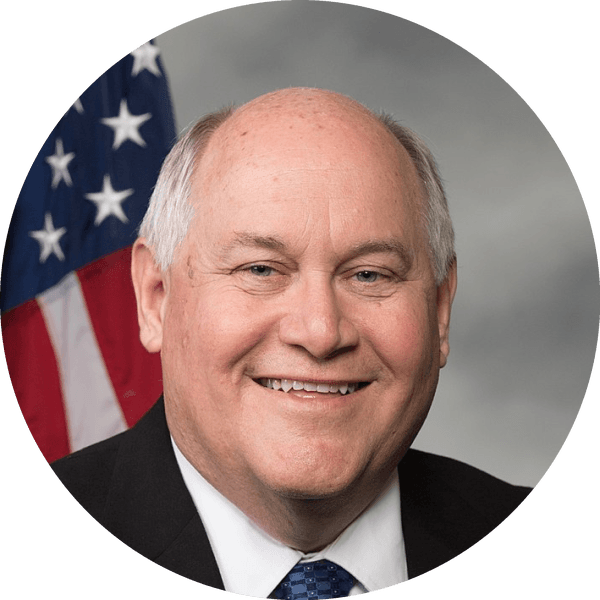
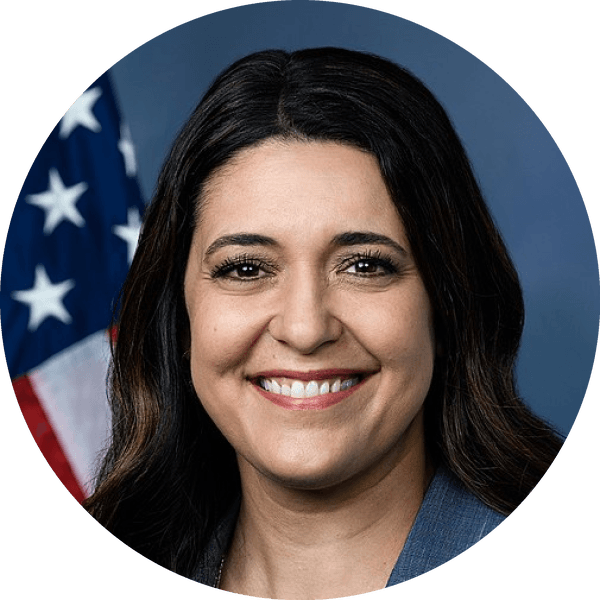
Referred to the Committee on Financial Services, and in addition to the Committee on House Administration, for a period to be subsequently determined by the Speaker, in each case for consideration of such provisions as fall within the jurisdiction of the committee concerned.
Feb 26, 2025
Taxpayer Data Protection Act



Sponsor introductory remarks on measure. (CR H625-626)
Feb 11, 2025
Repealing Big Brother Overreach Act


Placed on the Union Calendar, Calendar No. 609.
Jun 18, 2026
Rosie the Riveter Commemorative Coin Act


Referred to the House Committee on Financial Services.
Jan 15, 2025
HELPER Act of 2025
Referred to the House Committee on Financial Services.
Mar 14, 2025
Anti-CBDC Surveillance State Act


Motion to reconsider laid on the table Agreed to without objection.
Jul 17, 2025
Protecting Privacy in Purchases Act


Received in the Senate and Read twice and referred to the Committee on Banking, Housing, and Urban Affairs.
Jul 15, 2026
Veterans Member Business Loan Act

Referred to the House Committee on Financial Services.
Jan 16, 2025
Trending Right Now
Bills gaining momentum across Congress
North Platte Canteen Congressional Gold Medal Act



Referred to the House Committee on Financial Services.
Feb 21, 2025
Fit to Serve Act



Referred to the House Committee on Armed Services.
May 21, 2025
ASAP Act


Ordered to be Reported in the Nature of a Substitute by the Yeas and Nays: 40 - 0.
Sep 16, 2026
Tracking Finance and Financial Sector in Congress? Monitor bills, track cosponsor momentum, and launch advocacy campaigns — all from one advocacy platform.