S. 2904: SHADOW Fleet Sanctions Act of 2026
Sponsor
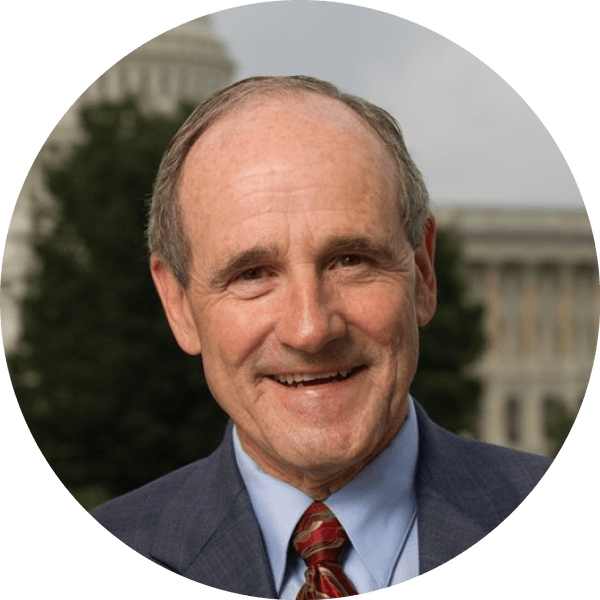
James Risch
Republican · ID
Chasing the ghost tankers that keep Russia's war funded
Why it matters
Russia keeps selling oil by moving it on a fleet of aging, often uninsured tankers that switch off their tracking and hide their owners. This bill would sanction those ships within 90 days of becoming law, go after the insurers and crews that keep them running, and put ports in China and India on notice. It also authorizes $200 million for Ukraine and frontline allies.
S. 2904, the SHADOW Fleet Sanctions Act, tries to make it far more expensive to help Russia ship oil outside the rules. It targets the tankers themselves, the people who own, insure, captain, and service them, and even foreign ports that take their cargo.
The centerpiece is a deadline. Within 90 days of becoming law, the President would have to sanction "shadow fleet" tankers caught moving Russian oil, arms, or other goods to dodge sanctions. A ship can be flagged on a stack of warning signs: going dark by switching off its tracking, refusing a harbor pilot, hopping between flags, sailing uninsured or single-hulled, or being escorted by the Russian military. The bill says three or more of these can serve as evidence on their own.
It doesn't stop at the ships. The bill reaches insurers, crews, and the brokers who arrange deceptive deals, and it explicitly names ports in China and India that accept oil from these tankers as targets for sanctions.
The reported version also goes well beyond shipping. It authorizes sanctions on people running major Russian energy projects like the Yamal and Arctic LNG developments, targets suppliers to Russia's defense industry, and authorizes $200 million for a fund to support Ukraine and allies in Central and Eastern Europe.
The real test will be enforcement. Maritime ownership is deliberately murky, and some countries that buy discounted Russian oil may resist U.S. pressure. The bill's bite would depend on Treasury and State following through, sharing intelligence with allies, and being willing to sanction foreign firms and ports even when it strains diplomacy.
Bill Progress
Latest Action · Feb 10, 2026
Placed on Senate floor schedule under General Orders. Calendar No. 326.
S. 2904 Bill Summary
What S. 2904 actually does.
The ghost tankers get sanctioned within 90 days
Within 90 days of enactment, the President would have to sanction shadow fleet vessels caught moving Russian oil, arms, or goods to evade sanctions, including ships that go dark, sail uninsured, or evade the price cap.
Ports in China and India are named directly
Starting 15 days after enactment, the President could sanction owners and operators of ports in China or India that accept oil from price-cap-busting or already-sanctioned tankers.
Three red flags can mark a ship
The bill lists 12 warning signs of suspect behavior, such as switching off tracking, refusing a pilot, frequent flag changes, sailing uninsured or single-hulled, or being escorted by the Russian military. Three or more can serve as evidence on their own.
Insurers, crews, and brokers are in scope too
Sanctions reach foreign people who own, insure, captain, or service these tankers, conduct ship-to-ship transfers of Russian oil, or run refineries that knowingly process it.
$200 million for Ukraine and frontline allies
The bill authorizes $200 million across fiscal years 2026 and 2027 for the Countering Russian Influence Fund, which supports Ukraine and allies in Central and Eastern Europe against Russian sabotage, cyber, and information operations.
Sanctions on Russian energy and defense suppliers
The reported version also authorizes sanctions on leaders of major Russian energy projects like Yamal and Arctic LNG, and on foreign firms supplying Russia's defense industry with goods like CNC tools, semiconductors, and munitions materials.
Money and staffing to actually enforce it
It authorizes $15 million a year for the Treasury's sanctions office and $15 million a year for the State Department's Office of Sanctions Coordination across 2026 and 2027 to build out the staff and data tools enforcement requires.
Who benefits from S. 2904?
Ukraine and frontline allies
Every dollar Russia can't earn from oil is a dollar that doesn't fund its war. The bill also directs $200 million toward Ukraine and allies in Central and Eastern Europe.
Coastal states living near the ghost fleet
These tankers are often old, single-hulled, and uninsured. Pushing them out of service lowers the odds of a spill that no one is on the hook to clean up off a nearby coastline.
Shipping and insurance firms that play by the rules
Operators who follow sanctions and insure their ships properly compete against rivals using hidden ownership and fake coverage. The bill aims to raise the cost of cutting those corners.
U.S. and allied sanctions enforcers
The bill gives Treasury and State clearer targets, new funding, and a mandate to match European Union and United Kingdom designation lists so sanctioned ships have fewer places to hide.
Who is affected by S. 2904?
Shadow fleet owners, operators, and crews
Ship owners, managers, brokers, captains, and senior crew tied to sanctions evasion would face blocked U.S. property and a ban on entering the country.
Ports and refiners in China and India
Facilities that keep taking oil from these tankers could be cut off from the U.S. financial system. The bill names ports in both countries as potential targets.
Insurers and flag registries
Insurers that keep covering sanctioned vessels and flag states with weak oversight face pressure to drop suspect ships or tighten their standards.
Countries buying discounted Russian oil
Importers that rely on shadow fleet shipping may see higher transport costs, more scrutiny, and fewer service providers willing to handle their cargo.
Cost & Funding
Authorization
$200 million for the Countering Russian Influence Fund (FY2026-2027); $15 million per year each for Treasury's OFAC and the State Department's Office of Sanctions Coordination (FY2026 and FY2027)
- The largest single line is $200 million across two years for the Countering Russian Influence Fund, designated as emergency spending to support Ukraine and allies in Central and Eastern Europe.
- Enforcement gets $30 million a year split evenly between the Treasury and State Department sanctions offices, or $60 million total over fiscal years 2026 and 2027.
- Most of the sanctions themselves rely on existing Treasury and State authorities rather than new spending, so the cost is mainly enforcement capacity, not the penalties.
S2904 Legislative Journey
Committee Action
Feb 10, 2026
Committee on Foreign Relations. Reported by Senator Risch with an amendment in the nature of a substitute. Without written report.
Passed Committee
Jan 29, 2026
Committee on Foreign Relations. Ordered to be reported with an amendment in the nature of a substitute favorably.
Committee Action
Sep 18, 2025
Read twice and referred to the Committee on Foreign Relations.
About the Sponsor
James Risch
Republican, ID · 17 years in Congress
Committees: Foreign Relations, Small Business and Entrepreneurship, Senate Select Committee on Ethics
View full profile →
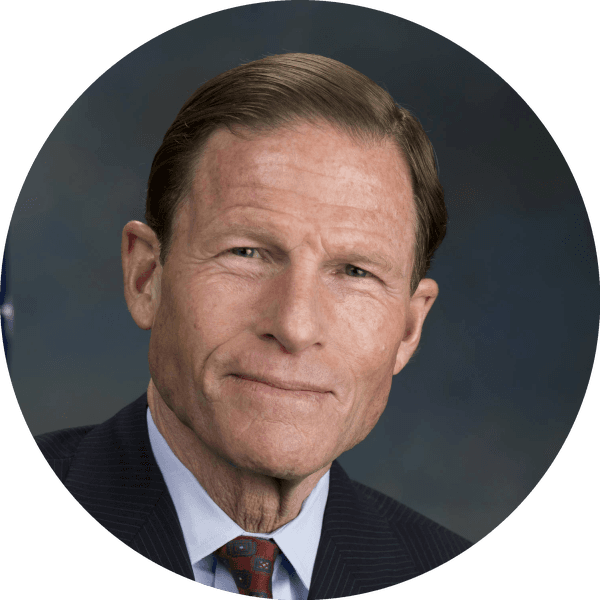
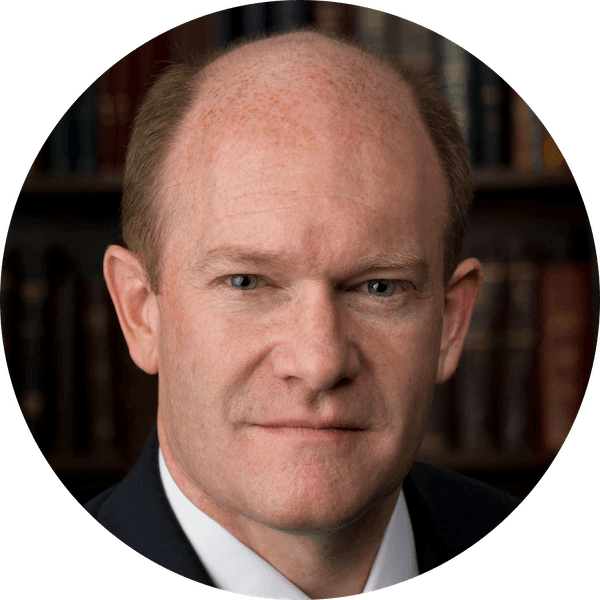
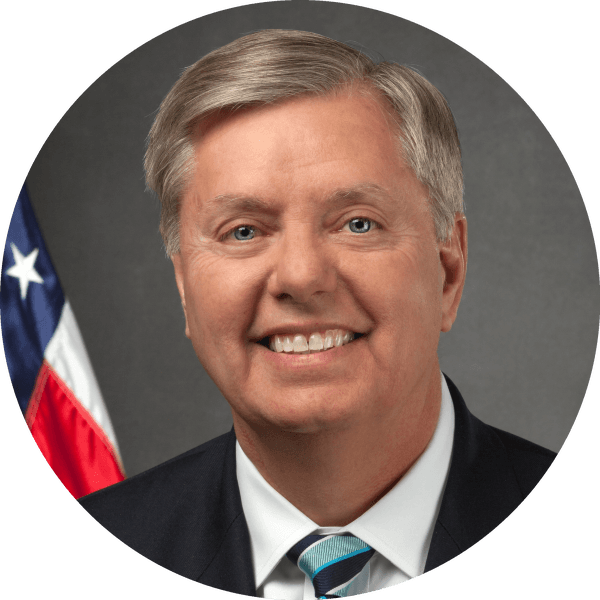
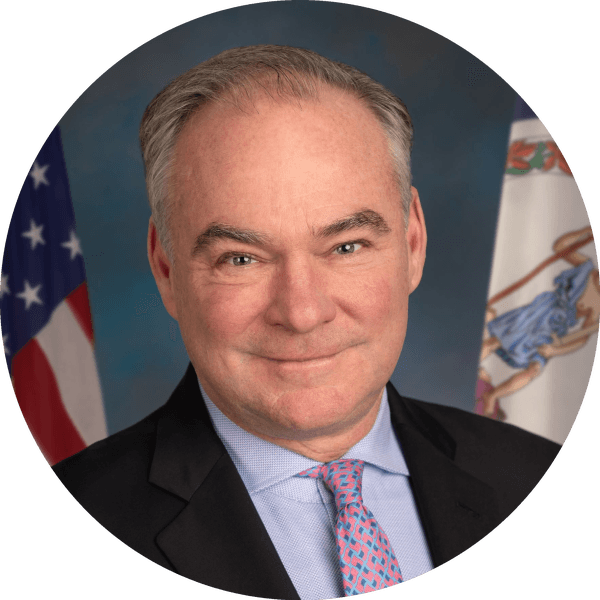
Cosponsors (24)
This bill has 24 cosponsors: 12 Democrats, 11 Republicans, reflecting bipartisan support. Cosponsors represent 21 states: Arkansas, Arizona, Colorado, and 18 more.
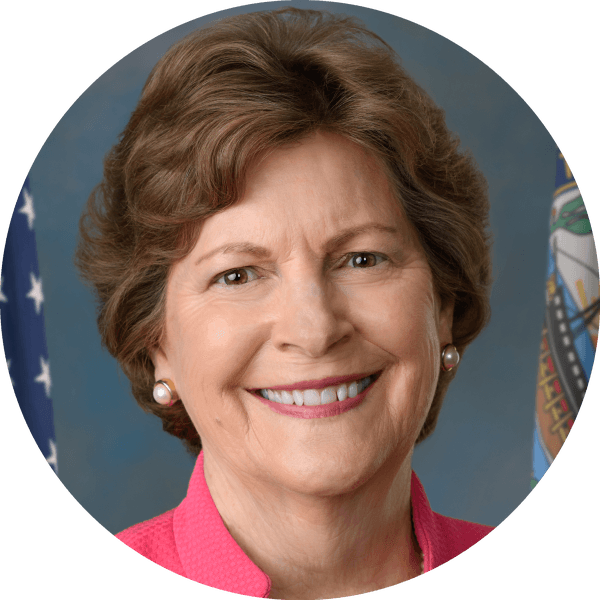
Jeanne Shaheen
Democrat · NH
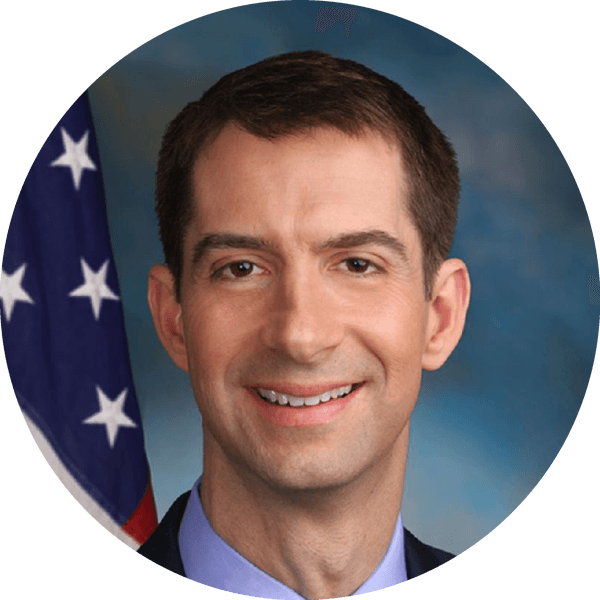
Tom Cotton
Republican · AR
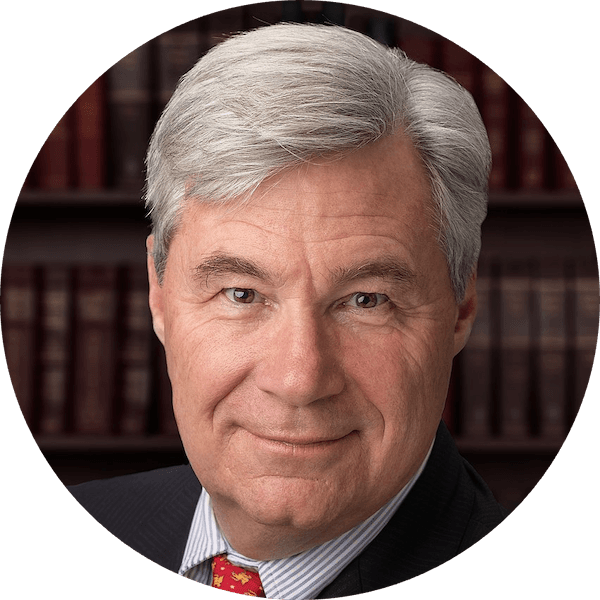
Sheldon Whitehouse
Democrat · RI

Pete Ricketts
Republican · NE
Richard Blumenthal
Democrat · CT
Christopher Coons
Democrat · DE
Lindsey Graham
Republican · SC
Timothy Kaine
Democrat · VA
Roger Wicker
Republican · MS
John Curtis
Republican · UT

Tammy Duckworth
Democrat · IL
John Cornyn
Republican · TX
Committee Sponsors
Foreign Relations Committee
10 of 22 committee members cosponsored


8 Republicans across this committee haven't cosponsored yet. Mobilize their constituents
S. 2904 Quick Facts
- Committee
- Foreign Relations
- Chamber
- Senate
- Policy
- International Affairs
- Introduced
- Sep 18, 2025
Placed on Senate floor schedule under General Orders. Calendar No. 326.
Feb 10, 2026
Official Sources
The full text, sponsors, and legislative history of the SHADOW Fleet Sanctions Act.
The committee's announcement laying out what the bill is meant to do when Risch and Shaheen introduced it.
Federal energy data showing how Russia's oil exports moved toward China and India, the trade this bill aims to choke off.
The Commerce Department list of CNC tools, semiconductors, and other goods the bill targets when sold to Russia's defense industry (Sec. 171).
The statute the bill relies on to block property and freeze the assets of sanctioned persons (Sec. 181, 183).
The existing Russia sanctions authority the bill builds on and requires the President to report licenses under (Sec. 124).
Who is lobbying on S. 2904?
1 organization lobbying on this bill
INTERNATIONAL SEAWAYS, INC. | 2 |
Showing 1-1 of 1 organizations
S. 2904 Common Questions
What is Russia's "shadow fleet"?
It's the term for aging tankers that move Russian oil and goods while dodging Western sanctions. S. 2904 defines it as foreign vessels used or directed by Russia to carry oil, arms, and other goods to get around international sanctions.
Can S. 2904 really sanction ports in China and India?
Yes. The bill specifically names ports in China and India. Starting 15 days after it becomes law, the President could sanction port owners or operators in either country that accept oil from price-cap-busting or already-sanctioned tankers.
What makes a tanker a target under S. 2904?
The bill lists 12 warning signs, including switching off tracking, refusing a harbor pilot, hopping between flags, sailing uninsured or single-hulled, or being escorted by the Russian military. Three or more can serve as evidence that a ship belongs to the shadow fleet.
Does S. 2904 do anything for Ukraine besides sanctions?
Yes. The reported version authorizes $200 million across 2026 and 2027 for the Countering Russian Influence Fund to support Ukraine and allies in Central and Eastern Europe, and it speeds up the timeline for approving U.S. arms sales to Ukraine.
Who gets hit besides the ships themselves?
Sanctions reach the people who keep these tankers running: owners, operators, captains and senior crew, insurers, brokers who arrange deceptive deals, and refiners that knowingly process oil carried by shadow fleet vessels.
Is there money behind enforcing S. 2904?
Yes. The bill authorizes $15 million a year for Treasury's sanctions office and $15 million a year for the State Department's Office of Sanctions Coordination, across 2026 and 2027, to add staff and data tools for tracking suspect vessels.
Could the President waive these sanctions?
Yes. The bill lets the President waive sanctions on a specific ship or person for up to 180 days at a time by certifying to Congress that the waiver serves national security interests. There are also carve-outs for food, medicine, and humanitarian goods.
Who introduced S. 2904 and where does it stand?
Senator James Risch (R-ID) introduced it with bipartisan backing, including Jeanne Shaheen and Tom Cotton among 13 cosponsors from both parties. The Foreign Relations Committee reported it, and it now sits on the Senate Legislative Calendar awaiting a floor vote.
Based on S. 2904 bill text
S. 2904 Bill Text
“To impose sanctions with respect to the shadow fleet of the Russian Federation, and for other purposes.”
Source: U.S. Government Publishing Office
Get notified when S. 2904 moves
Committee votes, floor action, cosponsor changes — straight to your inbox.
Bill alerts + Legisletter's monthly briefing. Unsubscribe anytime.
International Affairs Bills
9 related bills we're tracking
Enhanced Iran Sanctions Act of 2025

Motion to place bill on Consensus Calendar filed by Mr. Lawler.
Jan 12, 2026
United States-Israel Defense Partnership Act of 2025

Referred to the Committee on Armed Services, and in addition to the Committee on Foreign Affairs, for a period to be subsequently determined by the Speaker, in each case for consideration of such provisions as fall within the jurisdiction of the committee concerned.
Feb 12, 2025
West Bank Violence Prevention Act of 2025
Referred to the Committee on Foreign Affairs, and in addition to the Committee on the Judiciary, for a period to be subsequently determined by the Speaker, in each case for consideration of such provisions as fall within the jurisdiction of the committee concerned.
Apr 28, 2025
Global Respect Act



Referred to the Committee on Foreign Affairs, and in addition to the Committee on the Judiciary, for a period to be subsequently determined by the Speaker, in each case for consideration of such provisions as fall within the jurisdiction of the committee concerned.
Nov 19, 2025
Sanctioning Russia Act of 2025
Referred to the Committee on Foreign Affairs, and in addition to the Committees on the Judiciary, Financial Services, Ways and Means, and Oversight and Government Reform, for a period to be subsequently determined by the Speaker, in each case for consideration of such provisions as fall within the jurisdiction of the committee concerned.
Apr 1, 2025
International Human Rights Defense Act of 2025


Referred to the House Committee on Foreign Affairs.
Nov 17, 2025
Global Health, Empowerment and Rights Act



Referred to the House Committee on Foreign Affairs.
Jan 28, 2025
Pakistan Freedom and Accountability Act

Referred to the Committee on Foreign Affairs, and in addition to the Committee on the Judiciary, for a period to be subsequently determined by the Speaker, in each case for consideration of such provisions as fall within the jurisdiction of the committee concerned.
Sep 10, 2025
Baltic Security Assessment Act of 2025


Ordered to be Reported by the Yeas and Nays: 41 - 3.
Apr 22, 2026
Trending Right Now
Bills gaining momentum across Congress
America’s Olympic and Paralympic Games Commemorative Coins Act
Referred to the House Committee on Financial Services.
Jul 14, 2025
Fit to Serve Act
Referred to the House Committee on Armed Services.
May 21, 2025
ASAP Act

Ordered to be Reported in the Nature of a Substitute by the Yeas and Nays: 40 - 0.
Sep 16, 2026
Tracking International Affairs in Congress? Monitor bills, track cosponsor momentum, and launch advocacy campaigns — all from one advocacy platform.