S. 1552: Living Donor Protection Act of 2025
Sponsor

Tom Cotton
Republican · AR
Donating a kidney shouldn’t cost you your life insurance
Why it matters
Living organ donors have been quoted higher premiums, denied policies outright, and told their recovery surgery doesn’t qualify for job-protected leave. S. 1552 — backed by 46 bipartisan cosponsors and already on the Senate Calendar — would block three insurance markets from penalizing donors based on donor status alone and write donation recovery into federal leave law.
S. 1552 builds a federal floor under three problems living donors have run into: insurance access, leave for recovery, and public information.
In the insurance market, life, disability, and long-term care carriers couldn’t deny you a policy, cancel one you already hold, or change your premium based solely on the fact that you became a living donor. Carriers keep a narrow opening: they could still treat a donor differently if they can show an actual, unique, and material actuarial risk tied to that specific person — not a blanket assumption about donors as a group. State insurance regulators would enforce the rule under their existing authority.
On the job, recovery from organ donation surgery gets written into federal leave law as a qualifying serious health condition. Private-sector employees covered by the Family and Medical Leave Act would have clear job-protected time to heal. Federal employees get the same clarification plus a practical option: they can use the existing federal organ donor leave bank to cover part of that recovery time instead of spending down their general 12-week FMLA entitlement.
The bill doesn’t create a new spending program, grant fund, or federal payment to donors. It does require the Department of Health and Human Services to refresh public education materials — including organdonor.gov — within 6 months of enactment so the new protections are clearly explained to people weighing donation.
Bill Progress
Latest Action · Mar 11, 2026
Placed on Senate floor schedule under General Orders. Calendar No. 352.
S. 1552 Bill Summary
What S. 1552 actually does.
Living donors can’t be priced out of life insurance
Life, disability, and long-term care insurers couldn’t deny, cancel, vary premiums, or change the terms of a policy based solely on your status as a living organ donor.
Insurers keep a narrow exception for real, specific risk
A carrier could still treat a donor differently if it can show an actual, unique, and material actuarial risk tied to that person — not just the fact of donation.
Recovery from donation counts as a serious health condition
The bill writes organ donation recovery into the Family and Medical Leave Act’s definition of a serious health condition, making job-protected leave for healing explicit.
Federal workers can tap their separate donor leave bank
Federal employees using FMLA time for donation recovery could substitute leave from the separate federal organ donor leave program, preserving their general 12-week entitlement.
HHS has 6 months to update donor information
Within 6 months of enactment, the Department of Health and Human Services must refresh public materials on living donation — including organdonor.gov — to explain the new insurance and leave rules.
Enforcement runs through state insurance commissioners
State regulators, not a new federal agency, would enforce the insurance protections under their existing state-law authority.
Who benefits from S. 1552?
People who’ve already donated an organ while alive
Past donors would get the same protections as future ones. Insurers couldn’t cite your donor status alone as the reason for denial, cancellation, or a higher premium in the three covered markets.
People considering living donation
Insurance access and unclear leave rules are two of the most commonly cited concerns that make potential donors hesitate. The bill targets both directly, aiming to remove non-medical reasons a match might not move forward.
Federal employees who donate
Federal workers get the private-sector FMLA clarification plus the option to pull from the separate federal organ donor leave bank, so donation doesn’t automatically eat into their general 12-week leave entitlement.
Patients on the organ transplant waitlist
Anything that reduces donor hesitation could, over time, help move patients off the U.S. transplant waitlist — though the bill focuses on donor protections, not directly on recipient access.
Who is affected by S. 1552?
Life, disability, and long-term care insurers
Carriers would need to remove donor-status-only underwriting from their decisions in these three markets. They could still price for a specific, documented actuarial risk tied to an individual applicant.
State insurance regulators
States would enforce the rule under existing state authority. The bill creates no new federal enforcement body and leaves the practical standards to state commissioners.
Employers and HR teams
Covered employers would need to treat recovery from organ donation surgery as a qualifying serious health condition when applying federal leave rules to eligible workers.
Health and Human Services
HHS has a 6-month deadline to update its public education materials — including organdonor.gov, public service announcements, and other media — to reflect the new insurance and leave protections.
S1552 Legislative Journey
Committee Action
Mar 11, 2026
Committee on Health, Education, Labor, and Pensions. Reported by Senator Cassidy with an amendment in the nature of a substitute. Without written report.
Passed Committee
Feb 26, 2026
Committee on Health, Education, Labor, and Pensions. Ordered to be reported with an amendment in the nature of a substitute favorably.
Committee Action
May 1, 2025
Read twice and referred to the Committee on Health, Education, Labor, and Pensions.
About the Sponsor
Tom Cotton
Republican, AR · 13 years in Congress
Committees: Senate Select Committee on Intelligence, Joint Economic Committee, Armed Services
View full profile →
Cosponsors (50)
This bill has 50 cosponsors: 31 Democrats, 18 Republicans, 1 Independent, reflecting bipartisan support. Cosponsors represent 34 states: Alaska, Alabama, Arkansas, and 31 more.

Kirsten Gillibrand
Democrat · NY

Cindy Hyde-Smith
Republican · MS
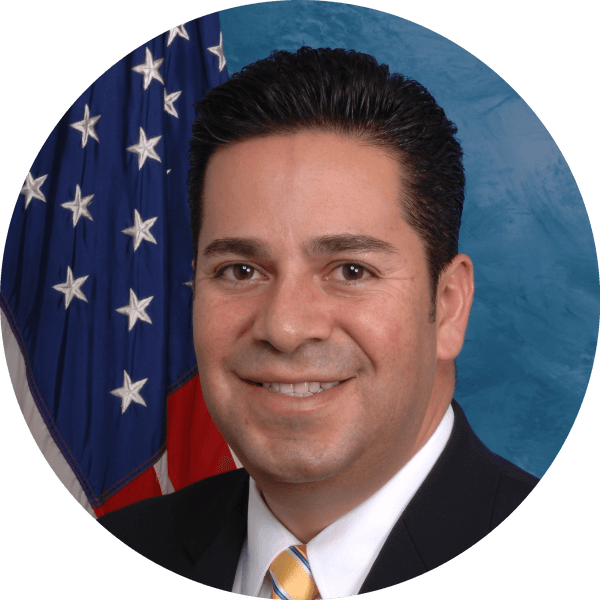
Ben Luján
Democrat · NM

Shelley Capito
Republican · WV

Angus King
Independent · ME

Richard Blumenthal
Democrat · CT

Timothy Kaine
Democrat · VA

Amy Klobuchar
Democrat · MN

Jeff Merkley
Democrat · OR

Sheldon Whitehouse
Democrat · RI

Christopher Coons
Democrat · DE

Marsha Blackburn
Republican · TN
Committee Sponsors
Health, Education, Labor, and Pensions Committee
9 of 23 committee members cosponsored


7 Republicans across this committee haven't cosponsored yet. Mobilize their constituents
S. 1552 Quick Facts
- Committee
- Health, Education, Labor, and Pensions
- Chamber
- Senate
- Policy
- Health
- Introduced
- May 1, 2025
Placed on Senate floor schedule under General Orders. Calendar No. 352.
Mar 11, 2026
Official Sources
The official Congress.gov page provides the bill text, status, sponsors, and actions for the Living Donor Protection Act of 2025.
The bill specifically directs HHS to update public education materials on living organ donation, including websites such as OrganDonor.gov.
Section 3 amends the Family and Medical Leave Act, so the Department of Labor's FMLA page is the main official resource for the leave rules affected by the bill.
Section 3 amends 29 U.S.C. 2611(11), the statutory definition of serious health condition under FMLA.
Section 3 also amends 5 U.S.C. 6381(5), which governs leave definitions for federal civil service employees.
This statute is the organ donor leave provision the bill references for federal employees who donate an organ.
The bill defines long-term care insurance by reference to section 7702B(c) of the Internal Revenue Code.
S. 1552 Common Questions
Can an insurer deny me life insurance because I donated a kidney?
Under S. 1552, not based solely on your status as a living organ donor. The bill covers life, disability, and long-term care insurance. Insurers could still act if they can show a specific actuarial risk tied to you personally.
Does S. 1552 cover health insurance?
No. The bill targets life, disability, and long-term care insurance — not health insurance. Health coverage has separate protections under the Affordable Care Act that already block denial based on pre-existing conditions.
Which insurance types does S. 1552 actually cover?
Three: life insurance, disability insurance, and long-term care insurance. Other markets — health, auto, homeowners — are not addressed by the bill.
What if I already have a life insurance policy when I donate?
You'd be protected too. Insurers couldn't cancel your existing policy or change your premium based solely on the fact that you became a living organ donor after the policy was issued.
Does organ donation recovery count as FMLA leave?
Under S. 1552, yes. Recovery from organ donation surgery would be written into the federal definition of a serious health condition, making job-protected leave explicit for eligible employees.
What's different for federal employees who donate an organ?
Federal workers get the same FMLA clarification plus an option to substitute available federal organ donor leave for part of the 12-week FMLA period — so donating doesn't automatically eat into their general leave time.
Can insurers still charge more if they show real medical risk?
Yes, in narrow cases. The bill allows different treatment if an insurer can show an actual, unique, and material actuarial risk tied to a specific donor — not just donor status by itself.
Who would enforce the insurance protections?
State insurance regulators. The bill relies on state commissioners to enforce the rule under their existing state-law authority, rather than creating a new federal enforcement body.
Based on S. 1552 bill text
S. 1552 Bill Text
“To promote and protect from discrimination living organ donors.”
Source: U.S. Government Publishing Office
Get notified when S. 1552 moves
Committee votes, floor action, cosponsor changes — straight to your inbox.
Bill alerts + Legisletter's monthly briefing. Unsubscribe anytime.
Health Bills
9 related bills we're tracking
Nancy Gardner Sewell Medicare Multi-Cancer Early Detection Screening Coverage Act





Reported (Amended) by the Committee on Ways and Means. H. Rept. 119-333, Part I.
Oct 3, 2025
Mikaela Naylon Give Kids a Chance Act





Received in the Senate.
Dec 2, 2025
Improving Seniors’ Timely Access to Care Act of 2025



Ordered to be Reported in the Nature of a Substitute by the Yeas and Nays: 42 - 0.
Jul 15, 2026
CONNECT for Health Act of 2025




Referred to the Committee on Energy and Commerce, and in addition to the Committee on Ways and Means, for a period to be subsequently determined by the Speaker, in each case for consideration of such provisions as fall within the jurisdiction of the committee concerned.
Jun 26, 2025
ASAP Act



Ordered to be Reported in the Nature of a Substitute by the Yeas and Nays: 40 - 0.
Sep 16, 2026
Momnibus Act




Referred to the Subcommittee on Health.
Apr 20, 2026
Ensuring Lasting Smiles Act



Referred to the Committee on Energy and Commerce, and in addition to the Committees on Education and Workforce, and Ways and Means, for a period to be subsequently determined by the Speaker, in each case for consideration of such provisions as fall within the jurisdiction of the committee concerned.
May 8, 2025
Right to Contraception Act




Referred to the House Committee on Energy and Commerce.
Feb 5, 2025
Women’s Health Protection Act of 2025



Referred to the Committee on Energy and Commerce, and in addition to the Committee on the Judiciary, for a period to be subsequently determined by the Speaker, in each case for consideration of such provisions as fall within the jurisdiction of the committee concerned.
Jun 24, 2025
Trending Right Now
Bills gaining momentum across Congress
North Platte Canteen Congressional Gold Medal Act



Referred to the House Committee on Financial Services.
Feb 21, 2025
America’s Olympic and Paralympic Games Commemorative Coins Act





Referred to the House Committee on Financial Services.
Jul 14, 2025
Fit to Serve Act




Referred to the House Committee on Armed Services.
May 21, 2025
Tracking Health in Congress? Monitor bills, track cosponsor momentum, and launch advocacy campaigns — all from one advocacy platform.