H.R. 692: China Exchange Rate Transparency Act of 2025
Sponsor
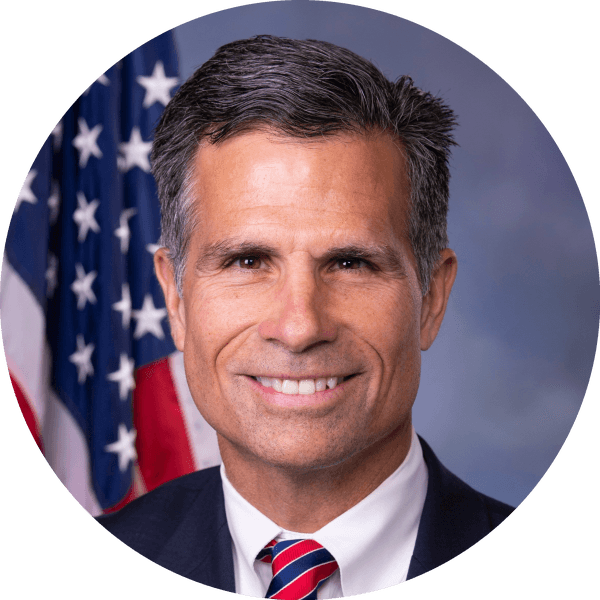
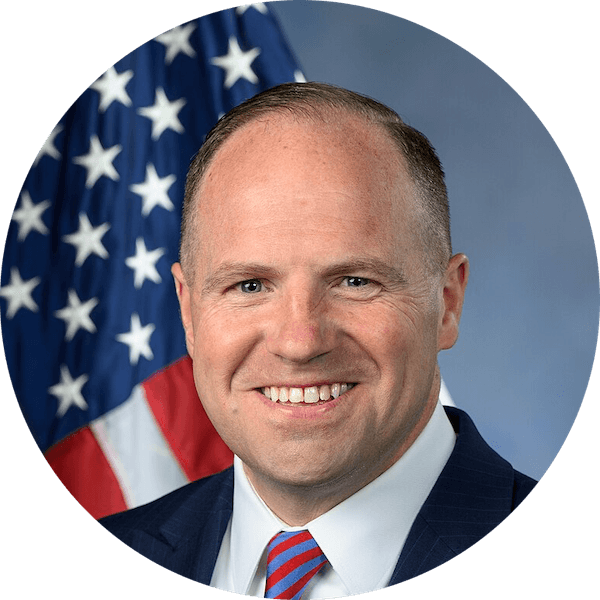
Daniel Meuser
Republican · PA-9
Congress wants China’s currency moves out in the open
Why it matters
The bill would keep U.S. pressure on the IMF for up to 7 years to dig into how China manages its currency—including activity the Treasury Department says is still unusually opaque among major economies. Instead of imposing tariffs or sanctions, it tries to force more disclosure and tougher international scrutiny.
H.R. 692 tells the U.S. to use its clout at the IMF to press China for more transparency on how it manages the value of its currency.
The bill does not create tariffs, sanctions, fines, or rebate checks. Instead, it orders the Treasury Secretary to direct the U.S. representative at the IMF to push for tougher surveillance of China's exchange-rate practices.
That includes more than obvious central-bank activity. The bill specifically says IMF scrutiny should also look at indirect foreign-exchange intervention through Chinese financial institutions or state-owned enterprises.
The bill's findings lean heavily on a November 2022 Treasury report. That report, as quoted in the bill, said China provides "very limited transparency" about key parts of its exchange-rate system and called China an "outlier among major economies" for not publishing foreign-exchange intervention data.
Lawmakers also want IMF reviews of China to compare its policies with other countries whose currencies help determine the value of Special Drawing Rights, the IMF's reserve asset. The idea is to judge China against peers already treated as systemically important.
This pressure campaign would stay in place until China is reported to be in substantial compliance, or until 7 years pass after enactment—whichever comes first.
Bill Progress
Latest Action · Feb 11, 2025
Passed the House, received in Senate
H.R. 692 Bill Summary
What H.R. 692 actually does.
U.S. officials must press the IMF for more disclosure
The bill requires the Treasury Secretary to direct the U.S. representative at the IMF to advocate for greater transparency around China's exchange-rate policies and stronger IMF surveillance.
State-backed market activity gets extra scrutiny
The IMF push would explicitly cover indirect foreign-exchange intervention through Chinese financial institutions or state-owned enterprises, not just direct central-government actions.
China would be measured against other major reserve-currency issuers
The bill tells U.S. officials to push IMF reviews to flag major gaps between China's exchange-rate policies and those of other countries whose currencies are used to value Special Drawing Rights.
IMF voting-power debates would factor in China's conduct
During IMF governance reviews, the U.S. would advocate for China's behavior in the international monetary system to carry more weight when quota and voting shares are discussed.
The pressure lasts up to 7 years
The bill expires 30 days after either Congress is told China is in substantial compliance with the standards named in the bill or 7 years have passed since enactment.
Who benefits from H.R. 692?
U.S. businesses exposed to currency swings
Companies competing with Chinese exporters or buying and selling across borders could benefit from clearer information if IMF scrutiny produces more usable data on China's exchange-rate practices.
Investors and analysts watching global markets
Anyone trying to price risk in Chinese markets would get more visibility if the bill's IMF pressure leads to better disclosure on intervention, offshore RMB activity, and policy goals.
Treasury officials pushing for a tougher IMF line
The bill gives U.S. officials explicit congressional backing to raise China's currency practices in IMF surveillance and governance debates.
Who is affected by H.R. 692?
Chinese economic authorities
They would face sustained U.S.-backed pressure at the IMF to explain how China manages its currency and whether those practices match the standards cited in the bill.
Chinese state-owned enterprises and financial institutions
Their market activity could draw more international scrutiny because the bill says indirect intervention through these entities should be part of IMF surveillance.
The U.S. representative at the IMF
This official would have a direct congressional mandate to use the U.S. voice and vote to push the bill's transparency goals.
IMF member countries and leadership
Other IMF participants would be asked to support broader surveillance of China and to weigh China's conduct more heavily in future quota and voting-share discussions.
What Congress Is Saying
10 legislators have weighed in on H.R. 692 — 5 Democrats, 5 Republicans.
Mr. Speaker, due to airline schedules, my flight was delayed. My vote on H.R. 692 was not recorded before time expired. Had I been present, I would have voted YEA on Roll Call No. 36.

H.R. 692 also appeared in 2 more House floor references, 1 in the Extensions of Remarks, and 6 routine cosponsor filings.
HR692 Legislative Journey
Committee Action
Feb 11, 2025
Received in the Senate and Read twice and referred to the Committee on Foreign Relations.
House: Vote: 388-7
Feb 10, 2025
On motion to suspend the rules and pass the bill, as amended Agreed to by the Yeas and Nays: (2/3 required): 388 - 7 (Roll no. 36). (text: CR H597)
House: Committee Action
Jan 23, 2025
Referred to the House Committee on Financial Services.
About the Sponsor
Daniel Meuser
Republican, Pennsylvania's 9th congressional district · 7 years in Congress
Committees: Small Business, Financial Services
View full profile →
Cosponsors (10)
This bill has 10 cosponsors: 2 Democrats, 8 Republicans, reflecting bipartisan support. Cosponsors represent 9 states: Georgia, Indiana, Michigan, and 6 more.

Committee Sponsors
Foreign Relations Committee
0 of 22 committee members cosponsored
No committee members have cosponsored this bill
Financial Services Committee
3 of 53 committee members cosponsored


39 Republicans across these committees haven't cosponsored yet. Mobilize their constituents
H.R. 692 Quick Facts




- Committee
- Foreign Relations
- Chamber
- House
- Policy
- International Affairs
- Introduced
- Jan 23, 2025
Passed the House, received in Senate
Feb 11, 2025
Official Sources
Official bill page with text, actions, sponsors, and status for the China Exchange Rate Transparency Act of 2025.
The bill directs the Treasury Secretary to act through U.S. international financial diplomacy, making Treasury’s International Affairs office directly relevant.
This Treasury page provides official background on U.S. foreign-exchange policy tools and institutional roles related to exchange-rate matters.
Treasury’s official release for the November 2022 report referenced in the bill’s findings on China’s limited transparency and intervention data.
H.R. 692 Common Questions
Does H.R. 692 create tariffs or sanctions on China?
No. H.R. 692 does not create tariffs, sanctions, or fines. It tells U.S. officials at the IMF to push for more transparency and tougher surveillance of China's currency practices.
What would H.R. 692 actually make the U.S. do?
It would require the Treasury Secretary to direct the U.S. representative at the IMF to advocate for more disclosure and closer review of China's exchange-rate policies.
Does the bill target indirect intervention through Chinese state firms?
Yes. H.R. 692 says the IMF should look at indirect foreign-exchange intervention through Chinese financial institutions or state-owned enterprises, not just direct government action.
Why does the bill say China needs more scrutiny?
The bill quotes a 2022 Treasury report saying China provides "very limited transparency" on key parts of its exchange-rate system and is an outlier among major economies on intervention data.
Would the IMF compare China with other major reserve-currency countries?
Yes. The bill says IMF reviews should note major gaps between China's exchange-rate policies and those of other countries whose currencies help determine Special Drawing Rights.
Could this affect China's IMF voting power?
Indirectly, yes. H.R. 692 says China's conduct should get stronger consideration when IMF members review quota and voting shares, but it does not automatically change them.
When would H.R. 692 expire?
It would end 30 days after either Congress is told China is in substantial compliance with the standards named in the bill or 7 years have passed since enactment—whichever comes first.
Based on H.R. 692 bill text
H.R. 692 Bill Text
“To require the United States Executive Director at the International Monetary Fund to advocate for increased transparency with respect to exchange rate policies of the People’s Republic of China, and for other purposes.”
Source: U.S. Government Publishing Office
Get notified when H.R. 692 moves
Committee votes, floor action, cosponsor changes — straight to your inbox.
Bill alerts + Legisletter's monthly briefing. Unsubscribe anytime.
International Affairs Bills
9 related bills we're tracking
Enhanced Iran Sanctions Act of 2025



Motion to place bill on Consensus Calendar filed by Mr. Lawler.
Jan 12, 2026
United States-Israel Defense Partnership Act of 2025

Referred to the Committee on Armed Services, and in addition to the Committee on Foreign Affairs, for a period to be subsequently determined by the Speaker, in each case for consideration of such provisions as fall within the jurisdiction of the committee concerned.
Feb 12, 2025
West Bank Violence Prevention Act of 2025


Referred to the Committee on Foreign Affairs, and in addition to the Committee on the Judiciary, for a period to be subsequently determined by the Speaker, in each case for consideration of such provisions as fall within the jurisdiction of the committee concerned.
Apr 28, 2025
Global Respect Act




Referred to the Committee on Foreign Affairs, and in addition to the Committee on the Judiciary, for a period to be subsequently determined by the Speaker, in each case for consideration of such provisions as fall within the jurisdiction of the committee concerned.
Nov 19, 2025
Sanctioning Russia Act of 2025



Referred to the Committee on Foreign Affairs, and in addition to the Committees on the Judiciary, Financial Services, Ways and Means, and Oversight and Government Reform, for a period to be subsequently determined by the Speaker, in each case for consideration of such provisions as fall within the jurisdiction of the committee concerned.
Apr 1, 2025
International Human Rights Defense Act of 2025



Referred to the House Committee on Foreign Affairs.
Nov 17, 2025
Global Health, Empowerment and Rights Act



Referred to the House Committee on Foreign Affairs.
Jan 28, 2025
Pakistan Freedom and Accountability Act



Referred to the Committee on Foreign Affairs, and in addition to the Committee on the Judiciary, for a period to be subsequently determined by the Speaker, in each case for consideration of such provisions as fall within the jurisdiction of the committee concerned.
Sep 10, 2025
Baltic Security Assessment Act of 2025





Ordered to be Reported by the Yeas and Nays: 41 - 3.
Apr 22, 2026
Trending Right Now
Bills gaining momentum across Congress
North Platte Canteen Congressional Gold Medal Act


Referred to the House Committee on Financial Services.
Feb 21, 2025
Fit to Serve Act


Referred to the House Committee on Armed Services.
May 21, 2025
ASAP Act


Ordered to be Reported in the Nature of a Substitute by the Yeas and Nays: 40 - 0.
Sep 16, 2026
Tracking International Affairs in Congress? Monitor bills, track cosponsor momentum, and launch advocacy campaigns — all from one advocacy platform.