H.R. 6553: TIER Act of 2025
Sponsor
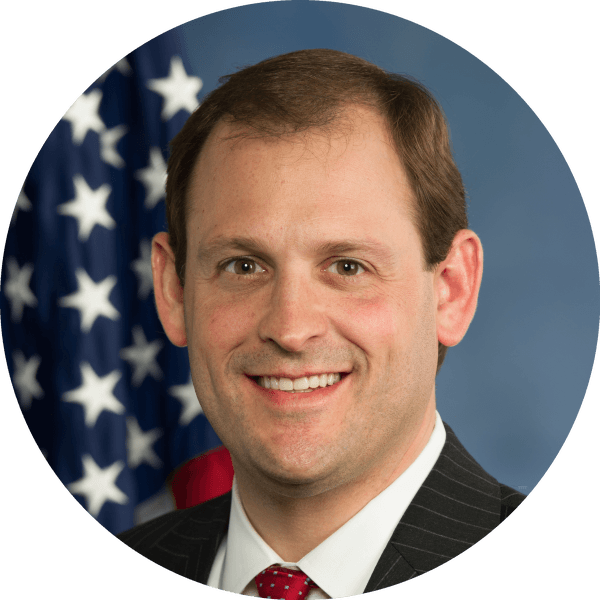
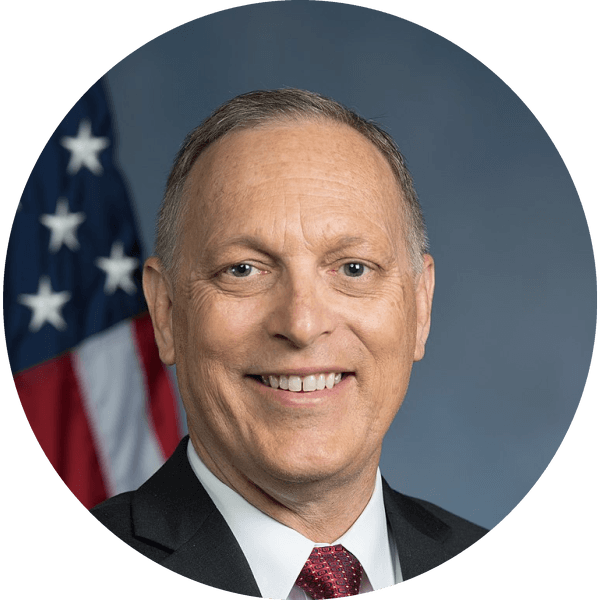
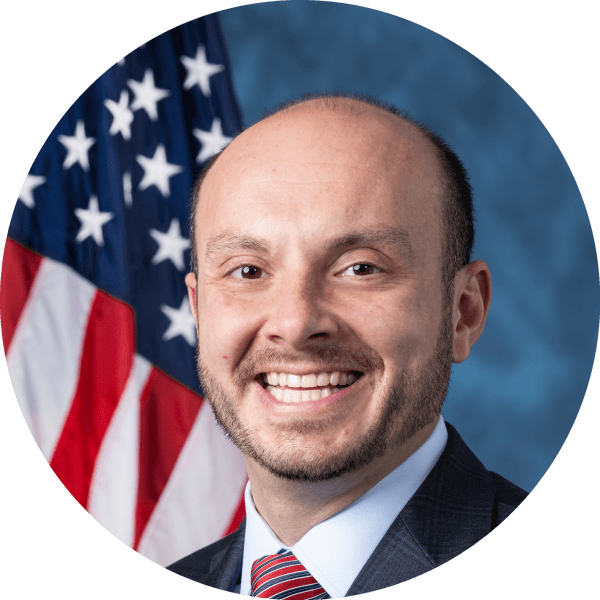
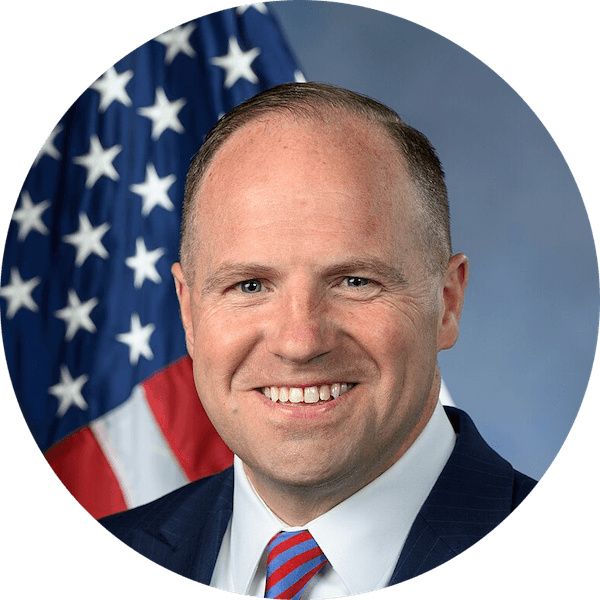
Andy Barr
Republican · KY-6
Strict bank oversight wouldn't start until $370 billion
Why it matters
The biggest oversight trigger in H.R. 6553 climbs from $250 billion to $370 billion in assets — a $120 billion jump. Banks that land in that gap would face lighter federal scrutiny, and the thresholds would keep ratcheting higher every five years as the economy grows.
H.R. 6553, called the TIER Act, lifts the asset thresholds that trigger tougher federal bank supervision. The marquee change moves the top line from $250 billion to $370 billion. A $150 billion threshold replaces the old $100 billion one, a $75 billion line replaces $50 billion, and a $15 billion line replaces $10 billion.
What does that mean for an actual bank? A firm holding $300 billion in assets sits above today's $250 billion line but below the new $370 billion one — so it could fall out of rules that cover it now. A bank with $140 billion would land below the new $150 billion trigger.
The bill doesn't stop at a one-time reset. Beginning April 1, 2031, the Federal Reserve would recalculate these thresholds every five years using current-dollar U.S. GDP from the Department of Commerce, then publish the new numbers in the Federal Register.
Those future adjustments only move up. The bill says a recalculated threshold above $100 billion gets rounded up to the nearest $50 billion; anything below that rounds up to the nearest $5 billion.
There's a second track too. H.R. 6553 directs the Federal Reserve, the OCC, and the FDIC to review their own rule-based thresholds by June 30, 2026, and every five years after, raising them by the same GDP ratio and reporting any changes to Congress.
Bill Progress
Latest Action · Feb 25, 2026
Placed on House floor schedule, Calendar No. 457.
H.R. 6553 Bill Summary
What H.R. 6553 actually does.
The top oversight line jumps to $370 billion
Several major triggers across Dodd-Frank and related laws move from $250 billion to $370 billion, creating a wide band of firms above today's line but below the new one.
Fewer banks face the $100 billion tier
The bill raises a key $100 billion trigger to $150 billion, so firms under $150 billion would no longer be captured by it.
Lower cutoffs rise too
A $50 billion threshold becomes $75 billion and a $10 billion threshold becomes $15 billion, affecting firms closer to those statutory lines.
Thresholds rise with the economy after 2031
Starting April 1, 2031, the Federal Reserve would recalculate covered thresholds every five years using current-dollar U.S. GDP from the Department of Commerce.
Future updates only round upward
Recalculated thresholds above $100 billion would be rounded up to the nearest $50 billion; lower amounts would round up to the nearest $5 billion.
Regulators must revisit their own rule-based thresholds
The Federal Reserve, OCC, and FDIC would review bank rules that use non-statutory thresholds by June 30, 2026, and every five years after, then report any changes to Congress.
Who benefits from H.R. 6553?
Banks holding $250 billion to under $370 billion in assets
This is the bill's largest shift. Firms in this range could fall below several major oversight triggers that begin at $250 billion today.
Banks holding $100 billion to under $150 billion in assets
These firms are closest to the first big change and would sit below a threshold that currently starts at $100 billion.
Firms near the $10 billion and $50 billion lines
Institutions around those lower cutoffs would get more room as the bill raises them to $15 billion and $75 billion.
Large banks planning to grow
The thresholds would be recalculated every five years using GDP rather than staying fixed until Congress changes the law again, giving these firms a more predictable path.
Who is affected by H.R. 6553?
Federal banking regulators
The Federal Reserve, OCC, and FDIC would have to recalculate, review, and report on threshold changes on a recurring schedule.
Depositors and borrowers tied to very large regional banks
Some banks that count as large under current law would face lighter oversight until they reach the new, higher thresholds.
Banks above $370 billion in assets
These firms would still sit above the bill's highest major triggers, so their regulatory treatment changes less than it would for firms just below that line.
Congressional oversight committees
Congress would receive periodic agency reports on threshold changes made through regulation, not just those written directly into statute.
HR6553 Legislative Journey
House: Committee Action
Feb 25, 2026
Reported (Amended) by the Committee on Financial Services. H. Rept. 119-532.
House: Vote: 33-19
Dec 17, 2025
Ordered to be Reported (Amended) by the Yeas and Nays: 33 - 19.
House: Committee Action
Dec 16, 2025
Committee Consideration and Mark-up Session Held
House: Committee Action
Dec 10, 2025
Referred to the House Committee on Financial Services.
About the Sponsor
Andy Barr
Republican, Kentucky's 6th congressional district · 13 years in Congress
Committees: House Select Committee on the Strategic Competition Between the United States and the Chinese Communist Party, Financial Services, Foreign Affairs
View full profile →
Cosponsors (7)
All 7 cosponsors are Republicans. Cosponsors represent 6 states: Florida, Iowa, North Carolina, and 3 more.


Committee Sponsors
Financial Services Committee
7 of 53 committee members cosponsored


23 Republicans across this committee haven't cosponsored yet. Mobilize their constituents
What laws does H.R. 6553 change?
1 changes
Sections Amended
Section 1(b) of Dodd-Frank Wall Street Reform and Consumer Protection Act
inserting after the item relating to section 176 the following: ``Sec
H.R. 6553 Quick Facts

- Committee
- Financial Services
- Chamber
- House
- Policy
- Finance and Financial Sector
- Introduced
- Dec 10, 2025
Placed on House floor schedule, Calendar No. 457.
Feb 25, 2026
Official Sources
Official bill page with text, status, sponsors, and actions for the TIER Act of 2025.
BEA publishes the current-dollar U.S. GDP figures from the Department of Commerce that the bill uses to index thresholds every five years.
The Federal Reserve supervises large banking organizations and would recalculate the indexed thresholds the bill creates.
Official U.S. Code page for 12 U.S.C. 5365, one of the core Dodd-Frank enhanced prudential standards sections amended by the bill.
Official U.S. Code page for section 11 of the Federal Reserve Act, where the bill changes certain assessment-related asset thresholds.
Official U.S. Code page for the Bank Holding Company Act provision the bill amends, raising a $10 billion threshold to $15 billion.
H.R. 6553 Common Questions
What does H.R. 6553 do in plain English?
It raises the asset thresholds that trigger tougher federal bank oversight. The biggest change moves the top line from $250 billion to $370 billion, so fewer large banks fall under the strictest rules.
Is H.R. 6553 a rollback of Dodd-Frank?
It raises thresholds set by Dodd-Frank's enhanced oversight rules. Supporters call it tailoring regulation to bank size; critics call it weakening post-2008 safeguards. The rules stay on the books, but fewer banks would be covered.
Which banks benefit most from H.R. 6553?
Banks between $250 billion and $370 billion in assets are the clearest beneficiaries, since they could fall below thresholds that cover them today. Firms between $100 billion and $150 billion would also get relief.
What exact threshold changes are in H.R. 6553?
The bill raises $100B to $150B, $250B to $370B, $50B to $75B, and $10B to $15B across the Federal Reserve Act, Bank Holding Company Act, and Dodd-Frank.
Will these bank thresholds keep rising automatically?
Yes. Starting April 1, 2031, the bill says the Federal Reserve would recalculate the thresholds every five years using current-dollar U.S. GDP. If GDP grew, the thresholds rise — and they only round upward.
Who has to review banking rules under H.R. 6553?
The Federal Reserve, the OCC, and the FDIC would review rule-based bank thresholds by June 30, 2026, and every five years after, then report any changes to Congress.
Has H.R. 6553 passed?
Not yet. The Financial Services Committee approved it 33-19 in December 2025 and it was placed on the Union Calendar in February 2026, meaning it's awaiting a full House floor vote.
Based on H.R. 6553 bill text
H.R. 6553 Bill Text
“To index statutory thresholds, and for other purposes.”
Source: U.S. Government Publishing Office
Get notified when H.R. 6553 moves
Committee votes, floor action, cosponsor changes — straight to your inbox.
Bill alerts + Legisletter's monthly briefing. Unsubscribe anytime.
Finance and Financial Sector Bills
9 related bills we're tracking
America’s Olympic and Paralympic Games Commemorative Coins Act



Referred to the House Committee on Financial Services.
Jul 14, 2025
761st Tank Battalion Congressional Gold Medal Act
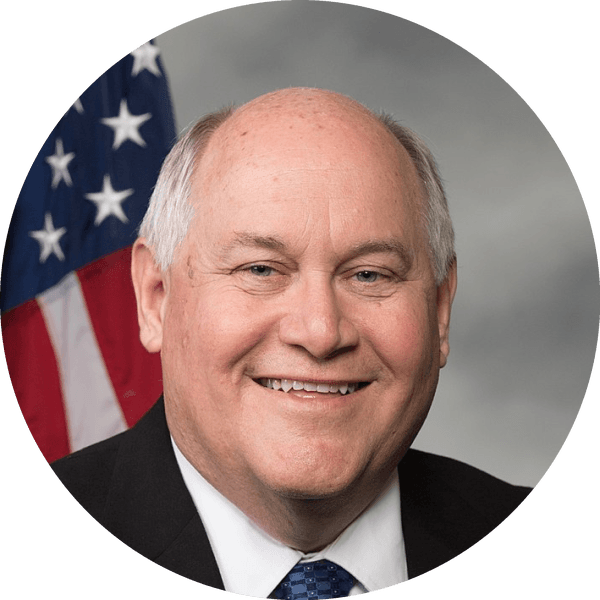

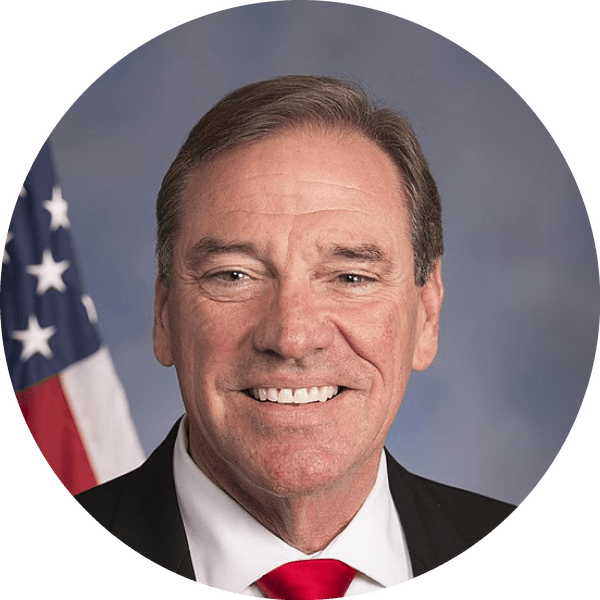
Referred to the Committee on Financial Services, and in addition to the Committee on House Administration, for a period to be subsequently determined by the Speaker, in each case for consideration of such provisions as fall within the jurisdiction of the committee concerned.
Feb 26, 2025
Taxpayer Data Protection Act


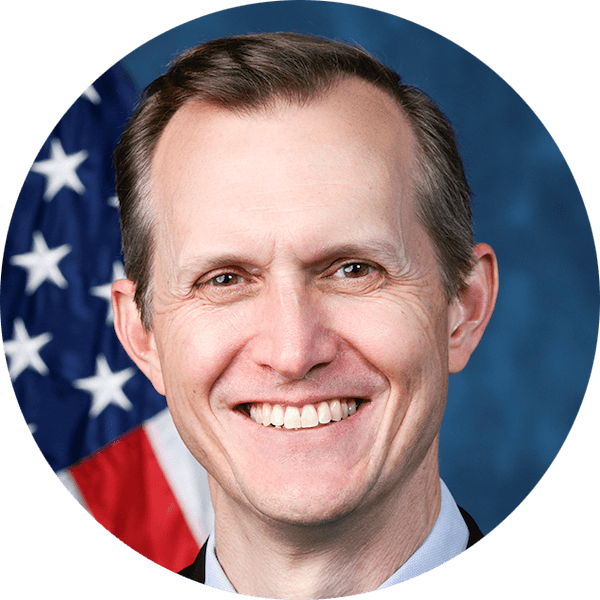
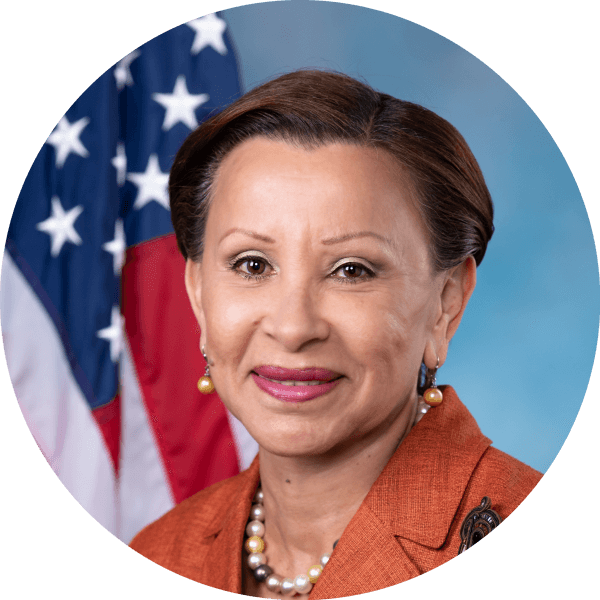
Sponsor introductory remarks on measure. (CR H625-626)
Feb 11, 2025
Repealing Big Brother Overreach Act


Placed on the Union Calendar, Calendar No. 609.
Jun 18, 2026
Rosie the Riveter Commemorative Coin Act


Referred to the House Committee on Financial Services.
Jan 15, 2025
HELPER Act of 2025
Referred to the House Committee on Financial Services.
Mar 14, 2025
Anti-CBDC Surveillance State Act

Motion to reconsider laid on the table Agreed to without objection.
Jul 17, 2025
Protecting Privacy in Purchases Act

Received in the Senate and Read twice and referred to the Committee on Banking, Housing, and Urban Affairs.
Jul 15, 2026
Veterans Member Business Loan Act

Referred to the House Committee on Financial Services.
Jan 16, 2025
Trending Right Now
Bills gaining momentum across Congress
Fit to Serve Act


Referred to the House Committee on Armed Services.
May 21, 2025
ASAP Act


Ordered to be Reported in the Nature of a Substitute by the Yeas and Nays: 40 - 0.
Sep 16, 2026
Therapeutic Fraud Prevention Act of 2025




Referred to the House Committee on Energy and Commerce.
May 7, 2025
Tracking Finance and Financial Sector in Congress? Monitor bills, track cosponsor momentum, and launch advocacy campaigns — all from one advocacy platform.