H.R. 5961: Flood Insurance for Farmers Act of 2025
Sponsor

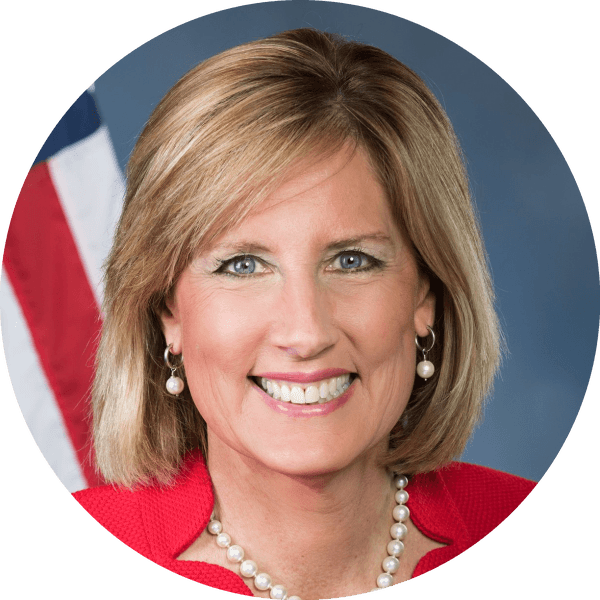
Doug LaMalfa
Republican · CA-1
One barn variance can't sink a town's flood coverage
Why it matters
Get suspended from the National Flood Insurance Program and every property owner in town can lose access to affordable federal flood coverage. Right now, a community that grants a zoning variance for a hard-to-elevate farm building risks exactly that. H.R. 5961 would take that threat off the table — as long as the town follows a strict checklist and the building hasn't been a repeat flood-claim property.
H.R. 5961, the Flood Insurance for Farmers Act of 2025, tackles two practical headaches in the National Flood Insurance Program.
The first is about who gets punished. Today, FEMA can suspend a community or place it on probation for loosening floodplain rules. This bill says FEMA can't do that just because a town granted a variance for an agricultural structure — but the variance has to clear a detailed set of conditions first. It must come from a real State or local zoning authority, and officials have to make specific findings before approving it.
For new farm construction, the local official has to determine that raising or floodproofing the building isn't practical, and the structure can't sit in a regulatory floodway, riverward of a levee, or in an area exposed to high-velocity wave action. For existing buildings that are substantially damaged or need major repairs, officials have to reach the same not-practical finding — and if the building is in a floodway, repairs can't raise flood levels during a base flood.
There are more guardrails. The official also has to find the variance won't increase flood heights, threaten public safety, create extraordinary public expense, cause nuisances, enable fraud, or conflict with local law. And there's a hard claims screen: the building is ineligible if it has had more than one flood claim payment over $1,000 in any 10-year stretch. A variance doesn't come with a discount, either — the premium is set as if the building had been dry floodproofed, or at a comparable risk-based rate for the zone.
The second change is about coverage design. FEMA would have to offer a single optional umbrella policy to insureds at renewal and to applicants who have multiple structures on the same property, covering commercial, residential (including multifamily rental), and agricultural buildings. Buying it would be optional, the rates couldn't dip below FEMA's estimated premium floor, and FEMA would have to report to Congress on how the umbrella option is working within 5 years of the bill becoming law.
Bill Progress
Latest Action · Nov 7, 2025
Referred to the House Committee on Financial Services.
H.R. 5961 Bill Summary
What H.R. 5961 actually does.
A farm variance no longer puts a town's flood program at risk
The bill bars FEMA from suspending a community or placing it on probation in the National Flood Insurance Program because the community granted a variance for an agricultural structure, provided the variance meets every condition the bill lays out.
New farm buildings must pass a location-and-practicality test
Before a new structure qualifies, a State or local zoning official has to determine that floodproofing or elevating it isn't practical, and the building can't be in a designated regulatory floodway, riverward of a levee or other flood control structure, or in an area exposed to high-velocity wave action.
Existing buildings face floodway and repair limits
An existing farm structure qualifies only if an official finds floodproofing or elevation isn't practical when the building is substantially damaged or needs major repairs. If it sits in a regulatory floodway, the repair can't increase base flood levels during a base flood discharge.
Repeat-claim buildings are screened out
A structure is ineligible for the variance if it has received more than one flood claim payment over $1,000 in any 10 consecutive-year period before the variance is granted — a screen aimed at repeat-loss properties.
A variance doesn't lower your premium
Even with a variance, the chargeable rate is set as if the structure had been dry floodproofed, or at a comparable risk-based rate for the zone. The bill defines floodproofing as structural and non-structural changes — including utilities and equipment — that reduce or eliminate flood damage.
One optional umbrella policy for properties with multiple buildings
FEMA would have to make a single umbrella policy available at renewal and to applicants with multiple structures on one property, covering commercial, residential (including multifamily rental), and agricultural buildings. Purchase is optional, rates can't fall below FEMA's estimated premium floor, and FEMA must report to Congress within 5 years of enactment.
Who benefits from H.R. 5961?
Farmers with buildings that can't be raised
Owners of barns, sheds, and grain storage in flood hazard zones gain a path to a variance when elevating or floodproofing isn't practical — without their whole community facing the threat of being dropped from the flood insurance program.
Towns and counties in the flood insurance program
Local governments would get room to approve farm-structure variances without fear that FEMA will suspend them or place them on probation, as long as they follow the bill's checklist and the claims screen of no more than one payment over $1,000 in a decade.
Property owners with multiple structures on one parcel
Anyone with several buildings on the same property — commercial, agricultural, or residential — could opt into one umbrella flood policy at renewal instead of stitching together separate coverage.
Multifamily rental owners
The umbrella option explicitly covers residential property including multifamily rental, so owners of multi-building rental sites could fold their structures into a single optional policy.
Who is affected by H.R. 5961?
FEMA
The agency would lose its ability to suspend or place a community on probation for granting qualifying farm variances, would have to offer the umbrella policy at renewal to eligible insureds, and would owe Congress an implementation report within 5 years of enactment.
State and local zoning officials
These officials take on the job of making specific findings before approving a variance — that elevation isn't practical, that it won't raise flood heights or threaten public safety, and that it won't create extraordinary public expense, nuisances, fraud, or conflicts with local law.
Owners of repeat-loss farm buildings
A structure is excluded from the variance relief if it has had more than one flood claim payment over $1,000 in any 10 consecutive-year period before the request, so repeat-loss properties don't qualify.
Insureds who buy the umbrella policy
Those who opt into the umbrella coverage still face a pricing floor — the bill says rates can't fall below FEMA's estimated premium rates for that coverage, so it isn't a discount product.
HR5961 Legislative Journey
House: Committee Action
Nov 7, 2025
Referred to the House Committee on Financial Services.
About the Sponsor
Doug LaMalfa
Republican, California's 1st congressional district · 12 years in Congress
Committees: Agriculture, Natural Resources, Transportation and Infrastructure
View full profile →
Cosponsors (4)
This bill has 4 cosponsors: 3 Democrats, 1 Republican, reflecting bipartisan support. Cosponsors represent 2 states: California, Colorado.
Committee Sponsors
Financial Services Committee
0 of 53 committee members cosponsored
No committee members have cosponsored this bill
30 Republicans across this committee haven't cosponsored yet. Mobilize their constituents
What laws does H.R. 5961 change?
2 changes
Sections Amended
Section 1315 of National Flood Insurance Act of 1968 (42 U.S.C. 4022(a))
adding at the end the following new paragraph: ``(3) Allowable local variances for certain agricultural structures
Section 1308 of National Flood Insurance Act of 1968 (42 U.S.C. 4015)
adding at the end the following new subsection: ``(n) Premium Rates for Certain Agricultural Structures With Variances
H.R. 5961 Quick Facts




- Committee
- Financial Services
- Chamber
- House
- Policy
- Finance and Financial Sector
- Introduced
- Nov 7, 2025
Referred to the House Committee on Financial Services.
Nov 7, 2025
Official Sources
Official bill page with text, status, sponsors, and actions for the Flood Insurance for Farmers Act of 2025.
FEMA's official NFIP consumer site explains the program the bill modifies — community participation, premiums, and coverage for agricultural structures.
Official U.S. Code page for 42 U.S.C. 4022, the statute section the bill amends regarding community land-use controls and NFIP participation.
Official U.S. Code page for 42 U.S.C. 4013, the section the bill amends to authorize optional umbrella policies for multiple structures on one property.
Official U.S. Code page for 42 U.S.C. 4015, the premium-rate section amended by the bill for agricultural structures receiving qualifying variances.
H.R. 5961 Common Questions
Can FEMA kick a town out of the flood insurance program for giving a farm building a variance?
No. Under H.R. 5961, FEMA can't suspend a community from the NFIP or place it on probation just for granting a qualifying variance for an agricultural structure.
How many flood claims can a farm building have and still qualify for a variance under H.R. 5961?
It's strict: a building is ineligible if it has had more than one flood claim payment over $1,000 in any 10 consecutive-year period before the variance is granted.
Does a variance make flood insurance cheaper for the farm building?
No. Even with a variance, H.R. 5961 sets the premium as if the structure had been dry floodproofed, or at a comparable risk-based rate for the zone. It's not a discount.
Where can a new farm building not be located if it wants a variance?
Under H.R. 5961, a new agricultural structure can't qualify if it sits in a designated regulatory floodway, riverward of a levee or other flood control structure, or in an area with high-velocity wave action.
What does a local official have to find before approving a farm flood variance?
The official must find the variance won't increase flood heights, threaten public safety, create extraordinary public expense, cause nuisances, enable fraud, or conflict with local laws.
Can an existing farm building in a floodway be repaired without losing eligibility?
Yes, but only if the official finds the repairs won't raise base flood levels during a base flood discharge, under H.R. 5961.
Does H.R. 5961 create one umbrella flood policy for properties with multiple buildings?
Yes. FEMA would have to offer a single optional umbrella policy at renewal and to applicants with multiple structures on the same property, covering commercial, residential (including multifamily rental), and agricultural property.
Does FEMA have to report to Congress on the new umbrella policy, and when?
Yes. Under H.R. 5961, FEMA must report to Congress on how the umbrella policy is working no later than 5 years after the bill becomes law.
Based on H.R. 5961 bill text
H.R. 5961 Bill Text
“To increase the availability of flood insurance for agricultural structures, and for other purposes.”
Source: U.S. Government Publishing Office
Get notified when H.R. 5961 moves
Committee votes, floor action, cosponsor changes — straight to your inbox.
Bill alerts + Legisletter's monthly briefing. Unsubscribe anytime.
Finance and Financial Sector Bills
9 related bills we're tracking
America’s Olympic and Paralympic Games Commemorative Coins Act





Referred to the House Committee on Financial Services.
Jul 14, 2025
761st Tank Battalion Congressional Gold Medal Act




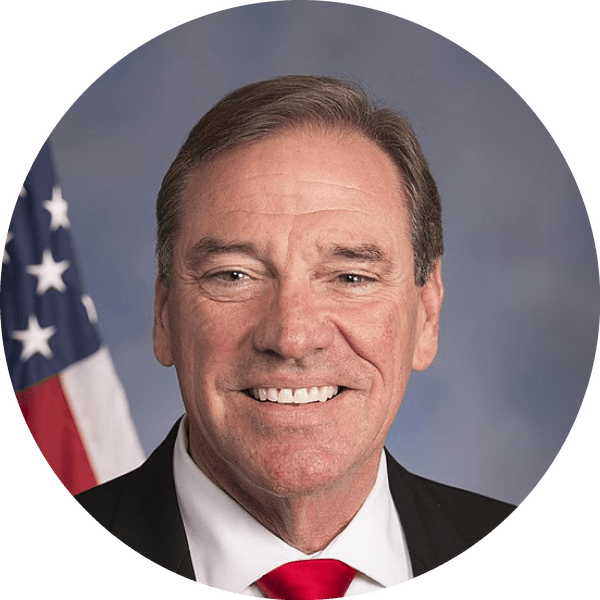
Referred to the Committee on Financial Services, and in addition to the Committee on House Administration, for a period to be subsequently determined by the Speaker, in each case for consideration of such provisions as fall within the jurisdiction of the committee concerned.
Feb 26, 2025
Taxpayer Data Protection Act




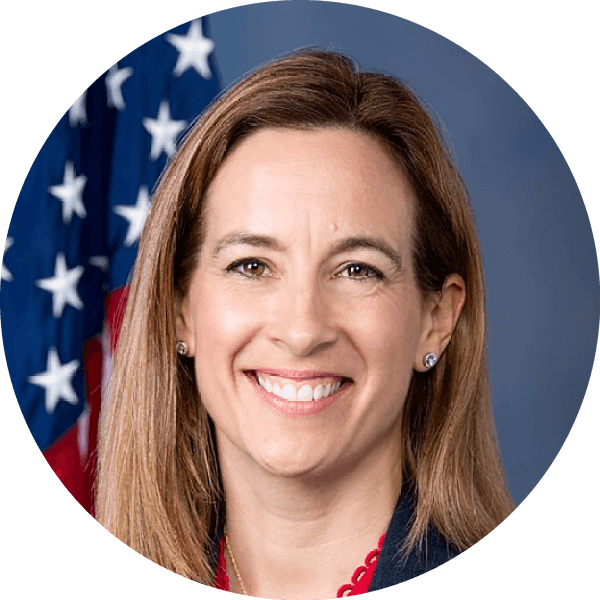
Sponsor introductory remarks on measure. (CR H625-626)
Feb 11, 2025
Repealing Big Brother Overreach Act
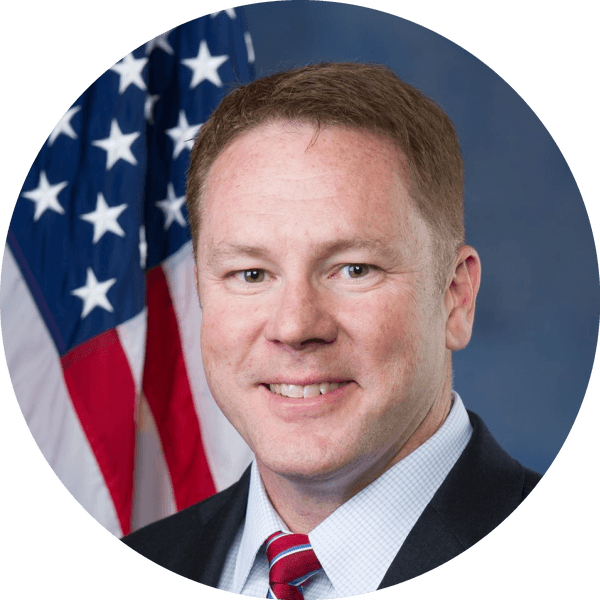




Placed on the Union Calendar, Calendar No. 609.
Jun 18, 2026
Rosie the Riveter Commemorative Coin Act




Referred to the House Committee on Financial Services.
Jan 15, 2025
HELPER Act of 2025





Referred to the House Committee on Financial Services.
Mar 14, 2025
Anti-CBDC Surveillance State Act





Motion to reconsider laid on the table Agreed to without objection.
Jul 17, 2025
Protecting Privacy in Purchases Act




Received in the Senate and Read twice and referred to the Committee on Banking, Housing, and Urban Affairs.
Jul 15, 2026
Veterans Member Business Loan Act



Referred to the House Committee on Financial Services.
Jan 16, 2025
Trending Right Now
Bills gaining momentum across Congress
ASAP Act
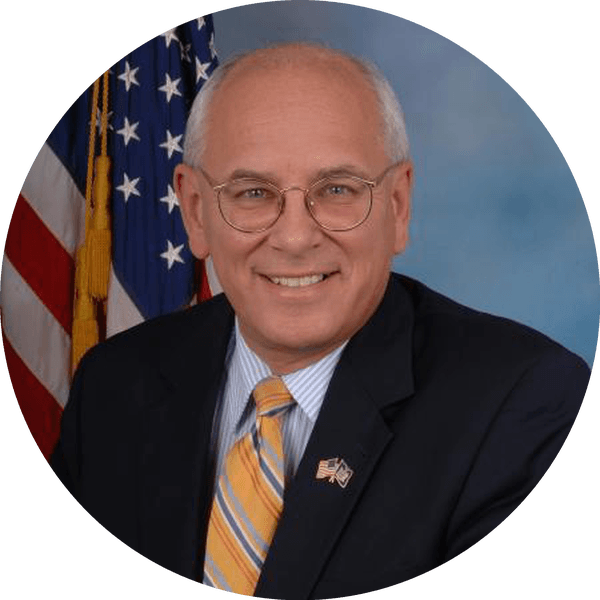



Ordered to be Reported in the Nature of a Substitute by the Yeas and Nays: 40 - 0.
Sep 16, 2026
Federal Firearms Licensee Protection Act of 2025


Referred to the House Committee on the Judiciary.
Mar 3, 2025
Therapeutic Fraud Prevention Act of 2025





Referred to the House Committee on Energy and Commerce.
May 7, 2025
Tracking Finance and Financial Sector in Congress? Monitor bills, track cosponsor momentum, and launch advocacy campaigns — all from one advocacy platform.