H.R. 5401: Pay Our Troops Act of 2026
Sponsor

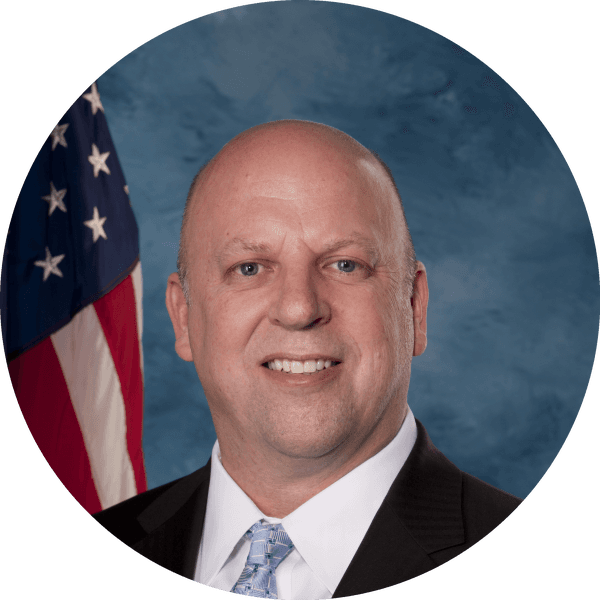
Jennifer Kiggans
Republican · VA-2
Keep paying the troops even if the government shuts down
Why it matters
When the government shuts down, active-duty troops keep reporting for duty — but their paychecks stop. H.R. 5401 draws whatever money is needed from the Treasury to keep pay and allowances flowing to service members, and to some of the civilians and contractors who back them up, until Congress funds the government or the calendar hits January 1, 2027. It carries 210 cosponsors from both parties.
H.R. 5401 is a narrow shutdown backstop aimed at one thing: making sure troops still get paid if fiscal year 2026 funding lapses. If Congress lets the money run out, the bill keeps pay and allowances flowing to members of the Armed Forces performing active service, including reserve members called to active duty.
The coverage reaches past people in uniform. Certain Defense Department and Coast Guard civilian employees can keep drawing pay too, along with some contractors — but only for those the Secretary of Defense or Secretary of Homeland Security decides are supporting the active-service troops.
There's no dollar cap written into the bill. It simply appropriates whatever sums are necessary out of Treasury money not otherwise spoken for during the lapse. The cost rides on how long a shutdown drags on and how widely those support roles get drawn.
This is a patch, not a budget. It protects military-related pay and leaves everything else about a shutdown untouched, so federal workers and contractors outside the covered groups would still be exposed.
And it switches off on its own. The authority ends the moment Congress passes funding for these purposes, passes a spending measure that leaves them out, or the date reaches January 1, 2027 — whichever comes first.
Bill Progress
Latest Action · Sep 16, 2025
Referred to the House Committee on Appropriations.
H.R. 5401 Bill Summary
What H.R. 5401 actually does.
Active-duty troops keep receiving pay
During a fiscal year 2026 funding lapse, H.R. 5401 provides whatever sums are necessary to keep pay and allowances flowing to Armed Forces members performing active service, including reserve component members on active duty.
Some military support civilians stay paid too
Defense Department civilian employees and Coast Guard civilian employees can be covered if the relevant secretary determines they are supporting active-service troops.
Certain contractors can also be covered
The bill extends shutdown-period pay authority to some Defense Department and Coast Guard contractors, but only when the relevant secretary determines they support covered active-service members.
Treasury funds fill the gap during a shutdown
The bill does not set a fixed appropriation amount. It draws whatever sums are necessary from money in the Treasury not otherwise appropriated while the funding lapse lasts.
The backstop expires automatically
The authority ends when Congress passes funding for the covered purposes, passes a measure without that funding, or reaches January 1, 2027 — whichever happens first.
Who benefits from H.R. 5401?
Active-service troops serving through a shutdown
If you're on active service during a fiscal year 2026 funding lapse, H.R. 5401 is designed to keep your pay and allowances coming even while the broader budget fight continues.
Reservists called up to active duty
Reserve component members are explicitly included when they are performing active service, so activation orders would not automatically mean a shutdown-related pay interruption.
Civilian staff keeping military operations running
Some Defense Department and Coast Guard civilian employees could continue being paid if agency leadership determines their work directly supports active-service troops.
Contractors tied to troop support
Certain military and Coast Guard contractors may also remain paid during a shutdown if they are officially classified as supporting the covered service members.
Who is affected by H.R. 5401?
Defense and Homeland Security leadership
The Secretary of Defense and the Secretary of Homeland Security would decide which civilian and contractor roles count as troop support, giving them major discretion over who is covered.
Federal workers outside military support roles
H.R. 5401 is narrow. Workers and contractors outside the covered troop-support categories are not included, so their pay status would still depend on the broader shutdown and appropriations process.
Contractors without a support designation
Even inside the Defense Department or Coast Guard orbit, not every contractor is automatically covered. Payment would hinge on whether the relevant secretary classifies that work as support for active-service troops.
HR5401 Legislative Journey
House: Committee Action
Sep 16, 2025
Referred to the House Committee on Appropriations.
About the Sponsor
Jennifer Kiggans
Republican, Virginia's 2nd congressional district · 3 years in Congress
Committees: Veterans' Affairs, Natural Resources, Armed Services
View full profile →
Cosponsors (210)
This bill has 210 cosponsors: 81 Democrats, 129 Republicans, reflecting bipartisan support. Cosponsors represent 45 states: Alaska, Alabama, Arkansas, and 42 more.

Brian Fitzpatrick
Republican · PA

Nancy Mace
Republican · SC

Thomas Kean
Republican · NJ

Dan Crenshaw
Republican · TX

Zachary Nunn
Republican · IA

Anna Paulina Luna
Republican · FL

Marie Perez
Democrat · WA

James Moylan
Republican · GU

Juan Ciscomani
Republican · AZ

Robert Wittman
Republican · VA

Lauren Boebert
Republican · CO

Cory Mills
Republican · FL
Cosponsor Coverage Map
Committee Sponsors
Appropriations Committee
25 of 63 committee members cosponsored


20 Republicans across this committee haven't cosponsored yet. Mobilize their constituents
H.R. 5401 Quick Facts
- Committee
- Appropriations
- Chamber
- House
- Policy
- Armed Forces and National Security
- Introduced
- Sep 16, 2025
Referred to the House Committee on Appropriations.
Sep 16, 2025
Official Sources
Official bill page with status, full text, actions, cosponsors, and committee referral information.
The bill expressly references 10 U.S.C. 101(a)(4) for the definition of members of the Armed Forces it protects.
H.R. 5401 was referred to this committee, which controls whether a standalone troop-pay measure advances.
The Office of Personnel Management's official guidance on how federal pay is handled during a lapse in appropriations, the exact scenario this bill addresses.
The bill appropriates sums from money in the Treasury not otherwise appropriated; the Fiscal Service administers those federal payments.
The Secretary of Homeland Security makes the support determination for Coast Guard civilian and contractor pay under the bill.
Official source to check whether CBO publishes a cost estimate for H.R. 5401 or related shutdown pay legislation.
Official repository for legislative text useful for confirming the statutory appropriations language in the bill.
H.R. 5401 Common Questions
What does H.R. 5401 do?
If a fiscal year 2026 shutdown hits, it keeps pay and allowances flowing to active-service troops — plus some civilian staff and contractors the government decides are supporting them.
Would troops still get paid during a shutdown under H.R. 5401?
Yes — if they are serving on active duty. The bill covers members of the Armed Forces performing active service during a fiscal year 2026 funding lapse.
Are reservists included in H.R. 5401?
Yes. Reservists are covered when they are performing active service, so activation matters more than reserve status by itself.
Would civilian Pentagon or Coast Guard employees be covered?
Some would. They can be paid during the shutdown if the Secretary of Defense or Secretary of Homeland Security determines their work supports covered active-service troops.
Does H.R. 5401 cover military contractors too?
Yes, but not automatically. Defense and Coast Guard contractors are covered only if the relevant secretary determines they support the active-service members covered by the bill.
How long would this shutdown pay authority last?
Until one of three things happens first: Congress passes funding for these purposes, passes a spending measure that leaves them out, or the date reaches January 1, 2027.
Does H.R. 5401 set a spending cap?
No. The bill provides whatever sums are necessary from Treasury funds not otherwise appropriated, so the total cost would depend on the length of a shutdown and who is covered.
What is the status of H.R. 5401?
Rep. Jennifer Kiggans introduced H.R. 5401 in September 2025. It has 210 cosponsors from both parties and sits with the House Committee on Appropriations.
Based on H.R. 5401 bill text
H.R. 5401 Bill Text
“Making continuing appropriations for military pay in the event of a Government shutdown.”
Source: U.S. Government Publishing Office
Get notified when H.R. 5401 moves
Committee votes, floor action, cosponsor changes — straight to your inbox.
Bill alerts + Legisletter's monthly briefing. Unsubscribe anytime.
Armed Forces and National Security Bills
9 related bills we're tracking
Major Richard Star Act





Referred to the Subcommittee on Disability Assistance and Memorial Affairs.
Apr 4, 2025
Love Lives On Act of 2025





Forwarded by Subcommittee to Full Committee by Voice Vote.
Mar 26, 2026
Fit to Serve Act





Referred to the House Committee on Armed Services.
May 21, 2025
Air America Act of 2025




Referred to the House Committee on Intelligence (Permanent Select).
Mar 18, 2025
Veteran Burial Timeliness and Death Certificate Accountability Act




Subcommittee Hearings Held
Jun 30, 2026
Reproductive Freedom for Veterans Act





Committee Hearings Held
Mar 18, 2026
GUARD VA Benefits Act




Committee Hearings Held
Mar 18, 2026
Caring for Survivors Act of 2025



Subcommittee Hearings Held
Jun 24, 2025
VA Employee Fairness Act of 2025




Referred to the Subcommittee on Oversight and Investigations.
May 29, 2025
Trending Right Now
Bills gaining momentum across Congress
ASAP Act



Ordered to be Reported in the Nature of a Substitute by the Yeas and Nays: 40 - 0.
Sep 16, 2026
Federal Firearms Licensee Protection Act of 2025





Referred to the House Committee on the Judiciary.
Mar 3, 2025
Therapeutic Fraud Prevention Act of 2025



Referred to the House Committee on Energy and Commerce.
May 7, 2025
Tracking Armed Forces and National Security in Congress? Monitor bills, track cosponsor momentum, and launch advocacy campaigns — all from one advocacy platform.