H.R. 4103: Break the Cycle of Violence Act
Sponsor

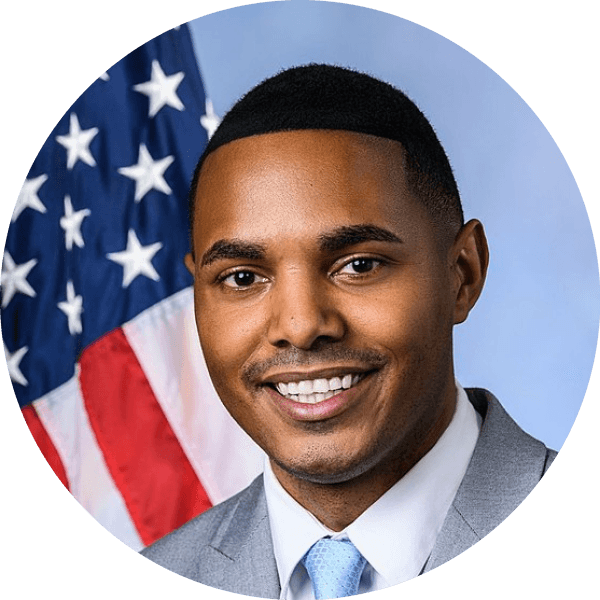
Steven Horsford
Democrat · NV-4
The violence prevention money is written to skip city hall
Why it matters
H.R. 4103 would authorize about $6.5 billion over eight years for street outreach, hospital-based intervention, and youth jobs in the neighborhoods where homicides cluster. The design is the point: no more than 15 percent of the health grant money can go directly to local governments, and a city that does win a grant has to pass at least 75 percent of it to community nonprofits or public agencies that are not law enforcement.
H.R. 4103 builds two funding streams. Health and Human Services would run grants for community violence intervention — outreach workers, hospital-linked programs, crisis response, and wraparound services. The Labor Department would run a separate program, called IMPACT, for job training aimed at people ages 16 to 25 who are neither working nor in school.
The eligibility screen is narrow on purpose. A city generally qualifies only if it recorded 35 or more homicides a year in 2 of the last 3 years, or 20 or more homicides a year plus a homicide rate at least double the national average. HHS could add places it finds have a compelling need relative to other localities in the same state.
What separates this bill from a normal federal grant program is where the money is required to end up. Direct funding to local governments is capped at 15 percent of the annual HHS pot. A city that receives a grant must pass at least 75 percent through to community nonprofits or non-law-enforcement public agencies. A hospital that receives one must send at least 90 percent to community nonprofits, program staff, or individual subcontractors. Nonprofits can apply directly and owe no matching funds.
Grants run four years rather than one, which is the difference between a pilot and a payroll. The federal share of eligible costs is normally 90 percent, and HHS could waive a local government's share entirely for good cause. The bill also creates an Office of Community Violence Intervention inside HHS, an advisory committee, and a National Community Violence Response Center, with administrative costs capped at 5 percent of annual funding.
The bill's findings argue this approach has a track record. They cite a study of Safe Streets Baltimore covering 2007 through 2022 that found a statistically significant 23 percent reduction in nonfatal shootings, and a 2012 University of Pennsylvania study of Chicago-area schools where participants in a youth job program saw a 43 percent drop in violent-crime arrests. The findings also put the national economic cost of gun violence at $557 billion a year — roughly 85 times what this bill would spend over eight years.
Bill Progress
Latest Action · Jun 24, 2025
Referred to the Judiciary, and in addition to the Committee on Education and Workforce, for a period to be subsequently determined by the Speaker, in each case for consideration of such provisions as fall within the jurisdiction of the committee concerned. for review
H.R. 4103 Bill Summary
What H.R. 4103 actually does.
Only the hardest-hit cities can apply
A local government generally qualifies with 35 or more homicides per year in 2 of the last 3 years, or 20 or more per year plus a homicide rate at least double the national average. HHS could also admit places it determines have a compelling need based on high homicide levels relative to other localities in the same state.
Cities are capped at 15 percent, and must pass along 75 percent of what they get
No more than 15 percent of the annual HHS grant money can go directly to units of local government. A city that receives a grant must transfer at least 75 percent of it to community-based nonprofits or to public agencies that are not law enforcement.
Hospitals keep 10 percent of their grant at most
Hospital-based violence intervention programs can receive grants, but at least 90 percent of the award must go to community nonprofits, staff working directly in the program, or individual subcontractors.
Grants last four years, not one
Each HHS grant runs a four-year period. The federal share is normally 90 percent of eligible costs, community-based organizations are exempt from matching entirely, and HHS can waive a local government's match up to 100 percent for good cause.
A separate $1.5 billion for young people out of school and out of work
The Labor Department would run IMPACT grants for people ages 16 to 25 who are not enrolled in education or training and not employed. Grantees must report outcomes including entry into training, employment, school enrollment, unemployment, and median weekly earnings.
A permanent federal home for the work
The bill creates an Office of Community Violence Intervention at HHS, a Community Violence Intervention Advisory Committee, and a National Community Violence Response Center. Administrative costs for the office are capped at 5 percent of annual HHS funding.
Who benefits from H.R. 4103?
Community violence intervention nonprofits
The outreach groups, violence interrupters, and crisis responders already doing this work are the intended destination for most of the money. They can apply directly to HHS, they owe no matching funds, and they are the required recipients of the pass-through from both cities and hospitals.
Young people ages 16 to 25 who are out of school and out of work
The bill calls this group opportunity youth and sets aside $1.5 billion in Labor grants for year-round job training, apprenticeship, and digital skills programs aimed at them.
Residents of cities that clear the homicide threshold
In places meeting the 35-homicide or double-the-national-rate test, funding would arrive in four-year blocks rather than annual pilots, which is what lets a program keep the same staff on the same blocks long enough to build relationships.
Trauma centers and their patients
Hospitals can fund intervention specialists who meet patients recovering from gunshot and assault injuries at the bedside. The bill's findings cite research that patients who received these services were often less likely to be reinjured by violence or convicted of a violent crime than patients who did not.
Who is affected by H.R. 4103?
Mayors and city agencies
Local governments can apply, but the direct share is capped at 15 percent of annual HHS grant money, and 75 percent of any city award has to move on to outside organizations. Cities that expected to administer this money themselves would administer a much smaller slice of it.
Police departments
Law enforcement agencies are excluded from the required pass-through from cities, which must go to nonprofits or non-law-enforcement public agencies. The bill does not cut existing police funding; it directs this new funding elsewhere.
HHS, standing up a program from scratch
The department would have to create a new office, write eligibility rules including what counts as a compelling need, administer four-year grants, and stay inside caps of 5 percent for administration, 8 percent for implementation support and research, and 10 percent for incentive funds.
Workforce providers chasing the Labor grants
Nonprofits, Tribes, apprenticeship programs, workforce boards, community colleges, and local governments can apply, but they take on outcome reporting on training entry, employment, school enrollment, unemployment, and median weekly earnings.
Communities below the homicide threshold
A city with 15 homicides a year does not qualify on the numbers, however concentrated its violence is. Its only route in is a discretionary finding by HHS that it has a compelling need relative to other places in the same state.
Cost & Funding
Authorization
H.R. 4103 authorizes $300 million for HHS in 2026, $500 million in 2027, and $700 million a year from 2028 through 2033 — about $5 billion over eight years — plus $1.5 billion for Labor's IMPACT grants across the same period. Full funding would come to roughly $6.5 billion. Against the $557 billion annual economic cost of gun violence cited in the bill's findings, the entire eight-year authorization is worth a little over four days of that figure.
- The HHS side totals about $5 billion over fiscal years 2026 through 2033.
- The Labor IMPACT program adds $1.5 billion over the same years.
- At the $700 million annual peak, the 15 percent cap means at most $105 million a year can go directly to city governments.
- The federal share of eligible HHS grant costs is normally 90 percent.
- Community-based organizations are exempt from the matching requirement entirely.
- HHS can waive a local government's match up to 100 percent for good cause.
- Up to 10 percent of annual HHS appropriations can be reserved for supplemental incentive funds.
- Up to 8 percent can be reserved for implementation support, training, certification, and independent research.
- Administrative costs for the new HHS office are capped at 5 percent of annual funding.
- An authorization is a ceiling, not a check. Congress would still have to appropriate the money each year.
HR4103 Legislative Journey
House: Committee Action
Jun 24, 2025
Referred to the Committee on the Judiciary, and in addition to the Committee on Education and Workforce, for a period to be subsequently determined by the Speaker, in each case for consideration of such provisions as fall within the jurisdiction of the committee concerned.
About the Sponsor
Steven Horsford
Democrat, Nevada's 4th congressional district · 13 years in Congress
Committees: Ways and Means
View full profile →
Cosponsors (121)
All 121 cosponsors are Democrats. Cosponsors represent 32 states: Alabama, Arizona, California, and 29 more.
Mike Thompson
Democrat · CA
Lucy McBath
Democrat · GA
Robin Kelly
Democrat · IL

Gabe Amo
Democrat · RI

Nanette Barragán
Democrat · CA
Joyce Beatty
Democrat · OH

Wesley Bell
Democrat · MO
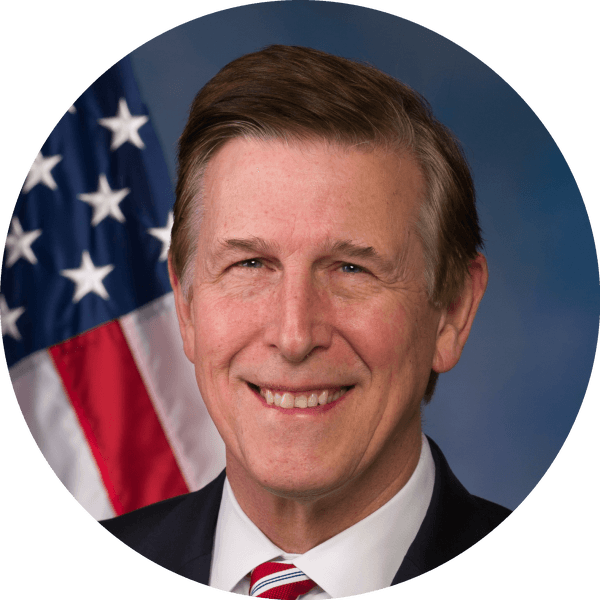
Donald Beyer
Democrat · VA
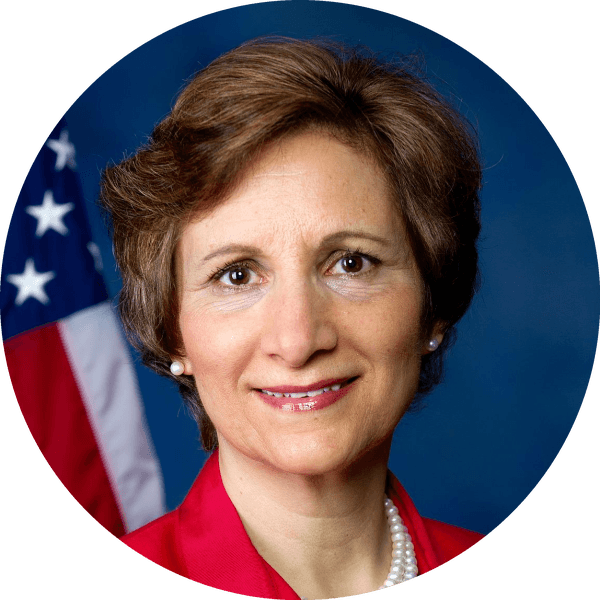
Suzanne Bonamici
Democrat · OR
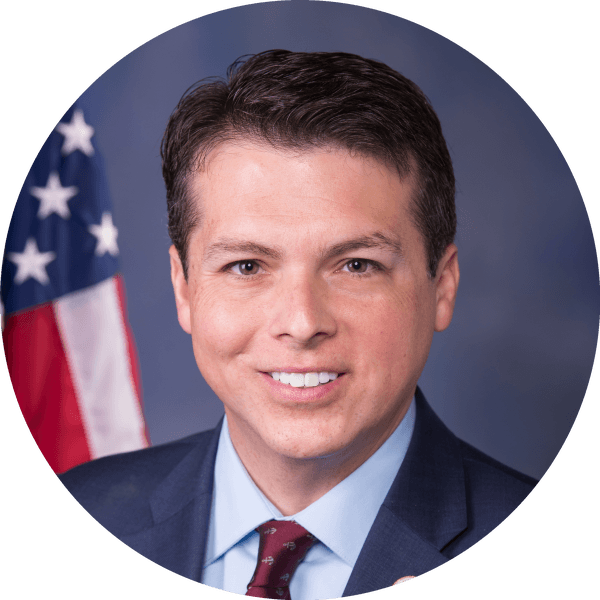
Brendan Boyle
Democrat · PA

Shontel Brown
Democrat · OH
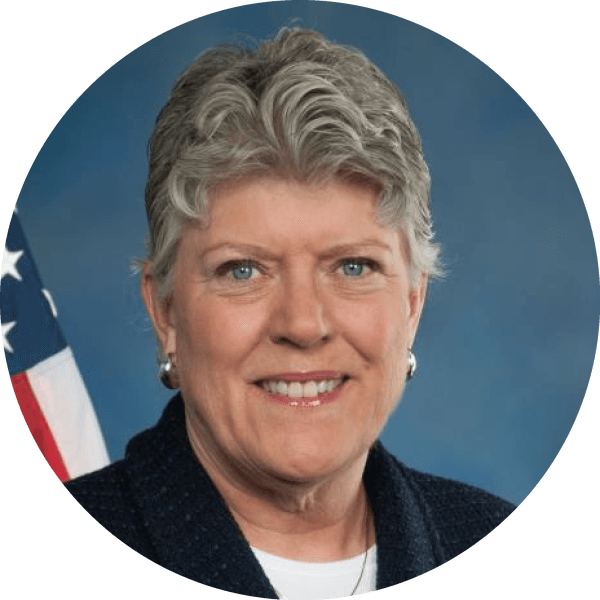
Julia Brownley
Democrat · CA
Cosponsor Coverage Map
Committee Sponsors
Education and Workforce Committee
11 of 37 committee members cosponsored


Judiciary Committee
13 of 44 committee members cosponsored


11 Democrats across these committees haven't cosponsored yet. Mobilize their constituents
H.R. 4103 Quick Facts
- Committee
- Education and Workforce
- Chamber
- House
- Policy
- Crime and Law Enforcement
- Introduced
- Jun 24, 2025
Referred to the Judiciary, and in addition to the Committee on Education and Workforce, for a period to be subsequently determined by the Speaker, in each case for consideration of such provisions as fall within the jurisdiction of the committee concerned. for review
Jun 24, 2025
Official Sources
Official status, full text, cosponsors, and committee referrals for the Break the Cycle of Violence Act.
The as-introduced bill text from the Government Publishing Office, including the findings and every grant cap described here.
The bill's findings cite research presented by the Director of this CDC division on the national economic cost of gun violence.
CDC lists street outreach and hospital-based intervention among evidence-based strategies — the two program types the HHS grants would fund.
CDC's prevention guidance for the community-level violence this bill targets, including the street outreach model at the center of it.
The IMPACT job-training grants would be carried out under section 129(c) of WIOA, codified here — the statute the bill builds the Labor program on.
The existing Labor program for out-of-school youth that the bill's $1.5 billion in IMPACT grants would run alongside.
Federally or State recognized apprenticeship programs are named as entities eligible to seek the bill's IMPACT grants.
H.R. 4103 Common Questions
How much money does H.R. 4103 authorize?
About $6.5 billion if Congress appropriates all of it: roughly $5 billion for HHS violence intervention grants from 2026 through 2033, plus $1.5 billion for Labor Department job grants over the same period.
Which cities qualify for H.R. 4103 grants?
Generally a city with 35 or more homicides a year in 2 of the last 3 years, or 20 or more a year plus a homicide rate at least double the national average. HHS could also admit a place it finds has a compelling need compared with others in the same state.
Does H.R. 4103 take money away from police?
No. It creates new grants rather than cutting existing law enforcement funding. But it directs this money elsewhere: a city that wins a grant must pass at least 75 percent of it to community nonprofits or to public agencies that are not law enforcement.
How much of the money can a city keep?
Not much. Direct awards to local governments are capped at 15 percent of the annual HHS grant pot, and a city that receives one must transfer at least 75 percent onward. Hospitals face a tighter rule and must pass along at least 90 percent.
How long do the grants last?
Four years. That is the provision grant recipients tend to care about most, because it funds staff across multiple budget cycles instead of a single year. The federal share is normally 90 percent of eligible costs.
Who counts as opportunity youth under H.R. 4103?
People who are at least 16 and under 25, and who are neither enrolled in education or training nor employed, full-time or part-time. That group is the target of the bill's $1.5 billion in Labor Department job grants.
What evidence does the bill cite that these programs work?
The bill's findings cite a study of Safe Streets Baltimore covering 2007 to 2022 that found a statistically significant 23 percent reduction in nonfatal shootings, and a 2012 University of Pennsylvania study where Chicago-area youth job program participants saw a 43 percent drop in violent-crime arrests.
Does H.R. 4103 have bipartisan support?
Not so far. Representative Steven Horsford of Nevada introduced it in June 2025 with 121 cosponsors, all of them Democrats. It was referred to the Judiciary Committee and the Education and Workforce Committee and would need clearance from both.
Has H.R. 4103 become law?
No. It was introduced in the House and referred to committee. It would still need committee action, passage by the House and Senate, and the president's signature.
Based on H.R. 4103 bill text
H.R. 4103 Bill Text
“To authorize the Secretary of Health and Human Services to build safer, thriving communities, and save lives, by investing in effective community-based violence reduction initiatives, and for other purposes.”
Source: U.S. Government Publishing Office
Get notified when H.R. 4103 moves
Committee votes, floor action, cosponsor changes — straight to your inbox.
Bill alerts + Legisletter's monthly briefing. Unsubscribe anytime.
Crime and Law Enforcement Bills
9 related bills we're tracking
Crime Victims Fund Stabilization Act of 2025

Received in the Senate and Read twice and referred to the Committee on the Judiciary.
Jan 13, 2026
Bipartisan Background Checks Act of 2025
Referred to the House Committee on the Judiciary.
Jun 10, 2025
Combating Organized Retail Crime Act of 2025
Received in the Senate and Read twice and referred to the Committee on the Judiciary.
May 13, 2026
Ethan's Law

Referred to the House Committee on the Judiciary.
Feb 25, 2025
Assault Weapons Ban of 2025

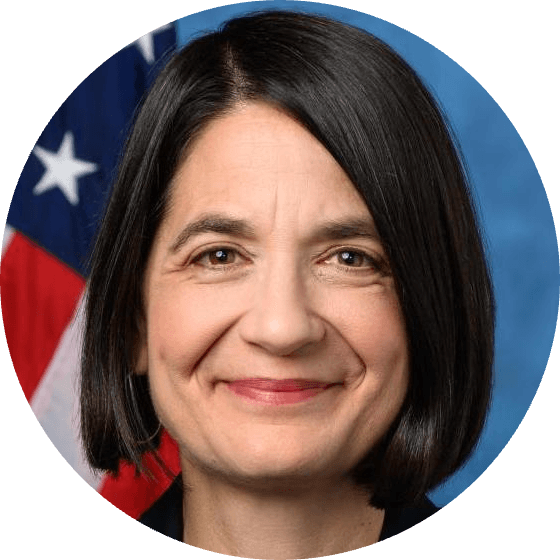
Referred to the House Committee on the Judiciary.
Apr 30, 2025
Constitutional Concealed Carry Reciprocity Act of 2025
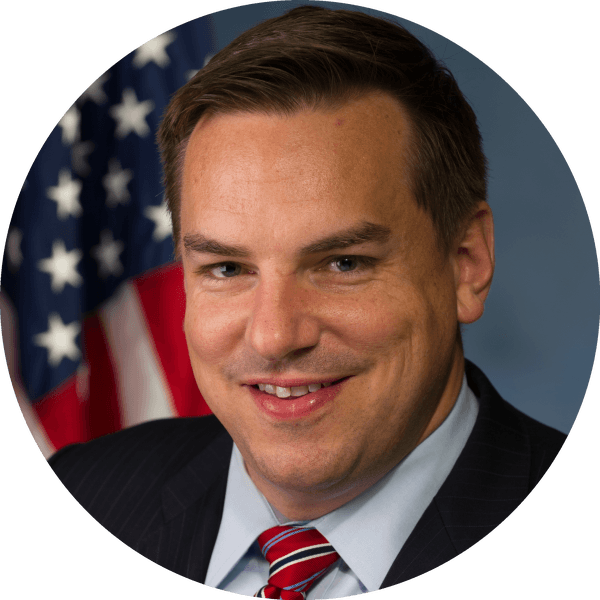

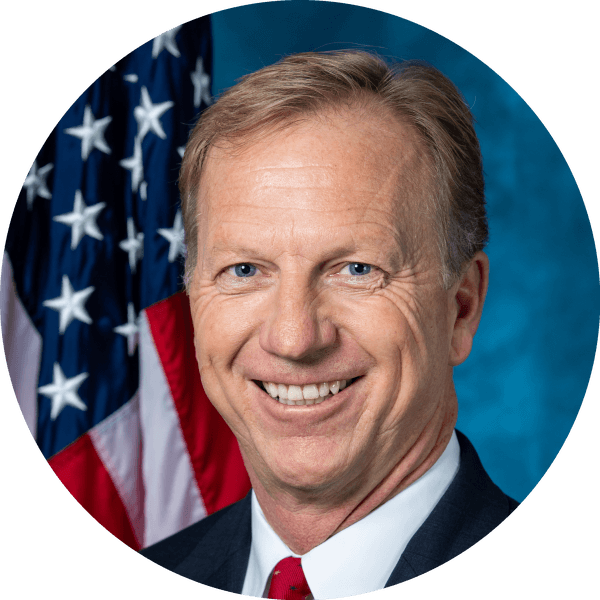
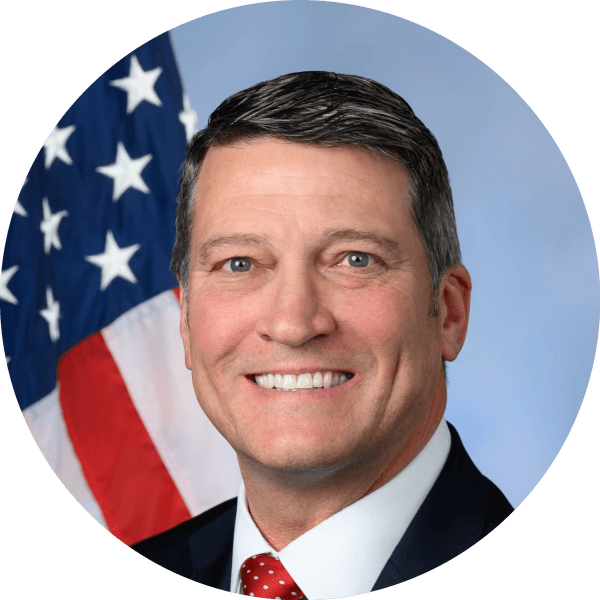
Placed on the Union Calendar, Calendar No. 289.
Oct 3, 2025
Honoring Our Fallen Heroes Act of 2025

Referred to the House Committee on the Judiciary.
Feb 12, 2025
Raise the Age Act of 2025

Referred to the House Committee on the Judiciary.
Mar 26, 2025
Born-Alive Abortion Survivors Protection Act

Received in the Senate and Read twice and referred to the Committee on the Judiciary.
Jan 24, 2025
Trending Right Now
Bills gaining momentum across Congress
Fit to Serve Act

Referred to the House Committee on Armed Services.
May 21, 2025
America’s Olympic and Paralympic Games Commemorative Coins Act



Referred to the House Committee on Financial Services.
Jul 14, 2025
ASAP Act
Ordered to be Reported in the Nature of a Substitute by the Yeas and Nays: 40 - 0.
Sep 16, 2026
Tracking Crime and Law Enforcement in Congress? Monitor bills, track cosponsor momentum, and launch advocacy campaigns — all from one advocacy platform.