H.R. 3258: Parity in Engineering Act
Sponsor
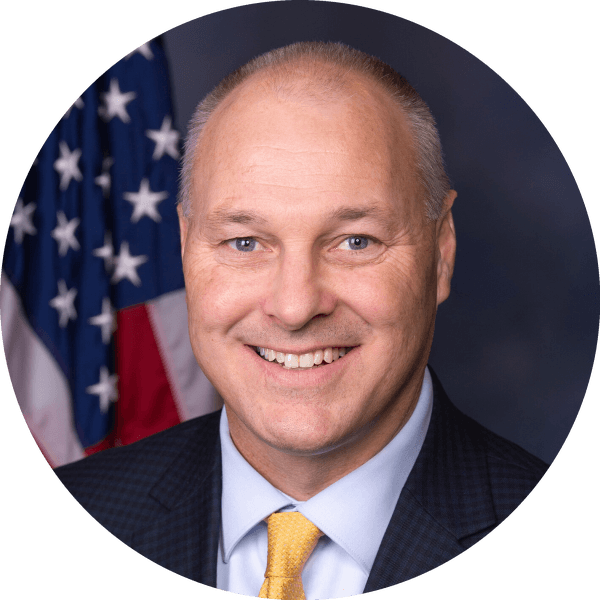
Pete Stauber
Republican · MN-8
Minnesota should play by the same engineering cost rules
Why it matters
Forty-eight states follow one federal rulebook for how engineering firms bill overhead on federally funded highway work. Minnesota and West Virginia are written out of it. H.R. 3258 moves Minnesota back in, so firms designing its federal-aid roads and bridges would have their audited overhead rates accepted without state-imposed caps.
When a state hires engineers, surveyors, or designers for a highway project paid for with federal-aid money, federal law sets the ground rules. Firms are selected the way federal agencies pick architects and engineers — on qualifications. The contracts are then audited using the government-wide cost principles in the Federal Acquisition Regulation.
Those rules also cover overhead. A firm's indirect cost rate — its non-project expenses spread across its billable labor — gets audited once a year by a lead federal or state agency. Every other agency paying with federal highway funds must then accept that rate, apply it without administrative or de facto ceilings, notify the firm before using its cost data, and keep that data confidential.
Minnesota and West Virginia are exempt from those overhead and audit rules. They still pick firms on qualifications, but they don't have to accept another agency's audited rate, and nothing bars them from capping what a firm can recover.
H.R. 3258 deletes Minnesota from that exemption, leaving West Virginia as the only state outside the federal overhead rules. The whole bill is one line: it swaps "the States of West Virginia or Minnesota" for "the State of West Virginia."
For firms, the change means a single audited rate that works in Minnesota the same way it works in Wisconsin or Iowa. For the Minnesota Department of Transportation and local agencies, it means giving up the option to set their own overhead limits on federally funded engineering contracts. Whether that raises what Minnesota pays for design work depends on how far any current limits sit below firms' audited rates.
Bill Progress
Latest Action · May 7, 2025
Assigned to Subcommittee on Highways and Transit. for review
H.R. 3258 Bill Summary
What H.R. 3258 actually does.
Minnesota joins the federal overhead standard
Removes Minnesota from the list of states exempt from the federal cost and audit rules for highway engineering and design contracts. Minnesota agencies spending federal-aid highway funds would follow the same rules as 48 other states.
Audited overhead rates must be accepted
Once the change takes effect, Minnesota agencies would accept a firm's indirect cost rate as established by a lead federal or state auditor for a one-year accounting period, rather than running their own audits, as long as the rate is not in dispute.
No caps on accepted rates
Accepted rates would apply to estimating, negotiating, administering, and paying contracts, without administrative or de facto ceilings — the core of what the exemption currently lets Minnesota avoid.
Firms' cost data stays confidential
Minnesota agencies requesting a firm's cost and rate data would have to notify the firm first and keep that data from competing firms and outside agencies unless the firm agrees in writing.
West Virginia keeps its exemption
The bill leaves West Virginia as the only state named in the exclusion. Qualifications-based selection of engineering firms already applies in both states and is not changed.
Who benefits from H.R. 3258?
Engineering and design firms doing federal-aid work in Minnesota
Civil engineering, surveying, and design firms working on Minnesota's federally funded roads and bridges could bill their full audited overhead rate instead of a rate an agency limits on its own terms.
Firms that work across state lines
A firm with offices in Minnesota and neighboring states would carry one audited rate that every state accepts, instead of maintaining a separate arrangement for Minnesota contracts.
Smaller firms that can't absorb unrecovered overhead
Firms without the scale to spread costs across many clients have the most to gain when every dollar of legitimate overhead can be recovered on public contracts.
Who is affected by H.R. 3258?
Minnesota Department of Transportation
MnDOT would lose the option to set its own overhead limits or audit approach on federally funded engineering contracts and would need to follow federal notice and confidentiality rules for firms' cost data.
Minnesota cities, counties, and local project sponsors
Local agencies that pass federal highway money through to consultants would be bound by the same rate-acceptance rules as the state.
Minnesota taxpayers
If current state limits hold rates below audited levels, engineering costs on federally funded projects could rise. If they don't, little changes. No cost estimate has been published.
West Virginia
Unaffected. West Virginia keeps its exemption and becomes the only state outside the federal overhead rules.
HR3258 Legislative Journey
House: Committee Action
May 7, 2025
Referred to the Subcommittee on Highways and Transit.
About the Sponsor
Pete Stauber
Republican, Minnesota's 8th congressional district · 7 years in Congress
Committees: Small Business, Natural Resources, Transportation and Infrastructure
View full profile →
Cosponsors (3)
This bill has 3 cosponsors: 1 Democrat, 2 Republicans, reflecting bipartisan support. Cosponsors represent 1 state: Minnesota.
Committee Sponsors
Transportation and Infrastructure Committee
0 of 67 committee members cosponsored
No committee members have cosponsored this bill
35 Republicans across this committee haven't cosponsored yet. Mobilize their constituents
H.R. 3258 Quick Facts



- Committee
- Transportation and Infrastructure
- Chamber
- House
- Policy
- Transportation and Public Works
- Introduced
- May 7, 2025
Assigned to Subcommittee on Highways and Transit. for review
May 7, 2025
Official Sources
Official bill page with text, actions, and the four Minnesota sponsors of the Parity in Engineering Act.
The statute the bill amends; subsection (b)(2)(F) currently exempts West Virginia and Minnesota from the federal overhead and audit rules for highway engineering contracts.
Federal Highway Administration guidance on procuring and administering engineering and design contracts on federal-aid highway projects, including indirect cost rates.
FHWA policy requiring engineering firms to certify that the overhead rates they bill on federal-aid highway contracts follow federal cost principles.
The government-wide cost principles used to audit engineering firms' overhead rates, which the bill would require Minnesota agencies to follow.
Minnesota Department of Transportation rules for consultant overhead rate submissions, including the rate caps it applies to consultant contracts.
H.R. 3258 Common Questions
What does the Parity in Engineering Act do?
H.R. 3258 removes Minnesota from an exemption to federal rules on how engineering firms' overhead is audited and paid on federally funded highway contracts. Minnesota would follow the same rules as 48 other states.
What rules is Minnesota exempt from right now?
Minnesota doesn't have to audit engineering contracts under federal cost principles, accept a firm's overhead rate set by a lead auditor, apply that rate without caps, or follow federal notice and confidentiality rules for firms' cost data.
Does Minnesota already pick engineering firms based on qualifications?
Yes. The qualifications-based selection requirement already applies in Minnesota and West Virginia. The exemption only covers the audit and overhead-rate rules, and that's the part H.R. 3258 changes.
What is an indirect cost rate for an engineering firm?
It's a firm's overhead — rent, insurance, software, benefits, training — expressed as a percentage of its direct labor. A rate of 150% means a firm adds $1.50 in overhead for every $1 of engineer time billed to a project.
Why would Minnesota lawmakers want to remove their own state's exemption?
The bill's title points to parity: putting Minnesota engineering firms under the same overhead rules as firms in nearly every other state. All four sponsors represent Minnesota, from both parties.
Does H.R. 3258 affect West Virginia?
No. West Virginia keeps its exemption and would become the only state outside the federal overhead and audit rules for highway engineering contracts.
Would this cost Minnesota more for highway design work?
Possibly. If Minnesota agencies currently hold overhead rates below firms' audited levels, paying the full rate would raise costs. If not, little changes. No official cost estimate has been published.
Where does H.R. 3258 stand in Congress?
It was introduced May 7, 2025, and referred to the House Transportation and Infrastructure Committee's Subcommittee on Highways and Transit, where it has had no further action. Its likeliest path is a surface transportation reauthorization bill.
Based on H.R. 3258 bill text
Full Bill Text
Get notified when H.R. 3258 moves
Committee votes, floor action, cosponsor changes — straight to your inbox.
Bill alerts + Legisletter's monthly briefing. Unsubscribe anytime.
Transportation and Public Works Bills
9 related bills we're tracking
Stronger Communities through Better Transit Act




Referred to the Subcommittee on Highways and Transit.
May 16, 2025
SHIPS for America Act of 2025



Referred to the Subcommittee on Coast Guard and Maritime Transportation.
May 1, 2025
ALERT Act
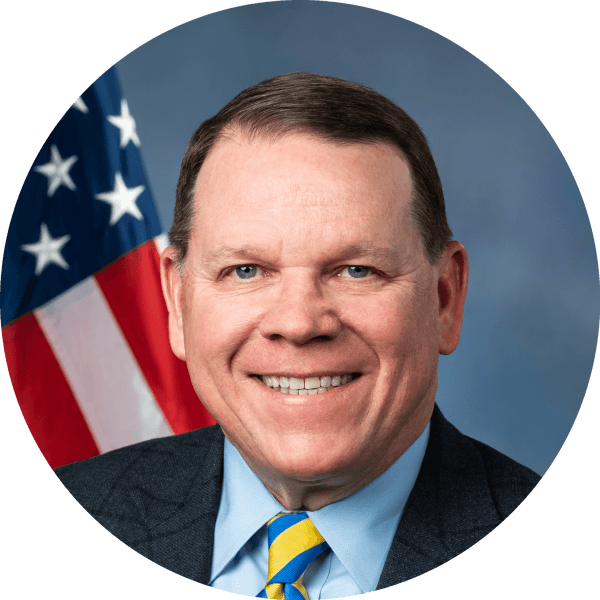
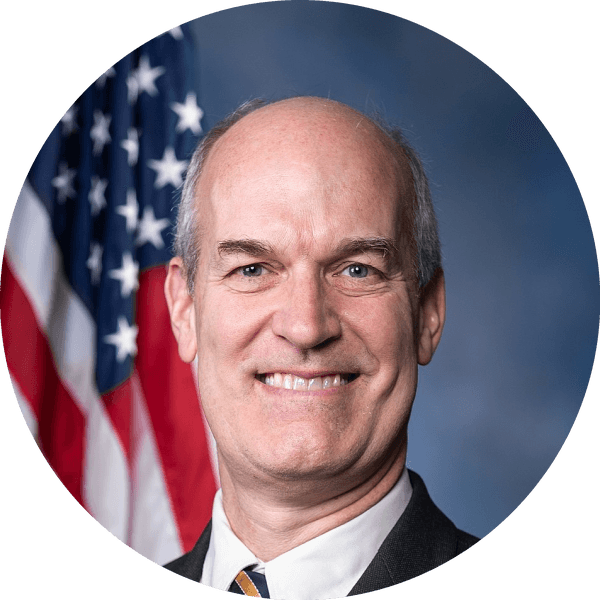


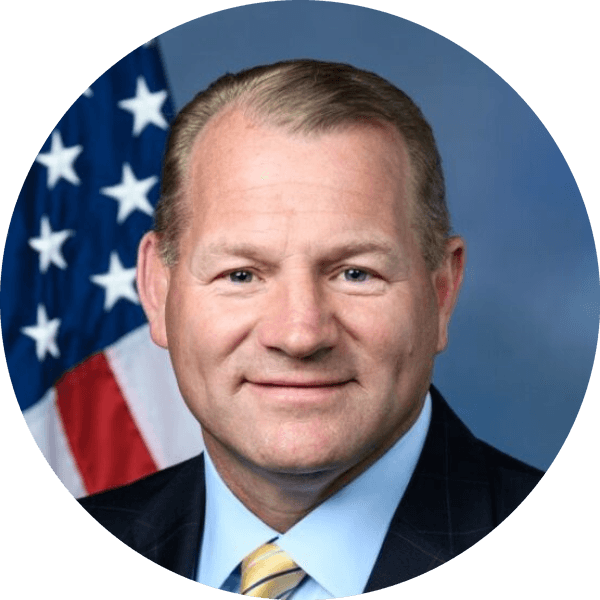
Received in the Senate and Read twice and referred to the Committee on Commerce, Science, and Transportation.
Apr 15, 2026
PART Act
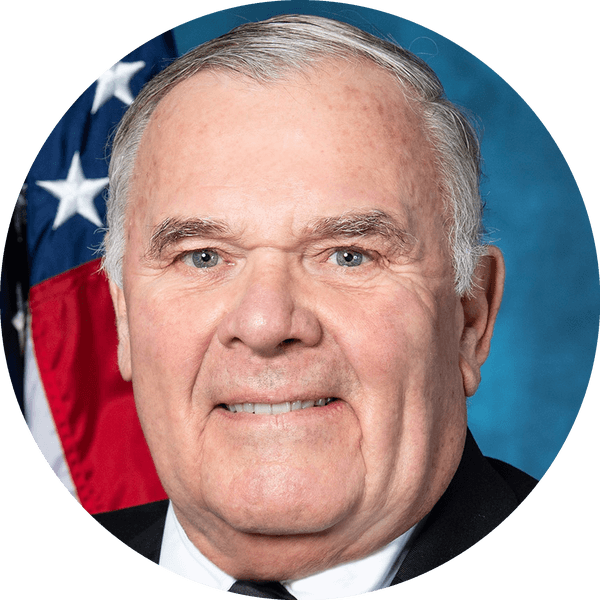



Forwarded by Subcommittee to Full Committee by Voice Vote.
Feb 10, 2026
ROTOR Act





On motion to suspend the rules and pass the bill Failed by the Yeas and Nays: (2/3 required): 264 - 133 (Roll no. 72).
Feb 24, 2026
SELF DRIVE Act of 2026



Forwarded by Subcommittee to Full Committee by the Yeas and Nays: 12 - 11.
Feb 10, 2026
BASICS Act



Referred to the House Committee on Transportation and Infrastructure.
Feb 9, 2026
She DRIVES Act



Placed on Senate Legislative Calendar under General Orders. Calendar No. 141.
Jul 31, 2025
To amend title 23, United States Code, and the Infrastructure Investment and Jobs Act with respect to vehicle roadside crashes, work zone safety, and for other purposes.


Referred to the Subcommittee on Highways and Transit.
Apr 24, 2025
Trending Right Now
Bills gaining momentum across Congress
North Platte Canteen Congressional Gold Medal Act



Referred to the House Committee on Financial Services.
Feb 21, 2025
ASAP Act


Ordered to be Reported in the Nature of a Substitute by the Yeas and Nays: 40 - 0.
Sep 16, 2026
Fit to Serve Act




Referred to the House Committee on Armed Services.
May 21, 2025
Tracking Transportation and Public Works in Congress? Monitor bills, track cosponsor momentum, and launch advocacy campaigns — all from one advocacy platform.