H.R. 2225: Access to Small Business Investor Capital Act
Sponsor
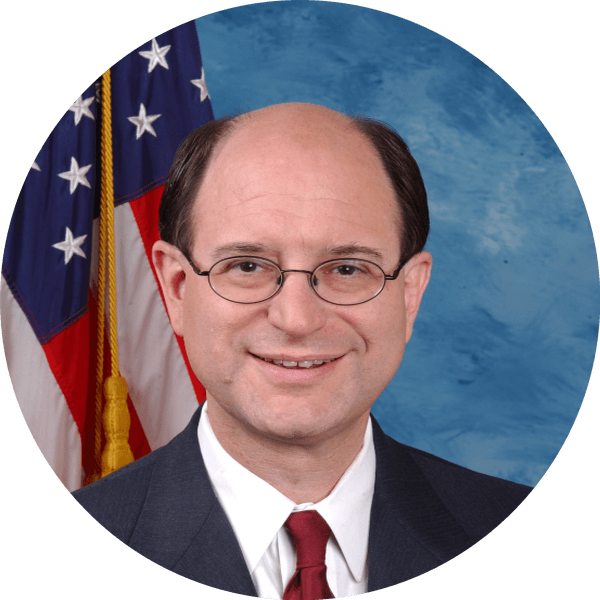
Brad Sherman
Democrat · CA-32
Small-business capital deserves a fairer fund fee label
Why it matters
Three SEC fee tables could show a lower expense figure under H.R. 2225. Funds would be allowed to leave indirect business development company costs out of one calculation, even though those underlying fees would still exist.
If your fund invests through a business development company, its headline fee table could look cheaper even though the underlying BDC expenses still exist. H.R. 2225 would let SEC-registered funds omit those indirect expenses when calculating the line labeled “Acquired Fund Fees and Expenses.”
Using the exclusion would be optional. It would apply across three SEC fee tables used by mutual funds, closed-end funds and certain insurance-related investment accounts, as well as replacement versions of those tables adopted later.
Business development companies provide financing to smaller and mid-sized businesses. By removing their expenses from this one calculation, the proposal could make their shares more attractive to fund managers—but it would not require funds to buy those shares or direct money to any business.
The bill offers no direct funding for small businesses and does not guarantee that funds will invest more in BDCs. Its immediate effect would be a change in how certain investment costs are presented, not what those investments cost.
What to watch
H.R. 2225 has reached the Senate Banking, Housing, and Urban Affairs Committee after advancing through the House. It still needs Senate action and the president’s signature to become law. The central policy question is whether excluding BDC expenses gives investors a more useful picture of a fund’s direct operating costs or makes comparisons less complete. If the bill advances, watch whether senators add separate disclosure requirements so investors can still find the omitted costs.
Bill Progress
Latest Action · Jun 24, 2025
Passed the House, received in Senate
H.R. 2225 Bill Summary
What H.R. 2225 actually does.
Displayed fund expenses can exclude BDC costs
SEC-registered funds could leave fees incurred indirectly through business development company shares out of the displayed Acquired Fund Fees and Expenses calculation. The underlying expenses would not be erased.
Each fund chooses whether to use the exclusion
The proposal would make the reporting change optional. An eligible fund could omit qualifying BDC expenses or continue including them in the calculation.
Three SEC fee tables are covered
The option would apply to fee tables used by mutual funds, closed-end funds and certain insurance-related investment accounts.
Future replacement fee tables remain covered
If the SEC replaces the affected fee tables, the same option would extend to their successors unless Congress or the agency changes the rules.
Who benefits from H.R. 2225?
Funds that invest in business development companies
SEC-registered funds holding BDC shares could report a lower Acquired Fund Fees and Expenses figure by omitting qualifying indirect costs.
Business development companies seeking fund investors
BDCs could become more attractive to fund managers if their indirect expenses no longer increase this displayed fee calculation.
Smaller businesses financed through BDCs
Businesses that rely on BDC financing could benefit if the reporting change attracts more investment. H.R. 2225 does not guarantee that result or provide them with direct funding.
Who is affected by H.R. 2225?
People comparing investment-fund costs
You could encounter a lower displayed expense figure that excludes BDC-related costs. Comparing funds may require checking whether each fund used the optional exclusion and where it reports the omitted expenses.
Fund disclosure and compliance teams
Staff would need to identify qualifying BDC expenses, decide whether to omit them and prepare disclosures that follow SEC requirements.
The Securities and Exchange Commission
The SEC would continue overseeing the three affected fee tables and any later replacements. The bill does not specify a new implementation budget or deadline.
What Congress Is Saying
13 legislators have weighed in on H.R. 2225 — 3 Democrats, 10 Republicans.
Mr. Chair, I rise today in support of the Access to Small Business Investor Capital Act, Section 302 of H.R. 3383 the Increasing Investor Opportunities Act or the INVEST Act. Section 302 of the INVEST Act is identical to my bill H.R. 2225 the Access to Small Business Investor Capital Act, which passed the House of Representatives in June. I want to first thank Ranking Member Waters for her tireless work to protect investors as well as Chairman Hill and Chairwoman Wagner for including my bill in this larger capital markets package. I also want to thank Reps.
H.R. 2225 also appeared in 15 routine cosponsor filings.
HR2225 Legislative Journey
Committee Action
Jun 24, 2025
Received in the Senate and Read twice and referred to the Committee on Banking, Housing, and Urban Affairs.
House: Vote Held
Jun 23, 2025
On motion to suspend the rules and pass the bill, as amended Agreed to by voice vote. (text: CR H2868)
House: Committee Action
Jun 3, 2025
Reported (Amended) by the Committee on Financial Services. H. Rept. 119-126.
House: Vote Held
May 20, 2025
Ordered to be Reported (Amended) by Voice Vote.
House: Committee Action
Mar 18, 2025
Referred to the House Committee on Financial Services.
About the Sponsor
Brad Sherman
Democrat, California's 32nd congressional district · 29 years in Congress
Committees: Financial Services, Foreign Affairs
View full profile →
Cosponsors (25)
This bill has 25 cosponsors: 16 Democrats, 9 Republicans, reflecting bipartisan support. Cosponsors represent 17 states: California, Colorado, Connecticut, and 14 more.

Bill Huizenga
Republican · MI

Andrew Garbarino
Republican · NY

Janelle Bynum
Democrat · OR

David Scott
Democrat · GA
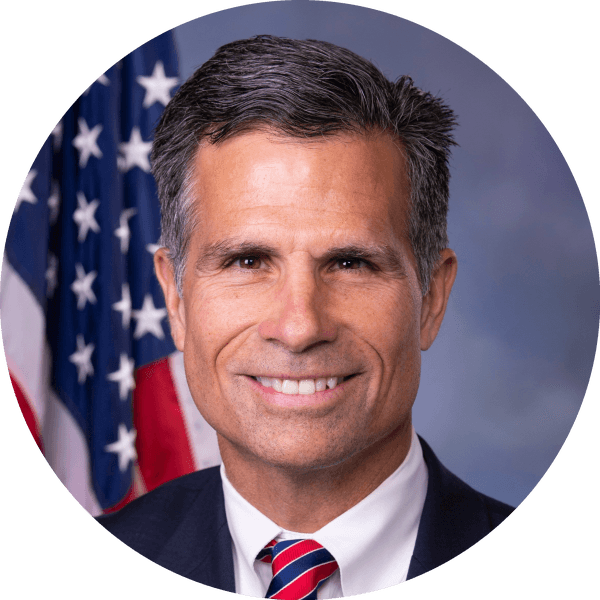
Daniel Meuser
Republican · PA
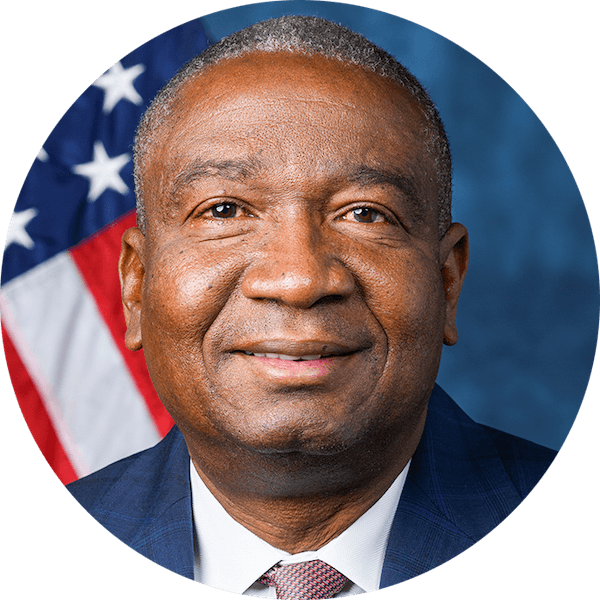
CLEO FIELDS
Democrat · LA

Brian Fitzpatrick
Republican · PA

Marilyn Strickland
Democrat · WA

Bryan Steil
Republican · WI

Brendan Boyle
Democrat · PA

Andy Barr
Republican · KY
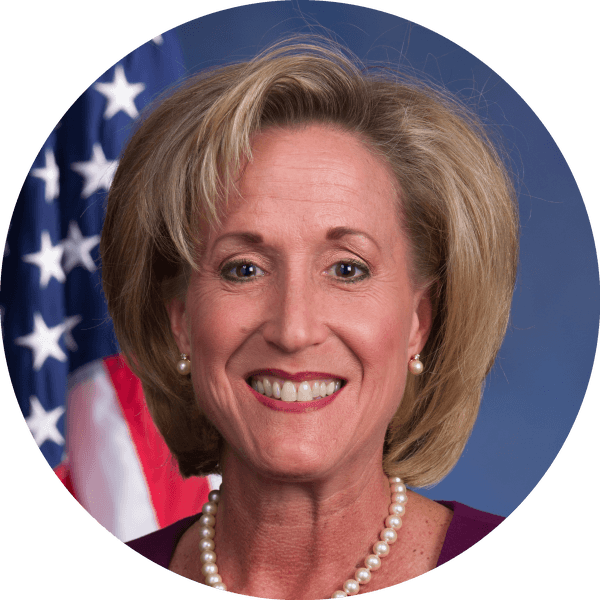
Ann Wagner
Republican · MO
Committee Sponsors
Banking, Housing, and Urban Affairs Committee
0 of 24 committee members cosponsored
No committee members have cosponsored this bill
Financial Services Committee
20 of 54 committee members cosponsored


23 Democrats across these committees haven't cosponsored yet. Mobilize their constituents
H.R. 2225 Quick Facts
- Committee
- Banking, Housing, and Urban Affairs
- Chamber
- House
- Policy
- Finance and Financial Sector
- Introduced
- Mar 18, 2025
Passed the House, received in Senate
Jun 24, 2025
Official Sources
Congress.gov provides the bill text, legislative actions, sponsors, committees, and current status of the Access to Small Business Investor Capital Act.
The official House report explains the bill's purpose, provisions, committee consideration, and expected effects on acquired fund fee reporting.
GovInfo provides the authenticated reported version of H.R. 2225 containing the proposed definitions and fee-table amendments.
Form N-1A contains the fee-table disclosure requirements used by mutual funds and is one of the three SEC forms expressly covered by H.R. 2225.
Form N-2 contains disclosure requirements for closed-end investment companies and is one of the fee-table forms addressed by the bill.
Form N-3 governs registration statements for certain separate accounts offering variable annuity contracts and is the third fee-table form named in H.R. 2225.
The SEC's official overview describes the federal statute under which registered investment companies and business development companies are regulated.
The SEC's investor education site explains how fund fees and expenses affect investors, providing context for the fee-table calculation changed by the bill.
H.R. 2225 Common Questions
What would H.R. 2225 change for investment funds?
It would let SEC-registered funds omit indirect business development company costs from the displayed Acquired Fund Fees and Expenses calculation.
Will H.R. 2225 make my investment fund cheaper?
Not by itself. The bill changes how qualifying BDC expenses may be displayed, but it does not eliminate those expenses or require funds to reduce what investors pay.
Would funds have to exclude BDC expenses?
No. The exclusion would be optional, so each eligible fund could decide whether to use it.
Which investment funds could use the new fee calculation?
SEC-registered investment companies filing the covered fee tables could use it. That includes forms used by mutual funds, closed-end funds and certain insurance-related accounts.
What is a business development company?
A BDC is an investment company that finances smaller and mid-sized businesses, often through loans or equity investments. H.R. 2225 focuses on funds that own BDC shares.
Could H.R. 2225 make fund costs harder to compare?
Potentially. Two funds could treat BDC expenses differently because the exclusion is optional. Investors may need to check whether each fund used it and where any omitted costs appear.
Does H.R. 2225 give money directly to small businesses?
No. It authorizes no grants, loans or direct investments. Any benefit would be indirect if the reporting change encourages funds to invest more through BDCs.
What is the status of H.R. 2225?
It is not law. After advancing through the House, H.R. 2225 was referred to the Senate Banking, Housing, and Urban Affairs Committee.
Based on H.R. 2225 bill text
H.R. 2225 Bill Text
“To permit a registered investment company to omit certain fees from the calculation of Acquired Fund Fees and Expenses, and for other purposes.”
Source: U.S. Government Publishing Office
Get notified when H.R. 2225 moves
Committee votes, floor action, cosponsor changes — straight to your inbox.
Bill alerts + Legisletter's monthly briefing. Unsubscribe anytime.
Finance and Financial Sector Bills
9 related bills we're tracking
America’s Olympic and Paralympic Games Commemorative Coins Act




Referred to the House Committee on Financial Services.
Jul 14, 2025
761st Tank Battalion Congressional Gold Medal Act


Referred to the Committee on Financial Services, and in addition to the Committee on House Administration, for a period to be subsequently determined by the Speaker, in each case for consideration of such provisions as fall within the jurisdiction of the committee concerned.
Feb 26, 2025
Taxpayer Data Protection Act



Sponsor introductory remarks on measure. (CR H625-626)
Feb 11, 2025
Repealing Big Brother Overreach Act



Placed on the Union Calendar, Calendar No. 609.
Jun 18, 2026
Rosie the Riveter Commemorative Coin Act




Referred to the House Committee on Financial Services.
Jan 15, 2025
HELPER Act of 2025


Referred to the House Committee on Financial Services.
Mar 14, 2025
Anti-CBDC Surveillance State Act





Motion to reconsider laid on the table Agreed to without objection.
Jul 17, 2025
Protecting Privacy in Purchases Act



Received in the Senate and Read twice and referred to the Committee on Banking, Housing, and Urban Affairs.
Jul 15, 2026
Homebuyers Privacy Protection Act



Became Public Law No: 119-36.
Sep 5, 2025
Trending Right Now
Bills gaining momentum across Congress
North Platte Canteen Congressional Gold Medal Act




Referred to the House Committee on Financial Services.
Feb 21, 2025
Ensuring Lasting Smiles Act




Referred to the Committee on Energy and Commerce, and in addition to the Committees on Education and Workforce, and Ways and Means, for a period to be subsequently determined by the Speaker, in each case for consideration of such provisions as fall within the jurisdiction of the committee concerned.
May 8, 2025
Dismantle Foreign Scam Syndicates Act


Received in the Senate and Read twice and referred to the Committee on Foreign Relations.
Nov 19, 2026
Tracking Finance and Financial Sector in Congress? Monitor bills, track cosponsor momentum, and launch advocacy campaigns — all from one advocacy platform.