H.R. 1505: Public Safety Employer-Employee Cooperation Act
Sponsor
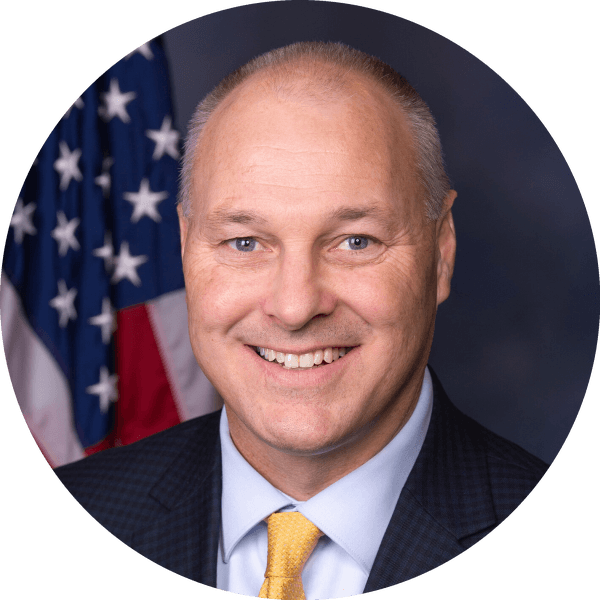
Pete Stauber
Republican · MN-8
Your right to bargain shouldn't end at the state line
Why it matters
Police officers, firefighters and paramedics in every state, D.C. and the U.S. territories would be guaranteed the right to unionize, bargain over pay and hours, and send deadlocked talks to binding arbitration. States that already meet that bar keep their own laws. States that don't get federal rules in about two years.
H.R. 1505, the Public Safety Employer-Employee Cooperation Act, covers state and local law enforcement officers, firefighters and emergency medical workers, from EMTs and paramedics to other out-of-hospital first responders. It reaches every state, the District of Columbia and the U.S. territories.
The bill starts with a review, not a mandate. Within 180 days, the Federal Labor Relations Authority, the independent agency that already handles union matters for federal employees, must decide whether each state's law gives public safety workers five things: the right to form and join a union, recognition of a union chosen by a majority of workers with agreements put in writing, bargaining over wages, hours and working conditions, binding arbitration when talks deadlock, and enforcement through a state agency or court.
States that already provide those rights, or stronger ones, keep their own laws untouched. When a union and an employer both tell the agency their state's law measures up, the bill directs the agency to give that agreement as much weight as it practically can. Either side can challenge a determination in a federal appeals court within 60 days.
States that fall short get a deadline. The agency must write federal bargaining rules within one year, and they take effect on the later of two years after enactment or the end of the state's next regular legislative session, a window for lawmakers to fix their own law first. In a state that doesn't act, a federal agency would run union elections, settle bargaining disputes and hear unfair labor practice complaints for local police, fire and EMS departments.
A state can also land in between. If its law covers firefighters but not police, for example, the federal rules apply only to the groups left out.
Much stays in state hands. Right-to-work laws remain enforceable, so no one can be required to join or pay a union. States need not require bargaining over pensions, retirement or health benefits, can require a legislature to approve contracts, and can exempt towns with fewer than 5,000 residents or fewer than 25 full-time employees. Existing contracts and union certifications stay valid.
The bill also bars strikes, sickouts, slowdowns and lockouts that would measurably disrupt emergency services in order to force a contract, while leaving state laws on public safety strikes in place.
Bill Progress
Latest Action · Feb 21, 2025
Referred to the House Committee on Education and Workforce.
H.R. 1505 Bill Summary
What H.R. 1505 actually does.
Every state's labor law gets a federal review
Within 180 days of enactment, the Federal Labor Relations Authority decides whether each state substantially provides the required bargaining rights, weighing input from employers and unions. A state can ask for a new ruling after a material change in its law, which the agency must issue within 30 days. Any party can appeal a ruling to a federal appeals court within 60 days.
Five rights become the national floor
To pass, a state must guarantee public safety workers the right to form and join a union; majority recognition with agreements in writing; bargaining over wages, hours and working conditions; binding arbitration to resolve an impasse; and enforcement through a state agency or a court.
Federal rules fill the gap after about two years
The agency must issue bargaining rules within one year. In a state that falls short, they take effect on the later of two years after enactment or the end of the state's first regular legislative session after the determination. If a state covers some groups but not others, the rules apply only to the uncovered groups.
A federal agency could run local union elections
Where federal rules apply, the Federal Labor Relations Authority defines bargaining units, runs union elections, resolves good-faith bargaining disputes, hears unfair labor practice complaints, reviews arbitration awards, and protects each worker's right to join a union or stay out of one. Parties can sue in federal district court to enforce its orders; for state employees, only the agency can enforce.
Right-to-work and benefit limits survive
States keep their right-to-work laws, need not require bargaining over pensions, retirement or health benefits, and can require legislative approval of contracts. They may also exempt local governments with fewer than 5,000 residents or fewer than 25 full-time employees.
Strikes that disrupt emergency response are barred
Employers, workers and unions may not use a lockout, sickout, slowdown, strike or other organized job action that would measurably disrupt emergency services to force contract terms. State laws on public safety strikes are not preempted.
Existing contracts stay in force
Union certifications, recognitions, election results, contracts and memoranda of understanding in effect the day before enactment remain valid.
Who benefits from H.R. 1505?
Firefighters, police and paramedics in states with no bargaining law
If your state gives public safety workers no legal right to bargain, the bill creates one, with a federal agency to back it up if lawmakers don't act within about two years.
First responders stuck in stalled contract talks
Binding arbitration means a neutral arbitrator settles an impasse instead of talks dragging on without a deadline or a resolution.
Officers serving as acting supervisors
If you're temporarily moved into a supervisory or command role, you stay covered for the length of the assignment. Only permanent supervisors and managers are excluded.
Workers who want to stay out of a union
Right-to-work laws remain enforceable, and the federal agency is directed to protect each worker's right to refrain from union activity without penalty.
Who is affected by H.R. 1505?
States without public safety bargaining laws
Legislatures would need to pass a law meeting the federal floor, or accept federal bargaining rules administered by the Federal Labor Relations Authority.
City, county and state public safety employers
Employers in covered states would have to recognize majority-chosen unions, bargain in good faith, put agreements in writing and accept binding arbitration when talks deadlock, which can set wage and staffing terms their budgets must absorb.
Permanent supervisors, managers and confidential staff
These employees are outside the bill's coverage, so not everyone in a police, fire or EMS department would gain bargaining rights.
Small towns and rural districts
States may exempt jurisdictions with fewer than 5,000 residents or fewer than 25 full-time employees, so coverage in rural areas depends on each state's choice.
Unions weighing a job action
Strikes, sickouts and slowdowns that would measurably disrupt emergency services to win a contract are barred, on top of any state strike ban already in place.
HR1505 Legislative Journey
House: Committee Action
Feb 21, 2025
Referred to the House Committee on Education and Workforce.
About the Sponsor
Pete Stauber
Republican, Minnesota's 8th congressional district · 7 years in Congress
Committees: Small Business, Natural Resources, Transportation and Infrastructure
View full profile →
Cosponsors (66)
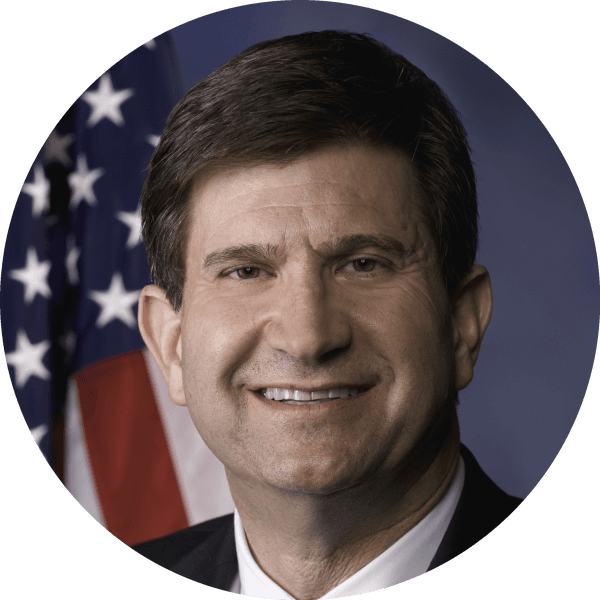
This bill has 66 cosponsors: 56 Democrats, 10 Republicans, reflecting bipartisan support. Cosponsors represent 24 states: California, Colorado, Connecticut, and 21 more.
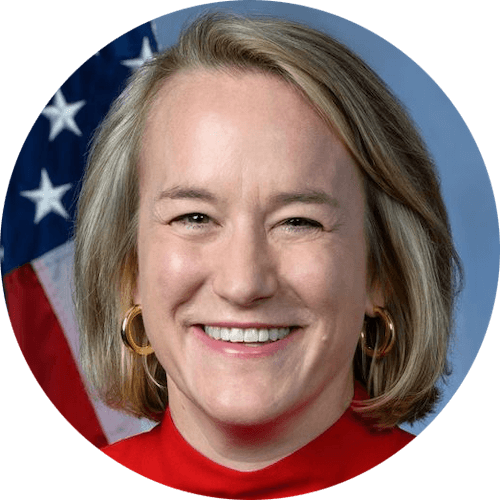
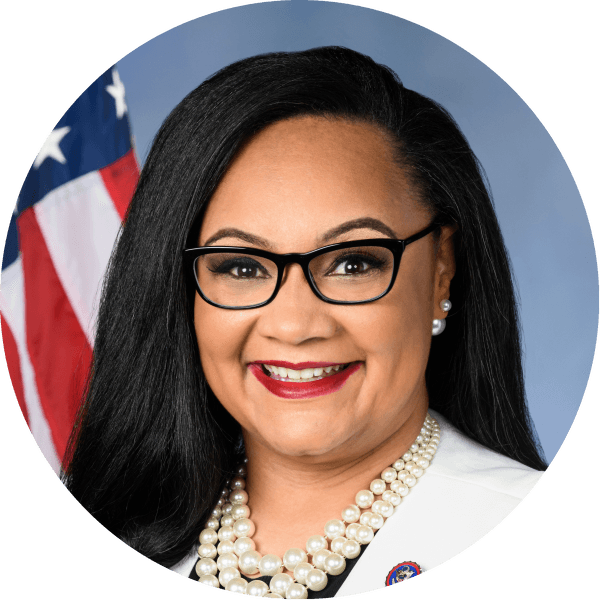
Nikki Budzinski
Democrat · IL
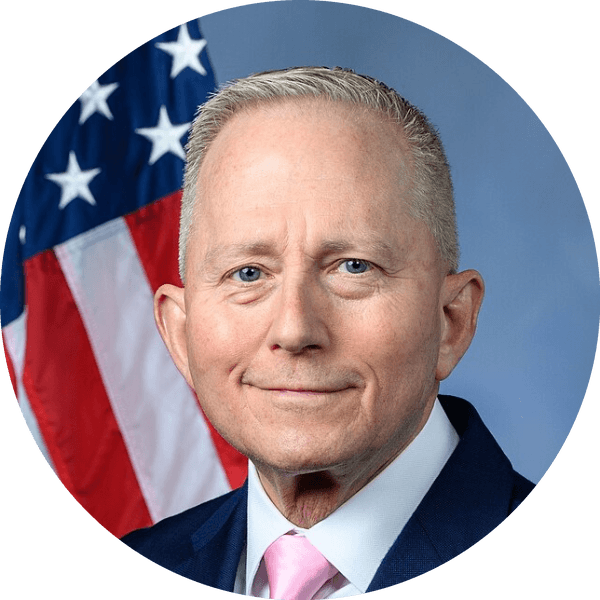
Jefferson Van Drew
Republican · NJ
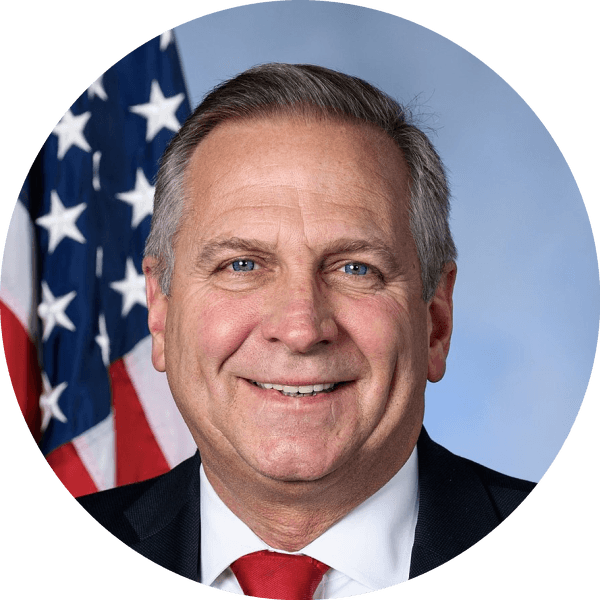
Mike Bost
Republican · IL

Jared Golden
Democrat · ME
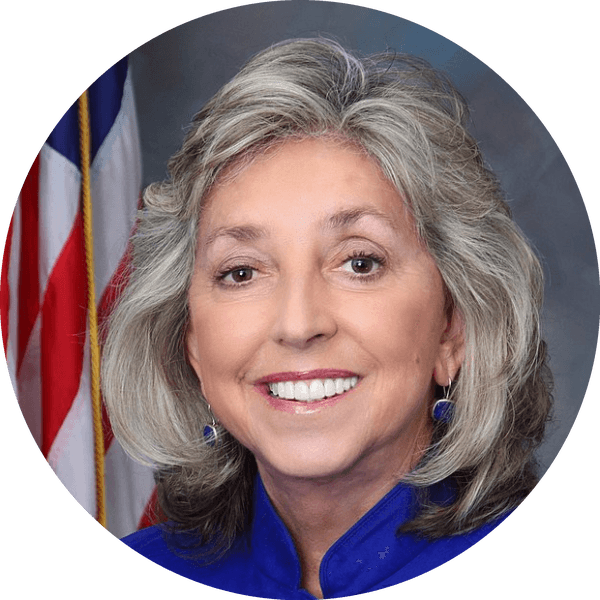
Dina Titus
Democrat · NV

Thomas Kean
Republican · NJ

Brittany Pettersen
Democrat · CO
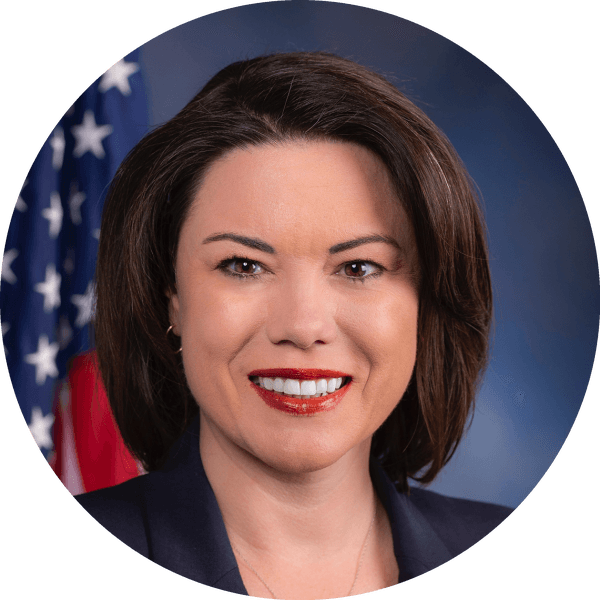
Angie Craig
Democrat · MN
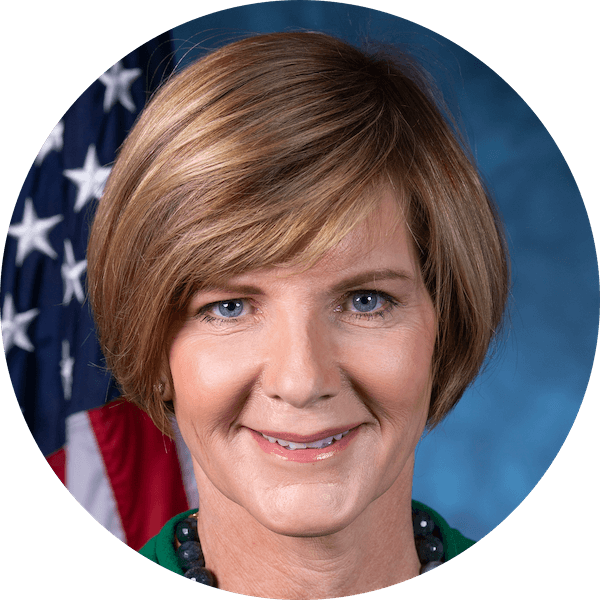
Susie Lee
Democrat · NV

Eric Sorensen
Democrat · IL
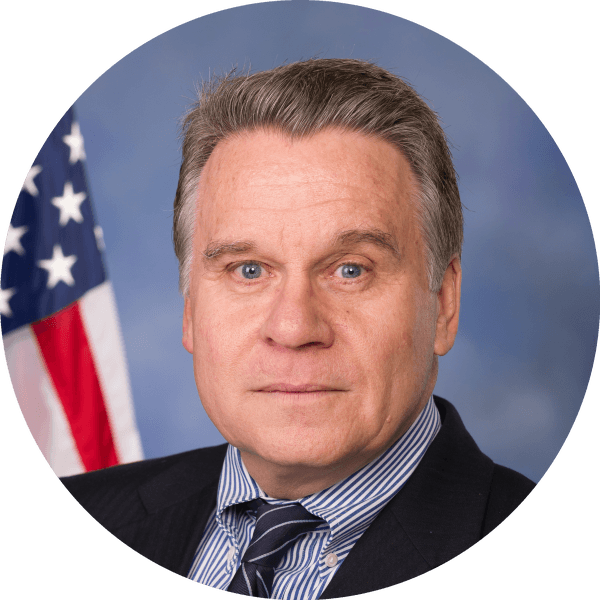
Christopher Smith
Republican · NJ
Bradley Schneider
Democrat · IL
Committee Sponsors
Education and Workforce Committee
2 of 37 committee members cosponsored


20 Republicans across this committee haven't cosponsored yet. Mobilize their constituents
H.R. 1505 Quick Facts
- Committee
- Education and Workforce
- Chamber
- House
- Policy
- Labor and Employment
- Introduced
- Feb 21, 2025
Referred to the House Committee on Education and Workforce.
Feb 21, 2025
Official Sources
The official bill record, with full text, cosponsors and the February 2025 referral to the House Education and Workforce Committee.
The Government Publishing Office edition of the introduced bill, for reading the exact statutory language.
The three-member body the bill charges with reviewing every state's law and, where states fall short, running union elections and settling bargaining disputes.
How the agency handles unfair labor practice complaints today for federal workers, the same kind of case it would hear for local police, fire and EMS departments in non-compliant states.
The existing federal-employee bargaining law that created the FLRA and defines the powers the bill would extend to state and local public safety workers.
The federal roster of labor arbitrators used for grievance and interest arbitration, the tool the bill makes mandatory when contract talks deadlock.
Federal data showing protective service occupations and local government have among the highest union membership rates in the country.
The bill's findings cite public safety officers' role in this Homeland Security framework for coordinating emergency response.
H.R. 1505 Common Questions
What does H.R. 1505 do?
It sets a national minimum of collective bargaining rights for police officers, firefighters and EMS workers employed by states and local governments. States that already meet it keep their own laws; states that don't get federal rules.
Who is covered by H.R. 1505?
State and local law enforcement officers, firefighters, and EMS personnel such as EMTs and paramedics. Workers temporarily assigned to supervisory roles stay covered. Permanent supervisors, managers and confidential employees are excluded.
When would H.R. 1505 take effect in my state?
The Federal Labor Relations Authority has 180 days after enactment to review your state's law. If it falls short, federal rules kick in on the later of two years after enactment or the end of the state's next regular legislative session.
Would H.R. 1505 override right-to-work laws?
No. States can keep right-to-work laws, so no one could be required to join or pay a union. States also wouldn't have to require bargaining over pensions, retirement or health benefits.
Could police and firefighters strike under H.R. 1505?
No. It bars strikes, sickouts, slowdowns and lockouts that would measurably disrupt emergency services to force a contract. State laws on public safety strikes stay in place.
What is binding arbitration for first responders?
When contract talks deadlock, a neutral arbitrator decides the disputed terms and both sides must accept the result. H.R. 1505 makes it one of the five rights every state must provide.
What happens to existing union contracts?
They stay valid. Contracts, memoranda of understanding, union certifications and election results in effect before the bill becomes law are not invalidated.
Are small towns exempt from H.R. 1505?
Only if their state chooses. States may exempt local governments with fewer than 5,000 residents or fewer than 25 full-time employees.
Based on H.R. 1505 bill text
H.R. 1505 Bill Text
“To provide collective bargaining rights for public safety officers employed by States or their political subdivisions, and for other purposes.”
Source: U.S. Government Publishing Office
Get notified when H.R. 1505 moves
Committee votes, floor action, cosponsor changes — straight to your inbox.
Bill alerts + Legisletter's monthly briefing. Unsubscribe anytime.
Labor and Employment Bills
9 related bills we're tracking
Protect America's Workforce Act
Received in the Senate.
Dec 15, 2025
Paycheck Fairness Act

Referred to the Committee on Education and Workforce, and in addition to the Committee on Oversight and Government Reform, for a period to be subsequently determined by the Speaker, in each case for consideration of such provisions as fall within the jurisdiction of the committee concerned.
Mar 25, 2025
Richard L. Trumka Protecting the Right to Organize Act of 2025


Referred to the House Committee on Education and Workforce.
Mar 5, 2025
FAMILY Act
Referred to the House Committee on Ways and Means.
Sep 16, 2025
Public Service Freedom to Negotiate Act of 2025


Referred to the House Committee on Education and Workforce.
Apr 8, 2025
Raise the Wage Act of 2025

Referred to the House Committee on Education and Workforce.
Apr 8, 2025
American Franchise Act

Placed on the Union Calendar, Calendar No. 702.
Sep 8, 2026
Healthy Families Act

Referred to the Committee on Education and Workforce, and in addition to the Committees on House Administration, and Oversight and Government Reform, for a period to be subsequently determined by the Speaker, in each case for consideration of such provisions as fall within the jurisdiction of the committee concerned.
Feb 12, 2026
Asunción Valdivia Heat Illness, Injury, and Fatality Prevention Act of 2025


Referred to the House Committee on Education and Workforce.
Jul 16, 2025
Trending Right Now
Bills gaining momentum across Congress
North Platte Canteen Congressional Gold Medal Act



Referred to the House Committee on Financial Services.
Feb 21, 2025
America’s Olympic and Paralympic Games Commemorative Coins Act


Referred to the House Committee on Financial Services.
Jul 14, 2025
Fit to Serve Act

Referred to the House Committee on Armed Services.
May 21, 2025
Tracking Labor and Employment in Congress? Monitor bills, track cosponsor momentum, and launch advocacy campaigns — all from one advocacy platform.