S. 4039: Professional Degree Access Restoration Act
Sponsor

Angela Alsobrooks
Democrat · MD
Grad school shouldn’t depend on a private lender’s approval
Why it matters
Since July 1, 2026, new graduate and professional students can no longer take out Grad PLUS loans, and their federal borrowing is capped at $20,500 a year for most graduate programs and $50,000 for professional degrees like medicine and law. S. 4039 would undo those limits and put federal loans back within reach of the full cost of attendance.
The 2025 budget reconciliation law, Public Law 119-21, rewrote how graduate students pay for school. Starting July 1, 2026, it ended Grad PLUS loans for new borrowers — the federal loans that let graduate and professional students borrow up to the full cost of attendance — and put new annual and lifetime caps on the unsubsidized loans that remain. Students already enrolled before that date were given a temporary grandfather period.
S. 4039 would erase the June 30, 2026 end date and strike the new graduate and professional loan caps, restoring federal borrowing to the rules that applied before the 2025 law. The bill’s own title describes this as reversing “the reductions in Federal loan availability for graduate and professional students.”
The rest of the bill is cleanup. Because it deletes a whole block of the loan statute, the remaining provisions get renumbered and their cross-references updated. The temporary grandfather rule for students enrolled before July 2026 is also shortened, since there would be no new limits to be grandfathered out of.
The bill is short — a single substantive section — and sets no dollar figure of its own. Its effect is measured by what it removes: the ceiling on how much a graduate or professional student can borrow from the federal government.
Bill Progress
Latest Action · Mar 10, 2026
Read twice and Referred to Health, Education, Labor, and Pensions. for review
S. 4039 Bill Summary
What S. 4039 actually does.
Grad PLUS loans come back
The bill deletes the June 30, 2026 end date on federal PLUS loans for graduate and professional students, so new borrowers could again take out Grad PLUS loans. It also removes the words “and federal direct plus loans” from the heading that currently terminates them.
The new borrowing caps are repealed
The bill strikes the annual and aggregate limits that the 2025 law set for graduate and professional students — $20,500 a year for most graduate students and $50,000 a year for professional students under current law.
Graduate loan rules revert to the 2012 baseline
The long-standing rule that applied to graduate borrowing for periods of instruction beginning on or after July 1, 2012 becomes the governing rule again, with no end date attached.
The grandfather clause is simplified
The temporary exception that let students enrolled before July 2026 keep the old rules is cut down to a single line, since the limits it was shielding them from would no longer exist.
Technical renumbering
The remaining loan provisions are renumbered and their internal cross-references updated so the statute still reads correctly after the repeal. This has no effect on borrowers.
Who benefits from S. 4039?
Medical, dental, and pharmacy students
Programs where annual cost of attendance routinely exceeds the $50,000 professional-student cap. Under the bill, federal loans could again cover the full budgeted cost instead of leaving a gap to fill privately.
Master’s and doctoral students
Students in social work, nursing, public health, and other graduate programs are currently held to $20,500 a year. The bill lifts that cap and restores Grad PLUS for the difference.
Students without strong credit or a cosigner
Private student lenders underwrite on credit history and often require a cosigner. Federal loans do not, and they carry income-driven repayment and forgiveness options private loans generally lack.
Graduate and professional schools
Medical schools, law schools, and health-professions programs that rely on federal loans to make enrollment financially possible for students without family wealth.
Who is affected by S. 4039?
Students who started after July 1, 2026
The first class of new borrowers under the caps. Their loan options would change mid-program if the bill became law.
Students in the grandfather period
Those enrolled before July 2026 are temporarily under the old rules. The bill would make those rules permanent instead of letting them expire.
Federal taxpayers
Restoring uncapped graduate borrowing means more federal lending. The 2025 law’s supporters argued the caps would reduce federal loan exposure and pressure schools to hold down tuition; reversing them gives up those projected savings.
Private student lenders
The caps pushed graduate borrowers above the limits toward private loans. Restoring Grad PLUS would shrink that new market.
U.S. Department of Education
Would resume originating Grad PLUS loans to new borrowers and administer graduate lending without the new annual and aggregate limits.
S4039 Legislative Journey
Committee Action
Mar 10, 2026
Read twice and referred to the Committee on Health, Education, Labor, and Pensions.
About the Sponsor
Angela Alsobrooks
Democrat, MD · 1 years in Congress
Committees: Senate Special Committee on Aging, Environment and Public Works, Banking, Housing, and Urban Affairs
View full profile →
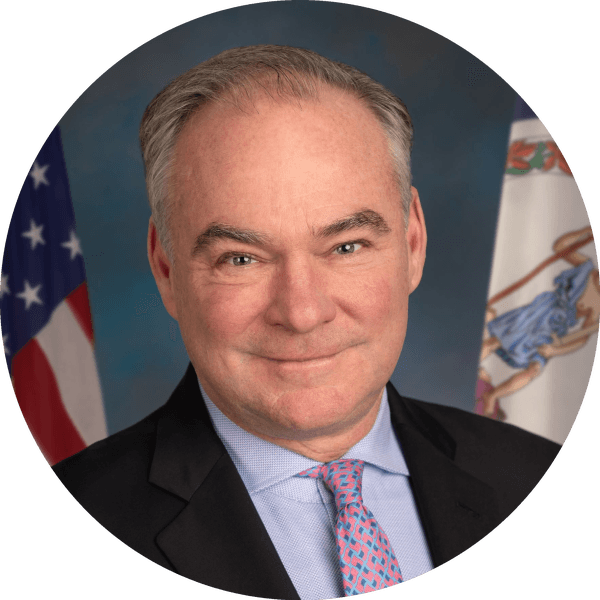
Cosponsors (17)
All 17 cosponsors are Democrats. Cosponsors represent 13 states: California, Connecticut, Delaware, and 10 more.

Chris Van Hollen
Democrat · MD
Timothy Kaine
Democrat · VA

Tammy Duckworth
Democrat · IL

Ron Wyden
Democrat · OR

Andy Kim
Democrat · NJ

Maria Cantwell
Democrat · WA

Tina Smith
Democrat · MN

Amy Klobuchar
Democrat · MN

Richard Blumenthal
Democrat · CT

Edward Markey
Democrat · MA

Jeff Merkley
Democrat · OR

Ben Luján
Democrat · NM
Committee Sponsors


7 Democrats across this committee haven't cosponsored yet. Mobilize their constituents
S. 4039 Quick Facts
- Committee
- Health, Education, Labor, and Pensions
- Chamber
- Senate
- Policy
- Education
- Introduced
- Mar 10, 2026
Read twice and Referred to Health, Education, Labor, and Pensions. for review
Mar 10, 2026
Official Sources
Official bill page for the Professional Degree Access Restoration Act with status, text, sponsor, and cosponsors.
The 2025 reconciliation law that ended Grad PLUS for new borrowers and set the graduate and professional loan caps S. 4039 would reverse.
Section 455(a) of the Higher Education Act, the statute S. 4039 amends, including the Grad PLUS termination and the July 2026 graduate loan limits.
Department of Education guidance on the new graduate and professional loan limits, Grad PLUS eligibility, and the interim exception for students enrolled before July 1, 2026.
Federal Student Aid training session for financial aid offices on the statutory elimination of Grad PLUS and the new loan caps.
The committee where S. 4039 was referred and currently sits.
S. 4039 Common Questions
Are Grad PLUS loans ending?
For new borrowers, they already have. The 2025 budget law stopped new Grad PLUS loans starting July 1, 2026. S. 4039 would remove that end date and make Grad PLUS available to graduate and professional students again.
How much can graduate students borrow in federal loans now?
Under the 2025 law, most graduate students can borrow up to $20,500 a year in federal unsubsidized loans, and professional students up to $50,000 a year, with lifetime caps on top. S. 4039 would repeal those limits.
Does S. 4039 help medical and law students?
Yes. Medical, dental, law, and other professional students fall under the $50,000 annual cap, which often falls short of cost of attendance. The bill would lift that cap and restore Grad PLUS to cover the full budgeted cost.
I started grad school before July 2026. Does this bill affect me?
Students enrolled before July 1, 2026 are temporarily grandfathered under the old rules for a limited period. S. 4039 would make the old rules permanent for everyone, so the grandfather period would no longer matter.
Why do the new caps push students toward private loans?
If your program costs more than the federal cap, the difference has to come from savings, family, or a private lender. Private loans usually require good credit or a cosigner and lack income-driven repayment and federal forgiveness options.
Does S. 4039 change interest rates or repayment plans?
No. The bill only changes how much graduate and professional students can borrow and whether Grad PLUS is available. Interest rates, fees, and repayment plans are left as they are under current law.
Will S. 4039 pass?
It faces long odds as a standalone bill. It sits in the Senate HELP Committee with 17 cosponsors, all Democrats, while the Republican majority that passed the caps in 2025 controls the agenda. A future education or budget package is the likelier vehicle.
Based on S. 4039 bill text
Full Bill Text
Get notified when S. 4039 moves
Committee votes, floor action, cosponsor changes — straight to your inbox.
Bill alerts + Legisletter's monthly briefing. Unsubscribe anytime.
Education Bills
9 related bills we're tracking
Safe Schools Improvement Act




Referred to the House Committee on Education and Workforce.
Mar 3, 2025
IDEA Full Funding Act





Referred to the House Committee on Education and Workforce.
Apr 2, 2025
Tyler Clementi Higher Education Anti-Harassment Act of 2025




Referred to the House Committee on Education and Workforce.
Sep 18, 2025
REDI Act



Referred to the House Committee on Education and Workforce.
Mar 11, 2025
Department of Education Protection Act





Referred to the House Committee on Education and Workforce.
Jan 15, 2025
Expanding Access to Mental Health Services in Schools Act of 2025

Referred to the House Committee on Education and Workforce.
Jun 30, 2025
Holocaust Education and Antisemitism Lessons Act




Referred to the House Committee on Education and Workforce.
Jan 28, 2025
American Teacher Act




Referred to the House Committee on Education and Workforce.
Mar 10, 2025
Rebuild America’s Schools Act of 2026



Referred to the Committee on Education and Workforce, and in addition to the Committee on Ways and Means, for a period to be subsequently determined by the Speaker, in each case for consideration of such provisions as fall within the jurisdiction of the committee concerned.
Feb 4, 2026
Trending Right Now
Bills gaining momentum across Congress
North Platte Canteen Congressional Gold Medal Act



Referred to the House Committee on Financial Services.
Feb 21, 2025
ASAP Act





Ordered to be Reported in the Nature of a Substitute by the Yeas and Nays: 40 - 0.
Sep 16, 2026
Fit to Serve Act


Referred to the House Committee on Armed Services.
May 21, 2025
Tracking Education in Congress? Monitor bills, track cosponsor momentum, and launch advocacy campaigns — all from one advocacy platform.