S. 233: Restoring Confidence in the World Anti-Doping Agency Act of 2025
Sponsor

Marsha Blackburn
Republican · TN
Fix the global doping watchdog, or lose U.S. money
Why it matters
S. 233 gives U.S. officials 90 days to judge whether the World Anti-Doping Agency has cleaned up how it's run, and the power to withhold up to 100% of America's dues if it hasn't. It's a bipartisan move to turn U.S. funding into leverage over WADA's governance, conflict-of-interest rules, and whether American athletes get a real vote.
S. 233 puts the Office of National Drug Control Policy in charge of pushing for changes at the World Anti-Doping Agency, working alongside the U.S. Anti-Doping Agency, the U.S. Olympic and Paralympic Committee, and the Team USA Athletes' Commission.
The core of the bill is a deadline. Within 90 days of becoming law, ONDCP has to decide whether WADA clears three bars: a credible, independent governance model with fair U.S. representation, fully implemented governance reforms including real conflict-of-interest rules, and decision-making roles for independent athletes from the U.S. and other democratic countries.
If the answer is no, two things follow. ONDCP has to deliver a report within 180 days laying out exactly what's blocking fair U.S. representation. And after checking in with the relevant committees of Congress, it can voluntarily withhold up to the full amount of U.S. membership dues to WADA.
The bill also draws a tight line around who counts as an "independent athlete." To qualify, an Olympic or Paralympic athlete can't serve in any capacity with the IOC, the International Paralympic Committee, a recognized international federation, the U.S. Olympic and Paralympic Committee, or WADA itself. The idea is to seat voices that aren't already part of the existing power structure.
One more guardrail: at least 30 days before any U.S. money goes out the door to WADA, ONDCP has to send congressional appropriators a spending plan explaining where the funds are headed.
Bill Progress
Latest Action · Feb 23, 2026
Placed on Senate floor schedule under General Orders. Calendar No. 340.
S. 233 Bill Summary
What S. 233 actually does.
WADA faces a 90-day pass-or-fail verdict
Within 90 days of enactment, ONDCP must determine whether WADA meets the bill's standards on independent governance, completed reforms, and athlete representation.
The U.S. can hold back every dollar of dues
If ONDCP finds WADA falls short, it may voluntarily withhold up to the full amount of U.S. membership dues after consulting the relevant committees of Congress.
Independent athletes get pushed toward real voting seats
The bill directs ONDCP to press for independent athletes from the U.S. and other democratic countries to hold decision-making roles on WADA's Executive Committee, Foundation Board, and committees.
Conflict-of-interest rules expand across WADA leadership
The bill calls on WADA to fully implement conflict-of-interest policies covering its Executive Committee, Foundation Board, advisory groups, standing committees, special committees, and working groups.
A failing grade triggers a 180-day report
If ONDCP determines WADA doesn't meet the standards, it must issue a report within 180 days describing the barriers to fair U.S. participation and representation.
Congress gets 30 days' notice before payments go out
Before any U.S. funds are obligated to WADA, ONDCP must send Senate and House appropriators a spending plan and explanation at least 30 days in advance.
Who benefits from S. 233?
Clean U.S. athletes competing internationally
Athletes who test clean and rely on credible enforcement could benefit if the pressure campaign tightens WADA's governance and strengthens safeguards against what the bill describes as systemic doping fraud.
Independent U.S. and Paralympic athletes
Athletes outside the existing Olympic, Paralympic, federation, and WADA power structure are the ones the bill wants seated in decision-making roles inside the global anti-doping system.
USADA and Team USA athlete representatives
The U.S. Anti-Doping Agency and the Team USA Athletes' Commission would have to be consulted before major U.S. decisions on WADA, giving athlete-facing institutions a formal voice in the process.
Members of Congress overseeing sports funding
Lawmakers would get a spending plan 30 days before WADA payments go out and a clear trigger for when the U.S. might stop paying dues.
Who is affected by S. 233?
The World Anti-Doping Agency
WADA would face direct U.S. pressure on governance, conflict-of-interest rules, and athlete representation, backed by the prospect that some or all American dues could be withheld.
The Office of National Drug Control Policy
ONDCP would carry the core work: consulting the key sports bodies, making the 90-day determination, preparing any 180-day report, and managing payments and advance notices to Congress.
The U.S. Olympic and Paralympic Committee
The committee would be part of the required consultation, though the bill's definition of an independent athlete excludes anyone serving with the committee from that category.
Athletes tied to sports governing bodies
The bill says athletes serving in any capacity with the IOC, the International Paralympic Committee, a recognized international federation, the U.S. Olympic and Paralympic Committee, or WADA are not counted as independent athletes.
S233 Legislative Journey
Committee Action
Feb 23, 2026
Committee on Commerce, Science, and Transportation. Reported by Senator Cruz with an amendment in the nature of a substitute. With written report No. 119-111.
Passed Committee
Jun 25, 2025
Committee on Commerce, Science, and Transportation. Ordered to be reported with an amendment in the nature of a substitute favorably.
Committee Action
Jan 23, 2025
Read twice and referred to the Committee on Commerce, Science, and Transportation.
About the Sponsor
Marsha Blackburn
Republican, TN · 23 years in Congress
Committees: Joint Economic Committee, Veterans' Affairs, Commerce, Science, and Transportation
View full profile →
Cosponsors (6)
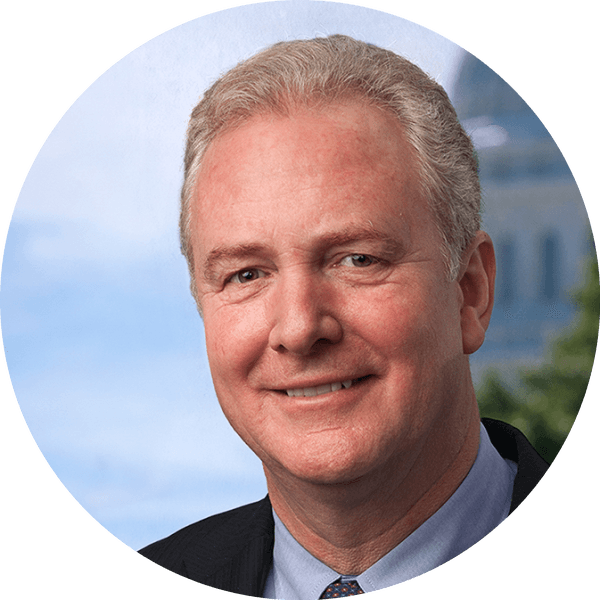
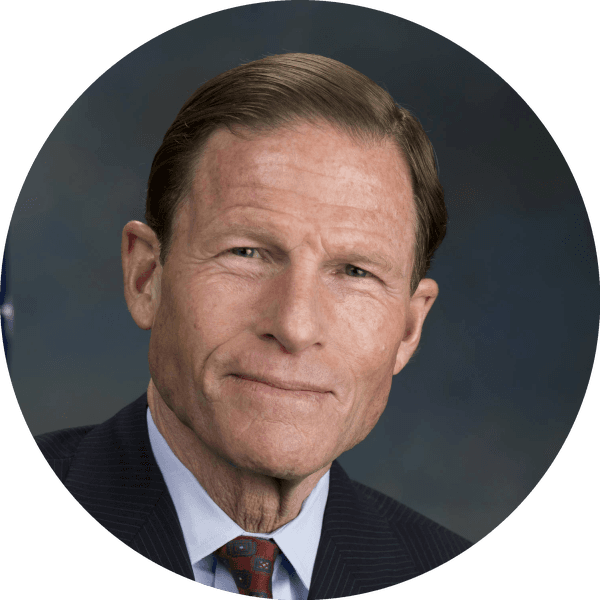
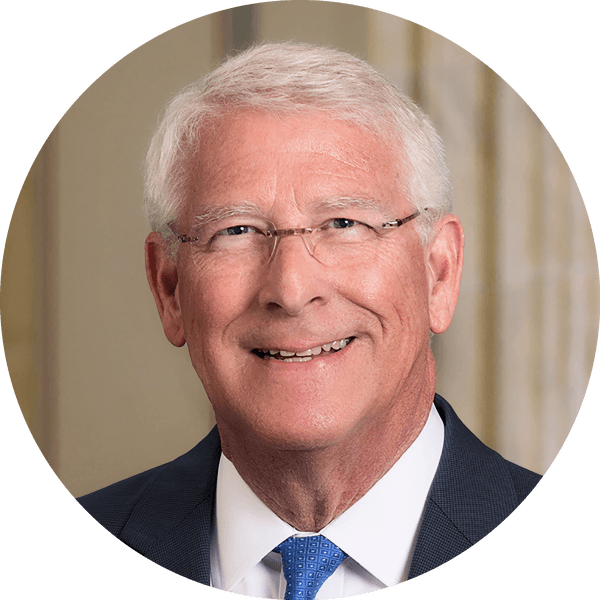
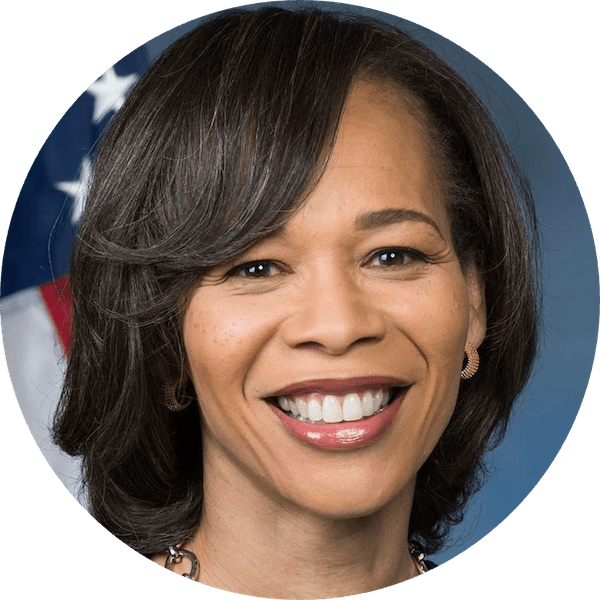
This bill has 6 cosponsors: 4 Democrats, 2 Republicans, reflecting bipartisan support. Cosponsors represent 6 states: Connecticut, Delaware, Maryland, and 3 more.
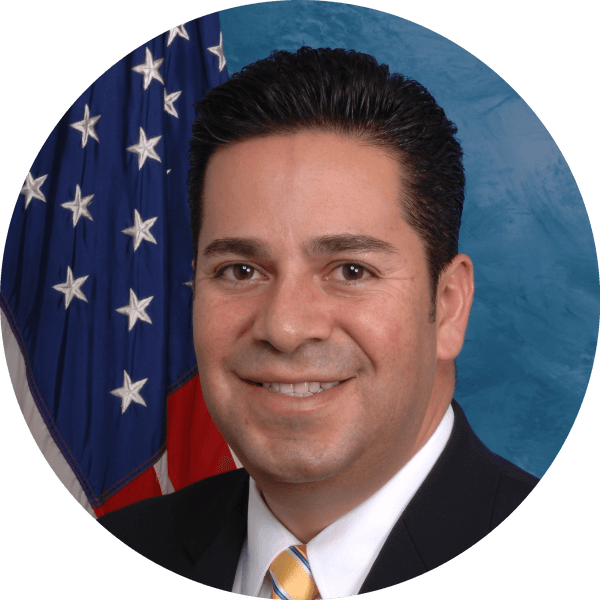
Committee Sponsors
Commerce, Science, and Transportation Committee
4 of 28 committee members cosponsored


13 Republicans across this committee haven't cosponsored yet. Mobilize their constituents
S. 233 Quick Facts

- Committee
- Commerce, Science, and Transportation
- Chamber
- Senate
- Policy
- Sports and Recreation
- Introduced
- Jan 23, 2025
Placed on Senate floor schedule under General Orders. Calendar No. 340.
Feb 23, 2026
Official Sources
Official Congress.gov page for the bill, including status, text, sponsors, and actions.
The Committee on Commerce, Science, and Transportation's official report explaining the reported version of S. 233 and the dues-withholding mechanism.
ONDCP is the federal office this bill tasks with reviewing WADA, consulting stakeholders, reporting to Congress, and deciding whether to withhold dues.
The committee that reported S. 233 favorably; its Consumer Protection subcommittee is one of the panels ONDCP must consult before withholding WADA dues.
The bill amends Section 701 of the ONDCP Reauthorization Act, codified at 21 U.S.C. 2001, which designates the U.S. Anti-Doping Agency and is the core statutory backdrop for the measure.
This chapter establishes the United States Olympic and Paralympic Committee, which the bill references when defining consultation roles and independent athletes.
The bill specifically cites 36 U.S.C. 220501(b)(1) regarding the U.S. Olympic and Paralympic Committee's legal status and definitions.
S. 233 Common Questions
Can S. 233 stop U.S. payments to WADA entirely?
Yes. If ONDCP decides WADA fails the bill's standards, it can voluntarily withhold up to 100% of U.S. membership dues, after consulting the relevant committees of Congress.
How fast would WADA have to pass the U.S. review?
Fast. S. 233 gives ONDCP 90 days after the bill becomes law to decide whether WADA meets its standards on governance, completed reforms, and athlete representation.
What happens if ONDCP decides WADA falls short?
Two things. ONDCP can withhold dues, and it must issue a report within 180 days laying out the barriers to fair U.S. participation and representation at WADA.
Would U.S. athletes get more power inside WADA?
That's the goal. The bill directs ONDCP to push for independent athletes from the U.S. and other democratic countries to hold decision-making roles on WADA's top bodies.
Who counts as an "independent athlete" under S. 233?
An Olympic or Paralympic athlete who doesn't serve, in any capacity, with the IOC, the International Paralympic Committee, a recognized international federation, the U.S. Olympic and Paralympic Committee, or WADA.
Which U.S. groups have to be consulted before major WADA decisions?
ONDCP must consult the U.S. Anti-Doping Agency, the U.S. Olympic and Paralympic Committee, and the Team USA Athletes' Commission.
Does Congress get advance notice before money goes to WADA?
Yes. ONDCP would have to send House and Senate appropriators a spending plan at least 30 days before obligating any funds to WADA.
Is this bill about doping rules or about who runs the system?
Mostly who runs it. S. 233 targets WADA's leadership, conflict rules, and athlete representation, and ties U.S. dues to whether those changes happen.
Based on S. 233 bill text
S. 233 Bill Text
“To amend the Office of National Drug Control Policy Reauthorization Act of 2006 to modify the authority of the Office of National Drug Control Policy with respect to the World Anti-Doping Agency, and for other purposes.”
Source: U.S. Government Publishing Office
Get notified when S. 233 moves
Committee votes, floor action, cosponsor changes — straight to your inbox.
Bill alerts + Legisletter's monthly briefing. Unsubscribe anytime.
Sports and Recreation Bills
5 related bills we're tracking
Miracle on Ice Congressional Gold Medal Act
Became Public Law No: 119-53.
Dec 12, 2025
Protection of Women in Olympic and Amateur Sports Act of 2026
Placed on the Union Calendar, Calendar No. 423.
Feb 17, 2026
Fair Play for Women Act

Referred to the House Committee on Education and Workforce.
Feb 11, 2025
SCORE Act


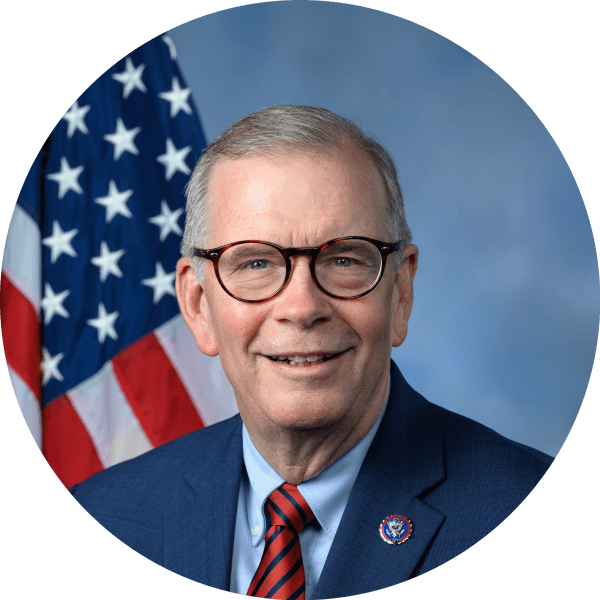
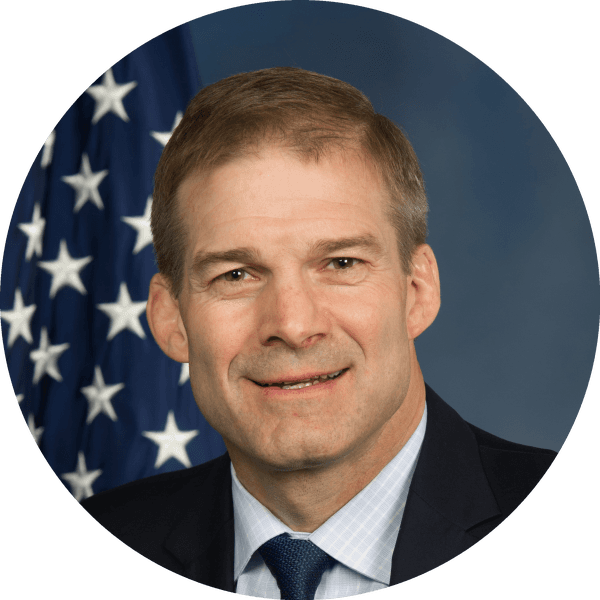
Rules Committee Resolution H. Res. 916 Reported to House. Rule provides for consideration of H.R. 4312, H.R. 1005, H.R. 1049, H.R. 1069, H.R. 2965 and H.R. 4305. The resolution provides for consideration of H.R. 4312, H.R. 1005, H.R. 1049, H.R. 1069, H.R. 2965, and H.R. 4305 under a closed rule with one hour of general debate and one motion to recommit on each bill.
Dec 1, 2025
Muhammad Ali American Boxing Revival Act of 2026
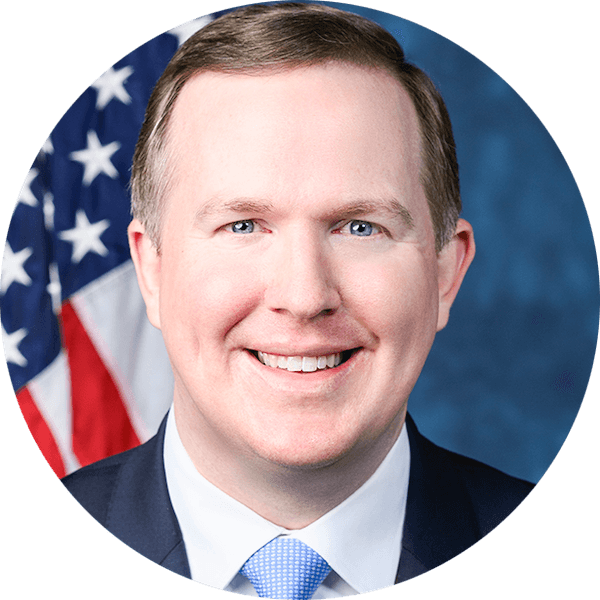
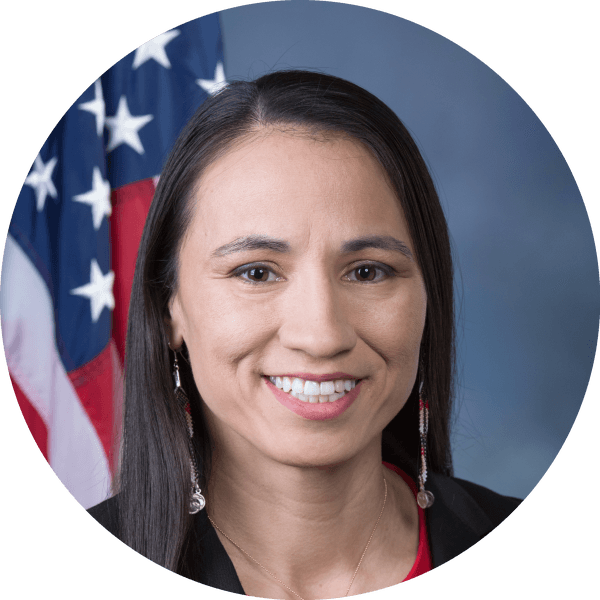
Received in the Senate and Read twice and referred to the Committee on Commerce, Science, and Transportation.
Mar 25, 2026
Trending Right Now
Bills gaining momentum across Congress
ASAP Act





Ordered to be Reported in the Nature of a Substitute by the Yeas and Nays: 40 - 0.
Sep 16, 2026
Fit to Serve Act





Referred to the House Committee on Armed Services.
May 21, 2025
America’s Olympic and Paralympic Games Commemorative Coins Act


Referred to the House Committee on Financial Services.
Jul 14, 2025
Tracking Sports and Recreation in Congress? Monitor bills, track cosponsor momentum, and launch advocacy campaigns — all from one advocacy platform.