H.R. 4312: SCORE Act
Sponsor

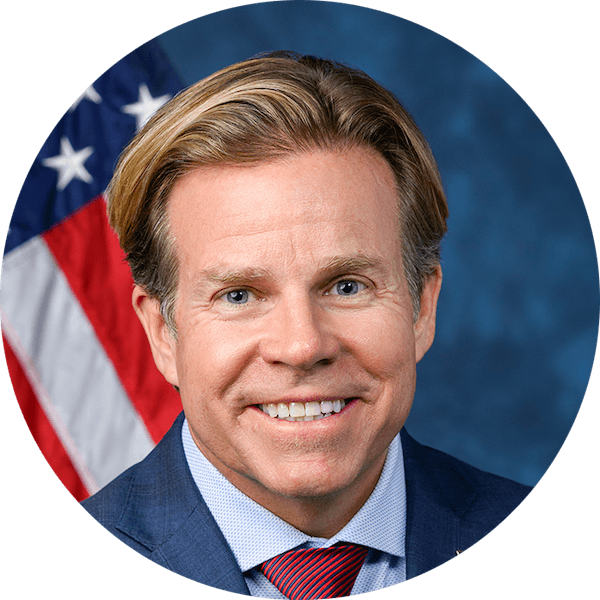
Gus Bilirakis
Republican · FL-12
College athletes get paid, but not as employees
Why it matters
College athletes would lock in federal NIL rights, a 5% cap on agent fees, and at major programs, 3 years of post-graduation injury coverage plus up to 7 years of degree-completion help. The trade in H.R. 4312: it bars athletes from arguing they're employees just because they play varsity sports — and gives athletic associations binding national rule-making power.
H.R. 4312 would create one national framework for college athlete compensation tied to endorsements and other NIL deals. Any deal worth more than $600 has to be in writing and spell out the basic terms — services, pay, length, termination, signatures. Schools and conferences couldn't block the deal unless it involves prohibited compensation, conduct violations, or conflicts with an existing school contract.
The bill also reins in agents. They couldn't take more than 5% of what an athlete earns under an endorsement contract, and unregistered agents would have to disclose that in writing and get the athlete's consent. If the athlete is under 18, a parent or guardian has to sign off.
Larger programs owe athletes more support. The trigger: any coach making more than $250,000 in base salary, or an athletic department bringing in at least $20 million a year (with inflation adjustments). Those schools would have to protect scholarships in more situations, offer academic and career support, cover sports-related medical care or insurance for at least 3 years after the athlete leaves, and provide degree-completion help for up to 7 years.
Boosters and collectives face new limits. The bill broadly defines associated people and groups — including anyone giving more than $50,000 a year to athletic programs or helping recruit or retain players. Their payments would be restricted unless they serve a valid business purpose, reflect market value, and stay within compensation-pool rules.
That is where the political fight centers. H.R. 4312 lets interstate athletic associations set national rules on disclosures, recruiting, transfers, agent registration, season length, and compensation pools — with a floor of at least 22% of the average annual revenue of the top 70 earners. In exchange, the bill says athletes are not employees of a school, conference, or association solely because they play varsity sports, and shields compliance with certain association rules from antitrust claims.
Bill Progress
Latest Action · Dec 1, 2025
Rules Committee Resolution H. Res. 916 Reported to House. Rule provides for consideration of H.R. 4312, H.R. 1005, H.R. 1049, H.R. 1069, H.R. 2965 and H.R. 4305. The resolution provides for consideration of H.R. 4312, H.R. 1005, H.R. 1049, H.R. 1069, H.R. 2965, and H.R. 4305 under a closed rule with one hour of general debate and one motion to recommit on each bill.
H.R. 4312 Bill Summary
What H.R. 4312 actually does.
NIL deals over $600 must be real contracts
Any name, image, and likeness deal worth more than $600 has to be in writing and include core terms: services provided, payment, timing, termination, signatures. Schools and conferences could block deals only in narrow situations — prohibited compensation, conduct violations, or conflicts with an existing school contract.
Agent fees capped at 5%
An agent representing a college athlete on an endorsement contract can't take more than 5% of what the athlete earns under that contract. Unregistered agents have to disclose their status in writing and get the athlete's written consent. For athletes under 18, a parent or guardian has to sign off.
Major programs owe years of post-grad support
Schools that pay any coach more than $250,000 in base salary or generate at least $20 million in athletic revenue face new obligations: broader academic, career, and mental-health support; protected scholarships in more situations; sports-injury care or insurance for at least 3 years after an athlete leaves; and up to 7 years of degree-completion help.
Boosters and collectives face tighter limits
Payments from associated people and groups — including donors giving more than $50,000 a year and anyone helping recruit or retain athletes — would be restricted unless they serve a valid business purpose, match market rates, and fit within association compensation-pool rules.
Athletic associations get federal rule-making authority
Interstate associations like the NCAA could set national rules on NIL disclosures, recruiting, transfers, season length, agent registration, and compensation pools. Pools would have to equal at least 22% of the average annual revenue of the top 70 earning member schools. Compliance with those rules is shielded from antitrust claims.
Playing varsity sports doesn't make you an employee
The bill states a student athlete is not an employee of a school, conference, or interstate athletic association solely because of varsity participation. That's the line that has labor advocates and some athletes opposing the bill.
Who benefits from H.R. 4312?
College athletes signing endorsement deals
You'd get a federal baseline right to pursue NIL income, hire representation, and keep your contract details private unless you give written consent. That matters most for athletes navigating a patchwork of school policies and state laws.
Athletes at major revenue programs
If your school clears the $250,000 coach-pay or $20 million revenue threshold, you'd get stronger scholarship protections, at least 3 years of sports-injury coverage after leaving school, and up to 7 years of degree-completion support.
Athletes worried about agent abuse
The 5% cap and disclosure rules are designed to make it harder for agents to take oversized cuts or hide whether they're registered with the relevant athletic association.
Schools and athletic associations
H.R. 4312 replaces more of the current state-by-state NIL patchwork with a federal framework and gives associations clearer authority to set nationwide rules on transfers, recruiting, and compensation pools.
Who is affected by H.R. 4312?
Athletes arguing they should be treated as employees
H.R. 4312 cuts against that position by saying varsity participation alone does not create employee status. That would matter in ongoing fights over pay, collective bargaining, and labor rights at the NLRB and in court.
Boosters, collectives, and major athletic donors
If you fund recruiting or retention efforts, or give more than $50,000 a year to athletic programs, the bill could classify you as an associated person or entity and limit how compensation can flow to athletes.
Sports agents
Agents face a hard 5% cap on endorsement-contract fees, plus written-disclosure and consent rules. Compliance gets stricter when the athlete is under 18.
High-revenue colleges
Schools with at least $50 million in average annual media-rights revenue could no longer use student fees to support athletics once the phase-in applies. They'd also have to publicly report how much student-fee money athletics has used.
HR4312 Legislative Journey
House: Committee Action
Dec 1, 2025
Rules Committee Resolution H. Res. 916 Reported to House. Rule provides for consideration of H.R. 4312, H.R. 1005, H.R. 1049, H.R. 1069, H.R. 2965 and H.R. 4305. The resolution provides for consideration of H.R. 4312, H.R. 1005, H.R. 1049, H.R. 1069, H.R. 2965, and H.R. 4305 under a closed rule with one hour of general debate and one motion to recommit on each bill.
House: Committee Action
Nov 25, 2025
Supplemental report filed by the Committee on Education and Workforce, H. Rept. 119-270, Part IV.
House: Committee Action
Sep 11, 2025
Reported (Amended) by the Committee on Education and Workforce. H. Rept. 119-270, Part II.
House: Vote: 30-23
Jul 23, 2025
Ordered to be Reported (Amended) by the Yeas and Nays: 30 - 23.
House: Vote: 12-11
Jul 15, 2025
Forwarded by Subcommittee to Full Committee by the Yeas and Nays: 12 - 11.
House: Committee Action
Jul 10, 2025
Referred to the Subcommittee on Commerce, Manufacturing, and Trade.
About the Sponsor
Gus Bilirakis
Republican, Florida's 12th congressional district · 19 years in Congress
Committees: Energy and Commerce, House Select Committee on the Strategic Competition Between the United States and the Chinese Communist Party
View full profile →
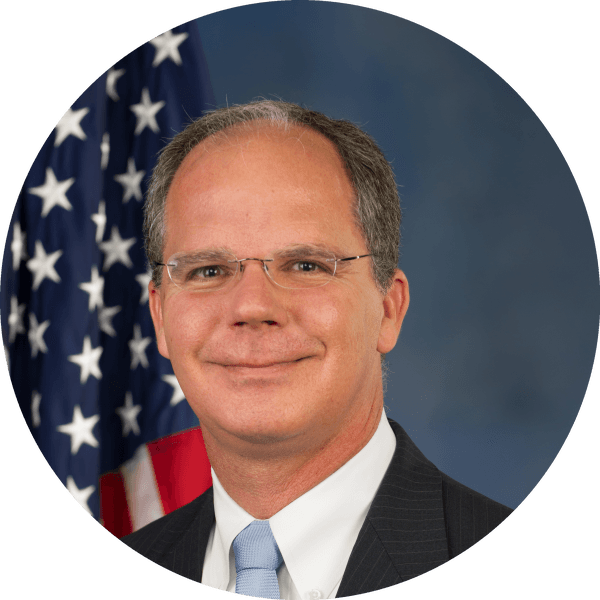
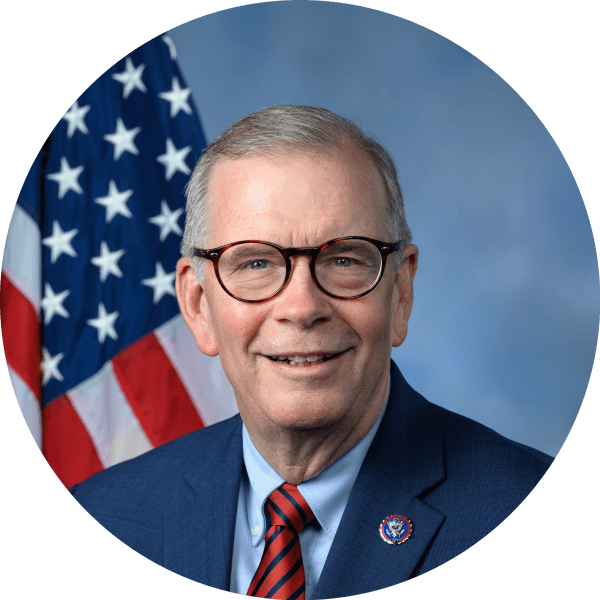
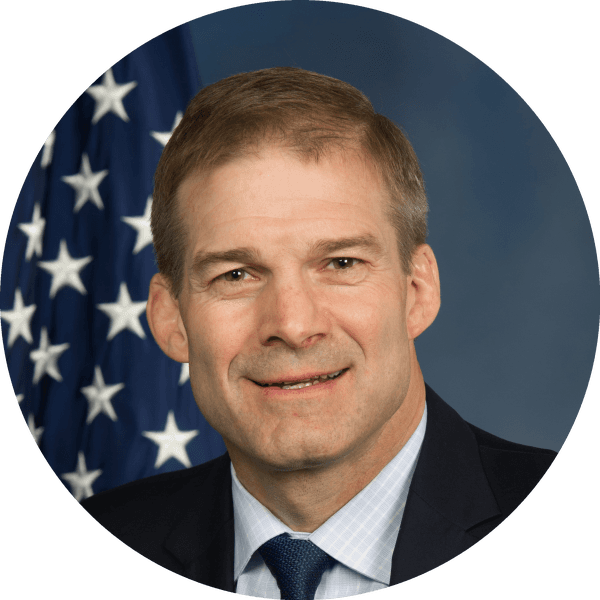
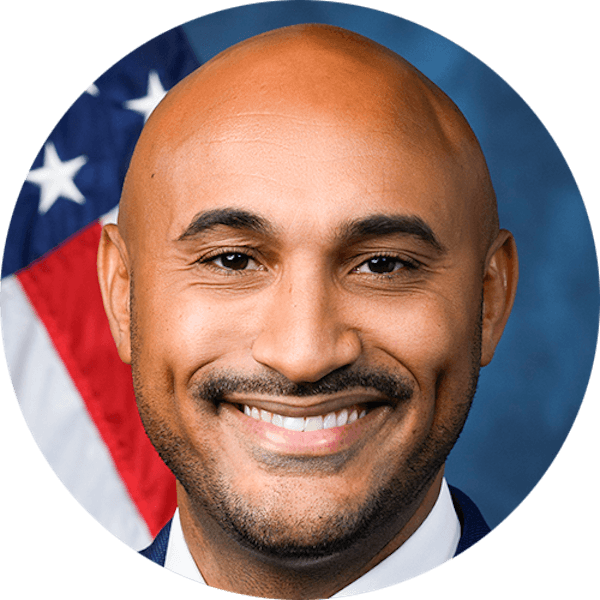
Cosponsors (21)
This bill has 21 cosponsors: 7 Democrats, 15 Republicans, reflecting bipartisan support. Cosponsors represent 14 states: Alabama, Arkansas, Florida, and 11 more.

Janelle Bynum
Democrat · OR
Brett Guthrie
Republican · KY
Tim Walberg
Republican · MI
Jim Jordan
Republican · OH
Shomari Figures
Democrat · AL
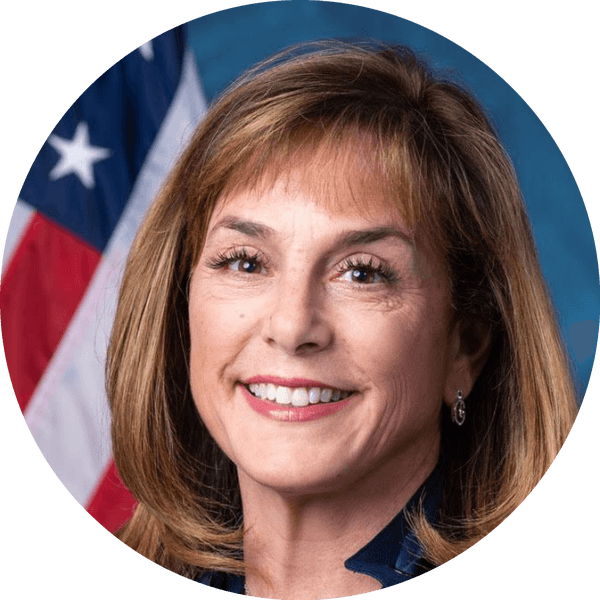
Lisa McClain
Republican · MI

Scott Fitzgerald
Republican · WI
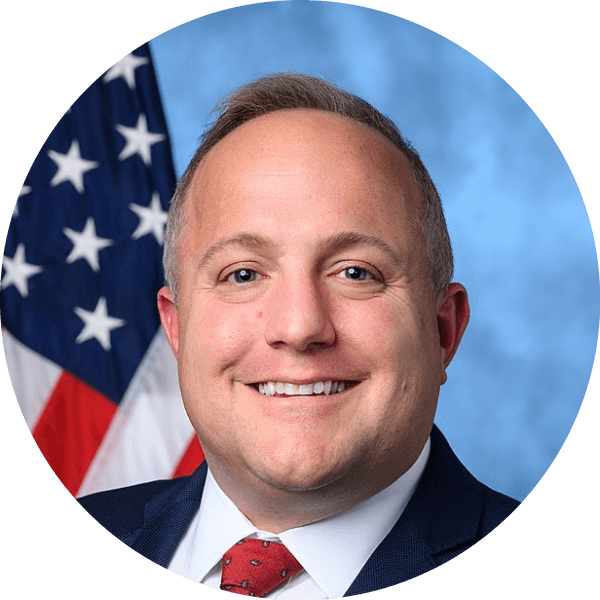
Russell Fry
Republican · SC
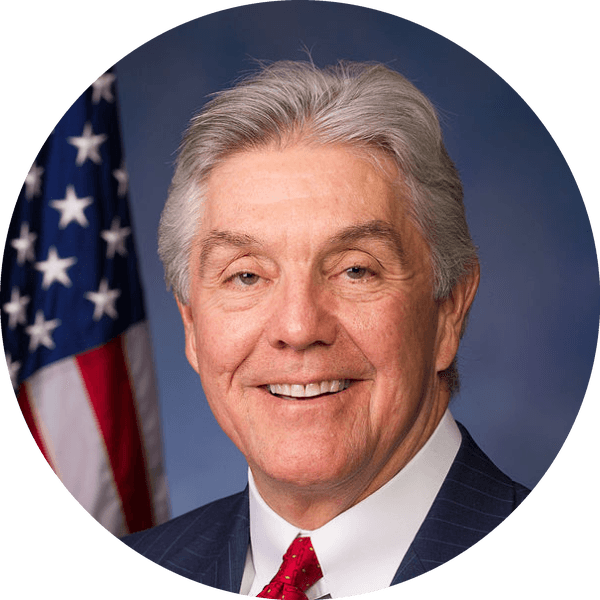
Roger Williams
Republican · TX
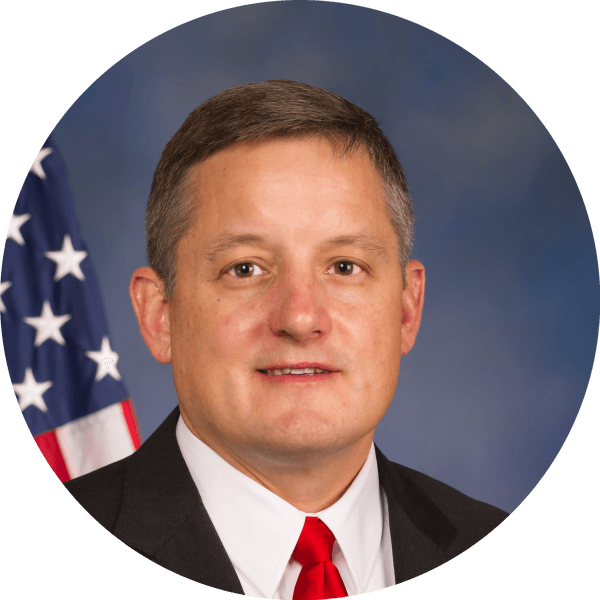
Bruce Westerman
Republican · AR

Mike Flood
Republican · NE
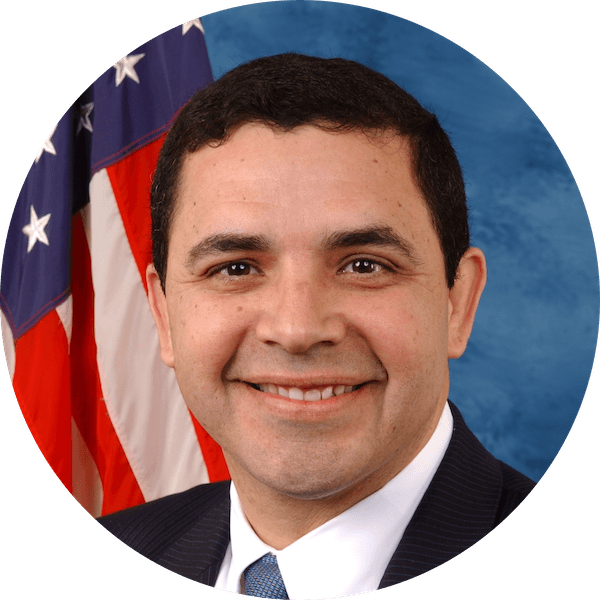
Henry Cuellar
Democrat · TX
Committee Sponsors
Education and Workforce Committee
3 of 37 committee members cosponsored


Energy and Commerce Committee
3 of 54 committee members cosponsored


42 Republicans across these committees haven't cosponsored yet. Mobilize their constituents
What laws does H.R. 4312 change?
2 changes
Sections Amended
Section 487(a) of Higher Education Act of 1965 (20 U.S.C. 1094(a))
adding at the end the following: ``(30) In the case of an institution that, for the most recently completed fiscal year, had annual media rights revenues (as described in section 485(g)(1)(I)(ii)) of $50,000,000 or more, the institution will not, for the fiscal year immediately following such fiscal year, use student fees to support intercollegiate athletic programs, including with respect to facilities, operating expenses (as defined in section 485(g)), scholarships, payments to athletes, salaries of coaches and support staff, and any other expenses reported under section 485(g)(1)
Section 487(a) of Higher Education Act of 1965 (20 U.S.C. 1094(a))
adding at the end the following: ``(30) In the case of an institution described in subsection (c) of section 5 of the SCORE Act, the institution will comply with subsection (a) of such section
H.R. 4312 Quick Facts
- Committee
- Education and Workforce
- Chamber
- House
- Policy
- Sports and Recreation
- Introduced
- Jul 10, 2025
Rules Committee Resolution H. Res. 916 Reported to House. Rule provides for consideration of H.R. 4312, H.R. 1005, H.R. 1049, H.R. 1069, H.R. 2965 and H.R. 4305. The resolution provides for consideration of H.R. 4312, H.R. 1005, H.R. 1049, H.R. 1069, H.R. 2965, and H.R. 4305 under a closed rule with one hour of general debate and one motion to recommit on each bill.
Dec 1, 2025
Official Sources
Official bill status, text, actions, and committee information for the SCORE Act.
One of the House committees with jurisdiction over the bill's college-athlete and education-related provisions.
One of the House committees that reported the bill and has jurisdiction over parts affecting interstate commerce and related policy.
The bill regulates endorsement-related contracts and business practices, making FTC business guidance relevant background for NIL and endorsement arrangements.
The bill affects colleges and universities by setting national rules tied to student-athlete benefits and institutional obligations.
Relevant to the bill's provision stating that student athletes are not employees solely because they play varsity sports.
Provides official federal labor and employment guidance that helps frame debates over whether athletes are employees.
Useful official guidance for understanding endorsement and compensation practices that overlap with NIL deals.
H.R. 4312 Common Questions
Does the SCORE Act override state NIL laws?
Yes. H.R. 4312 preempts state laws on athlete compensation, payments, employment status, eligibility, and academic standards — replacing the current 50-state patchwork with one federal framework.
Would H.R. 4312 make college athletes employees?
No. The bill says a student athlete is not an employee of a school, conference, or interstate athletic association solely because they play varsity sports.
Do NIL deals over $600 have to be in writing?
Yes. Under H.R. 4312, any NIL deal worth more than $600 must be written and include core terms: services, pay, length, termination, and signatures. Deals that don't meet those requirements are void.
How much can an agent charge a college athlete?
No more than 5% of compensation paid under an endorsement contract. Unregistered agents also have to disclose that status in writing and get the athlete's written consent before signing.
Can a school block a college athlete from signing an NIL deal?
Only in narrow cases. H.R. 4312 lets schools or conferences restrict a deal only for prohibited compensation, conduct-rule violations, or conflicts with an existing school contract.
Which schools owe athletes extra benefits under H.R. 4312?
Schools where any coach makes more than $250,000 in base salary or annual athletic revenue reaches at least $20 million (with inflation adjustments) face the bill's expanded support obligations.
Does the SCORE Act protect women's and non-revenue sports?
It requires schools generating $20 million or more in athletic revenue to maintain at least 16 varsity sports teams — a floor designed to discourage cutting non-revenue sports as money shifts to athlete compensation.
Can big sports schools still charge student fees for athletics?
Not at the largest programs. Schools with at least $50 million in average annual media-rights revenue could no longer use student fees to support athletics, and would have to publicly report how much student-fee money athletics has used.
Based on H.R. 4312 bill text
H.R. 4312 Bill Text
“To protect the name, image, and likeness rights of student athletes and to promote fair competition with respect to intercollegiate athletics, and for other purposes.”
Source: U.S. Government Publishing Office
Get notified when H.R. 4312 moves
Committee votes, floor action, cosponsor changes — straight to your inbox.
Bill alerts + Legisletter's monthly briefing. Unsubscribe anytime.
Sports and Recreation Bills
5 related bills we're tracking
Miracle on Ice Congressional Gold Medal Act
Became Public Law No: 119-53.
Dec 12, 2025
Protection of Women in Olympic and Amateur Sports Act of 2026

Placed on the Union Calendar, Calendar No. 423.
Feb 17, 2026
Fair Play for Women Act

Referred to the House Committee on Education and Workforce.
Feb 11, 2025
Muhammad Ali American Boxing Revival Act of 2026
Received in the Senate and Read twice and referred to the Committee on Commerce, Science, and Transportation.
Mar 25, 2026
Restoring Confidence in the World Anti-Doping Agency Act of 2025




Placed on Senate Legislative Calendar under General Orders. Calendar No. 340.
Feb 23, 2026
Trending Right Now
Bills gaining momentum across Congress
ASAP Act

Ordered to be Reported in the Nature of a Substitute by the Yeas and Nays: 40 - 0.
Sep 16, 2026
Fit to Serve Act


Referred to the House Committee on Armed Services.
May 21, 2025
America’s Olympic and Paralympic Games Commemorative Coins Act



Referred to the House Committee on Financial Services.
Jul 14, 2025
Tracking Sports and Recreation in Congress? Monitor bills, track cosponsor momentum, and launch advocacy campaigns — all from one advocacy platform.