H.R. 1028: Protection of Women in Olympic and Amateur Sports Act of 2026
Sponsor

Gregory Steube
Republican · FL-17
A federal definition of 'female' could reshape who competes in women's sports
Why it matters
If you follow women's athletics at any level, this bill rewrites the eligibility rules for every governing body under the U.S. Olympic and Paralympic Committee.
H.R. 1028 amends Title 36 of the U.S. Code — the section that governs how national amateur sports organizations operate. It inserts definitions tying "female" to egg-producing reproductive systems and "male" to sperm-producing reproductive systems, with a narrow exception for developmental or genetic anomalies.
Then it adds a new eligibility requirement: certified national governing bodies must prohibit anyone whose sex is male from competing in amateur athletic competitions designated for females, women, or girls.
The bill passed the House Judiciary Committee on a 15-10 party-line vote on February 3, 2026, was reported with amendments on February 17, and is now on the Union Calendar awaiting a floor vote. A companion bill, S. 405, was introduced in the Senate on the same day.
Bill Progress
Latest Action · Feb 17, 2026
Placed on House floor schedule, Calendar No. 423.
H.R. 1028 Bill Summary
What H.R. 1028 actually does.
Defines 'female' by reproductive biology
Adds a federal definition: a female is someone whose reproductive system produces, transports, and utilizes eggs — or would, but for a developmental or genetic anomaly.
Defines 'male' by reproductive biology
A male is someone whose reproductive system produces, transports, and utilizes sperm — or would, but for a developmental or genetic anomaly.
Defines 'sex' as biological
Sex means biological sex — male or female. Gender identity is not referenced anywhere in the bill.
Bans male-classified athletes from women's events
National governing bodies must prohibit anyone whose sex is male from participating in amateur competitions designated for females, women, or girls.
Applies to all USOPC-certified organizations
Covers every national governing body certified under the U.S. Olympic and Paralympic Committee — from USA Gymnastics to USA Boxing to USA Wrestling.
Who benefits from H.R. 1028?
Female athletes in amateur and Olympic sports
If you compete in women's divisions at any level governed by a national sports body, this bill guarantees your competition category is reserved for athletes classified as biologically female.
Parents of girls in competitive athletics
If your daughter competes in sanctioned amateur sports, the bill addresses concerns about eligibility standards by establishing a single federal rule.
Sports governing bodies seeking clarity
Organizations that have struggled with patchwork eligibility policies would get one uniform federal standard, reducing the legal uncertainty of setting their own rules.
Who is affected by H.R. 1028?
Transgender women in amateur sports
Athletes who were born male and transitioned would be barred from women's competitions under these definitions, regardless of hormone therapy or time since transition.
Athletes with intersex conditions
The bill includes a narrow exception for "developmental or genetic anomaly," but how sports bodies would apply that exception in practice remains undefined.
National governing bodies
Organizations would need to rewrite their eligibility policies to comply. Those with current inclusion policies for transgender athletes would face direct conflicts with international federation rules that may differ.
HR1028 Legislative Journey
House: Committee Action
Feb 17, 2026
Reported (Amended) by the Committee on Judiciary. H. Rept. 119-497.
House: Vote: 15-10
Feb 3, 2026
Ordered to be Reported (Amended) by the Yeas and Nays: 15 - 10.
House: Committee Action
Feb 5, 2025
Referred to the House Committee on the Judiciary.
About the Sponsor
Gregory Steube
Republican, Florida's 17th congressional district · 7 years in Congress
Committees: House Permanent Select Committee on Intelligence, Ways and Means
View full profile →
Cosponsors (73)
All 73 cosponsors are Republicans. Cosponsors represent 31 states: Alabama, Arizona, California, and 28 more.

Andrew Clyde
Republican · GA

Doug LaMalfa
Republican · CA

Mike Haridopolos
Republican · FL

Nancy Mace
Republican · SC

Tim Burchett
Republican · TN
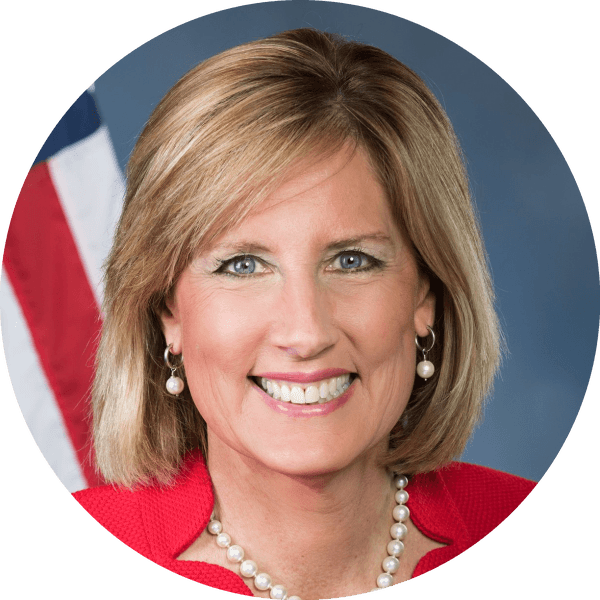
Claudia Tenney
Republican · NY

Daniel Webster
Republican · FL
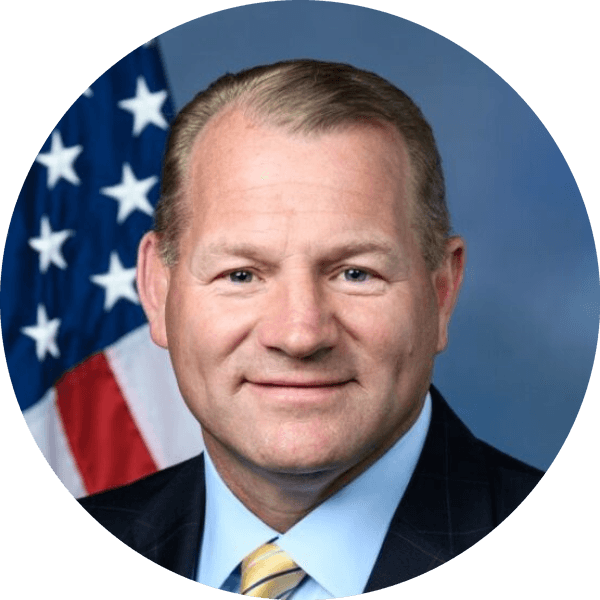
Troy Nehls
Republican · TX

Burgess Owens
Republican · UT

Mary Miller
Republican · IL

Harriet Hageman
Republican · WY

James Baird
Republican · IN
Committee Sponsors
Judiciary Committee
12 of 44 committee members cosponsored


12 Republicans across this committee haven't cosponsored yet. Mobilize their constituents
H.R. 1028 Quick Facts
- Committee
- Judiciary
- Chamber
- House
- Policy
- Sports and Recreation
- Introduced
- Feb 5, 2025
Placed on House floor schedule, Calendar No. 423.
Feb 17, 2026
Official Sources
H.R. 1028 Common Questions
What would H.R. 1028 actually change about women's sports?
Right now, each national sports governing body — USA Swimming, USA Gymnastics, USA Track & Field, and dozens more — sets its own eligibility rules for women's competitions. Some allow transgender athletes under certain conditions, others don't. H.R. 1028 would override all of those individual policies with a single federal rule: anyone classified as biologically male cannot compete in events designated for females, women, or girls.
How does the bill define 'female' and 'male'?
The bill ties both definitions to reproductive biology. A "female" is someone whose reproductive system produces, transports, and utilizes eggs. A "male" is someone whose reproductive system produces, transports, and utilizes sperm. Both definitions include people who would have those systems but for a developmental or genetic anomaly. Gender identity is not mentioned anywhere in the bill.
Which sports organizations would have to follow this law?
Every national governing body certified by the U.S. Olympic and Paralympic Committee. That includes all the organizations you see at the Olympics — USA Swimming, USA Track & Field, USA Gymnastics, USA Boxing, and more than 50 others. It also covers the Paralympic organizations. If you compete in any sanctioned amateur competition in the U.S., your sport's governing body would likely be affected.
Could a transgender woman compete in women's events if she has undergone hormone therapy?
No. The bill does not include exceptions for hormone therapy, surgery, or length of transition. The eligibility rule is based entirely on biological sex as defined in the bill. If your reproductive biology classifies you as male under these definitions, you cannot compete in women's events — regardless of any medical transition.
What about athletes with intersex conditions?
The definitions include a carve-out for people who would have a particular reproductive system "but for a developmental or genetic anomaly or historical accident." However, the bill does not explain how sports organizations should apply that exception in practice — what documentation would be required, who decides, or what specific conditions qualify.
Does this bill affect high school or college sports?
Not directly. H.R. 1028 applies to national governing bodies certified under the U.S. Olympic and Paralympic Committee, which typically oversee elite amateur and Olympic-level competition. High school sports are governed by state athletic associations, and college sports fall under the NCAA. However, if federal law establishes a biological sex standard at the Olympic level, it could influence how those other organizations approach their own eligibility policies.
Where does H.R. 1028 stand right now?
The bill passed the House Judiciary Committee on a 15-10 party-line vote on February 3, 2026. It was reported with amendments on February 17 and placed on the Union Calendar, which means it is eligible for a House floor vote. A companion bill, S. 405, has been introduced in the Senate but is still in the Commerce, Science, and Transportation Committee. All 73 cosponsors are Republican.
What happens if this bill becomes law and an organization doesn't comply?
The bill does not specify penalties or an enforcement mechanism. It amends the eligibility requirements that national governing bodies must meet to maintain their certification under the U.S. Olympic and Paralympic Committee. In theory, an organization that refuses to comply could risk losing its certified status — but the bill does not spell out that process or any timeline for compliance.
Based on H.R. 1028 bill text
H.R. 1028 Bill Text
“To modify eligibility requirements for amateur sports governing organizations.”
Source: U.S. Government Publishing Office
Get notified when H.R. 1028 moves
Committee votes, floor action, cosponsor changes — straight to your inbox.
Bill alerts + Legisletter's monthly briefing. Unsubscribe anytime.
Sports and Recreation Bills
5 related bills we're tracking
Miracle on Ice Congressional Gold Medal Act



Became Public Law No: 119-53.
Dec 12, 2025
Fair Play for Women Act




Referred to the House Committee on Education and Workforce.
Feb 11, 2025
SCORE Act





Rules Committee Resolution H. Res. 916 Reported to House. Rule provides for consideration of H.R. 4312, H.R. 1005, H.R. 1049, H.R. 1069, H.R. 2965 and H.R. 4305. The resolution provides for consideration of H.R. 4312, H.R. 1005, H.R. 1049, H.R. 1069, H.R. 2965, and H.R. 4305 under a closed rule with one hour of general debate and one motion to recommit on each bill.
Dec 1, 2025
Muhammad Ali American Boxing Revival Act of 2026





Received in the Senate and Read twice and referred to the Committee on Commerce, Science, and Transportation.
Mar 25, 2026
Restoring Confidence in the World Anti-Doping Agency Act of 2025





Placed on Senate Legislative Calendar under General Orders. Calendar No. 340.
Feb 23, 2026
Trending Right Now
Bills gaining momentum across Congress
America’s Olympic and Paralympic Games Commemorative Coins Act





Referred to the House Committee on Financial Services.
Jul 14, 2025
Fit to Serve Act




Referred to the House Committee on Armed Services.
May 21, 2025
ASAP Act



Ordered to be Reported in the Nature of a Substitute by the Yeas and Nays: 40 - 0.
Sep 16, 2026
Tracking Sports and Recreation in Congress? Monitor bills, track cosponsor momentum, and launch advocacy campaigns — all from one advocacy platform.