H.R. 4624: Muhammad Ali American Boxing Revival Act of 2026
Sponsor
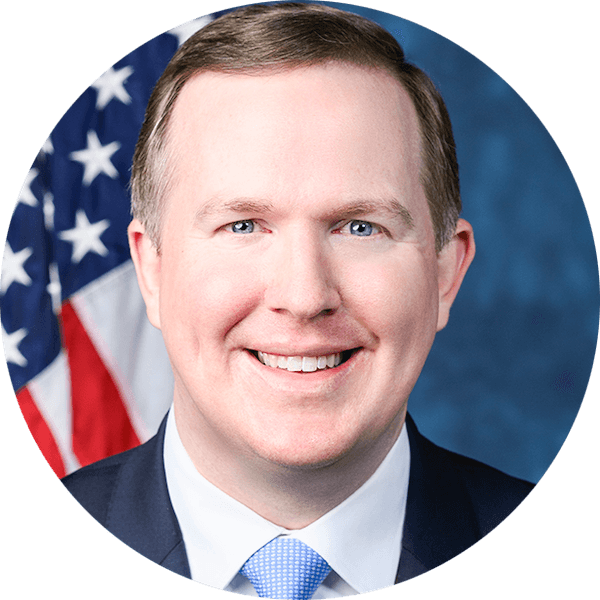
Brian Jack
Republican · GA-3
The fighters take the hits. This sets their floor.
Why it matters
$200 per round. $50,000 in medical coverage. Brain exams after every knockout. H.R. 4624 would set a national floor for how professional boxers are paid and protected when they sign with a new kind of league called a unified boxing organization. It also caps those contracts at 6 years and limits each weight class to a single championship belt.
H.R. 4624, the Muhammad Ali American Boxing Revival Act of 2026, creates a new lane in professional boxing called a unified boxing organization, or UBO. A UBO is a private league that signs boxers to contracts and runs its own matches, rankings, and title belts instead of leaning on outside sanctioning bodies. In exchange for that control, a UBO has to meet a long list of safety, pay, and conduct standards.
On safety, the bill stacks new protections on top of existing federal boxing law. A fighter who gets knocked out has to pass extra brain-health exams before the next match. Boxers age 40 and older need an annual physical with bloodwork, plus a chest X-ray at least every 6 years. Every covered match needs a second ambulance on site and a second physician at ringside, and within two years those ringside doctors have to be certified through a national program.
On money, the bill guarantees at least $200 per round. A boxer also has to be given either one match every 6 months or a payout worth at least 10 times that round rate, which works out to a $2,000 floor at the minimum. Contracts can't run longer than 6 years, and in the final 30 days a fighter is free to talk to other promoters and leagues. Promoters or UBOs have to carry at least $50,000 in medical coverage and $15,000 in accidental-death coverage, and they can't bill the fighter for the premiums.
The bill also goes after the sport's biggest source of confusion: too many belts. Inside the UBO system, each weight class gets one champion, with interim titles allowed only for narrow reasons like injury or an inability to defend. Drug testing expands too. Every title fight is tested, other fights face random testing, and at least half the boxers at any event get tested by an independent lab.
Congress frames all of this as a safety problem. The bill's findings argue that uneven standards across state boxing commissions have allowed dangerous matches that left fighters seriously injured or killed, and that a national model code would close those gaps.
Bill Progress
Latest Action · Mar 25, 2026
Passed the House, received in Senate
H.R. 4624 Bill Summary
What H.R. 4624 actually does.
Knockouts trigger brain exams before a return
A boxer who is knocked out during a covered match would have to complete additional brain-health examinations before being cleared for the next one.
Older fighters get extra annual screening
Boxers age 40 and older would need a yearly supplemental physical that includes a comprehensive metabolic panel and urinalysis, plus a chest X-ray at least once every 6 years.
Every event gets more emergency medical coverage
A UBO would have to provide at least one extra ambulance on site and one extra licensed physician at ringside for each covered match, and within two years those physicians must be certified through a national program.
Boxers get a national pay floor
Contracts would have to guarantee at least $200 per round, plus either one match every 6 months or a payout worth at least 10 times the minimum round rate.
Boxing contracts get a time limit
A UBO contract could not run longer than 6 years, and during the final 30 days the boxer is free to talk with other promoters or leagues.
Promoters have to carry real insurance
A promoter or UBO would have to provide at least $50,000 in medical coverage and $15,000 in accidental-death coverage, and the boxer could not be charged for the premiums.
One championship belt per weight class
Inside the covered system, only one championship title is allowed in each weight class, with interim titles limited to cases like an injured or unavailable titleholder.
Drug testing expands beyond title fights
Title matches would require testing, other matches would face random testing, and at least half the boxers at each event would be tested in competition by an independent third party.
Who benefits from H.R. 4624?
Professional boxers who sign with a UBO
They would get a guaranteed pay floor, a 6-year cap on contracts, freedom to shop themselves near the end of a deal, and insurance that includes at least $50,000 in medical coverage they don't pay for.
Fighters coming back from a knockout
They would have to clear mandatory brain-health exams before stepping back into a covered match, rather than relying on whatever standard a promoter or commission happens to apply.
Boxers still competing at 40 and up
They would get extra annual screening, including bloodwork and periodic chest X-rays, meant to catch health problems before the next fight.
Fans trying to follow who the real champion is
Inside the covered system they would see one belt per weight class instead of competing titles, because the bill allows a single championship per division and sharply limits interim belts.
Boxers competing clean
They would fight under broader anti-doping rules, including mandatory testing for title fights and independent testing of at least half the boxers at every event.
Who is affected by H.R. 4624?
Unified boxing organizations
They would carry the heaviest compliance load: more medical staff and ambulances, an anti-doping program, training-injury insurance, support services, FTC filings, and the new title rules.
Promoters
They would have to provide the required insurance, operate under the contract and pay standards, and follow expanded testing and officiating rules for covered matches.
Existing sanctioning bodies
The one-belt-per-weight-class rule and the UBO model would reshape how titles are awarded inside the covered system, cutting into a business built on multiple competing championships.
UBO officers and employees
A willful and knowing violation could bring up to 1 year in prison, a fine of up to $20,000, or both.
Fighters, coaches, trainers, and household members
The bill's conduct policy would bar them from betting on covered matches or leaking non-public information to help someone else place a bet.
What Congress Is Saying
H.R. 4624 has come up 16 times in the Congressional Record so far.
Mr. Speaker, I rise today in support of my bipartisan legislation, H.R. 4624, the Muhammad Ali American Boxing Revival Act, which I proudly authored and introduced with my colleague from Kansas (Ms. Davids), a former professional mixed martial artist herself and a leader in her Caucus. Mr. Speaker, I thank the chairman of the House Committee on Education and Workforce, Tim Walberg; the ranking member, Bobby Scott; and the distinguished members of the committee for considering and favorably reporting my legislation with an overwhelmingly bipartisan vote.
H.R. 4624 also appeared in 7 routine cosponsor filings.
HR4624 Legislative Journey
Committee Action
Mar 25, 2026
Received in the Senate and Read twice and referred to the Committee on Commerce, Science, and Transportation.
House: Vote: 2641-2643
Mar 24, 2026
On motion to suspend the rules and pass the bill, as amended Agreed to by voice vote. (text: CR H2641-2643)
House: Committee Action
Feb 25, 2026
Committee on Energy and Commerce discharged.
House: Vote: 30-4
Jan 21, 2026
Ordered to be Reported (Amended) by the Yeas and Nays: 30 - 4.
House: Committee Action
Jul 23, 2025
Referred to the Committee on Education and Workforce, and in addition to the Committee on Energy and Commerce, for a period to be subsequently determined by the Speaker, in each case for consideration of such provisions as fall within the jurisdiction of the committee concerned.
About the Sponsor
Brian Jack
Republican, Georgia's 3rd congressional district · 1 years in Congress
Committees: Rules, Small Business, Oversight and Government Reform
View full profile →
Cosponsors (13)
This bill has 13 cosponsors: 8 Democrats, 5 Republicans, reflecting bipartisan support. Cosponsors represent 8 states: Alabama, Illinois, Kansas, and 5 more.
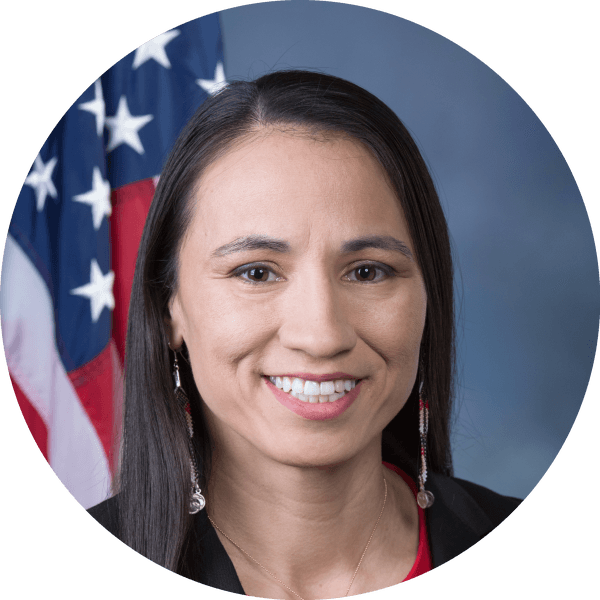
Sharice Davids
Democrat · KS
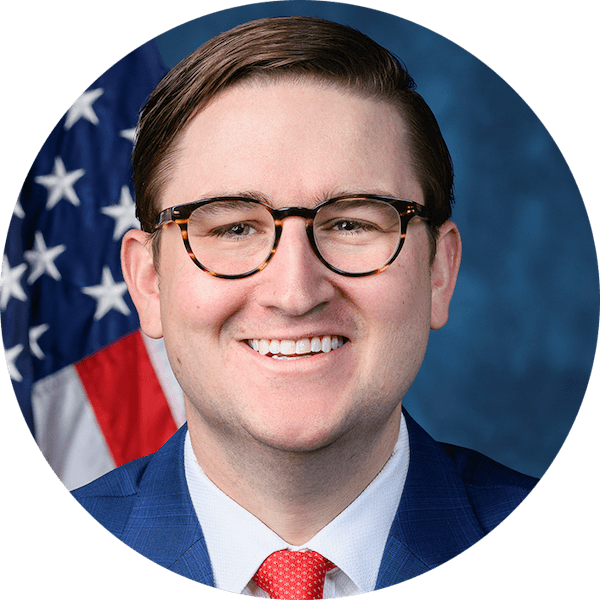
Addison McDowell
Republican · NC
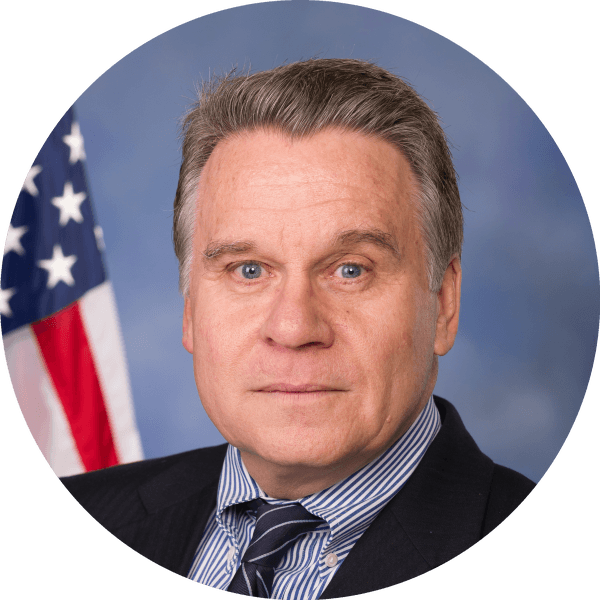
Christopher Smith
Republican · NJ
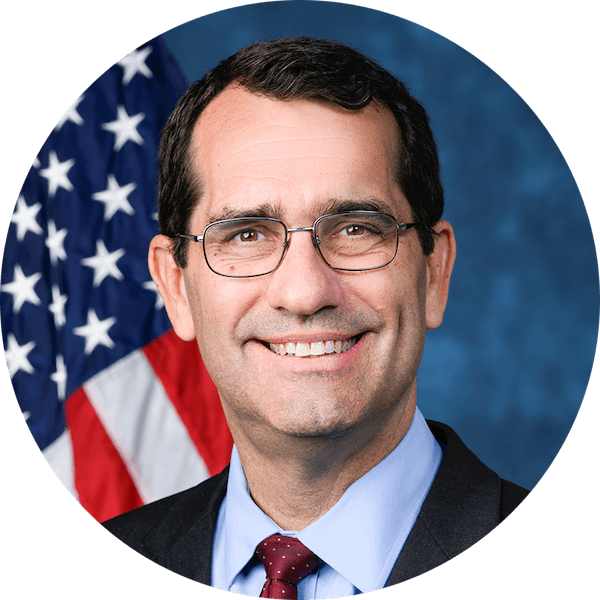
Derek Schmidt
Republican · KS
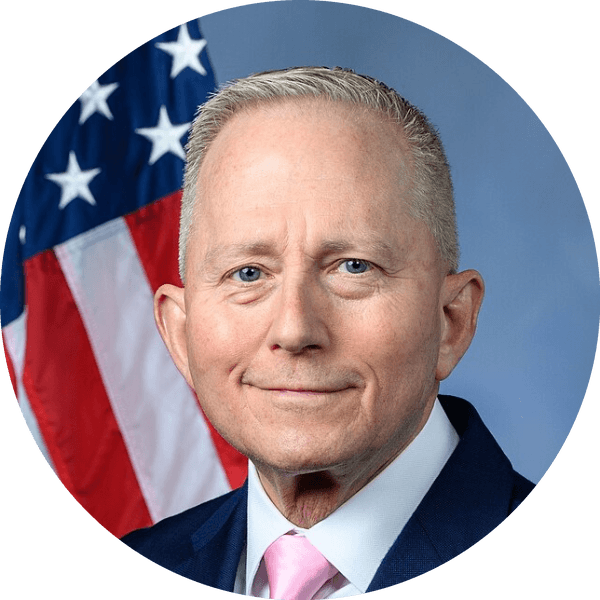
Jefferson Van Drew
Republican · NJ

Steven Horsford
Democrat · NV

Haley Stevens
Democrat · MI
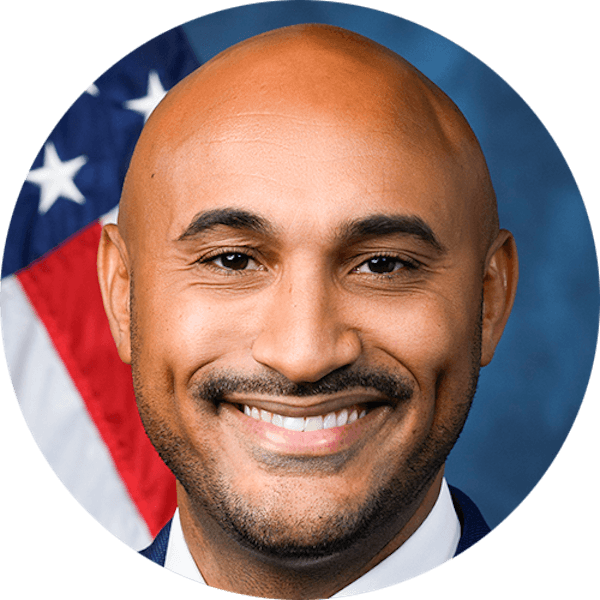
Shomari Figures
Democrat · AL
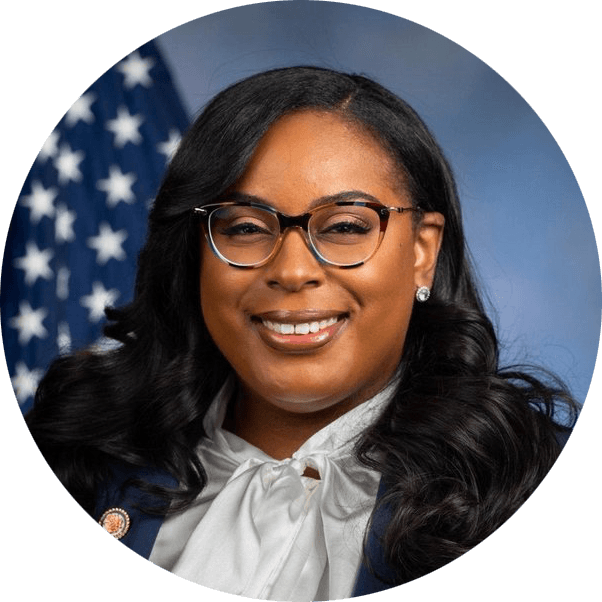
LaMonica McIver
Democrat · NJ
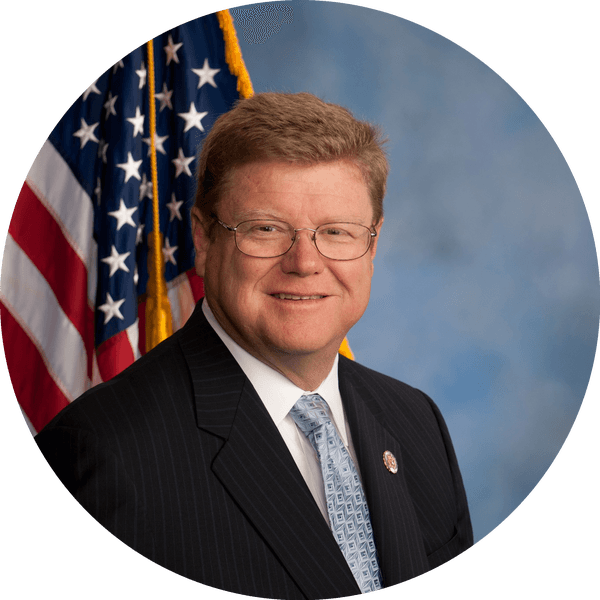
Mark Amodei
Republican · NV

Morgan McGarvey
Democrat · KY
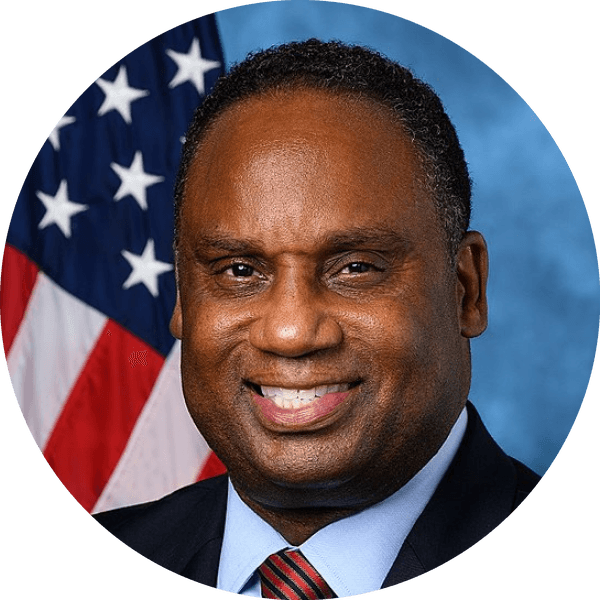
Jonathan Jackson
Democrat · IL
Committee Sponsors
Commerce, Science, and Transportation Committee
0 of 28 committee members cosponsored
No committee members have cosponsored this bill
Energy and Commerce Committee
0 of 54 committee members cosponsored
No committee members have cosponsored this bill
Education and Workforce Committee
1 of 37 committee members cosponsored

63 Republicans across these committees haven't cosponsored yet. Mobilize their constituents
What laws does H.R. 4624 change?
3 changes
Sections Amended
Section 18(b) of Professional Boxing Safety Act of 1996 (15 U.S.C. 6309(b))
adding at the end the following: ``(5) Unified boxing organizations
Section 7 of Professional Boxing Safety Act of 1996 (15 U.S.C. 6306) is amended-- (1) subsection (a)
adding at the end the following: ``(5) Procedures to ensure that-- ``(A) drug tests shall be administered-- ``(i) for any title match; and ``(ii) at random for all other matches; and ``(B) such drug tests shall screen, at a minimum, for-- ``(i) if the boxing commission with jurisdiction over the match (or the tribal organization (as defined in section 21) that is regulating the match) prohibits the use of one or more substances, each substance so prohibited; or ``(ii) if no substance is prohibited as described in clause (i)-- ``(I) each substance prohibited by the Association of Boxing Commissions; or ``(II) if no substance is prohibited as described in subclause (I), each substance listed in the most current edition of `The World Anti- Doping Code, The Prohibited List International Standard' of the World Anti-Doping Agency
Section 16 of Professional Boxing Safety Act of 1996 (15 U.S.C. 6307h)
read as follows: ``SEC
H.R. 4624 Quick Facts
- Committee
- Commerce, Science, and Transportation
- Chamber
- House
- Policy
- Sports and Recreation
- Introduced
- Jul 23, 2025
Passed the House, received in Senate
Mar 25, 2026
Official Sources
Official bill status, text, actions, and committee referral for the Muhammad Ali American Boxing Revival Act of 2026.
This is the underlying federal boxing law that H.R. 4624 would amend to add unified boxing organization requirements.
The U.S. Code chapter contains the Professional Boxing Safety Act provisions (15 U.S.C. 6301 et seq.) that H.R. 4624 amends to add the unified boxing organization requirements.
Congressional Research Service overview of how federal law regulates professional boxing, the framework H.R. 4624 builds on; cited directly in the bill's official summary.
The bill requires unified boxing organizations to file business information with the Federal Trade Commission, which must make those filings public.
The bill's post-knockout brain-health exam requirement relates to federal public-health guidance on traumatic brain injury and concussion risks.
This NIH/NLM health resource is relevant to the bill's annual supplemental physical exam requirements for boxers age 40 and older.
H.R. 4624 Common Questions
What is a unified boxing organization under H.R. 4624?
It's a new kind of private boxing league. A UBO signs boxers to contracts and runs its own matches, rankings, and title belts without relying on an outside sanctioning body. In return, it has to meet the bill's safety, pay, and conduct standards.
How much would H.R. 4624 guarantee a boxer per round?
At least $200 per round. On top of that, a boxer has to be given either one match every 6 months or a payout worth at least 10 times that round rate, a roughly $2,000 floor at the minimum.
Would H.R. 4624 require health insurance for boxers?
Yes. A promoter or UBO would have to provide at least $50,000 in medical coverage and $15,000 in accidental-death coverage, and the boxer can't be made to pay the premiums.
What happens after a boxer is knocked out under H.R. 4624?
Before fighting again in a covered match, the boxer has to pass additional brain-health exams. The rule is meant to stop quick returns after a knockout.
Does H.R. 4624 limit boxing contracts to 6 years?
Yes. A UBO contract can't run longer than 6 years, and in the final 30 days the boxer is free to talk with other promoters or leagues.
Would H.R. 4624 change how many championship belts boxing can have?
Yes, inside the UBO system. The bill allows only one championship title per weight class, with interim titles limited to cases like an injured titleholder or one who can't defend or travel.
How much drug testing would H.R. 4624 require?
Title matches face mandatory testing, other matches face random testing, and at least half the boxers at each event are tested in competition by an independent third party.
Where is H.R. 4624 now?
H.R. 4624 passed the House by voice vote in March 2026 and was referred to the Senate Commerce, Science, and Transportation Committee, where it's waiting on action.
Based on H.R. 4624 bill text
H.R. 4624 Bill Text
“To amend the Professional Boxing Safety Act of 1996 to establish requirements for unified boxing organizations, to further enhance the well-being of professional boxers, and for other purposes.”
Source: U.S. Government Publishing Office
Get notified when H.R. 4624 moves
Committee votes, floor action, cosponsor changes — straight to your inbox.
Bill alerts + Legisletter's monthly briefing. Unsubscribe anytime.
Sports and Recreation Bills
5 related bills we're tracking
Miracle on Ice Congressional Gold Medal Act


Became Public Law No: 119-53.
Dec 12, 2025
Protection of Women in Olympic and Amateur Sports Act of 2026

Placed on the Union Calendar, Calendar No. 423.
Feb 17, 2026
Fair Play for Women Act

Referred to the House Committee on Education and Workforce.
Feb 11, 2025
SCORE Act



Rules Committee Resolution H. Res. 916 Reported to House. Rule provides for consideration of H.R. 4312, H.R. 1005, H.R. 1049, H.R. 1069, H.R. 2965 and H.R. 4305. The resolution provides for consideration of H.R. 4312, H.R. 1005, H.R. 1049, H.R. 1069, H.R. 2965, and H.R. 4305 under a closed rule with one hour of general debate and one motion to recommit on each bill.
Dec 1, 2025
Restoring Confidence in the World Anti-Doping Agency Act of 2025




Placed on Senate Legislative Calendar under General Orders. Calendar No. 340.
Feb 23, 2026
Trending Right Now
Bills gaining momentum across Congress
North Platte Canteen Congressional Gold Medal Act



Referred to the House Committee on Financial Services.
Feb 21, 2025
Fit to Serve Act


Referred to the House Committee on Armed Services.
May 21, 2025
ASAP Act


Ordered to be Reported in the Nature of a Substitute by the Yeas and Nays: 40 - 0.
Sep 16, 2026
Tracking Sports and Recreation in Congress? Monitor bills, track cosponsor momentum, and launch advocacy campaigns — all from one advocacy platform.