H.R. 7569: Punishing Health Care Fraudsters Act
Sponsor

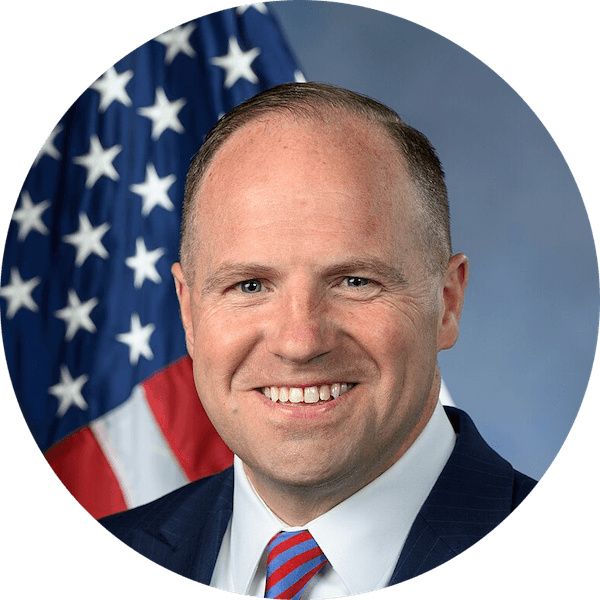
Aaron Bean
Republican · FL-4
Health care fraud penalties would spike
Why it matters
A 10-year maximum sentence would jump to 25 years under H.R. 7569, while some fines tied to federal health program fraud would rise to $250,000. If you rely on Medicare, Medicaid, or other federally funded care — or help pay for them through taxes — this bill is Congress's bid to punish fraud far more aggressively.
H.R. 7569 would turn federal health care fraud into a much more heavily punished crime, raising the standard maximum prison term from 10 years to 25 years.
In the most serious cases under the main federal health care fraud law, the current 20-year cap would rise to 30 years. Separate criminal penalties involving federal health programs would also get steeper, with fines rising from $100,000 to $250,000 wherever that amount now appears, and some lower fines jumping much more dramatically.
One provision would raise a fine from $20,000 to $100,000. Another would raise a fine for certain false statements from $4,000 to $100,000, while increasing the maximum jail term there from 6 months to 1 year.
The bill does not create new health coverage, new audits, or new fraud-prevention systems — it mainly gives prosecutors and judges the power to seek harsher punishment after fraud happens.
It also tells the U.S. Sentencing Commission to review the sentencing guidelines for these offenses. Congress says the guidelines should better reflect loss amounts, planning, private gain, intent to harm, privacy breaches, public health risks, a defendant's role, and how long a scheme lasted.
If enacted, the tougher penalties would apply only to conduct that happens after the bill becomes law.
Bill Progress
Latest Action · Feb 13, 2026
Referred to the Judiciary, and in addition to the Committees on Energy and Commerce, and Ways and Means, for a period to be subsequently determined by the Speaker, in each case for consideration of such provisions as fall within the jurisdiction of the committee concerned. for review
H.R. 7569 Bill Summary
What H.R. 7569 actually does.
Top prison terms rise sharply
The bill raises the main federal maximum sentence for health care fraud from 10 years to 25 years, and raises the higher-tier maximum from 20 years to 30 years.
Kickback and program-fraud fines get much bigger
For crimes involving federal health care programs, fines that are now capped at $100,000 would rise to $250,000, and prison terms that now top out at 10 years would rise to 25 years.
Some smaller penalties jump the most
One fine would increase from $20,000 to $100,000. Another would rise from $4,000 to $100,000 for certain false statements, while the related jail cap would increase from 6 months to 1 year.
Sentencing rules would be reviewed
The bill directs the U.S. Sentencing Commission to review its guidelines for these offenses and consider factors like loss amount, sophistication, private gain, intent to harm, privacy violations, public health threats, role in the scheme, and duration.
Only future conduct is covered
The higher penalties would apply only to acts, conduct, statements, and representations that happen after enactment.
Who benefits from H.R. 7569?
Federal prosecutors pursuing health care fraud cases
They would have much higher statutory maximums to use in plea talks and sentencing, including a jump from 10 to 25 years in the main fraud statute.
Taxpayers who fund Medicare, Medicaid, and other federal programs
Supporters argue tougher penalties could better protect public dollars by raising the cost of getting caught in billing scams, kickback schemes, and related fraud.
Patients whose data or care may be caught up in fraud schemes
The bill tells the Sentencing Commission to weigh privacy breaches, harm to victims, and threats to public health when reviewing sentencing rules.
Who is affected by H.R. 7569?
Defendants charged with federal health care fraud
They would face much longer possible prison terms and much higher fines if the conduct happens after H.R. 7569 becomes law.
Health care executives, billing operators, and middlemen in federal program cases
Anyone accused in kickback or false-statement cases involving federal health programs could face tougher criminal exposure, including fines as high as $250,000 in some provisions.
Federal judges and the Sentencing Commission
Judges would sentence within a harsher statutory framework, and the Sentencing Commission would be asked to revisit its guideline approach for these offenses.
HR7569 Legislative Journey
House: Committee Action
Feb 13, 2026
Referred to the Committee on the Judiciary, and in addition to the Committees on Energy and Commerce, and Ways and Means, for a period to be subsequently determined by the Speaker, in each case for consideration of such provisions as fall within the jurisdiction of the committee concerned.
About the Sponsor
Aaron Bean
Republican, Florida's 4th congressional district · 3 years in Congress
Committees: Ways and Means
View full profile →
Committee Sponsors
Ways and Means Committee
0 of 45 committee members cosponsored
No committee members have cosponsored this bill
Energy and Commerce Committee
0 of 54 committee members cosponsored
No committee members have cosponsored this bill
Judiciary Committee
0 of 44 committee members cosponsored
No committee members have cosponsored this bill
78 Republicans across these committees haven't cosponsored yet. Mobilize their constituents
H.R. 7569 Quick Facts
- Committee
- Ways and Means
- Chamber
- House
- Policy
- Crime and Law Enforcement
- Introduced
- Feb 13, 2026
Referred to the Judiciary, and in addition to the Committees on Energy and Commerce, and Ways and Means, for a period to be subsequently determined by the Speaker, in each case for consideration of such provisions as fall within the jurisdiction of the committee concerned. for review
Feb 13, 2026
H.R. 7569 Common Questions
How much more prison time would H.R. 7569 allow?
A standard federal health care fraud case could carry up to 25 years instead of 10. Higher-penalty cases could rise from 20 years to 30 years.
Does H.R. 7569 raise fines for Medicare and Medicaid fraud?
Yes. In federal health program fraud cases, fines now set at $100,000 would rise to $250,000 under H.R. 7569.
Are kickback cases included in H.R. 7569?
Yes. The bill covers criminal acts involving federal health care programs, including kickback-related offenses, and raises some maximum prison terms from 10 years to 25 years.
Does H.R. 7569 increase penalties for false statements?
Yes. One provision would raise a fine from $4,000 to $100,000 and increase the maximum jail term from 6 months to 1 year for certain false statements.
Would the new penalties apply to old cases?
No. H.R. 7569 says the tougher penalties apply only to conduct, acts, statements, or representations made after the bill becomes law.
Does H.R. 7569 create new fraud investigations or audits?
Not from the text provided. The bill mainly increases criminal penalties and asks the Sentencing Commission to review sentencing guidelines.
What would the Sentencing Commission have to review?
It would review guidelines for these offenses and consider things like loss amount, planning, private gain, intent to harm, privacy breaches, public health risks, role in the scheme, and duration.
Based on H.R. 7569 bill text
H.R. 7569 Bill Text
“To increase the penalties for health care fraud, and for other purposes.”
Source: U.S. Government Publishing Office
Get notified when H.R. 7569 moves
Committee votes, floor action, cosponsor changes — straight to your inbox.
Bill alerts + Legisletter's monthly briefing. Unsubscribe anytime.
Crime and Law Enforcement Bills
9 related bills we're tracking
Crime Victims Fund Stabilization Act of 2025



Received in the Senate and Read twice and referred to the Committee on the Judiciary.
Jan 13, 2026
Bipartisan Background Checks Act of 2025


Referred to the House Committee on the Judiciary.
Jun 10, 2025
Combating Organized Retail Crime Act of 2025





Received in the Senate and Read twice and referred to the Committee on the Judiciary.
May 13, 2026
Ethan's Law



Referred to the House Committee on the Judiciary.
Feb 25, 2025
Assault Weapons Ban of 2025



Referred to the House Committee on the Judiciary.
Apr 30, 2025
Constitutional Concealed Carry Reciprocity Act of 2025





Placed on the Union Calendar, Calendar No. 289.
Oct 3, 2025
Honoring Our Fallen Heroes Act of 2025


Referred to the House Committee on the Judiciary.
Feb 12, 2025
Raise the Age Act of 2025


Referred to the House Committee on the Judiciary.
Mar 26, 2025
Born-Alive Abortion Survivors Protection Act


Received in the Senate and Read twice and referred to the Committee on the Judiciary.
Jan 24, 2025
Trending Right Now
Bills gaining momentum across Congress
North Platte Canteen Congressional Gold Medal Act



Referred to the House Committee on Financial Services.
Feb 21, 2025
Fit to Serve Act





Referred to the House Committee on Armed Services.
May 21, 2025
ASAP Act



Ordered to be Reported in the Nature of a Substitute by the Yeas and Nays: 40 - 0.
Sep 16, 2026
Tracking Crime and Law Enforcement in Congress? Monitor bills, track cosponsor momentum, and launch advocacy campaigns — all from one advocacy platform.