H.R. 6552: Bank-Fintech Partnership Enhancement Act
Sponsor

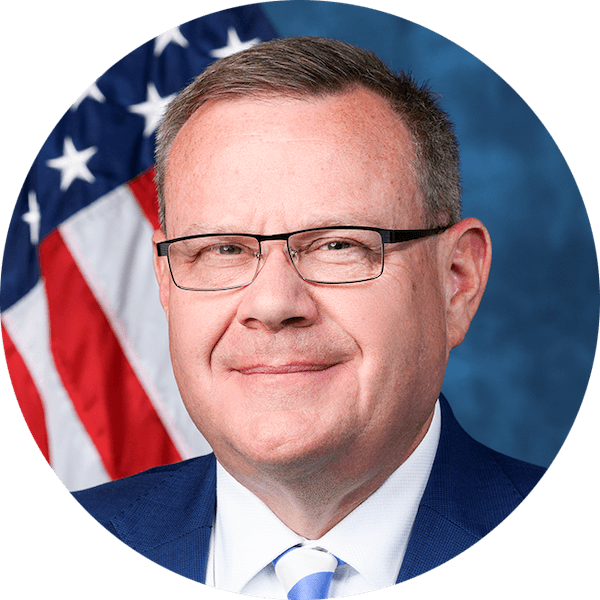
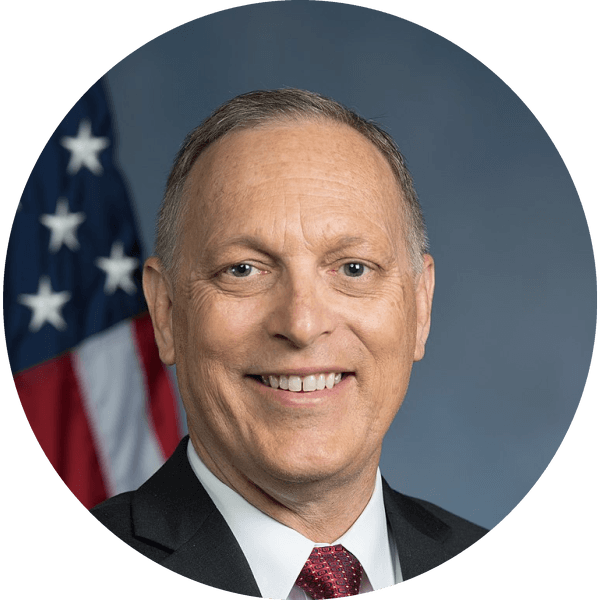
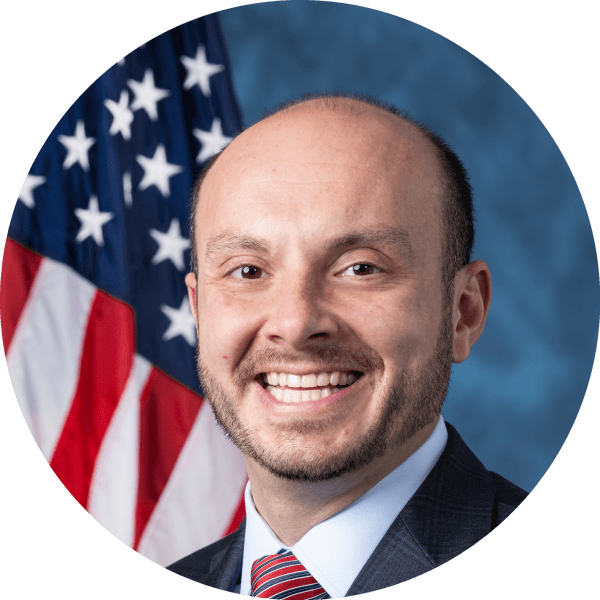
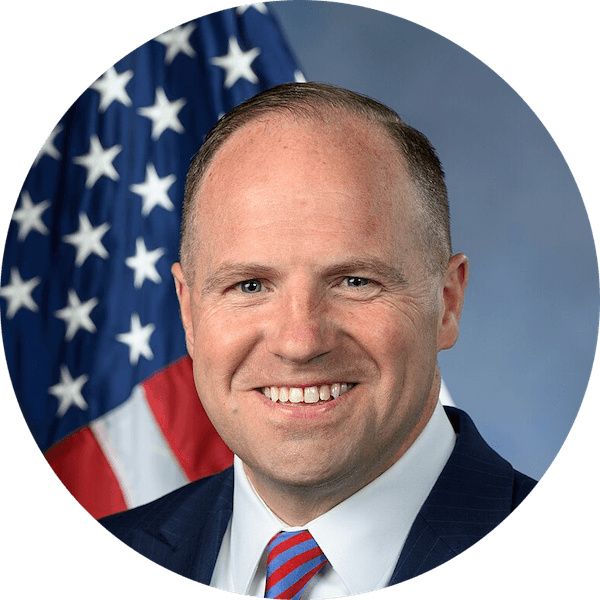
Andy Barr
Republican · KY-6
The banks behind your finance apps get a federal study
Why it matters
If you've ever opened an account through a finance app instead of walking into a branch, a partnership between a fintech company and a chartered bank is usually what made it work. H.R. 6552 orders federal regulators to study whether the rules around those partnerships are helping or hurting, and to report back within a year. It cleared the House Financial Services Committee 53-0.
H.R. 6552 is a study bill, not a rewrite of banking law. It tells three federal regulators — the Federal Reserve, the Office of the Comptroller of the Currency, and the FDIC — to jointly examine how partnerships between banks and fintech companies are affecting the financial system. A separate section assigns the National Credit Union Administration the same task for credit unions.
The regulators are told to look at the broad effects: competition, innovation, consumer protection, and whether people can get to financial products and services. The bill also points them at a specific set of questions — whether these partnerships help new banks and credit unions actually form, speed up how fast products reach customers, lower compliance costs, and give smaller institutions better technology and funding.
The forward-looking part is where the policy fight lives. The agencies aren't just asked to describe the market. They have to identify what changes to federal law, agency rules, or guidance might better support these partnerships. In other words, the bill is built to tee up a later debate over whether oversight should be loosened, clarified, or tightened.
Its limits are real. H.R. 6552 doesn't change a single rule, approve any partnership, or hand out any relief on its own. It sets a one-year deadline for reports to Congress and stops there. The payoff, if there is one, comes later — those reports could become the roadmap lawmakers use to write actual policy on third-party risk, consumer safeguards, and how new banks get chartered.
Bill Progress
Latest Action · Feb 25, 2026
Placed on House floor schedule, Calendar No. 456.
H.R. 6552 Bill Summary
What H.R. 6552 actually does.
Three regulators get one year to study bank-fintech deals
The Federal Reserve, the OCC, and the FDIC must jointly study how partnerships between banks and fintech companies affect the banking sector, competition, innovation, consumer protection, and access to financial products.
A close look at whether partnerships help small and new banks
The study must examine whether these arrangements help new banks form, shorten the time products take to reach customers, lower compliance burdens, win new customers, upgrade technology, and open up more funding sources.
Regulators have to say what rules should change
The agencies must identify which federal laws, regulations, or pieces of guidance could be changed to better support bank-fintech partnerships — the part most likely to drive future legislation.
Credit unions get their own separate review
The National Credit Union Administration must run a parallel study of credit union-fintech partnerships, including whether they help new credit unions form, on the same one-year timeline.
Reports due to Congress within a year
Both studies must be completed and delivered to Congress no later than one year after the bill becomes law.
Who benefits from H.R. 6552?
Community banks
A favorable study would strengthen their case for leaning on fintech partners to modernize services, share technology costs, and compete with the largest banks.
Fintech companies
The reports could lead to clearer federal rules and guidance, making it easier and less risky for them to build products on top of regulated banks and credit unions.
Credit unions
They get a dedicated federal review of their own, which could open the door to more flexibility in partnering with technology firms.
People who bank through apps
If the study leads to rules that let these partnerships expand safely, customers could see more digital options and broader access to financial products.
Who is affected by H.R. 6552?
Federal banking regulators
The Fed, OCC, FDIC, and NCUA would have to run the studies, coordinate their findings, and report to Congress within a year, using existing staff and resources.
Banks and bank holding companies
Their fintech partnerships would be examined closely, including how those arrangements affect risk, compliance, and competition across the sector.
Credit unions
Their use of fintech partners would face the same kind of scrutiny through the NCUA study, which could shape how they're overseen later.
Consumer advocates
They could use the reports to press for stronger protections if the findings show that partnership models create consumer or compliance risks.
HR6552 Legislative Journey
House: Committee Action
Feb 25, 2026
Reported (Amended) by the Committee on Financial Services. H. Rept. 119-531.
House: Vote: 53-0
Dec 17, 2025
Ordered to be Reported (Amended) by the Yeas and Nays: 53 - 0.
House: Committee Action
Dec 16, 2025
Committee Consideration and Mark-up Session Held
House: Committee Action
Dec 10, 2025
Referred to the House Committee on Financial Services.
About the Sponsor
Andy Barr
Republican, Kentucky's 6th congressional district · 13 years in Congress
Committees: House Select Committee on the Strategic Competition Between the United States and the Chinese Communist Party, Financial Services, Foreign Affairs
View full profile →
Cosponsors (6)
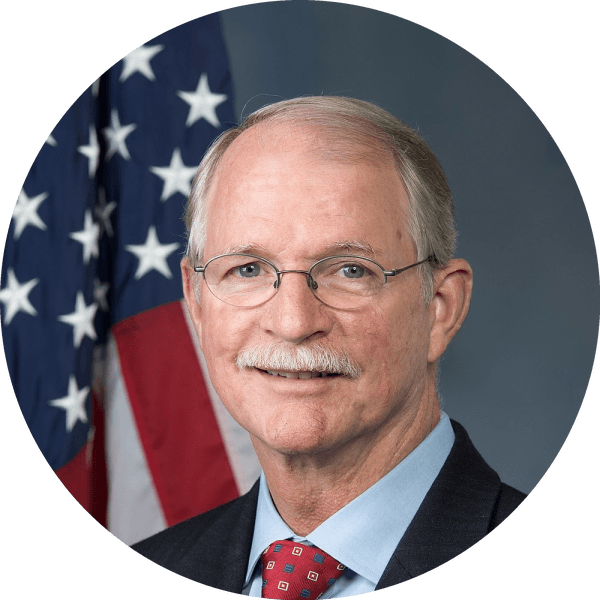
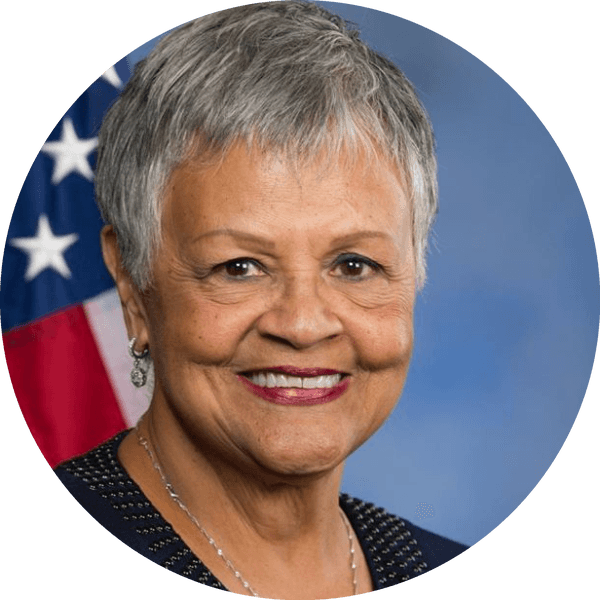
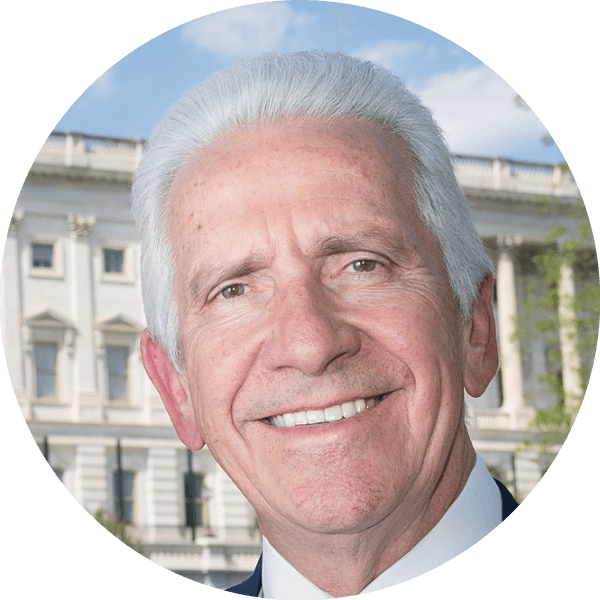
This bill has 6 cosponsors: 2 Democrats, 4 Republicans, reflecting bipartisan support. Cosponsors represent 6 states: Florida, North Carolina, New Jersey, and 3 more.

Committee Sponsors
Financial Services Committee
5 of 53 committee members cosponsored


26 Republicans across this committee haven't cosponsored yet. Mobilize their constituents
H.R. 6552 Quick Facts




- Committee
- Financial Services
- Chamber
- House
- Policy
- Finance and Financial Sector
- Introduced
- Dec 10, 2025
Placed on House floor schedule, Calendar No. 456.
Feb 25, 2026
Official Sources
The official bill record, including text, cosponsors, committee report, and full action history.
The Fed's existing resource on community bank-fintech partnerships, the exact relationship H.R. 6552 directs the Fed to study.
The OCC's hub for bank-fintech arrangements and third-party risk; the OCC is one of the three agencies required to run the study.
FDIC guidance for banks managing fintech and other third-party arrangements; the FDIC is a co-author of the bill's required study.
NCUA's fintech resource center; Section 3 of the bill assigns the NCUA a parallel study of credit union-fintech partnerships.
The 2024 joint Fed/OCC/FDIC statement and request for information on bank-fintech deals — the regulatory backdrop the study builds on.
The statute the bill cites to define 'banking organization' — depository institutions and their holding companies.
Who is lobbying on H.R. 6552?
1 organization lobbying on this bill
CONFERENCE OF PROVINCIALS OF NORTH AMERICA | 1 |
Showing 1-1 of 1 organizations
H.R. 6552 Common Questions
What does H.R. 6552 actually do?
It's a study bill. H.R. 6552 orders federal banking regulators to examine how partnerships between banks and fintech companies are working, then report back to Congress within a year. It doesn't change any banking rules on its own.
What counts as a bank-fintech partnership?
It's an arrangement where a fintech company runs the app or technology while a chartered bank or credit union holds the deposits and carries the license. The bill looks at how these deals affect competition, innovation, and consumers.
Which agencies have to study bank-fintech partnerships?
The Federal Reserve, the Office of the Comptroller of the Currency, and the FDIC run a joint study of bank partnerships. The National Credit Union Administration runs a separate study covering credit unions.
How long do regulators have to report under H.R. 6552?
One year. Both the bank study and the credit union study must be finished and delivered to Congress no later than a year after the bill becomes law.
Does H.R. 6552 change any banking rules?
Not directly. It only requires studies and reports. But regulators must also flag which laws, rules, or guidance they think should change, which could set up future legislation or rule-making.
Why does Congress want this study?
The bill's stated aim is to see whether fintech partnerships help new banks form and keep community banks healthy. Sponsors argue these deals let smaller institutions modernize and compete, and the study is meant to gather the evidence.
Does H.R. 6552 cover credit unions too?
Yes. A separate section directs the National Credit Union Administration to study credit union-fintech partnerships, including whether they help new credit unions form, on the same one-year timeline.
Does H.R. 6552 create any new funding or programs?
No. The bill authorizes no new money and creates no grant or program. The agencies would use existing resources to complete the studies and reports.
Based on H.R. 6552 bill text
H.R. 6552 Bill Text
“To require the Board of Governors of the Federal Reserve System, the Comptroller of the Currency, and the Federal Deposit Insurance Corporation to study how partnerships between fintechs and banking organizations can support new banking organization formation and community bank health, and for other purposes.”
Source: U.S. Government Publishing Office
Get notified when H.R. 6552 moves
Committee votes, floor action, cosponsor changes — straight to your inbox.
Bill alerts + Legisletter's monthly briefing. Unsubscribe anytime.
Finance and Financial Sector Bills
9 related bills we're tracking
America’s Olympic and Paralympic Games Commemorative Coins Act




Referred to the House Committee on Financial Services.
Jul 14, 2025
761st Tank Battalion Congressional Gold Medal Act


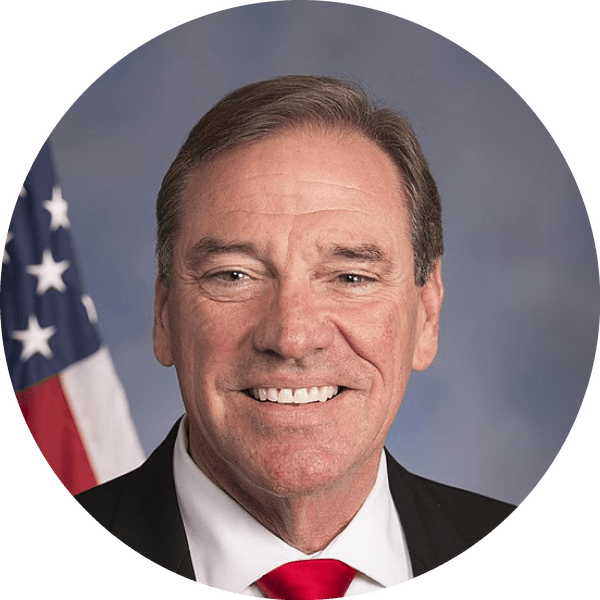
Referred to the Committee on Financial Services, and in addition to the Committee on House Administration, for a period to be subsequently determined by the Speaker, in each case for consideration of such provisions as fall within the jurisdiction of the committee concerned.
Feb 26, 2025
Taxpayer Data Protection Act



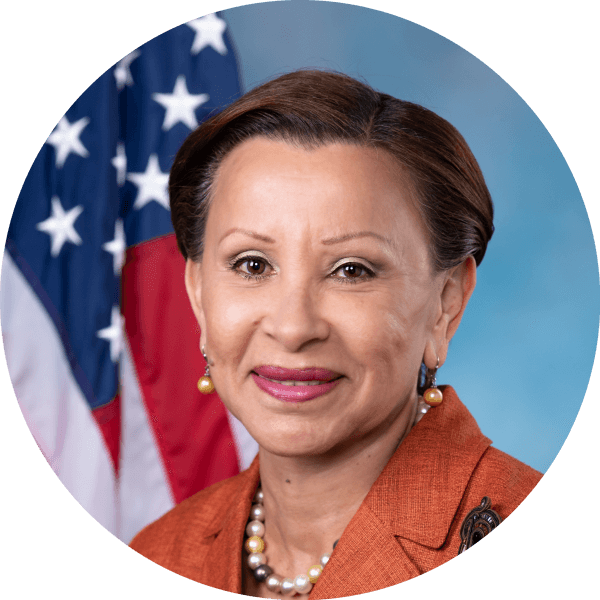

Sponsor introductory remarks on measure. (CR H625-626)
Feb 11, 2025
Repealing Big Brother Overreach Act



Placed on the Union Calendar, Calendar No. 609.
Jun 18, 2026
Rosie the Riveter Commemorative Coin Act


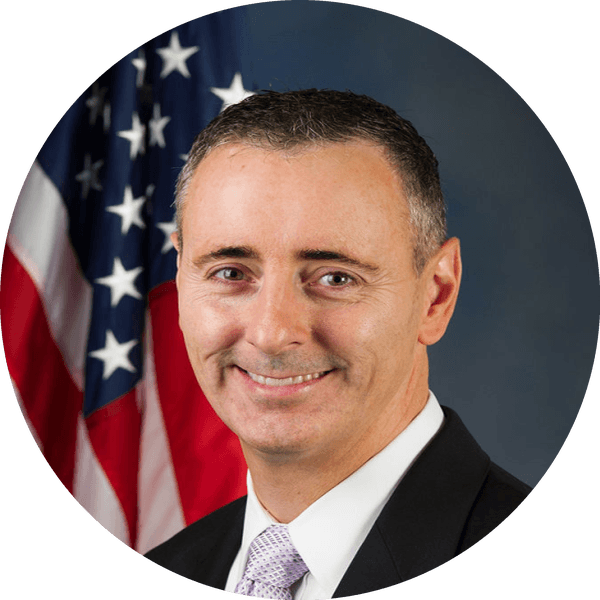


Referred to the House Committee on Financial Services.
Jan 15, 2025
HELPER Act of 2025
Referred to the House Committee on Financial Services.
Mar 14, 2025
Anti-CBDC Surveillance State Act





Motion to reconsider laid on the table Agreed to without objection.
Jul 17, 2025
Protecting Privacy in Purchases Act


Received in the Senate and Read twice and referred to the Committee on Banking, Housing, and Urban Affairs.
Jul 15, 2026
Veterans Member Business Loan Act


Referred to the House Committee on Financial Services.
Jan 16, 2025
Trending Right Now
Bills gaining momentum across Congress
North Platte Canteen Congressional Gold Medal Act



Referred to the House Committee on Financial Services.
Feb 21, 2025
Fit to Serve Act





Referred to the House Committee on Armed Services.
May 21, 2025
ASAP Act


Ordered to be Reported in the Nature of a Substitute by the Yeas and Nays: 40 - 0.
Sep 16, 2026
Tracking Finance and Financial Sector in Congress? Monitor bills, track cosponsor momentum, and launch advocacy campaigns — all from one advocacy platform.