H.R. 5950: Keep SNAP and WIC Funded Act of 2025
Sponsor

Jahana Hayes
Democrat · CT-5
Keep grocery benefits out of the shutdown fight
Why it matters
About 42 million people use SNAP and nearly 7 million use WIC, according to USDA figures. H.R. 5950 would keep both programs paid for through any fiscal 2026 Agriculture funding lapse, and cover benefits missed since September 30, 2025.
H.R. 5950, the Keep SNAP and WIC Funded Act of 2025, is an automatic backstop. If Congress hasn't passed either a full-year Agriculture budget or a stopgap for fiscal 2026, the Treasury pays whatever it takes to keep SNAP and WIC benefits going. No vote, no deal, no waiting.
The protection covers three things: SNAP, WIC, and the nutrition block grants that Puerto Rico and American Samoa receive in place of regular SNAP.
The bill also reaches backward. Benefits missed from September 30, 2025 until the day it becomes law would be paid. So would state costs. A state that kept issuing benefits during a lapse, and followed federal rules while doing it, could be reimbursed for both the benefits and the cost of running the program.
It is a one-year fix, not a permanent change. The backstop shuts off once Congress passes Agriculture funding for fiscal 2026, including a stopgap, or on September 30, 2026, whichever comes first. Any money spent under it is later charged to the regular Agriculture budget.
Bill Progress
Latest Action · Nov 7, 2025
Referred to the House Committee on Appropriations.
H.R. 5950 Bill Summary
What H.R. 5950 actually does.
Benefits keep loading during a shutdown
If Agriculture funding for fiscal 2026 lapses, the bill automatically provides the money needed to keep SNAP benefits flowing and WIC operating without interruption.
Puerto Rico and American Samoa are covered too
The nutrition block grants these territories receive instead of standard SNAP get the same automatic protection.
Missed benefits get paid
Benefits that went unpaid from September 30, 2025 through the day the bill becomes law would be covered.
States that kept benefits going get repaid
USDA would reimburse state agencies for benefits issued and administrative costs during a lapse, as long as they ran the programs under federal law and regulations.
The backstop has an end date
The automatic funding stops when Congress enacts Agriculture appropriations for fiscal 2026, including a continuing resolution, or on September 30, 2026, whichever comes first.
Spending is settled up afterward
Money spent under the bill is charged to the regular Agriculture appropriation once Congress passes it.
Who benefits from H.R. 5950?
Households that buy groceries with SNAP
Roughly 42 million people, according to USDA figures. Monthly benefits would keep arriving on schedule even if Agriculture funding lapses.
Pregnant women, new mothers, infants and young children on WIC
Nearly 7 million participants, per USDA. WIC clinics and benefits for formula, milk and produce would keep running during a lapse.
Families in Puerto Rico and American Samoa
Their territory nutrition programs are funded through block grants rather than SNAP, and the bill protects those grants the same way.
State agencies that run food assistance
A state that fronts the money to keep benefits going during a lapse would have a clear path to be paid back.
Who is affected by H.R. 5950?
State SNAP and WIC agencies
Reimbursement depends on following federal rules during the lapse. A state that changes eligibility or benefit levels on its own could be left with the bill.
Congressional appropriators
Food aid would no longer run out during an Agriculture funding standoff, which removes one source of pressure to reach a deal quickly.
USDA
The department would have to issue benefits and reimburse states during a lapse, then charge that spending to the regular appropriation once it passes.
Federal taxpayers
The bill sets no dollar cap. It draws whatever is needed from the Treasury for the covered programs while the lapse lasts.
HR5950 Legislative Journey
House: Committee Action
Nov 7, 2025
Referred to the House Committee on Appropriations.
About the Sponsor
Jahana Hayes
Democrat, Connecticut's 5th congressional district · 7 years in Congress
Committees: Agriculture, Education and Workforce
View full profile →
Cosponsors (101)
This bill has 101 cosponsors: 100 Democrats, 1 Republican. Cosponsors represent 33 states: Alabama, Arizona, California, and 30 more.

Alma Adams
Democrat · NC

Yassamin Ansari
Democrat · AZ
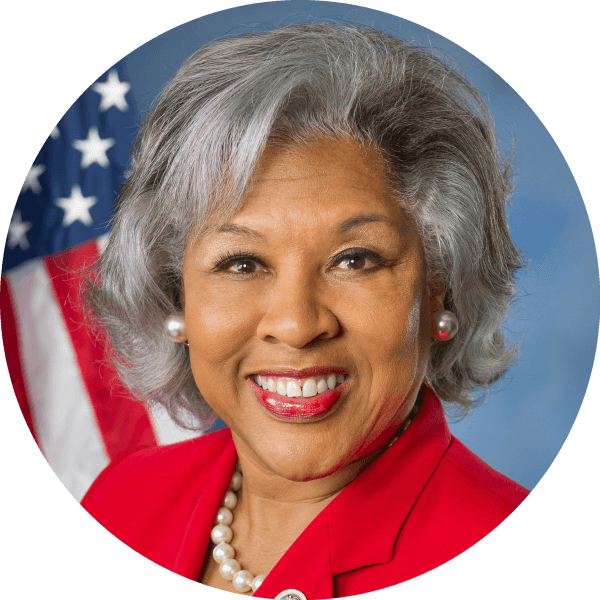
Joyce Beatty
Democrat · OH

Wesley Bell
Democrat · MO
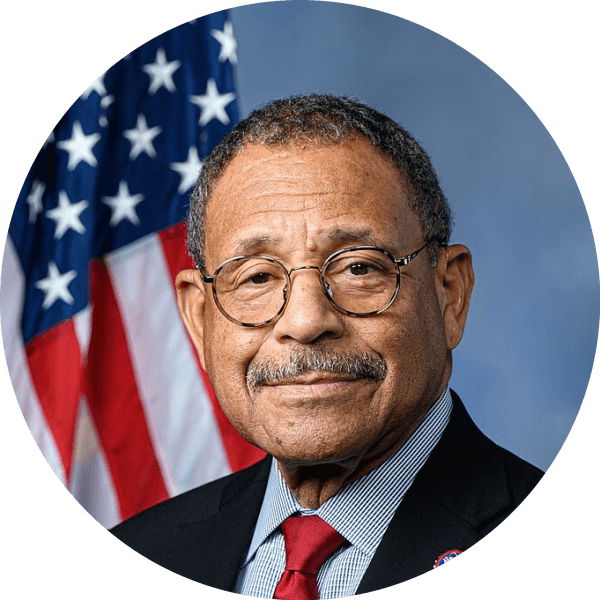
Sanford Bishop
Democrat · GA
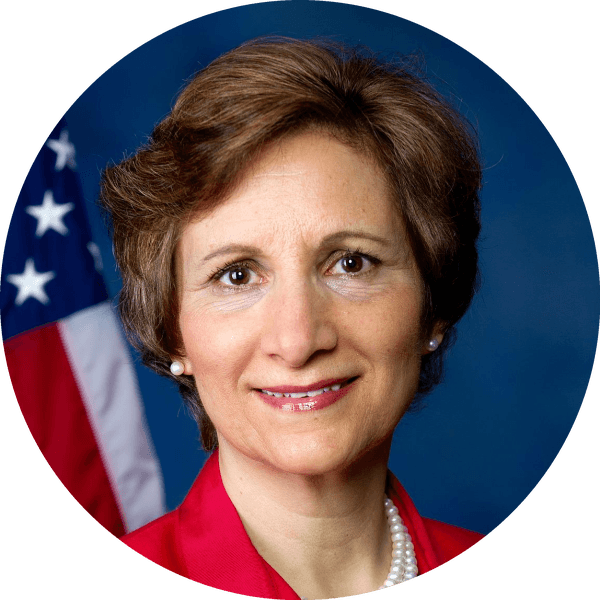
Suzanne Bonamici
Democrat · OR

Shontel Brown
Democrat · OH

Nikki Budzinski
Democrat · IL
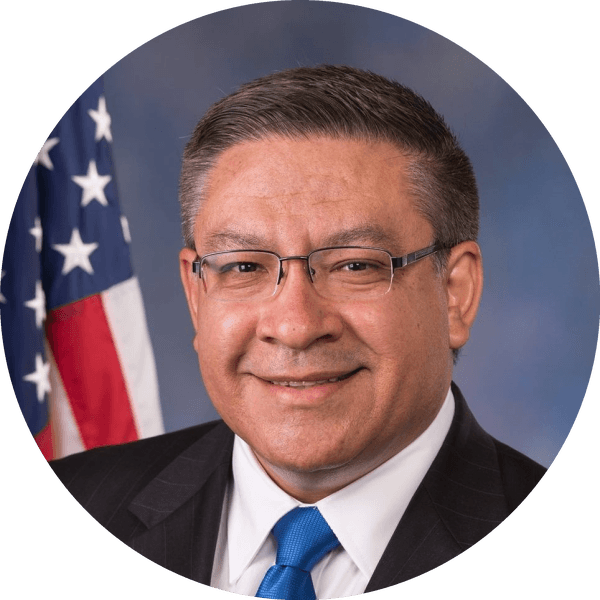
Salud Carbajal
Democrat · CA
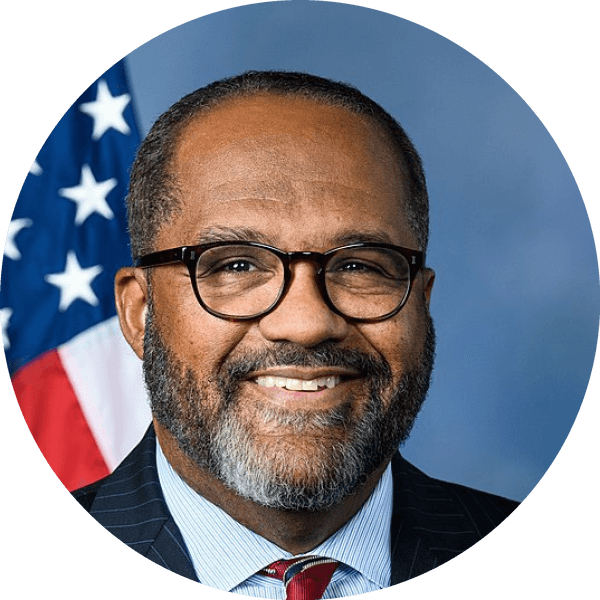
Troy Carter
Democrat · LA

Sean Casten
Democrat · IL

Judy Chu
Democrat · CA
Cosponsor Coverage Map
Committee Sponsors
Appropriations Committee
12 of 63 committee members cosponsored


16 Democrats across this committee haven't cosponsored yet. Mobilize their constituents
H.R. 5950 Quick Facts
- Committee
- Appropriations
- Chamber
- House
- Policy
- Agriculture and Food
- Introduced
- Nov 7, 2025
Referred to the House Committee on Appropriations.
Nov 7, 2025
Official Sources
Official bill page with text, status, sponsor and cosponsors, and committee actions.
USDA overview of SNAP, the main program the bill would keep paying during a fiscal 2026 Agriculture funding lapse.
USDA home page for WIC, the program for pregnant women, new mothers, infants and young children that the bill funds without interruption.
How Puerto Rico and American Samoa receive food assistance through block grants instead of SNAP, the second stream the bill protects.
USDA monthly and annual SNAP participation and benefit totals, the source for how many people and dollars a lapse would affect.
The statute that establishes SNAP, cited by the bill as the program it keeps funded.
Section 19 of the Food and Nutrition Act, the block-grant authority the bill names for Puerto Rico and American Samoa.
Section 17 of the Child Nutrition Act of 1966, the WIC authority the bill cites.
H.R. 5950 Common Questions
Would H.R. 5950 keep SNAP benefits coming during a government shutdown?
Yes, for fiscal 2026. If Congress hasn't funded the Department of Agriculture, the bill automatically pays for SNAP benefits so they keep arriving on schedule.
Does H.R. 5950 protect WIC for pregnant women and babies?
Yes. WIC gets the same automatic funding, so clinics and benefits for formula, milk and produce would keep running during a fiscal 2026 Agriculture funding lapse.
Would I get back SNAP benefits I missed during the 2025 shutdown?
The bill covers benefits missed from September 30, 2025 until the day it becomes law. It has not passed, so that repayment is not in effect.
Are Puerto Rico and American Samoa covered?
Yes. Both territories get nutrition block grants instead of standard SNAP, and the bill protects those grants the same way it protects SNAP and WIC.
What happens to states that pay SNAP benefits out of their own budget during a shutdown?
USDA would reimburse them for the benefits and the cost of running the program, as long as the state followed federal law and regulations during the lapse.
How much would H.R. 5950 cost?
There is no dollar cap. It pays whatever the programs need during a lapse, and that spending is later charged to the regular Agriculture budget, so it changes timing more than the total.
Would H.R. 5950 protect SNAP in every future shutdown?
No. It only applies to fiscal 2026 and ends when Congress passes Agriculture funding for that year, including a stopgap, or on September 30, 2026.
Based on H.R. 5950 bill text
H.R. 5950 Bill Text
“To appropriate funds to ensure uninterrupted benefits under the supplemental nutrition assistance program and the special supplemental nutrition program for women, infants, and children.”
Source: U.S. Government Publishing Office
Get notified when H.R. 5950 moves
Committee votes, floor action, cosponsor changes — straight to your inbox.
Bill alerts + Legisletter's monthly briefing. Unsubscribe anytime.
Agriculture and Food Bills
9 related bills we're tracking
SAFE Act of 2025


Referred to the Subcommittee on Livestock, Dairy, and Poultry.
Mar 28, 2025
Restoring Food Security for American Families and Farmers Act of 2025

Referred to the Subcommittee on Nutrition and Foreign Agriculture.
Jan 13, 2026
EATS Act of 2025


Referred to the House Committee on Agriculture.
Jul 29, 2025
Hot Foods Act of 2025


Referred to the Subcommittee on Nutrition and Foreign Agriculture.
Apr 18, 2025
Whole Milk for Healthy Kids Act of 2025

Placed on the Union Calendar, Calendar No. 111.
Jun 5, 2025
WIC Benefits Protection Act



Referred to the House Committee on Education and Workforce.
Oct 10, 2025
Food Secure Strikers Act of 2025




Referred to the Subcommittee on Nutrition and Foreign Agriculture.
Apr 18, 2025
Improving Access to Nutrition Act of 2026

Referred to the Subcommittee on Nutrition and Foreign Agriculture.
Mar 20, 2026
Fairness for Victims of SNAP Skimming Act of 2025


Referred to the House Committee on Agriculture.
Apr 30, 2025
Trending Right Now
Bills gaining momentum across Congress
North Platte Canteen Congressional Gold Medal Act



Referred to the House Committee on Financial Services.
Feb 21, 2025
America’s Olympic and Paralympic Games Commemorative Coins Act




Referred to the House Committee on Financial Services.
Jul 14, 2025
Fit to Serve Act



Referred to the House Committee on Armed Services.
May 21, 2025
Tracking Agriculture and Food in Congress? Monitor bills, track cosponsor momentum, and launch advocacy campaigns — all from one advocacy platform.