H.R. 1661: SAFE Act of 2025
Sponsor

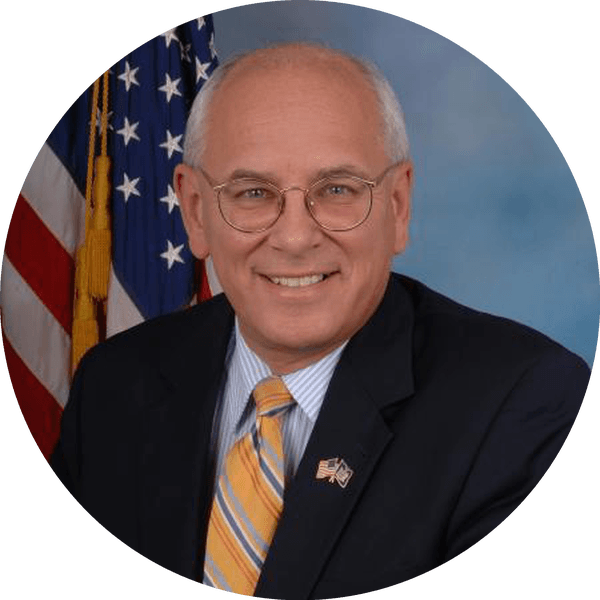
Vern Buchanan
Republican · FL-16
America already banned eating dogs — horses deserve the same
Why it matters
210 bipartisan cosponsors. Federal law already bans slaughtering dogs and cats for human consumption. But horses, mules, and donkeys? Still legal under permanent federal statute. The only thing stopping U.S. horse slaughter plants from reopening is an annual appropriations rider that blocks USDA inspection funding — a rider that can be quietly dropped from any spending bill. H.R. 1661 makes the ban permanent and closes the export pipeline that ships tens of thousands of American horses to slaughter facilities in Mexico and Canada each year.
The bill is two sentences long. It amends the Agriculture Improvement Act of 2018 — the law that banned slaughtering dogs and cats for human consumption — to add "equine" alongside "dog or cat" everywhere the prohibition appears.
That single word insertion does three things. First, it makes slaughtering any horse, mule, or donkey for human food a federal crime. Second, it outlaws shipping, transporting, buying, selling, or donating equines for the purpose of slaughter for human consumption — which targets the export pipeline to foreign slaughter facilities. Third, it extends the same criminal penalties (federal fines) that already apply to dog and cat slaughter.
Two important boundaries. The ban applies only when the conduct occurs in interstate or foreign commerce or within federal maritime and territorial jurisdiction. And there is a carve-out: activities carried out by an Indian for a religious ceremony are exempt from the prohibition.
The companion bill, S. 775, is identical legislation introduced in the Senate on the same day.
Bill Progress
Latest Action · Mar 28, 2025
Assigned to Subcommittee on Livestock, Dairy, and Poultry. for review
H.R. 1661 Bill Summary
What H.R. 1661 actually does.
Horses join dogs and cats under the federal slaughter ban
The bill adds equines — horses, mules, and donkeys — to the same permanent federal prohibition that already makes it a crime to slaughter dogs and cats for human consumption. This moves the protection from a year-to-year funding trick to a law that would take an act of Congress to reverse.
The export pipeline shuts down
Beyond banning domestic slaughter, the bill outlaws shipping, transporting, possessing, purchasing, selling, or donating equines if the purpose is slaughter for human consumption. That targets the pipeline of American horses transported across the border to slaughter facilities in Mexico and Canada.
Federal criminal penalties for violations
Anyone who violates the ban faces federal fines when the conduct occurs in or affects interstate or foreign commerce, or within U.S. maritime and territorial jurisdiction. This gives DOJ and USDA jurisdiction over multi-state traders, auction houses, and exporters.
Religious ceremonies on tribal land are exempt
The bill carves out activities carried out by an Indian for a religious ceremony. This narrow exemption preserves certain tribal practices while maintaining the commercial ban.
Who benefits from H.R. 1661?
Horses currently in the slaughter pipeline
Tens of thousands of American horses are shipped to Mexico and Canada for slaughter each year. The bill would make that entire pipeline illegal under federal law — from the buyer at auction to the trucker hauling horses across the border.
Horse owners and equine rescue organizations
Rescue groups that compete with kill buyers at livestock auctions would no longer face a commercial slaughter market driving demand for horses. Owners surrendering horses would have fewer outlets that route animals to slaughter.
Members of Congress looking for a bipartisan win
210 cosponsors across both parties. Animal welfare polls well with suburban and swing-district voters. For many members, co-sponsoring is a no-cost signal to constituents that they can work across the aisle on something popular.
Who is affected by H.R. 1661?
Kill buyers and horse export operators
The commercial pipeline — buyers who purchase horses at auction and transport them to foreign slaughter plants — would become a federal crime. This is a direct hit to an existing, operating industry.
Ranchers and breeders managing unwanted equines
Opponents argue that removing the slaughter option increases costs for managing horses that can no longer be sold into the slaughter market. Without a commercial end-of-life outlet, the burden of caring for unwanted equines shifts to owners, rescues, and public land management.
Racing industry stakeholders
Thoroughbred and quarter horse racing produce a steady flow of retired horses. Some in the industry rely on slaughter markets as a disposal channel for horses that can no longer race. The bill would close that option and increase pressure on industry-funded retirement and rehoming programs.
HR1661 Legislative Journey
House: Committee Action
Mar 28, 2025
Referred to the Subcommittee on Livestock, Dairy, and Poultry.
House: Committee Action
Feb 27, 2025
Referred to the House Committee on Agriculture.
About the Sponsor
Vern Buchanan
Republican, Florida's 16th congressional district · 19 years in Congress
Committees: Joint Committee on Taxation, Ways and Means
View full profile →
Cosponsors (238)
This bill has 238 cosponsors: 199 Democrats, 39 Republicans, reflecting bipartisan support. Cosponsors represent 38 states: Arizona, California, Colorado, and 35 more.

Janice Schakowsky
Democrat · IL
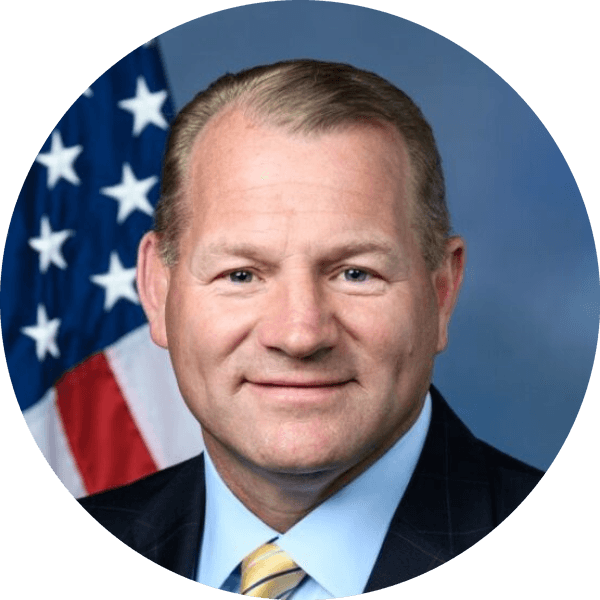
Troy Nehls
Republican · TX

Donald Beyer
Democrat · VA

Juan Ciscomani
Republican · AZ

Emanuel Cleaver
Democrat · MO

Claudia Tenney
Republican · NY

Henry Johnson
Democrat · GA

Young Kim
Republican · CA

Bill Foster
Democrat · IL

W. Steube
Republican · FL

Lucy McBath
Democrat · GA

Christopher Smith
Republican · NJ
Cosponsor Coverage Map
Committee Sponsors
Agriculture Committee
22 of 53 committee members cosponsored


28 Republicans across this committee haven't cosponsored yet. Mobilize their constituents
H.R. 1661 Quick Facts
- Committee
- Agriculture
- Chamber
- House
- Policy
- Agriculture and Food
- Introduced
- Feb 27, 2025
Assigned to Subcommittee on Livestock, Dairy, and Poultry. for review
Mar 28, 2025
Official Sources
Full bill text, 210 cosponsors, committee referrals, and status tracking for the SAFE Act of 2025
The permanent federal statute H.R. 1661 amends — currently prohibits slaughter of dogs and cats for human consumption, the bill adds equines
Identical SAFE Act legislation introduced in the Senate, referred to the Committee on Agriculture, Nutrition, and Forestry
The subcommittee where H.R. 1661 was referred in March 2025 — controls whether the bill gets a hearing or markup
Senate committee with jurisdiction over S. 775, the companion bill — the other chamber the SAFE Act must clear
USDA overview of the Agriculture Improvement Act of 2018, which created the dog and cat slaughter ban at Section 12515 that H.R. 1661 amends
USDA APHIS page on the separate Horse Protection Act addressing soring and equine welfare — distinct from the slaughter ban but part of federal equine protection
Federal law requiring humane treatment of livestock at slaughter — the broader regulatory framework that FSIS enforces for equine and other livestock species
H.R. 1661 Common Questions
Is horse slaughter currently legal in the United States?
Technically, yes. No permanent federal law bans it. The only thing preventing it is an annual appropriations rider that blocks USDA from funding horse slaughter inspections. H.R. 1661 would make the ban permanent by adding equines to the federal dog and cat slaughter prohibition.
What happens to horses exported to Mexico and Canada for slaughter?
Tens of thousands of American horses are shipped across the border annually to slaughter facilities in those countries. H.R. 1661 would make it a federal crime to transport, sell, or donate equines for slaughter — shutting down the entire export pipeline, not just domestic plants.
Does the SAFE Act cover mules and donkeys, or just horses?
All equines are covered. The bill adds the word "equine" to the existing federal ban, which includes horses, mules, and donkeys.
What are the penalties for violating the horse slaughter ban?
Federal fines. The bill uses the same penalty structure that already applies to slaughtering dogs and cats for human consumption. Violations must occur in or affect interstate or foreign commerce for federal jurisdiction to apply.
Are tribal religious ceremonies exempt from the horse slaughter ban?
Yes. H.R. 1661 exempts activities carried out by an Indian for a religious ceremony. This carve-out preserves certain tribal practices while maintaining the ban on commercial slaughter and the export pipeline.
Why does the SAFE Act have 210 cosponsors but hasn't passed?
The bill sits in the House Agriculture Committee's Subcommittee on Livestock, Dairy, and Poultry. Despite strong bipartisan support, the subcommittee chair controls whether it gets a hearing. Ranching, racing, and some rural interests oppose it, and that opposition has weight in the Agriculture Committee.
Is there a Senate version of the SAFE Act?
Yes. S. 775, introduced the same day as H.R. 1661, is identical legislation in the Senate. It was referred to the Senate Committee on Agriculture, Nutrition, and Forestry.
Based on H.R. 1661 bill text
H.R. 1661 Bill Text
“To amend the Agriculture Improvement Act of 2018 to prohibit the slaughter of equines for human consumption.”
Source: U.S. Government Publishing Office
Get notified when H.R. 1661 moves
Committee votes, floor action, cosponsor changes — straight to your inbox.
Bill alerts + Legisletter's monthly briefing. Unsubscribe anytime.
Agriculture and Food Bills
9 related bills we're tracking
Restoring Food Security for American Families and Farmers Act of 2025





Referred to the Subcommittee on Nutrition and Foreign Agriculture.
Jan 13, 2026
EATS Act of 2025



Referred to the House Committee on Agriculture.
Jul 29, 2025
Hot Foods Act of 2025




Referred to the Subcommittee on Nutrition and Foreign Agriculture.
Apr 18, 2025
Whole Milk for Healthy Kids Act of 2025




Placed on the Union Calendar, Calendar No. 111.
Jun 5, 2025
Keep SNAP and WIC Funded Act of 2025

Referred to the House Committee on Appropriations.
Nov 7, 2025
WIC Benefits Protection Act




Referred to the House Committee on Education and Workforce.
Oct 10, 2025
Food Secure Strikers Act of 2025




Referred to the Subcommittee on Nutrition and Foreign Agriculture.
Apr 18, 2025
Improving Access to Nutrition Act of 2026


Referred to the Subcommittee on Nutrition and Foreign Agriculture.
Mar 20, 2026
Fairness for Victims of SNAP Skimming Act of 2025



Referred to the House Committee on Agriculture.
Apr 30, 2025
Trending Right Now
Bills gaining momentum across Congress
North Platte Canteen Congressional Gold Medal Act





Referred to the House Committee on Financial Services.
Feb 21, 2025
Fit to Serve Act





Referred to the House Committee on Armed Services.
May 21, 2025
ASAP Act



Ordered to be Reported in the Nature of a Substitute by the Yeas and Nays: 40 - 0.
Sep 16, 2026
Tracking Agriculture and Food in Congress? Monitor bills, track cosponsor momentum, and launch advocacy campaigns — all from one advocacy platform.