H.R. 2357: Food Secure Strikers Act of 2025
Sponsor

Alma Adams
Democrat · NC-12
A strike shouldn't cost your family its groceries
Why it matters
When a strike stops your paycheck, federal SNAP law freezes your family's food aid at the pre-strike level, and bars households that only qualify because of the strike. H.R. 2357 repeals that rule, so striking households are judged on their actual income like anyone else.
Since 1981, federal SNAP law has treated a strike differently from every other drop in income. A household with a member on strike cannot join SNAP. A household that was already enrolled keeps its benefits, but it cannot get a larger amount because the striker's pay disappeared.
H.R. 2357 deletes that strike rule, so a striking worker's household would qualify for SNAP the same way any other household with the same income would. A laid-off worker and a striking worker earning nothing would be treated alike.
The freeze is where the practical difference shows up. Say your family received $250 a month in SNAP before the strike. Today that stays $250 while your wages fall to zero. Under the bill, your caseworker would recalculate the benefit on the income you actually have that month.
The bill also removes a separate rule covering government workers. Federal, state, and local employees fired for striking against their public employer are now treated as if they quit their job without good cause, which can trigger a SNAP work-rule penalty. H.R. 2357 strikes that provision.
Everything else about SNAP stays in place: income and asset limits, household rules, and work requirements. The Supreme Court upheld the current strike rule in 1988 in Lyng v. UAW, finding Congress had the power to write it, which means Congress is also the body that would have to repeal it.
Bill Progress
Latest Action · Apr 18, 2025
Assigned to Subcommittee on Nutrition and Foreign Agriculture. for review
H.R. 2357 Bill Summary
What H.R. 2357 actually does.
Going on strike no longer blocks SNAP eligibility
Current law says a household cannot participate in SNAP while a member not exempt from work registration is on strike. The bill flips that language: a household cannot be made ineligible because a member is on strike.
Benefits can rise when a striker's paycheck stops
The bill deletes the rule that freezes a striking household's benefit at its pre-strike level. Benefits would be calculated on the household's current income, the same as for any other applicant.
Public workers fired for striking lose a SNAP penalty
Federal, state, and local employees dismissed for striking against their government employer would no longer be automatically treated as having quit voluntarily without good cause for SNAP purposes.
All other SNAP rules still apply
Income limits, asset tests, household composition rules, and work requirements are unchanged. The bill removes only the strike-specific treatment.
Who benefits from H.R. 2357?
Low-wage workers weighing whether to strike
Warehouse, retail, hotel, food-service, and care workers whose households could qualify for SNAP once wages stop would be able to apply, rather than being barred for the length of the strike.
Children and spouses of striking workers
Household members who are not on strike themselves are currently covered by the same bar. Under the bill, the family's eligibility would turn on what the household actually earns that month.
Families already on SNAP when a strike starts
Households enrolled before the walkout would see their benefit recalculated on their lower income instead of held at the pre-strike amount.
Public employees fired over a strike
Government workers dismissed for striking would be evaluated like any other applicant who lost a job, without an automatic voluntary-quit finding.
Who is affected by H.R. 2357?
State SNAP agencies
Caseworkers would stop screening applicants for strike status and would need to update eligibility systems, notices, and training that currently apply the strike rule.
Employers in labor disputes
Striking workers with access to food assistance may be able to stay out longer. Employer groups have historically argued this tilts the balance of a dispute; unions argue it removes a penalty on families.
Federal SNAP spending
More households could enroll during strikes, and some existing households would receive larger benefits while a strike lasts. Total cost depends on how many strikes occur and how long they run.
HR2357 Legislative Journey
House: Committee Action
Apr 18, 2025
Referred to the Subcommittee on Nutrition and Foreign Agriculture.
House: Committee Action
Mar 26, 2025
Referred to the House Committee on Agriculture.
About the Sponsor
Alma Adams
Democrat, North Carolina's 12th congressional district · 12 years in Congress
Committees: Agriculture, Education and Workforce
View full profile →
Cosponsors (86)
All 86 cosponsors are Democrats. Cosponsors represent 31 states: Arizona, California, Colorado, and 28 more.

Greg Casar
Democrat · TX

Eleanor Norton
Democrat · DC

Morgan McGarvey
Democrat · KY

Summer Lee
Democrat · PA

Jesús García
Democrat · IL

Janice Schakowsky
Democrat · IL

Paul Tonko
Democrat · NY

Robert Garcia
Democrat · CA

Nikki Budzinski
Democrat · IL
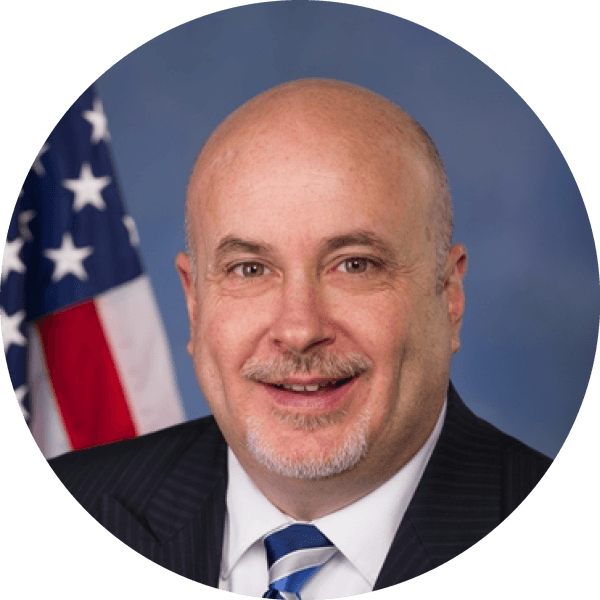
Mark Pocan
Democrat · WI

Steve Cohen
Democrat · TN

Lucy McBath
Democrat · GA
Committee Sponsors
Agriculture Committee
12 of 53 committee members cosponsored


12 Democrats across this committee haven't cosponsored yet. Mobilize their constituents
H.R. 2357 Quick Facts
- Committee
- Agriculture
- Chamber
- House
- Policy
- Agriculture and Food
- Introduced
- Mar 26, 2025
Assigned to Subcommittee on Nutrition and Foreign Agriculture. for review
Apr 18, 2025
Official Sources
Official bill text, cosponsors, and legislative history for the Food Secure Strikers Act of 2025
USDA page that describes the current strike-related SNAP disqualification this bill would repeal
Official USDA page covering all SNAP eligibility criteria, including income limits, work requirements, and disqualifications
USDA page explaining the work registration and employment requirements that interact with the bill's strike provisions
The exact federal statute this bill amends — subsection (d) contains the strike-related disqualification language being deleted
Official SNAP program overview from the USDA Food and Nutrition Administration
NLRB page explaining the legal framework for strikes under the National Labor Relations Act — the labor-law backdrop for this bill
The subcommittee to which H.R. 2357 has been referred, with jurisdiction over SNAP and nutrition policy
H.R. 2357 Common Questions
Can you get SNAP benefits while on strike?
Under current law, usually not. A household cannot join SNAP while a member is on strike, and an already-enrolled household cannot get a bigger benefit. H.R. 2357 would remove both limits, so strikers qualify on the same terms as anyone else.
If my family was already on SNAP, what changes during a strike?
Today your benefit is frozen at the pre-strike amount even if your wages drop to zero. Under H.R. 2357, it would be recalculated on your household's actual income, so it could go up while the strike lasts.
Does the strike rule apply to my spouse and kids?
Yes. Current law applies to the whole household, not just the person on strike. H.R. 2357 would base the family's eligibility on its income like any other household.
What happens to government workers fired for striking?
Right now, federal, state, and local employees dismissed for striking against their government employer are treated as having quit without good cause, which can trigger a SNAP penalty. H.R. 2357 removes that rule.
Would strikers skip SNAP's income limits or work requirements?
No. Income limits, asset tests, and work requirements would all still apply. The bill removes only the strike-specific rules.
Why were strikers barred from SNAP in the first place?
Congress added the rule in 1981, arguing that federal food aid should not support one side of a labor dispute. The Supreme Court upheld it in 1988 in Lyng v. UAW.
Is H.R. 2357 law yet?
No. It was introduced in March 2025 by Rep. Alma Adams (D-NC) and sits in the House Subcommittee on Nutrition and Foreign Agriculture. It has 85 Democratic cosponsors and would need to pass both chambers and be signed.
Based on H.R. 2357 bill text
H.R. 2357 Bill Text
“To amend the Food and Nutrition Act of 2008 to ensure that striking workers and their households do not become ineligible for benefits under the supplemental nutrition assistance program, and for other purposes.”
Source: U.S. Government Publishing Office
Get notified when H.R. 2357 moves
Committee votes, floor action, cosponsor changes — straight to your inbox.
Bill alerts + Legisletter's monthly briefing. Unsubscribe anytime.
Agriculture and Food Bills
9 related bills we're tracking
SAFE Act of 2025




Referred to the Subcommittee on Livestock, Dairy, and Poultry.
Mar 28, 2025
Restoring Food Security for American Families and Farmers Act of 2025




Referred to the Subcommittee on Nutrition and Foreign Agriculture.
Jan 13, 2026
EATS Act of 2025




Referred to the House Committee on Agriculture.
Jul 29, 2025
Hot Foods Act of 2025




Referred to the Subcommittee on Nutrition and Foreign Agriculture.
Apr 18, 2025
Whole Milk for Healthy Kids Act of 2025




Placed on the Union Calendar, Calendar No. 111.
Jun 5, 2025
Keep SNAP and WIC Funded Act of 2025


Referred to the House Committee on Appropriations.
Nov 7, 2025
WIC Benefits Protection Act





Referred to the House Committee on Education and Workforce.
Oct 10, 2025
Improving Access to Nutrition Act of 2026


Referred to the Subcommittee on Nutrition and Foreign Agriculture.
Mar 20, 2026
Fairness for Victims of SNAP Skimming Act of 2025



Referred to the House Committee on Agriculture.
Apr 30, 2025
Trending Right Now
Bills gaining momentum across Congress
America’s Olympic and Paralympic Games Commemorative Coins Act





Referred to the House Committee on Financial Services.
Jul 14, 2025
Fit to Serve Act





Referred to the House Committee on Armed Services.
May 21, 2025
ASAP Act



Ordered to be Reported in the Nature of a Substitute by the Yeas and Nays: 40 - 0.
Sep 16, 2026
Tracking Agriculture and Food in Congress? Monitor bills, track cosponsor momentum, and launch advocacy campaigns — all from one advocacy platform.