H.R. 5341: LOCAL Foods Act of 2025
Sponsor

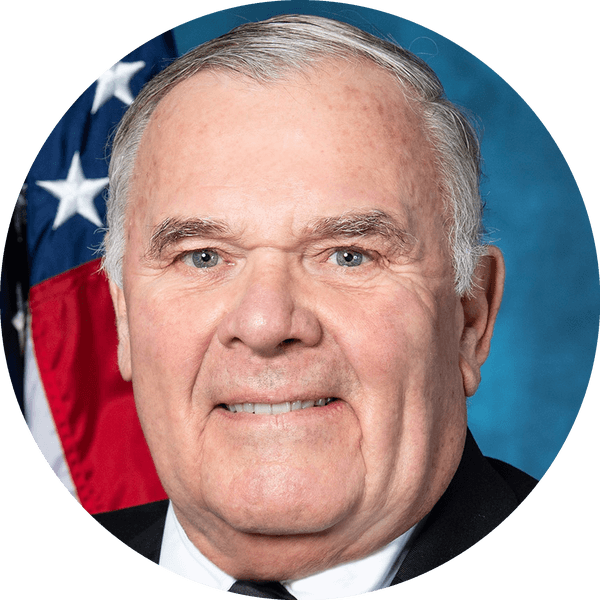
Eugene Vindman
Democrat · VA-7
Splitting a cow with your neighbors, now clearly legal
Why it matters
Federal law already lets you slaughter an animal you raised and stock your own freezer without a federal inspector on site — but the old wording assumed you owned the whole animal yourself. H.R. 5341 extends that exemption to anyone who owns an animal "in whole or in part," clearing up a gray area for the cow-share and herd-share arrangements where several families split a steer. The meat still can't be sold to the public. The bipartisan bill was referred to the House Agriculture Committee in September 2025.
The Federal Meat Inspection Act has carved out a personal-use exemption for decades. If you raise an animal and slaughter it for your own table — your household, your nonpaying guests, your employees — you don't need a federal inspector on site, the way a commercial plant does.
The catch was the language. The old text covered "animals of his own raising" used "by him." That fit a single farmer with his own cattle. It didn't clearly cover a cow share, where several families buy into one animal together.
H.R. 5341, the LOCAL Foods Act of 2025, rewrites that line. The exemption would apply to anyone who owns the animals "in whole or in part." Partial owners clearly qualify, which is the whole point — the bill's full name is the Livestock Owned by Communities to Advance Local Foods Act.
The limits stay firmly in place. The meat is still for owners, their households, their nonpaying guests, and their employees only. There's no authority to sell it to the public, no new retail market, and no change to how inspected commercial meat is handled.
The bill also lets an owner bring in a hired hand — an "agent" — to help with the slaughter, the butchering, or hauling the meat. If they do, the owner has to keep custody of the meat and keep it specifically identified as theirs, under standards the Secretary of Agriculture would write. That rulemaking is the part to watch, since it decides how much paperwork a cow share actually involves.
Bill Progress
Latest Action · Dec 2, 2025
Assigned to Subcommittee on Livestock, Dairy, and Poultry. for review
H.R. 5341 Bill Summary
What H.R. 5341 actually does.
Partial owners clearly qualify for the exemption
The bill rewrites the custom-slaughter exemption to apply to any person who owns the animals "in whole or in part," so shared arrangements like cow shares and herd shares fit the same personal-use carve-out a sole owner has always had.
The meat still can't be sold to the public
Use stays limited to four groups: an owner, the owner's household, the owner's nonpaying guests, and the owner's employees. The bill creates no authority to sell exempt meat at a store, market, or restaurant.
Owners can hire help and stay covered
An owner may designate an agent to assist with slaughter, preparation, or transportation. If an agent is used, the owner must maintain custody and specific identification of the carcasses, parts, meat, or meat food products.
The exemption covers slaughter, butchering, and transport
The carve-out reaches three activities — slaughtering the animals, preparing the carcasses or meat, and transporting the carcasses, parts, meat, and meat food products in commerce — as long as the personal-use limits are met.
USDA writes the tracking rules
The bill leaves the Secretary of Agriculture to determine the standards for "specific identification" when an agent is used, making USDA rulemaking central to how the exemption works in practice.
Who benefits from H.R. 5341?
Families and neighbors who split a cow
People who buy into an animal together — cow shares and herd shares — would clearly qualify for the personal-use exemption instead of working in a legal gray area, making shared ownership a cleaner way to stock a freezer.
Small farmers who sell animal shares
Farmers who let customers buy a stake in a live animal get clearer footing to use the existing custom-slaughter pathway, since partial ownership would expressly count under the rewritten exemption.
Custom processors and mobile butchers
Processors and butchers working as designated agents for owners get clearer federal rules for partial-ownership animals, since the bill expressly covers slaughter, preparation, and transportation in commerce.
Households, guests, and employees of owners
The bill spells out who can lawfully eat the meat — an owner's household, an owner's nonpaying guests, and an owner's employees — giving the people around a shared animal legal clarity about who can share the table.
Who is affected by H.R. 5341?
USDA and the Secretary of Agriculture
The bill hands the Secretary of Agriculture a new job: setting the standards for "specific identification" of carcasses or meat products when an owner designates an agent under the amended exemption.
Owners who use a designated agent
Owners who bring in an agent to help with slaughter, preparation, or transportation take on a direct duty to keep custody and specific identification of the meat, on terms USDA would set.
Retail meat sellers and public-facing distributors
These businesses gain no new sales authority. The exemption is restricted to owners, households, nonpaying guests, and employees, not retail customers, so the line between exempt and inspected meat for sale is unchanged.
State and federal meat inspectors
Inspectors would need to distinguish owner-use exempt processing from meat headed for broader commerce, especially where partial-ownership claims are involved.
HR5341 Legislative Journey
House: Committee Action
Dec 2, 2025
Referred to the Subcommittee on Livestock, Dairy, and Poultry.
House: Committee Action
Sep 11, 2025
Referred to the House Committee on Agriculture.
About the Sponsor
Eugene Vindman
Democrat, Virginia's 7th congressional district · 1 years in Congress
Committees: Agriculture, Armed Services
View full profile →
Cosponsors (7)
This bill has 7 cosponsors: 3 Democrats, 4 Republicans, reflecting bipartisan support. Cosponsors represent 7 states: Colorado, Indiana, New Mexico, and 4 more.


Committee Sponsors

24 Democrats across this committee haven't cosponsored yet. Mobilize their constituents
What laws does H.R. 5341 change?
1 changes
Sections Amended
Section 23(a) of Federal Meat Inspection Act (21 U.S.C. 623(a))
striking ``the slaughtering by any person of animals of his own raising, and the preparation by him and transportation in commerce of the carcasses, parts thereof, meat and meat food products of such animals exclusively for use by him and members of his household and his nonpaying guests and employees'' and inserting ``the slaughtering of animals by any person that is an owner of the animals in whole or in part, or the preparation or transportation in commerce of the carcasses or parts thereof or meat and meat food products from those animals by an owner, if such slaughter, preparation, or transportation is exclusively for the use of an owner or the household, nonpaying guests, or employees of an owner, subject to the condition that if an owner designates an agent to assist in such slaughter, preparation, or transportation, the owner shall maintain custody and specific identification of the carcasses or parts thereof or meat and meat food products, as determined by the Secretary''
H.R. 5341 Quick Facts




- Committee
- Agriculture
- Chamber
- House
- Policy
- Agriculture and Food
- Introduced
- Sep 11, 2025
Assigned to Subcommittee on Livestock, Dairy, and Poultry. for review
Dec 2, 2025
Official Sources
Official legislative page for the LOCAL Foods Act of 2025, including status, text, cosponsors, and actions.
The exact statute this bill amends — Section 23(a) of the Federal Meat Inspection Act, the personal-use custom-slaughter exemption.
The full Meat Inspection chapter of the U.S. Code that the amended exemption sits within, for surrounding statutory context.
Official GovInfo PDF compilation of the Federal Meat Inspection Act for reading the statutory language in full.
The Code of Federal Regulations title where USDA's meat-inspection and exemption rules live, the framework USDA would use to define 'specific identification.'
H.R. 5341 Common Questions
Does H.R. 5341 let me split a cow with my neighbors and skip the federal inspector?
Pretty much. The bill extends the custom-slaughter exemption to anyone who owns an animal "in whole or in part," so a cow share where several families buy into one steer would clearly qualify — no federal inspector required for that personal-use meat.
Can I sell custom-slaughtered meat to the public under the bill?
No. The exemption is strictly for personal use. The meat can only go to owners, their households, their nonpaying guests, and their employees. H.R. 5341 creates no authority to sell it at a store, market, or restaurant.
Who is actually allowed to eat the meat?
Four groups: an owner, the owner's household, the owner's nonpaying guests, and the owner's employees. That's the same circle the law has always drawn — the bill just makes clear that "owner" includes someone who owns the animal in part.
Can I hire someone to do the slaughtering or hauling for me?
Yes. An owner can designate an agent to help with the slaughter, the butchering, or transporting the meat. The catch: the owner has to keep custody of the meat and keep it specifically identified as theirs, on terms USDA would set.
Who writes the rules for tracking the meat when an agent helps?
The Secretary of Agriculture. When an owner uses an agent, the bill leaves it to USDA to define what "specific identification" of the carcasses and meat requires, so how much recordkeeping is involved depends on the rules USDA writes.
Isn't custom slaughter already legal? What does this actually change?
The personal-use exemption has existed for decades, but the old wording covered "animals of his own raising" used "by him" — language built for a single owner. H.R. 5341 rewrites it so partial owners clearly fit, closing a gray area for cow shares and herd shares.
Which law does the LOCAL Foods Act change?
It amends the custom-slaughter exemption in the Federal Meat Inspection Act — the long-standing carve-out that lets people process their own animals for personal use without federal inspection. The bill widens who counts as an "owner."
Based on H.R. 5341 bill text
H.R. 5341 Bill Text
“To amend the Federal Meat Inspection Act to exempt certain owners of livestock from inspection requirements, and for other purposes.”
Source: U.S. Government Publishing Office
Get notified when H.R. 5341 moves
Committee votes, floor action, cosponsor changes — straight to your inbox.
Bill alerts + Legisletter's monthly briefing. Unsubscribe anytime.
Agriculture and Food Bills
9 related bills we're tracking
SAFE Act of 2025





Referred to the Subcommittee on Livestock, Dairy, and Poultry.
Mar 28, 2025
Restoring Food Security for American Families and Farmers Act of 2025





Referred to the Subcommittee on Nutrition and Foreign Agriculture.
Jan 13, 2026
EATS Act of 2025



Referred to the House Committee on Agriculture.
Jul 29, 2025
Hot Foods Act of 2025




Referred to the Subcommittee on Nutrition and Foreign Agriculture.
Apr 18, 2025
Whole Milk for Healthy Kids Act of 2025


Placed on the Union Calendar, Calendar No. 111.
Jun 5, 2025
Keep SNAP and WIC Funded Act of 2025

Referred to the House Committee on Appropriations.
Nov 7, 2025
WIC Benefits Protection Act




Referred to the House Committee on Education and Workforce.
Oct 10, 2025
Food Secure Strikers Act of 2025




Referred to the Subcommittee on Nutrition and Foreign Agriculture.
Apr 18, 2025
Improving Access to Nutrition Act of 2026

Referred to the Subcommittee on Nutrition and Foreign Agriculture.
Mar 20, 2026
Trending Right Now
Bills gaining momentum across Congress
America’s Olympic and Paralympic Games Commemorative Coins Act





Referred to the House Committee on Financial Services.
Jul 14, 2025
Fit to Serve Act





Referred to the House Committee on Armed Services.
May 21, 2025
ASAP Act



Ordered to be Reported in the Nature of a Substitute by the Yeas and Nays: 40 - 0.
Sep 16, 2026
Tracking Agriculture and Food in Congress? Monitor bills, track cosponsor momentum, and launch advocacy campaigns — all from one advocacy platform.