H.R. 6706: EFFECTIVE Food Procurement Act
Sponsor

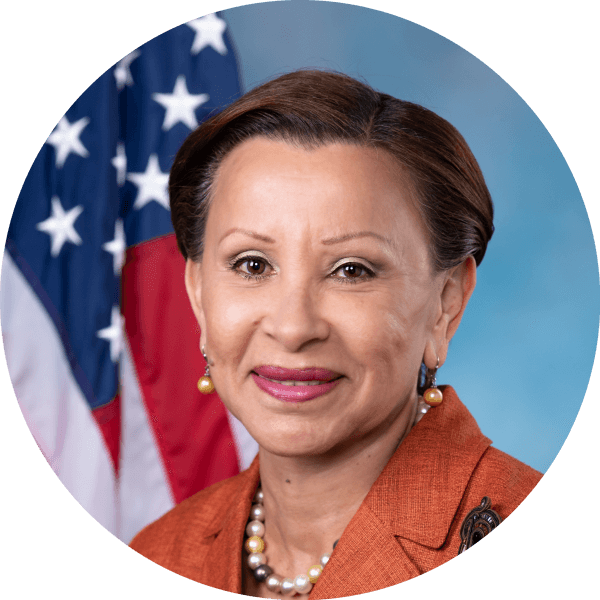
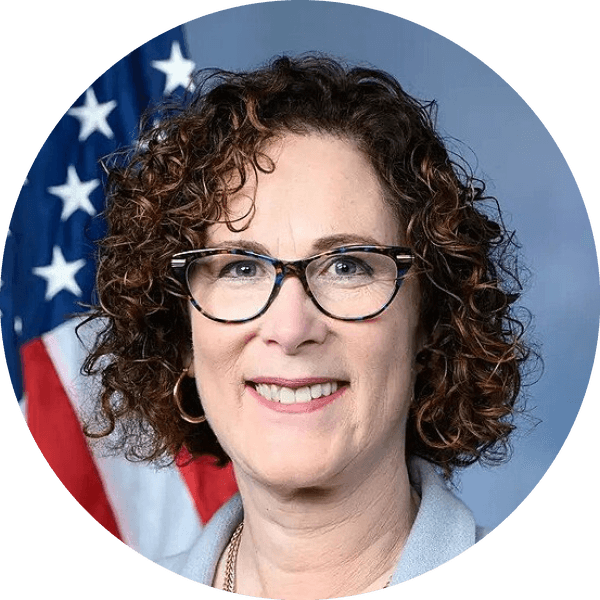
Alma Adams
Democrat · NC
USDA food dollars should reach small farms, not just giants
Why it matters
At least 20% of USDA's covered food spending would be awarded on best value rather than lowest price, and at least $2 million a year would be reserved for contracts with smaller, newer, veteran and socially disadvantaged producers. A $25 million grant fund would help them pass the food safety audits that stand between a farm and a federal contract.
The Department of Agriculture buys food for school meals, food banks and other nutrition programs, and the bill's findings describe it as one of the largest food purchasers in the world. H.R. 6706, the EFFECTIVE Food Procurement Act, sets new priorities for that buying.
First, it tells USDA to purchase a sufficient variety of foods in four groups: food from smaller, newer, veteran or socially disadvantaged producers; food from organic and animal-welfare-certified farms and producer cooperatives; food from vendors with union contracts, labor peace agreements or worker justice certification; and food with a lower climate footprint, including from suppliers with a policy to limit deforestation.
Second, it runs a five-year pilot. Each year, at least 20% of USDA's covered food spending would go through a best-value process, so a supplier could win without being the cheapest bidder. USDA would write the scoring criteria after public comment and input from producers, food workers, tribes, food banks and school meal providers.
Third, it reserves at least $2 million a year from fiscal 2026 through 2031 for competitive contracts with those smaller and priority producers, and with food hubs, processors and distributors that source at least 51% of their value from them.
Fourth, it opens a grant program. Producers and their cooperatives could receive up to $100,000 each, over as long as three years, to pay for food safety upgrades, audits and accreditation, liability insurance and food safety plans. For a small farm, those upfront compliance costs are often the barrier to selling to the federal government at all.
USDA would also report to Congress on how its food spending breaks down across these categories, name every supplier involved, estimate the greenhouse gas emissions tied to its purchases and set targets for 2032.
Bill Progress
Latest Action · Dec 15, 2025
Referred to the House Committee on Agriculture.
H.R. 6706 Bill Summary
What H.R. 6706 actually does.
Price stops being the only thing that wins a contract
A five-year pilot requires USDA to award at least 20% of its annual covered food spending through a best-value tradeoff process, scoring bids on criteria set after public comment.
$2 million a year reserved for smaller and newer producers
From fiscal 2026 through 2031, USDA must use at least $2 million a year from existing commodity purchase funds for competitive contracts with covered producers and qualifying food hubs, processors and distributors.
Grants to get through food safety audits
Covered producers and their cooperatives or associations could receive up to $100,000 over as long as three years for food safety upgrades, audits, accreditation, liability insurance and food safety plans. The section is authorized at $25 million.
Union and worker-certified vendors get a place on the list
USDA would be directed to buy from vendors with collective bargaining agreements, labor peace agreements with a union, or participation in a worker justice certification program.
Suppliers would need to trace forest-risk ingredients
Preferred climate purchases include food from suppliers whose deforestation policy maps and geolocates their supply chain, identifies every direct and indirect supplier, and documents consent from affected indigenous and local communities.
Every supplier's name goes in a report to Congress
USDA would report annually on spending by category, list all suppliers, distributors, processors and producers, estimate emissions from its food purchases and set 2032 targets.
Who benefits from H.R. 6706?
Farmers, ranchers and fishermen in their first 10 years
Beginning producers, including people who have not yet started operating, count as covered producers eligible for the set-aside contracts and the food safety grants.
Veterans who farm or fish
Veterans in their first decade of operating, or who became veterans within the last 10 years, qualify as covered producers.
Small and mid-sized family operations
Farms and ranches grossing under $999,999 in annual cash farm income qualify, or USDA can use a regional acreage definition. A $100,000 grant could cover the audit and insurance costs that keep many of them off federal vendor lists.
Regional food hubs and processors
Nonprofit or for-profit hubs, processors and distributors that source at least 51% of their value from covered producers can compete for the set-aside contracts.
Food workers in USDA supply chains
Vendors with union contracts or worker certification programs would be among the foods USDA is directed to buy, and food workers get a formal voice in writing the pilot's scoring criteria.
Schools and food banks
The bill directs USDA to widen the foods available through its commodity programs, including foods that fit religious or restricted diets.
Who is affected by H.R. 6706?
Large national food contractors
For at least a fifth of covered spending, winning on scale and price alone would no longer be enough. Their bids would be scored against sourcing, labor and environmental criteria.
Suppliers of forest-risk commodities
Vendors selling products with ingredients tied to deforestation risk would need detailed supplier lists, maps and geolocation data to fall in USDA's preferred climate category.
USDA's procurement staff
The department would need to design new scoring criteria, run the pilot and grants, compile a record of each purchase by category and estimate emissions with the EPA.
Taxpayers
Best-value awards can cost more than the lowest bid. The bill does not cap that difference, so how much extra USDA pays for these outcomes would show up in its reports.
Cost & Funding
Authorization
The bill authorizes $25 million for the pilot, technical assistance and grants, available from fiscal 2026 through 2031, and $2 million for USDA's new purchasing requirements and reports. The $2 million-a-year set-aside comes out of existing commodity purchase funds rather than new money. No Congressional Budget Office estimate is available.
- The set-aside totals at least $12 million over six years: $2 million a year from fiscal 2026 through 2031.
- At the $100,000 cap, $25 million could fund about 250 grants, fewer once the pilot and technical assistance take their share.
- The 20% best-value pilot is the largest dollar lever. It applies to USDA food spending under its commodity purchase authorities and any other purchasing authority, so its reach is far larger than the $2 million floor.
HR6706 Legislative Journey
Committee Action
Dec 15, 2025
Referred to the House Committee on Agriculture.
About the Sponsor
Alma Adams
Democrat, North Carolina's 12th congressional district · 12 years in Congress
Committees: Agriculture, Education and Workforce
View full profile →
Cosponsors (9)
All 9 cosponsors are Democrats. Cosponsors represent 8 states: California, District of Columbia, Hawaii, and 5 more.


H.R. 6706 Quick Facts




- Chamber
- House
- Policy
- Agriculture and Food
- Introduced
- Dec 15, 2025
Referred to the House Committee on Agriculture.
Dec 15, 2025
Official Sources
Full text, sponsor, cosponsors and actions for the EFFECTIVE Food Procurement Act.
The identical Senate version of the EFFECTIVE Food Procurement Act.
The customs-funded account USDA uses to buy food, and the source of the bill's $2 million-a-year set-aside.
The federal rule for best-value awards to other than the lowest bidder, the method the bill's 20% pilot would use.
USDA programs for producers in their first 10 years, the same group the bill counts as covered producers.
USDA's veteran-farmer programs, which use the same 10-year eligibility window as the bill.
The statutory definition the bill borrows to identify socially disadvantaged producers.
H.R. 6706 Common Questions
What would H.R. 6706 change about how USDA buys food?
USDA would be directed to buy more food from small, beginning, veteran and socially disadvantaged producers, union and worker-certified vendors, and lower-emission suppliers, and to award at least 20% of covered food spending on best value instead of lowest price.
What is best-value procurement?
It's a federal contracting method where the government can pick a bid that isn't the cheapest if its other qualities justify the price. Under H.R. 6706, USDA would score bids on sourcing, labor and environmental criteria set after public comment.
Does my farm qualify as small or medium-sized?
Yes, if your annual gross cash farm income is under $999,999. USDA could also use an acreage-based definition that accounts for your state or region and what you produce.
Who counts as a beginning or veteran farmer?
A beginning farmer, rancher or fisherman has operated for 10 years or less, or hasn't started yet. Veterans qualify if they're in that same first decade, or became veterans within the past 10 years.
What can the $100,000 grants pay for?
Food safety upgrades needed to become a USDA vendor, the cost of audits and accreditation, liability insurance, and developing a food safety plan. Grants last up to three years.
Can a food hub or processor get USDA contracts under this bill?
Yes. A nonprofit or for-profit food hub, processor or distributor can compete for the set-aside contracts if at least 51% of its value comes from covered producers. Grants, though, are limited to producers and their cooperatives or associations.
Would this make school lunches or food bank food cost more?
Possibly for some contracts. Best-value awards can exceed the lowest bid, and the bill sets no limit on the difference. USDA would report yearly on what it spends through the pilot.
What does H.R. 6706 require on deforestation?
Suppliers in USDA's preferred climate category would need a policy that traces forest-risk ingredients to their origin with supplier lists, maps and geolocations, and shows they don't contribute to deforestation.
Based on H.R. 6706 bill text
H.R. 6706 Bill Text
“To improve purchasing of food by the Department of Agriculture, and for other purposes.”
Source: U.S. Government Publishing Office
Get notified when H.R. 6706 moves
Committee votes, floor action, cosponsor changes — straight to your inbox.
Bill alerts + Legisletter's monthly briefing. Unsubscribe anytime.
Agriculture and Food Bills
9 related bills we're tracking
SAFE Act of 2025




Referred to the Subcommittee on Livestock, Dairy, and Poultry.
Mar 28, 2025
Restoring Food Security for American Families and Farmers Act of 2025


Referred to the Subcommittee on Nutrition and Foreign Agriculture.
Jan 13, 2026
EATS Act of 2025



Referred to the House Committee on Agriculture.
Jul 29, 2025
Hot Foods Act of 2025




Referred to the Subcommittee on Nutrition and Foreign Agriculture.
Apr 18, 2025
Whole Milk for Healthy Kids Act of 2025


Placed on the Union Calendar, Calendar No. 111.
Jun 5, 2025
Keep SNAP and WIC Funded Act of 2025


Referred to the House Committee on Appropriations.
Nov 7, 2025
WIC Benefits Protection Act




Referred to the House Committee on Education and Workforce.
Oct 10, 2025
Food Secure Strikers Act of 2025



Referred to the Subcommittee on Nutrition and Foreign Agriculture.
Apr 18, 2025
Improving Access to Nutrition Act of 2026

Referred to the Subcommittee on Nutrition and Foreign Agriculture.
Mar 20, 2026
Trending Right Now
Bills gaining momentum across Congress
America’s Olympic and Paralympic Games Commemorative Coins Act





Referred to the House Committee on Financial Services.
Jul 14, 2025
Fit to Serve Act





Referred to the House Committee on Armed Services.
May 21, 2025
ASAP Act




Ordered to be Reported in the Nature of a Substitute by the Yeas and Nays: 40 - 0.
Sep 16, 2026
Tracking Agriculture and Food in Congress? Monitor bills, track cosponsor momentum, and launch advocacy campaigns — all from one advocacy platform.